- Healthy meal planning strategies
- Essential pantry staples
- Quick dinner recipes
- Easy cooking techniques
- Tips for organic ingredients
- Nutritional benefits of organic meals
When embarking on grocery shopping, especially for those aiming for a healthy lifestyle, it’s essential to approach it with a strategy. Whether you’re shopping in-store or online, planning is key to making smart choices that align with your goals. Start by reviewing your week ahead—this helps you target your list to include only what you need, thereby reducing impulse buys and food waste.
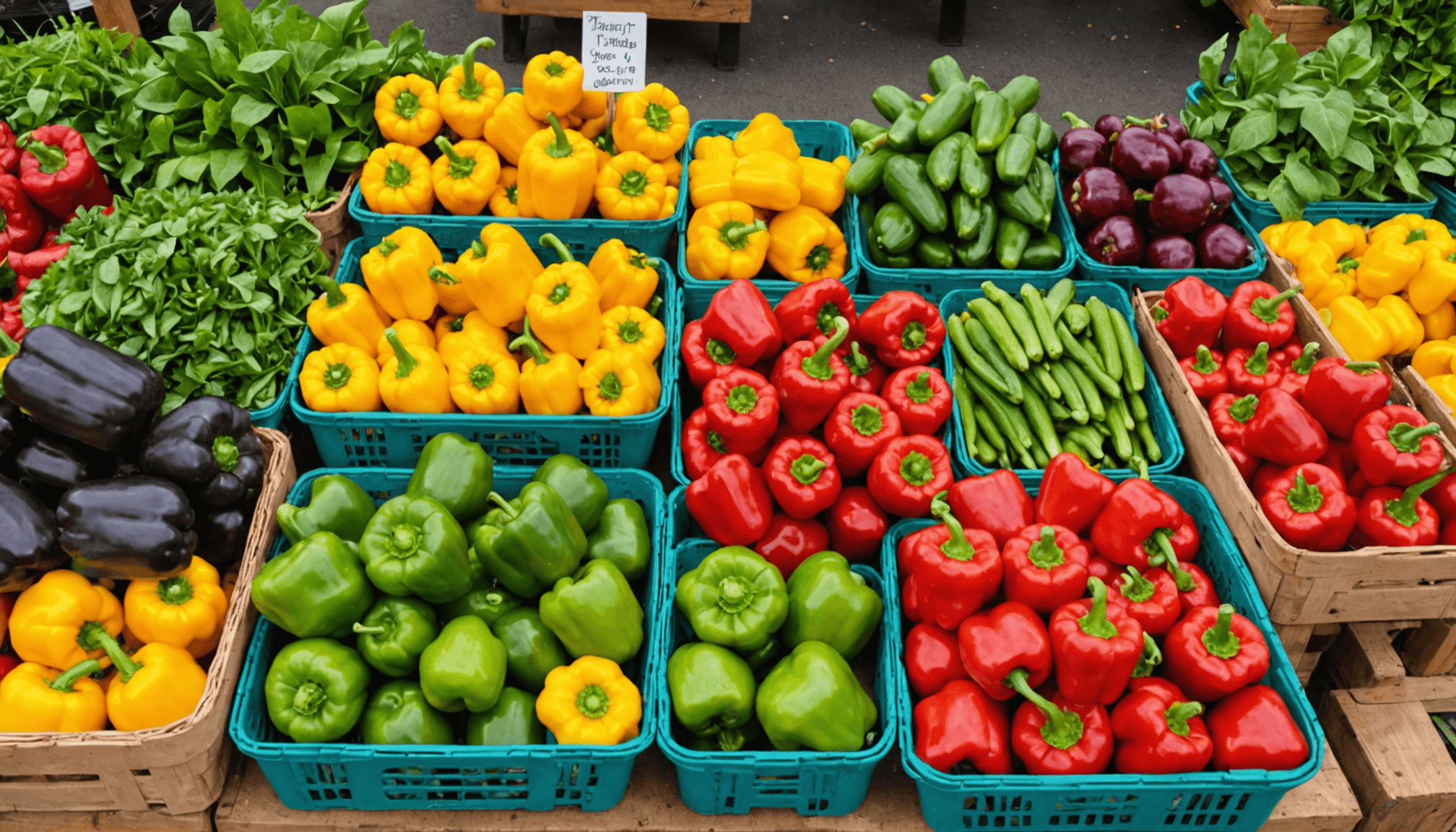
For healthy cooking, focus on filling your cart with items that contain whole, organic ingredients. Visit local farmers’ markets or co-ops to find fresh, seasonal produce. Not only will you support local agriculture, but vegetables and fruits purchased directly from producers often taste better and have higher nutrient content. Look for bright, firm produce and avoid anything that looks wilted or overly ripe.
While shopping, remember the importance of your pantry. Stocking up on organic food staples like whole grains (quinoa, brown rice), legumes (lentils, chickpeas), and healthy fats (olive oil, avocado) can make meal planning so much easier. These items serve as the foundation for quick meals, enabling you to have a basis for countless easy recipes that can be whipped up in a hurry.
Online shopping can be a great tool, especially if you’re balancing a busy schedule. When ordering groceries online, take the time to evaluate the sellers. Look for certifications or reviews that indicate freshness and sustainability. If buying frozen vegetables or fruits, ensure they are flash frozen right at harvest time to lock in nutrients. Additionally, check delivery dates and confirm that perishable items will arrive fresh.
Here are some tips to enhance your grocery shopping experience:
- Create a shopping list: Jot down meals you plan to cook for the week and pull together a concise list of ingredients needed. This not only prevents overspending but also keeps you focused on whole, nutritious foods.
- Buy in bulk: When possible, purchase items like grains, nuts, and dried beans in bulk. This can save you money and reduce packaging waste.
- Use seasonal produce: Not only are seasonal fruits and vegetables often less expensive, but they are also at their peak nutrition and flavor.
- Check for sales and discounts: Many stores offer discounts on organic products. Look for coupons or rewards programs that can lower your costs.
- Avoid pre-packaged foods: The convenience of microwave meals can be tempting, but they often contain hidden sugars, sodium, and preservatives. Stick to whole foods to guarantee you’re eating healthily.
Lastly, pay attention to ingredient labels when shopping for packaged goods. Understanding what’s in your food can lead to better choices; aim for short ingredient lists where each element is recognizable. Always choose reputable brands that prioritize health and sustainability.
Essential pantry staples
To maintain a well-stocked pantry that supports quick and healthy organic cooking, certain staples are essential. These ingredients not only make meal preparation more convenient but also ensure that your meals are nutritious and flavor-packed. Below is a list of indispensable pantry staples that can serve as the backbone of your dinner recipes.
| Category | Staples | Description |
|---|---|---|
| Whole Grains | Quinoa, Brown Rice, Barley | These grains are excellent sources of fiber and protein. They can be used as bases for salads, bowls, or as an accompaniment to proteins. |
| Legumes | Lentils, Chickpeas, Black Beans | Rich in protein and fiber, legumes can be transformed into soups, stews, or salads, making them perfect for healthy cooking. |
| Nuts & Seeds | Almonds, Chia Seeds, Flaxseeds | Nuts and seeds provide healthy fats, protein, and a satisfying crunch to any dish. They can be sprinkled on top of salads or blended into smoothies. |
| Healthy Oils | Olive Oil, Avocado Oil, Coconut Oil | These oils are versatile and offer beneficial fats for cooking and dressings. They enhance flavor and provide necessary nutrients. |
| Canned Goods | Diced Tomatoes, Coconut Milk, Vegetable Broth | Canned goods are convenient for creating sauces and soups quickly. Ensure they are low sodium and contain no added sugars for healthier options. |
| Herbs & Spices | Basil, Cumin, Garlic Powder | Essential for flavoring dishes without added calories, good herbs and spices elevate simple ingredients into delicious meals. |
| Condiments | Balsamic Vinegar, Mustard, Soy Sauce | These can add a punch to your quick recipes, providing depth and variety to your meals while keeping them healthy. |
Having these essentials on hand can streamline your cooking process. For instance, if you have quinoa, canned tomatoes, black beans, and spices in your pantry, you can quickly whip up a flavorful quinoa chili in less than 30 minutes. This type of efficient meal-making not only saves time but also ensures that you’re consuming wholesome, organic food without relying on takeout or processed meals.
Additionally, it can be beneficial to create a rotating menu based on these staples. Plan your meals around what you have in your pantry, integrating seasonal vegetables and fresh organic ingredients to keep the dishes exciting. Understanding and utilizing these pantry staples enables you to maintain a commitment to healthy cooking, ensuring that nutritious, quick recipes are always at your fingertips.
Quick dinner recipes
When it comes to grocery shopping, may it be in-store or online, making thoughtful choices can transform the way you dine at home. For families, busy professionals, and health-conscious individuals alike, a well-planned shopping experience can save time and money while encouraging nutritious eating habits. Start by crafting a detailed shopping list based on your planned meals—it narrows down your selections to what you truly need. This tactic minimizes impulse purchases and helps you resist unhealthy snacks that can easily derail your goals.
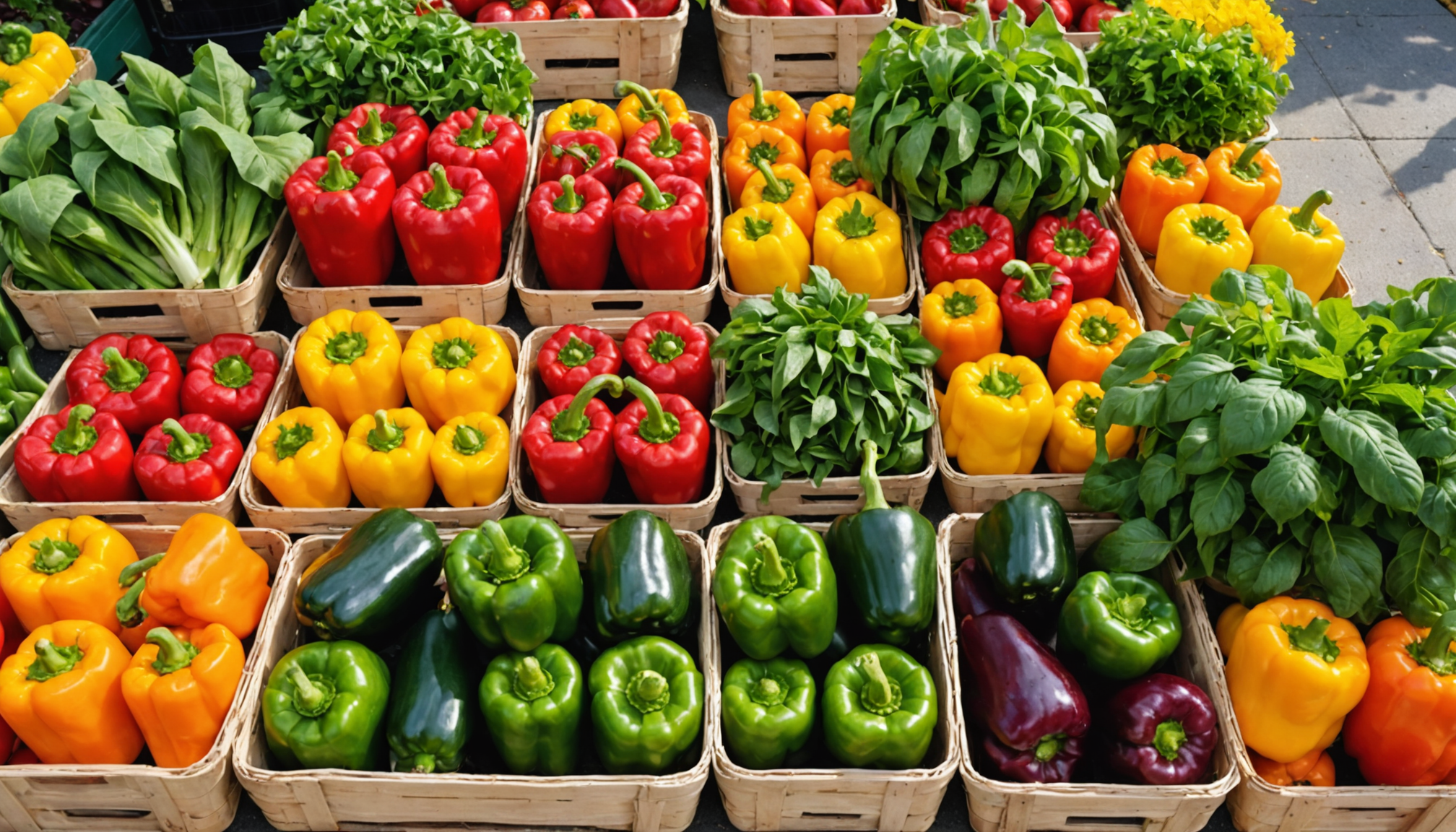
Whether you’re heading to your local grocery store or exploring online options, aim to fill your cart with healthy foods that satisfy both your taste buds and nutritional needs. Make it a point to visit your local farmers’ market—here, you’ll find fresh, vibrant produces at their peak flavor, supporting local farmers in the process. When purchasing fruits and vegetables, prioritize items that are organic whenever possible. Look for those without blemishes or soft spots to ensure you’re getting the best quality.
In your pursuit of vegan foods, consider staples like lentils, beans, and whole grains as your go-to sources of protein. These foods not only cater to a vegan lifestyle but are also typically budget-friendly. Buying dried legumes or grains in bulk can significantly lower costs while ensuring you’re stocked for the week ahead. Also, don’t overlook frozen organic vegetables. They are often flash-frozen at peak ripeness to preserve nutrients, making them a fantastic alternative when fresh options are out of season.
Shopping online can alleviate some of the pressures of grocery shopping, especially when time is of the essence. However, ensure you’re purchasing from reputable sites that focus on organic food to get the freshest produce. Look for reviews or third-party certifications that vouch for quality and hygiene. If you’re interested in ingredients like nut butters or specialty oils, reading product descriptions is key; ensure they are labeled as free from unnecessary additives like sugar or unhealthy fats.
Keep in mind these practical grocery shopping tips to enhance your experience:
- Get Familiar With Store Layout: Spend some time figuring out where the healthiest options are located in your local store. Familiarity can help you navigate quickly, which is especially helpful if you’re on a tight schedule.
- Watch For Labels: Focus on purchasing products with minimal ingredients—ideally, ones that you recognize. Avoid anything with artificial additives, as they can undermine your healthy cooking efforts.
- Join a CSA: Community Supported Agriculture (CSA) programs can deliver fresh organic produce directly to your door, eliminating the need for constant trips to the grocery store while supporting local farmers.
- Green Alternatives: As you shop, be open to brands that prioritize sustainability. If multiple brands offer similar products, choose the one with eco-friendly packaging or practices.
- Savvy Saving: Keep an eye out for sales on organic products. Many stores have loyalty programs or digital coupons that can help you save money while still procuring healthy items.
When selecting packaged goods, always devote some time to investigating the ingredients. Foods labeled as “natural” may still contain additives that aren’t aligned with your health goals. Opt for products that are certified organic or are free from GMOs to ensure you’re maintaining a clean diet.
Easy cooking techniques
The beauty of preparing quick and healthy meals lies in mastering simple cooking techniques that streamline the process. These techniques not only save time but also enhance the flavors of your dishes and maintain the integrity of organic ingredients.
One of the most effective methods is batch cooking. By preparing larger portions of recipes ahead of time, you can have healthy meals ready to go during busy weeknights. For example, prepare a large pot of quinoa or brown rice and store it in the refrigerator. It can serve as a versatile base for multiple meals throughout the week. Similarly, cook up a stew or soup using seasonal vegetables and legumes, dividing it into servings that can be easily reheated for lunch or dinner.
Another technique is stir-frying, which allows you to quickly cook vegetables while preserving their nutrients. Use a high-quality oil, such as avocado or olive oil, and heat it in a wok or large skillet. Add your chopped vegetables and proteins (like tofu or organic chicken) and stir until they’re just tender. The high heat cooks the food quickly, locking in flavors and nutrients. Pair your stir-fry with a sauce made from low-sodium soy sauce, ginger, and garlic for an added flavor kick.
One-pot meals can also be a lifesaver for busy nights. These dishes minimize cleanup while ensuring a balanced meal. Start with a base of your choice—grains, like farro or brown rice—then add vegetables and a protein source. As everything cooks together, the flavors meld beautifully. For instance, consider a one-pot chickpea and vegetable curry that simmers together, infusing each ingredient with rich spices and creamy coconut milk.
Using a pressure cooker can further simplify meal preparation. Dishes that usually take hours can be ready in under 30 minutes, such as hearty legumes or chili. Simply add your organic ingredients along with spices and sufficient liquid, and let the cooker do its magic. This method not only saves time but also retains the nutrients and freshness of your organic food.
Sheet pan meals are another fantastic and effortless approach. Arrange proteins and assorted vegetables on a single baking sheet, drizzle with olive oil, season, and roast in the oven. This not only allows for a range of flavors to develop but also makes cleanup practically non-existent. Consider a mix of organic broccoli, bell peppers, sweet potatoes, and salmon seasoned with herbs for an easy, nutritious dinner.
Moreover, consider the art of seasoning. Fresh herbs, spices, and citrus can uplift any meal, transforming basic ingredients into a gourmet experience. Stock your kitchen with essential spices—such as cumin, paprika, and turmeric—and fresh herbs like basil, cilantro, or parsley. A simple sprinkle can elevate the flavor profile of even the most straightforward recipes, making healthy cooking both enjoyable and satisfying.
Incorporating these easy cooking techniques into your kitchen routine not only facilitates the preparation of quick, healthy dinners but also nurtures a deeper connection with the food you create. As the renowned chef Jacques Pepin once said,
“The essence of good cooking is savoring the simplicity of the ingredients.”
Tips for organic ingredients
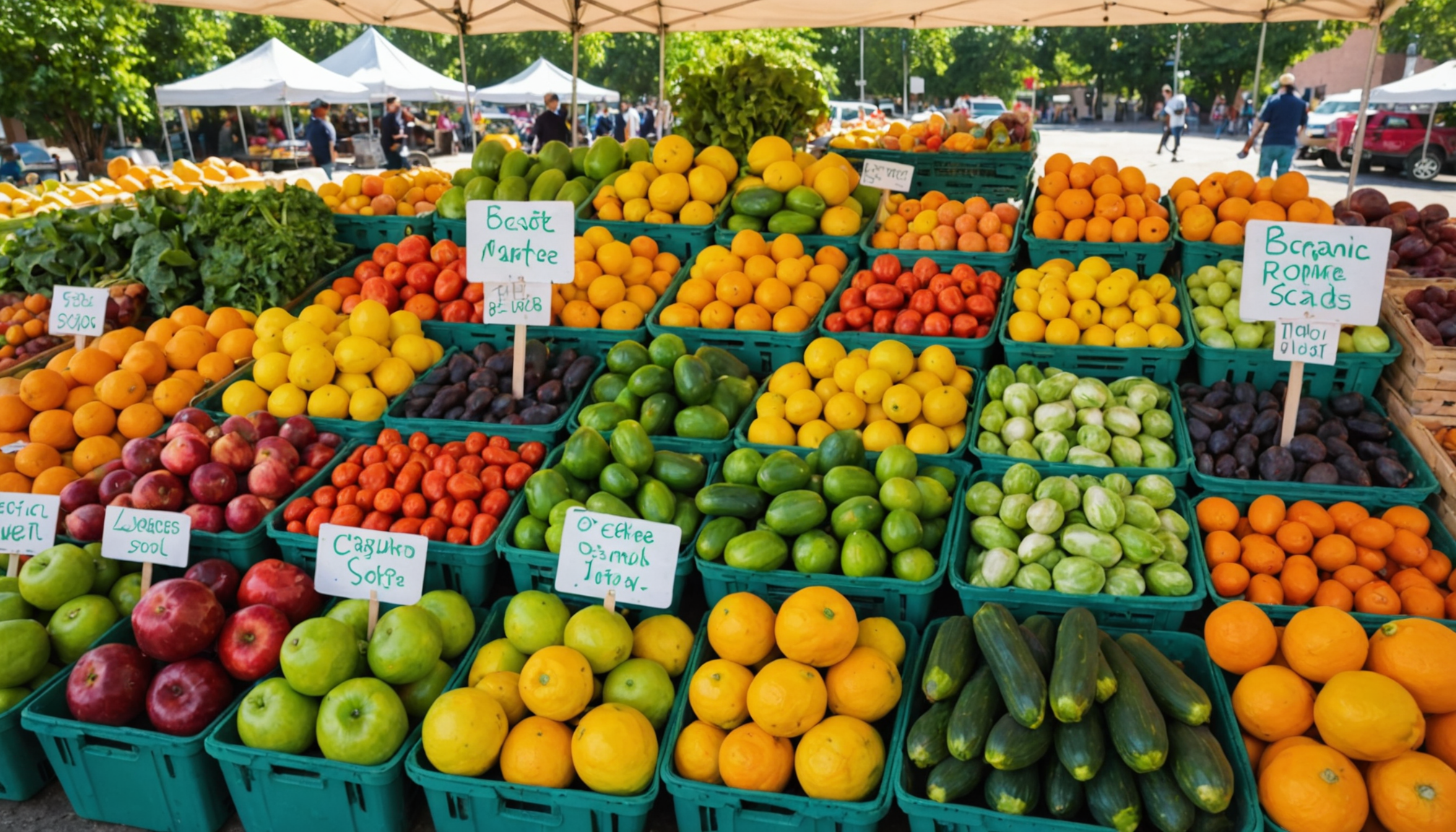
Choosing organic ingredients can significantly enhance the quality and nutritional value of your meals. When shopping for organic products, prioritize seasonal and locally sourced produce as they are often fresher and packed with flavor. Understanding seasonal cycles not only supports local farmers but also allows you to incorporate a diverse array of fruits and vegetables into your diet. Organic produce is typically grown without synthetic pesticides and fertilizers, making it a healthier option for both you and the environment. However, be mindful of your budget; while some organic items might be pricier, focus on the Dirty Dozen—fruits and vegetables that are more likely to be contaminated with pesticides, and opt for organic versions of these whenever possible.
For those new to organic cooking, start small by incorporating one or two organic ingredients into your meals each week. This gradual approach can help you adapt your cooking methods and find the right balance for your dietary needs. Additionally, explore organic grains, nuts, and legumes, as these are foundational elements that can make your meals healthy, hearty, and satisfying. When selecting meat, consider choosing organic and grass-fed options. These products often contain higher nutrient levels and healthier fats, contributing to a well-rounded diet.
Educating yourself about food sourcing can be empowering. Research your local farmers’ markets or organic co-ops to discover where your food comes from. Building relationships with local farmers can also provide you with insights about seasonal offerings and the best ways to prepare them. As you avoid heavily processed organic foods, you’ll discover how to create not only quick but also nutritious meals that prioritize whole foods. Reading labels and seeking transparency from food producers can help guide you in making thoughtful choices that align with your health goals and ethical preferences.
- What are the benefits of choosing organic ingredients?
- Organic ingredients are grown without synthetic pesticides and fertilizers, contributing to a healthier diet. They typically contain more nutrients and better flavor, and choosing organic also supports environmentally sustainable farming practices.
- How can I tell if a product is truly organic?
- Look for certification labels on packaging that indicate a product is USDA Certified Organic. It should display the organic seal, which ensures it meets specific standards for organic farming.
- Are organic foods always more expensive?
- While organic foods can be pricier, especially at retail stores, buying in bulk or participating in community-supported agriculture (CSA) programs can make them more affordable. Shopping at local farmers’ markets can also help you find fresh organic options at reasonable prices.
- What is the Dirty Dozen list?
- The Dirty Dozen is a list published annually by the EWG that highlights fruits and vegetables with higher pesticide residues. Choosing organic options for these items can help reduce your exposure to harmful chemicals.
- How can I prepare quick dinner recipes using organic ingredients?
- Focus on simple meals like stir-fries, one-pot dishes, or sheet pan dinners, where you can combine various organic veggies, grains, and proteins in a single dish. This saves time and enhances flavor while ensuring your meals are healthy.
- Is it better to buy frozen organic vegetables instead of fresh?
- Frozen organic vegetables can be just as nutritious as fresh ones since they are often flash-frozen at peak ripeness. They are a convenient option that reduces waste and allows you to enjoy seasonal produce year-round.
- Can I grow my own organic vegetables at home?
- Yes, growing your own organic vegetables is a rewarding way to ensure you have access to fresh, organic produce. Even a small garden or container plants can yield vegetables, herbs, and fruits right from your home.
Nutritional benefits of organic meals
When diving into the world of organic meals, understanding the nutritional benefits can enhance your experience and empower your grocery shopping choices. Incorporating organic food into your diet doesn’t just support health; it fosters a holistic approach to cooking and eating. Organic produce is cultivated without harmful pesticides and synthetic fertilizers, which means you’re consuming food that is cleaner and more aligned with sustainable practices.
Fruits and vegetables that are organically grown often contain higher levels of essential vitamins, minerals, and antioxidants, making them a powerful ally in your quest for health. For example, studies have shown that organic produce may offer more omega-3 fatty acids, which are vital for heart health and brain function (Barański, M. et al., 2014). Additionally, a diet rich in organic foods is linked to better overall health and a lower risk of chronic diseases due to the absence of chemical residues—your body deserves the best, and organic foods deliver just that.
As you embark on your grocery shopping journey, consider the importance of choosing organic when it comes to the “Dirty Dozen”—a list that identifies produce with the highest pesticide residues. Stocking up on organic versions of these items, such as strawberries, spinach, and apples, can significantly reduce your intake of harmful chemicals while boosting your antioxidant levels.
Moreover, the nutritional benefits extend to animal products as well. Organic, pasture-raised meats and dairy are typically higher in beneficial nutrients, including Vitamin E and omega-3 fatty acids, compared to their non-organic counterparts. This can play a role in bettering your health and reducing inflammation over time, thereby supporting an active lifestyle.
For those exploring a vegan lifestyle, organic legumes, nuts, and grains provide a wealth of nutrients and are often more flavorful than conventional varieties. Incorporating these healthy staples into your meals supports both your nutritional needs and environmental sustainability.
When shopping, prioritize fresh, organic ingredients by developing a relationship with local farmers or joining a community-supported agriculture (CSA) program. Access to fresh, seasonal produce not only ensures that you’re maximizing nutritional value but also encourages creativity in your healthy cooking journey.
As you take the plunge into incorporating more organic meals into your routine, remember that the benefits are multifaceted—offering a flavor that’s hard to beat along with an assurance that you’re consuming food that’s better for your health and the planet. Each grocery trip is an opportunity to make informed choices that align with your health goals.
For those shopping online, always look for reputable sellers who offer organic options, and read product descriptions thoroughly to avoid additives that could undermine your health-conscious decisions. Keeping your kitchen stocked with organic ingredients not only demystifies meal preparation but also brings you one step closer to mastering healthy, quick recipes that nourish both body and soul.
New Customers Offer!
Free Gift for the new customer
$24 Value, When You Subscrib Visit Thrive Market