- Healthy Ingredients for Quick Dinners
- Simple Cooking Techniques
- Five Easy Organic Dinner Recipes
- Meal Prep Tips for Busy Nights
- Nutritional Benefits of Organic Eating
- Storing Leftovers Safely and Deliciously
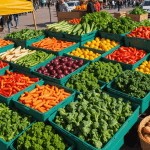
When it comes to grocery shopping for healthy dinners, having a well-planned strategy can make all the difference. Start by considering your local farmers’ market as it offers an array of fresh, organic produce that’s often more affordable and flavorful than supermarket alternatives. Shopping seasonally not only supports local farmers, but it also ensures that you’re getting the freshest ingredients. Organic food can be a bit pricier at times, but if you focus on purchasing what’s in season, you can enjoy significant savings.
Next, create a comprehensive list that includes versatile staples vital for quick meals. Consider stocking up on items such as:
- Quinoa – A perfect base for salads or side dishes, providing a protein boost.
- Canned beans – An essential for creating hearty bowls or easy soups; they’re nutritious and budget-friendly.
- Frozen vegetables – Convenience meets nutrition here; they are just as healthy as fresh produce and last longer.
- Whole grain pasta – A great option for a quick dinner; pair it with fresh veggies and a simple sauce.
- Herbs and spices – Essential for enhancing flavors without added calories; invest in a good selection to keep your meals exciting.
For healthy cooking, consider choosing lean proteins such as chicken breast, turkey, or tofu, which can easily be incorporated into numerous recipes. Furthermore, before making any purchases, especially online, ensure that you’re shopping from reputable sources. Look for certifications and reviews to ascertain the quality of the ingredients you are buying.
If you’re searching for vegan options, be on the lookout for plant-based proteins such as lentils, chickpeas, or tempeh. They are not only rich in nutrients but also provide the satisfaction of hearty meals without the need for meat. When shopping, try to select bulk options for items you use often, like nuts and seeds, as they are often cheaper and create less packaging waste.
Finally, it’s key to be aware of food safety while grocery shopping. Always check expiration dates and inspect the packaging before purchasing. When buying online, opt for stores with clear delivery policies and return options, and track packages to ensure the food arrives fresh. Keep these tips in mind to navigate both your local grocery store and online platforms effectively, ensuring your pantry is stocked with items that make creating easy recipes for healthy dinners straightforward and quick.
Simple Cooking Techniques
Utilizing straightforward cooking techniques can transform the way you prepare meals, making healthy cooking both efficient and enjoyable. Emphasizing methods that simplify the cooking process will not only save time but also enhance the overall dining experience while maintaining the integrity of organic food.
One of the fundamental techniques to master is stir-frying. This quick-cooking method involves sautéing ingredients at high heat in a minimal amount of oil. It’s ideal for unleashing the flavors of fresh vegetables while retaining their nutrients. For example, a combination of bell peppers, broccoli, and snap peas sautéed in olive oil, garlic, and ginger can create a vibrant, nutrient-packed side dish in under 10 minutes.
Another effective technique is batch cooking, which allows for efficient use of time. By cooking large portions of grains, beans, or proteins at once, you can easily assemble quick meals throughout the week. For instance, preparing a large pot of quinoa or lentils can provide a nutritious base for multiple dishes, whether in salads, bowls, or as a side, making it a staple for healthy, easy recipes.
One-pot meals are also a fantastic option for those busy nights where cleanup needs to be minimal. By combining ingredients in a single cooking vessel, you can develop robust flavors without the fuss. For example, a one-pot organic vegetable and brown rice dish can combine the savory elements of vegetable broth, seasonal produce, and spices, all simmered together for a hearty dinner.
Furthermore, embracing sheet pan cooking can yield significant time savings. By arranging a mix of proteins and vegetables on a single baking sheet, you can create a well-rounded meal simply by roasting everything together in the oven. This method allows the ingredients to soak up each other’s flavors, and it also requires minimal effort in terms of prep and cleanup.
Here’s a comparison table of these cooking techniques:
| Cooking Technique | Time Savings | Effort Required | Nutritional Benefits |
|---|---|---|---|
| Stir-Frying | Fast (10 mins) | Low | Retains vitamins and minerals from fresh vegetables |
| Batch Cooking | High (prep for the week) | Medium | Ensures a variety of balanced meals |
| One-Pot Meals | Fast (under 30 mins) | Low | Flavorful blend, minimizes nutrient loss |
| Sheet Pan Cooking | Moderate (30-40 mins) | Low | Convenient and diverse nutrient sources |
In addition to these techniques, making use of raw food preparations, such as salads and energy bites, can also contribute to your repertoire of quick and healthy cooking. By simply chopping or blending ingredients, you can create something delicious without needing to cook at all, preserving the nutrients found in organic food.
Ultimately, mastering these simple cooking techniques will not only facilitate a smoother cooking process but will also inspire confidence in the kitchen, enabling you to whip up delicious, healthy meals with ease. Each method presents unique advantages, and by incorporating a variety of them, you can keep your weekly dinner rotation exciting and satisfying while adhering to a focus on easy recipes that are both wholesome and flavorful.
Five Easy Organic Dinner Recipes

When diving into the world of organic cooking, simplicity and creativity can go a long way. Start by considering five straightforward recipes that revolve around wholesome, organic ingredients, allowing you to bring healthy meals to your table without the stress.
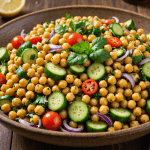
First up, we have a classic Chickpea Salad. Begin with a can of organic chickpeas, rinsed and drained, then toss them with chopped cucumbers, cherry tomatoes, red onion, and a handful of parsley. Dress with olive oil, lemon juice, salt, and pepper for a refreshing, nutrient-rich dish that can be made in under 15 minutes. This salad serves as a great side or a light main course on a busy night.
Vegetable Stir-Fry is another winning recipe featuring seasonal organic veggies. Grab whatever is fresh from your local farmers’ market—think bell peppers, broccoli, and snap peas. Heat a tablespoon of coconut oil in a large pan over high heat, add your vegetables, and stir-fry for just a few minutes. Finish with a splash of soy sauce and serve over steamed brown rice or quinoa for a colorful, hearty meal that’s packed with nutrients.
For a warm, comforting option, try Quinoa and Black Bean Bowl. Simply cook quinoa according to package instructions, and in the last few minutes, add frozen organic corn and black beans to the pot. Once everything is heated through, season with cumin, cilantro, and lime. This delightful meal provides a complete protein while being budget-friendly and fulfilling.
Next, whip up a Sheet Pan Taco Bake. On a baking sheet, combine diced organic sweet potatoes, black beans, and bell peppers. Season with taco spices and roast in the oven; all the ingredients meld together beautifully. Once cooked, serve in corn tortillas topped with avocado and salsa. This dish is not only easy to prepare but perfect for a family dinner without copious cleanup afterward.
Lastly, consider making a Simple Organic Vegetable Soup. Sauté onions, carrots, and celery in a pot, adding vegetable broth and your choice of seasonal vegetables like kale, zucchini, and diced tomatoes. Let it simmer until all the flavors meld. This soup can be made in bulk and refrigerated or frozen for later, making it a valuable meal prep option.
These easy recipes highlight just how effortless it can be to incorporate organic food into your dinner routine. By focusing on quick, wholesome meals, you not only nourish your body but also cater to the needs of a busy lifestyle. Keep these delicious options in mind the next time you’re planning your weekly dinners, and you’ll find that healthy cooking can be both fun and fulfilling.
Meal Prep Tips for Busy Nights
Meal prep can be a lifesaver for busy nights, allowing you to enjoy healthy, homemade meals without the stress of last-minute cooking. Planning ahead makes all the difference, and it begins with setting aside time each week to prepare ingredients and meals that can be quickly assembled during hectic evenings.
Start by dedicating a few hours over the weekend or on a quieter day to plan your meals for the week. Choose a variety of recipes that focus on healthy cooking using organic food, balancing your protein, grains, and vegetables. Having a variety of options ensures that you won’t get bored and will keep your meals interesting.
Once you have your recipes chosen, make a detailed shopping list of all the ingredients you’ll need. This not only helps in efficiently stocking your kitchen but also ensures you won’t make unnecessary impulse buys. When you’re back from grocery shopping, wash and chop your vegetables right away. Store them in clear containers in the refrigerator, ready to toss into salads, stir-fries, or pasta dishes. Prepping ingredients in advance saves substantial time when you’re ready to cook.
You can also prepare entire meals in advance for the week. Consider making a large batch of a versatile grain like quinoa or brown rice on prep day. This grain can serve as a base for numerous dishes throughout the week, such as grain bowls or side dishes. Similarly, cook proteins like chicken, turkey, or plant-based options such as lentils or chickpeas, which can be refrigerated and added to various meals.
For those who prefer convenience, meal-sealing bags or containers are perfect for storing single servings of prepared meals. Label them with the date and what’s inside. This makes it easy to grab a meal or two when you’re in a hurry. Additionally, using clear containers will help you visually track what’s available, ensuring that nothing gets forgotten at the back of the fridge.
Another time-saving tip is to embrace the art of freezing. Batch cook soups, stews, and casseroles, portion them into containers, and freeze them. This allows you to pull out a hearty meal on particularly busy nights without needing to cook from scratch. Just heat it up and you’re set!
Don’t forget to utilize your slow cooker or instant pot. These appliances can be life-savers for meal prep. They allow you to throw in your ingredients and walk away, returning to a delicious, hearty meal. Just be sure to plan appropriately so you have everything ready to go in the morning before you leave for the day.
Lastly, keeping a stock of healthy snacks and quick meals, like hummus with cut vegetables or a homemade granola mix, can bridge the gap if hunger strikes between meals. These easy recipes can satisfy cravings and keep you on track with your healthy eating goals.
“By failing to prepare, you are preparing to fail.” – Benjamin Franklin
Incorporating these meal prep tips into your weekly routine will help you manage the demands of a busy lifestyle while ensuring you always have healthy, organic food ready to enjoy.
Nutritional Benefits of Organic Eating
 Organic eating offers an abundance of nutritional benefits that contribute to overall health and wellness. One primary advantage is the higher nutrient density found in organic food. Organic fruits and vegetables are often grown using practices that enhance the flavor and nutritional value, resulting in produce that’s rich in vitamins, minerals, and antioxidants. These nutrients are essential for maintaining optimal health, boosting the immune system, and potentially reducing the risk of chronic diseases.
Another significant benefit is the absence of synthetic pesticides and fertilizers, which are commonly used in conventional farming. By choosing organic options, you minimize exposure to these harmful chemicals, leading to a cleaner, safer diet. Numerous studies have indicated correlations between reduced chemical exposure and improved long-term health outcomes. Opting for organic food supports not only your own health but also that of the environment, as it encourages sustainable farming practices that protect biodiversity and soil health.
Organic animal products, such as meat and dairy, typically come from animals raised without antibiotics or growth hormones. These practices foster healthier animals and lead to higher quality products, which can mean better taste and more wholesome nutrients in your meals. Additionally, organic livestock is often grass-fed and free-roaming, contributing to better fatty acid profiles in meats and dairy, which are beneficial to heart health.
Moreover, embracing organic eating encourages a diet abundant in whole, minimally processed foods. This shift can help reduce the consumption of unhealthy additives often found in processed foods, such as artificial colors, flavors, and preservatives. When you focus on organic ingredients, you naturally transition to healthier cooking by incorporating more fresh, wholesome foods into your meals.
Understanding the nutritional benefits of organic eating can inspire you to explore the vast array of organic ingredients available, leading to greater creativity in the kitchen. Delving deeper into the sources of your food not only enriches your meals but also fosters a more profound appreciation for what you consume.
- What are the health benefits of eating organic food?
- Organic food is often higher in nutrients and antioxidants and is free from harmful pesticides and synthetic fertilizers, which can lead to better overall health and reduced risk of chronic diseases.
- How does organic food impact the environment?
- Organic farming practices promote biodiversity, soil health, and reduced pollution. By choosing organic, you support these sustainable methods that minimally impact the environment.
- Are organic foods more expensive?
- Typically, organic foods can be more expensive due to higher production costs. However, shopping for seasonal produce and local farmers can help reduce these costs and make organic choices more accessible.
- Can I trust the labels on organic products?
- In the US, organic products must meet strict guidelines set by the USDA, ensuring they are grown and processed according to defined standards. Look for the USDA Organic seal for verification.
- Do organic foods taste better than non-organic?
- Many people find that organic fruits and vegetables have superior flavor due to their natural growing processes. The absence of synthetic additives can also enhance the taste of organic products.
- Can a diet rich in organic foods help with weight loss?
- A diet centered around organic foods typically includes more whole, nutrient-dense foods, which can aid in weight management and promote a healthy lifestyle, as they are filling and lower in unhealthy additives.
- How can I incorporate more organic food into my diet?
- Start by gradually replacing your regular groceries with organic options, focusing on fruits, vegetables, grains, and proteins. Planning meals around seasonal produce can also enhance your culinary experience.
Storing Leftovers Safely and Deliciously
When it comes to storing leftovers, a few simple strategies can help you maintain freshness and flavor while ensuring safety. Always allow your cooked meals to cool down to room temperature before transferring them to storage containers. This prevents condensation and maintains the quality of your food. Use clear, airtight containers to keep your leftovers; glass containers are a great choice as they’re durable, heat-safe, and do not retain odors or stains.
It’s essential to label your containers with the date and name of the dish using a masking tape marker or a dry-erase marker. This helps keep track of what you have and ensures you consume meals while they’re still fresh. Generally, leftovers should be eaten within three to four days. If you know you won’t finish them in that timeframe, consider freezing them. Most cooked meals freeze well, allowing you to save money and minimize waste.
When reheating leftovers, ensure that the food reaches an internal temperature of 165°F to reduce the risk of foodborne illnesses. Invest in a reliable food thermometer to easily verify this. For those who are health-conscious, avoid reheating in plastic containers that are not labeled microwave-safe, as they can release harmful chemicals when exposed to high heat. Opt for glass or ceramic instead.
For those who enjoy incorporating organic food into their diet, consider repurposing leftovers creatively. For example, leftover quinoa from dinner can be transformed into a savory breakfast bowl by mixing it with sautéed spinach and a poached egg. Similarly, roasted vegetables can be blended into a soup or added to a frittata for a quick, nutritious lunch.
When it comes to meal prep, consider utilizing leftover ingredients to save time and effort throughout the week. Planning a dinner that encourages leftovers allows for versatility in your meals. For instance, a roasted chicken can be the star of one meal, and with a few tweaks, the meat can be used in a salad or wraps later in the week.
In terms of online grocery shopping, be vigilant about checking expiration dates and the freshness of any perishable items you purchase. Look for sellers with good ratings and reviews, especially for fresh produce or meats, to ensure you’re receiving quality ingredients for your meals. Many retailers now offer choices for organic products, so don’t hesitate to explore these options to enhance your healthy cooking practices.
Remember, effectively storing your leftovers not only saves time but also promotes creativity in the kitchen. With these practical tips, you can ensure that your meals remain delicious, healthy, and budget-friendly, allowing you to enjoy quick and easy recipes throughout the week.
New Customers Offer!
Free Gift for the new customer
$24 Value, When You Subscrib Visit Thrive Market