- Healthy Meal Planning Strategies
- Essential Ingredients for Organic Cooking
- Quick Recipes for Busy Weeknights
- Seasonal Vegetables and Their Benefits
- Tips for Efficient Meal Prep
- Enjoying Leftovers: Creative Ideas
When it comes to grocery shopping, adopting a strategic mindset can transform the experience into a rewarding venture that fuels your healthy cooking ambitions. First, consider creating a comprehensive shopping list tailored to your meal plan for the week. This not only helps streamline your shopping but also minimizes impulse purchases that can lead to unhealthy choices.
Start your grocery journey by exploring local farmers’ markets. They are treasure troves of seasonal produce and often offer organic food at competitive prices. Supporting local farmers not only benefits your community but also ensures you’re consuming the freshest ingredients available. Remember to check the market calendar for what’s in season, as this can enhance your meals with peak flavor and nutrition.
For families and busy individuals, budgeting is key. Focus on whole foods, such as lentils, quinoa, brown rice, and seasonal vegetables. These are not only budget-friendly options but are also packed with nutrients and can form the foundation of many easy recipes. Don’t shy away from frozen fruits and vegetables; they are picked at their peak ripeness and flash-frozen, retaining their nutritional value while giving you the convenience of having healthy options on hand.
As you navigate the grocery aisles, prioritize the following when shopping for organic food:
- Label Knowledge: Familiarize yourself with organic certification labels, ensuring you are purchasing truly organic products. Look for the USDA Organic seal.
- Ingredient Safety: Always inspect labels for added sugars, preservatives, and artificial ingredients. The shorter the ingredient list, the better.
- Bulk Buying: Consider purchasing items in bulk. Grains, legumes, and nuts can often be found at lower prices this way, making healthy cooking more accessible.
For those who prefer online shopping, ensure that you choose reputable grocery delivery services. Look for sites that offer organic options and pay attention to customer reviews. This provides insights into product quality and service reliability. Additionally, many online shops offer the convenience of subscription services for frequently used items, which aids in maintaining a steady supply of healthy ingredients.
Don’t forget to set aside a few minutes to review current sales or digital coupons before heading to the store or placing an order online. This can greatly enhance your ability to stick to your budget while still acquiring nutritious foods that align with your meal planning goals. By taking these proactive steps, grocery shopping can become a powerful ally in your journey toward easy, healthy meals that the whole family will enjoy.
Essential Ingredients for Organic Cooking
A foundation of organic cooking lies in the choice and quality of ingredients used in each meal. When selecting organic food, it’s essential to understand the critical ingredients that not only enhance flavor but also contribute to the health benefits that come with a clean diet. Key categories form the bedrock of a well-stocked organic kitchen, allowing you to whip up nutritious and delightful meals more efficiently.
Start with whole grains, which serve as an excellent base for many dishes. Opt for organic varieties of quinoa, brown rice, farro, and oats. These grains are rich in fiber and unprocessed, providing complex carbohydrates essential for sustained energy levels. The following table compares some common whole grains based on their nutritional value and cooking time:
| Whole Grain | Nutritional Benefits | Cooking Time (minutes) |
|---|---|---|
| Quinoa | High in protein, gluten-free, and includes all nine essential amino acids. | 15 |
| Brown Rice | Rich in magnesium, phosphorus, and B vitamins. | 45 |
| Farro | Excellent source of fiber, iron, and a heart-healthy option. | 30 |
| Oats | Supports heart health, packed with antioxidants, and great for breakfast. | 5 (instant) |
Next, proteins are vital in building and repairing tissues. Incorporate organic options such as chicken, fish, and plant-based proteins like beans and lentils. Organic chicken ensures that you’re consuming meat free from antibiotics and hormones. Fish, particularly fatty types like salmon, are rich in omega-3 fatty acids, important for cardiovascular health. Meanwhile, legumes like black beans and chickpeas are not only high in protein but also provide an array of vitamins and minerals.
Producing delightful flavor profiles in meals often comes down to the spices and herbs used. Fresh herbs like basil, cilantro, and parsley can elevate simple dishes without unnecessary calories or sodium. Dried spices such as turmeric, cumin, and paprika not only add taste but also offer additional health benefits, such as anti-inflammatory properties. Stocking a diverse range of spices ensures that every recipe, even the most straightforward, can be transformed into something exciting.
To complement your meals, include a variety of fruits and vegetables. Focus on seasonal organic produce for the best taste and nutritional value. A well-rounded assortment of colors on your plate not only makes meals visually appealing but also maximizes a range of nutrients. Root vegetables like carrots and sweet potatoes are perfect for warming meals in colder months, while colorful bell peppers and leafy greens shine during summer.
Lastly, don’t forget about healthy fats. Organic olive oil, avocado oil, and coconut oil are excellent for cooking and dressings, offering beneficial fatty acids that support heart health. Nuts and seeds can also be sprinkled over dishes for extra texture and nourishment, contributing to satiety and enhancing the flavor.
Incorporating these essential ingredients into your cooking routine allows you to create quick and healthy meals. By focusing on organic options and understanding their benefits, you’ll not only nourish your body but also effectively manage your cooking process, making healthy cooking feel effortless and rewarding.
Quick Recipes for Busy Weeknights
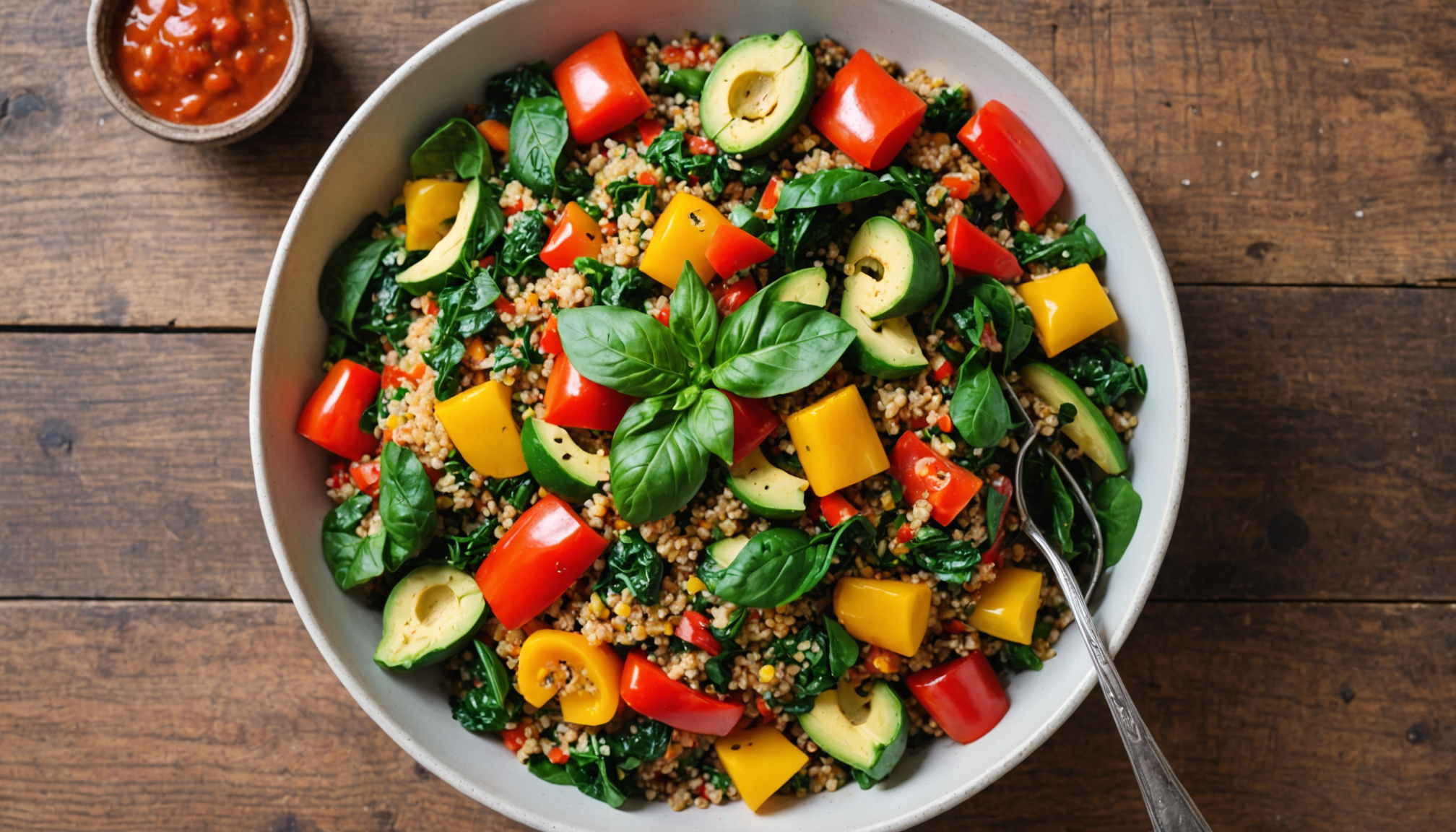
When it comes to creating quick and satisfying meals during busy weeknights, having a few go-to recipes and strategies up your sleeve can save both time and energy. Let’s dive into some ideas that fit perfectly into a healthy cooking routine, allowing you to enjoy wholesome meals without a fuss.
One essential aspect of quick weeknight dinners is versatility. Ingredients such as quinoa, brown rice, or even whole grain pasta can serve as versatile bases for a multitude of dishes. Try preparing a large batch of quinoa or brown rice at the beginning of the week; they can be easily reheated and paired with various toppings or sauces. A simple stir-fry with seasonal vegetables and a protein of your choice can be whipped up in under 20 minutes, creating a colorful and nutritious meal.
For those aiming to increase their intake of plant-based foods, consider vegetable-packed wraps or burritos. Start with a whole grain tortilla and fill it with sautéed veggies like bell peppers, zucchini, and spinach, along with some black beans or chickpeas for additional protein. Top it off with avocado for healthy fats and a dollop of salsa for a flavor kick. These hand-held meals can be prepped in advance and are perfect for nights when you’re short on time.
If you’re looking for something even quicker, sheet pan dinners can be a game-changer. Simply toss your choice of protein—chicken, fish, or tofu—on a baking sheet with a medley of seasonal vegetables. Drizzle with olive oil, season, and roast everything in the oven for about 30 minutes. This method not only reduces cleanup but also allows the flavors to meld beautifully while you take care of other tasks around the house.
Integration of seasonal produce is critical for healthy cooking, so keep an eye out for what’s available locally. Ingredients like sweet potatoes, kale, and squash not only provide various vitamins and minerals but also stay fresh longer, making them perfect for quick weeknight meals. Pair them with easy recipes like veggie-loaded soups or stews that can simmer on the stove or slow cooker throughout the day.
Another nifty trick for busy nights is to keep pre-cooked items on hand. Many grocery stores now offer organic food options such as precooked lentils or quinoa. These can be added to salads, wraps, or stir-fries, cutting your cooking time dramatically while retaining their nutritional value. Checking labels is crucial, however, so ensure these products contain no artificial additives or preservatives.
Don’t forget about the importance of healthy snacks! Keeping a stash of ready-to-eat options like hummus paired with veggies or fruit can help stave off hunger while you prepare dinner. Additionally, meal prepping some of your snacks for the week can aid in maintaining energy levels and prevent unhealthy snacking.
During your grocery trips or online shopping escapades, consider exploring bulk bins for staples such as oats, nuts, and dried fruits. They not only save you money but also cut down on packaging waste—a bonus for eco-conscious families. By following these practical tips and embracing the joy of cooking, weeknight dinners can go from rushed and stressful to enjoyable and fulfilling, helping you maintain a healthy, balanced lifestyle even on the busiest of days.
Seasonal Vegetables and Their Benefits
Seasonal vegetables are the stars of healthy cooking, bringing vibrancy and nutrition to your meals. Incorporating these fresh ingredients not only enhances flavor but also packs dishes with essential vitamins and minerals. Each season offers a unique variety of produce that can elevate your dishes, making meal planning exciting and dynamic.
In the spring, enjoy tender greens like asparagus, peas, and spinach. Asparagus is rich in vitamins A, C, E, K, and fiber, which makes it perfect for quick sautéing or roasting. Peas, bursting with sweetness, can be added to salads or blended into creamy soups. Spinach, loaded with iron and antioxidants, works beautifully in salads, omelets, or as a base for hearty grain bowls.
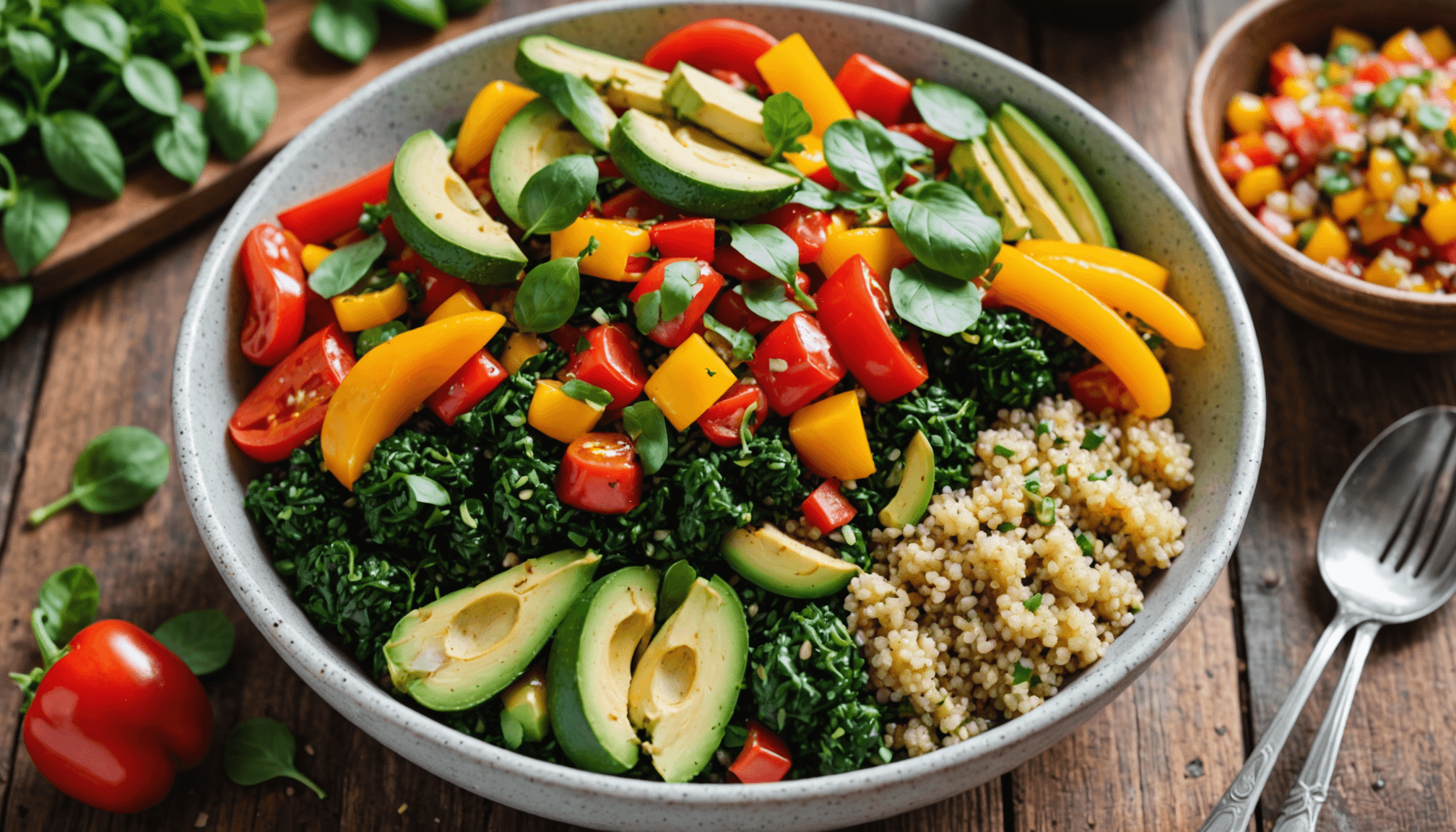
Summer brings an abundance of colorful vegetables. Zucchini, bell peppers, and tomatoes shine during this time. Zucchini can be spiralized as a low-carb alternative to pasta, while bell peppers add a crunch to salads or can be stuffed with grains and other fillings for a satisfying meal. Tomatoes, bursting with flavor and nutrients, can be sliced fresh in salads or cooked down into sauces, enhancing the overall taste of your dishes.
As we transition into fall, root vegetables take center stage. Carrots, sweet potatoes, and beets are not only hearty but incredibly versatile. Try roasting a medley of these vegetables with olive oil and herbs for a comforting side dish or incorporating them into soups and stews for added sweetness and nutrition. Sweet potatoes are particularly beneficial, offering high levels of beta-carotene and fiber, making them a filling base for bowls or as a healthy mash.
Winter introduces hearty greens such as kale and Brussels sprouts. Kale, a nutritional powerhouse, is perfect for salads, sautéing, or blending into smoothies. Brussels sprouts, when roasted, develop a delightful caramelized flavor that pairs well with a variety of proteins or can be tossed into grain salads for a warm side.
Being mindful of the seasons allows you to benefit from produce that is not only more flavorful but also less expensive since it is in great supply. As noted in a popular adage,
“Eat the rainbow!”
This concept encourages a diverse intake of fruits and vegetables, which can help ensure that you receive a broad spectrum of nutrients essential for good health.
When planning meals, consider how these seasonal vegetables can fit into your easy recipes. Use them as the base for stir-fries, soups, or grain bowls, letting their natural flavors shine. Whether you’re roasting, grilling, or sautéing, seasonal produce allows for flexibility in cooking, ensuring that healthy meals remain both satisfying and easy to prepare. Opt for local organic food whenever possible to maximize flavor and nutritional value, while supporting sustainable practices. This approach not only elevates your culinary experience but celebrates the bounty of nature throughout the year.
Tips for Efficient Meal Prep
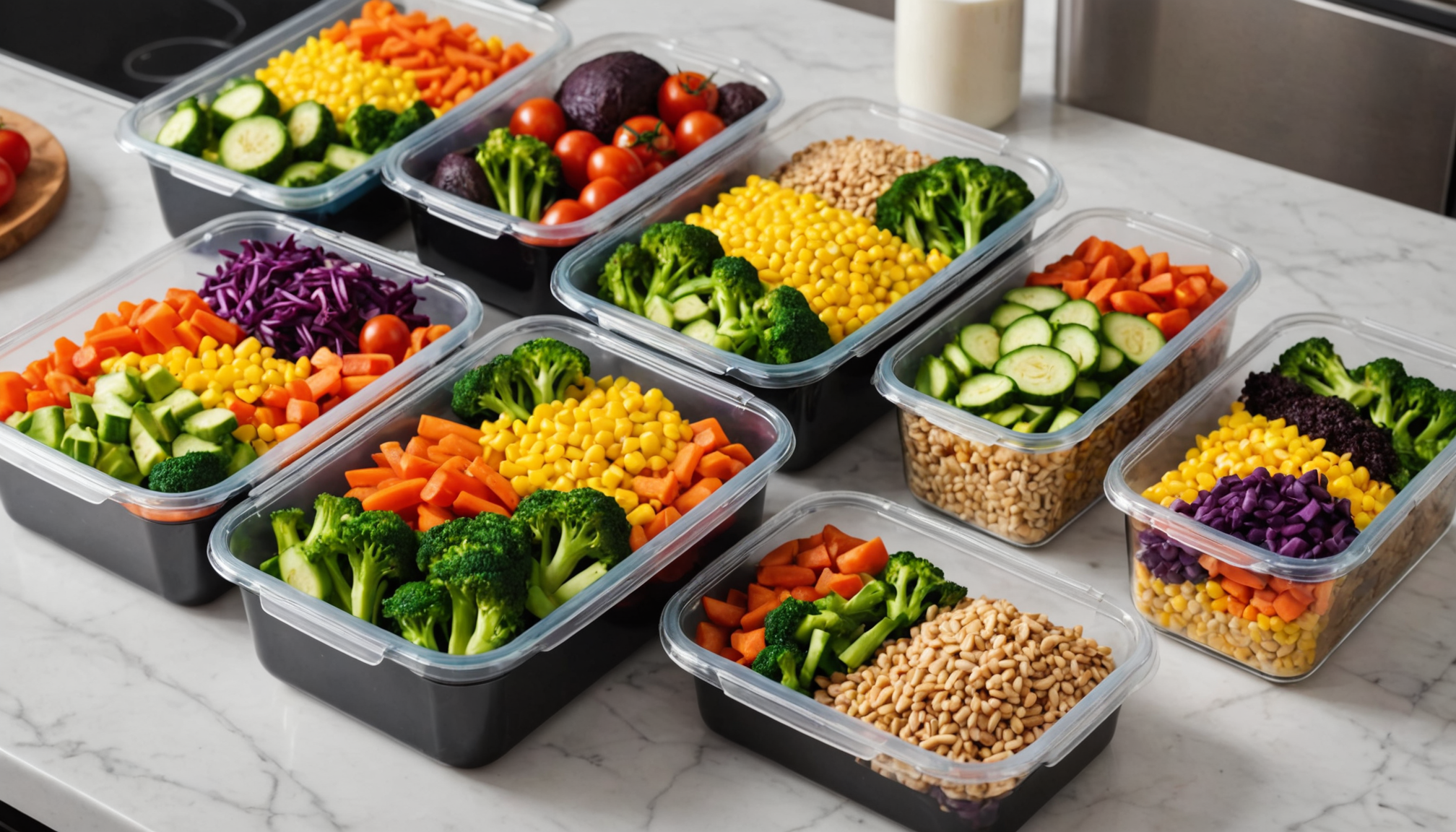
Efficient meal prep is the cornerstone of a successful and enjoyable cooking experience, especially when it comes to maintaining a healthy lifestyle. One effective strategy is to dedicate a specific time each week devoted to prepping meals and ingredients. This doesn’t have to be a lengthy endeavor; even just one to two hours can make a significant difference. Start by slicing vegetables, marinating proteins, or even cooking whole grains in bulk. Utilize containers that allow for easy stacking in your fridge, ensuring everything is organized and accessible when you’re ready to cook.
Another tip is to plan your meals around similar ingredients. This not only simplifies the grocery shopping process but also reduces food waste. If you buy a head of broccoli, consider using it in multiple dishes, whether it’s in a stir-fry, blended into a soup, or roasted as a side. This approach creates an efficient way to use your ingredients supportively while yielding varied and wholesome meals throughout the week.
Incorporating batch cooking into your routine is another useful tactic. Foods like soups, stews, and casseroles are perfect candidates for this method. Prepare a large pot of soup at the beginning of the week, portion it out, and store it in the fridge or freeze it for later. This way, you’ll always have a nourishing meal ready to go on those particularly busy nights.
Don’t overlook the power of lids and labels. Create a system where you label containers not only with the contents but also include the date prepared. This simple yet effective practice helps you keep track of freshness, allowing you to consume meals when they are at their best. Also, invest in good-quality, airtight containers to keep your food fresh and appetizing for longer.
Utilizing appliances like slow cookers or instant pots can drastically enhance productivity in the kitchen. These tools can help streamline cooking processes, allowing you to prepare meals with minimal hands-on time. For example, throw your ingredients into a slow cooker in the morning, and by dinner time, you’ll be greeted with a delicious, ready meal.
Finally, embrace the concept of “prep bowls.” Pre-chop fruits and vegetables at the beginning of the week so you can easily toss them into salads, smoothies, or snacks as you go. This way, healthy choices become more accessible, promoting a lifestyle of healthy eating while minimizing reliance on processed snacks.
By building these meal prep routines into your weekly schedule, you not only save time during your busy days but also make healthy cooking more enjoyable and less stressful. The idea of cooking does not have to feel like a chore; instead, it can be a joyful practice that supports your wellness journey.
- What are the benefits of meal prepping?
- Meal prepping can save you time during the week, help reduce food waste, and ensure you have healthy meals at your fingertips. It also encourages healthier eating habits by making nutritious options more accessible.
- What should I include in my meal prep?
- Your meal prep should include ingredients that can be versatile across multiple meals, such as grains, proteins, and a variety of vegetables. Focus on nutrient-dense foods that you enjoy eating.
- How do I keep prepped meals fresh?
- Use airtight containers and store meals in the fridge or freezer, labeled with the date they were prepared. This helps maintain freshness and allows you to track what needs to be used up first.
- Can I meal prep for the entire week?
- Yes! You can prepare several meals in one session; however, consider the perishability of certain ingredients. Cook main components that can be mixed and matched throughout the week.
- What if I don’t have much time for meal prep?
- Start small! Dedicate even just 30 minutes a week to prepare a few essentials, like chopped vegetables or grains. Over time, you can increase your prep time as it fits into your schedule.
- Are there easy recipes for meal prepping?
- Absolutely! Look for recipes such as grain bowls, stir-fried vegetables, and soups that can be made in batches and stored. These are not only simple to prepare but adaptable to your taste preferences.
- How can I make cooking less overwhelming?
- Planning and preparation are key. By organizing your shopping and cooking schedule, and prepping meals in advance, you can create a smoother and more enjoyable cooking experience.
Enjoying Leftovers: Creative Ideas
Leftovers often hold the potential for delightful culinary creativity, transforming a single meal into multiple new dining experiences. To avoid the monotony of bland reheated dishes, think outside the box and reimagine your leftovers in exciting ways.
A fantastic approach is to treat your leftover proteins—be it chicken, tofu, or beans—like a blank canvas. For instance, leftover grilled chicken can be diced and tossed into a zesty salad or wrapped up in whole grain tortillas for a quick burrito. Add some fresh greens and a splash of salsa to liven up the flavors. Alternatively, leftover roasted vegetables can be blended into a creamy soup by adding vegetable broth and a dash of seasoning; this method ensures you derive maximum nutrition from all your ingredients while minimizing waste.
Create a “leftover night” each week where everyone in the family gets to choose how they want to reinvent what’s left in the fridge. This can be particularly fun for children, encouraging them to express their culinary ideas and engage with healthy cooking. You may be surprised at the creative combinations they come up with! For example, leftover quinoa can be mixed with sautéed seasonal vegetables for a hearty stir-fry, topped with a splash of soy sauce or sesame dressing, making for an engaging and nutritious meal.
Don’t underestimate the power of adding fresh ingredients and herbs. A handful of cilantro or basil can elevate the flavors of leftover dishes immensely. For instance, a simple stir-fry utilizing leftover grains and veggies can be enhanced with a drizzle of sesame oil and a sprinkle of sesame seeds, showcasing the critical role that spices and herbs play in making meals exciting.
If you have a variety of leftovers, consider crafting a “frittata” or “casserole.” These dishes allow for diverse ingredients to come together into one dish, packed with mouthwatering flavors. Leftover veggies, beans, and grains combine beautifully in a frittata, baked until fluffy and golden. This is where you can pack in those seasonal vegetables, ensuring you maximize nutrition while having an easy, delicious meal ready for a busy night.
Moreover, getting creative with your leftovers can also be budget-friendly. Instead of treating them as single-use items, see them as versatile components that can stretch what you have into multiple meals throughout the week. For example, roasted vegetables from one night could be served alongside a quinoa salad the next, thus providing an affordable and diverse healthy eating plan.
Be mindful of safety with leftovers: store them in airtight containers and consume them within three to four days to maintain freshness. Marking containers with the date made can help you keep track. If you want to extend the life of certain dishes, consider freezing portions for later enjoyment, as many meals freeze exceptionally well, preserving both taste and nutrition.
As you look for inspiration to reimagine your leftovers, consider browsing some online resources for easy recipes that showcase leftover ingenuity. Websites and apps often provide innovative ideas for utilizing what you have on hand, allowing you to be creative without additional grocery costs.
New Customers Offer!
Free Gift for the new customer
$24 Value, When You Subscrib Visit Thrive Market