- Nutritional Benefits of Plant-Based Meals
- Ingredients to Stock Your Pantry
- Quick and Easy Dinner Recipes
- Hearty Salads for a Filling Meal
- Flavorful Sauces and Dressings
- Tips for Meal Prep and Planning
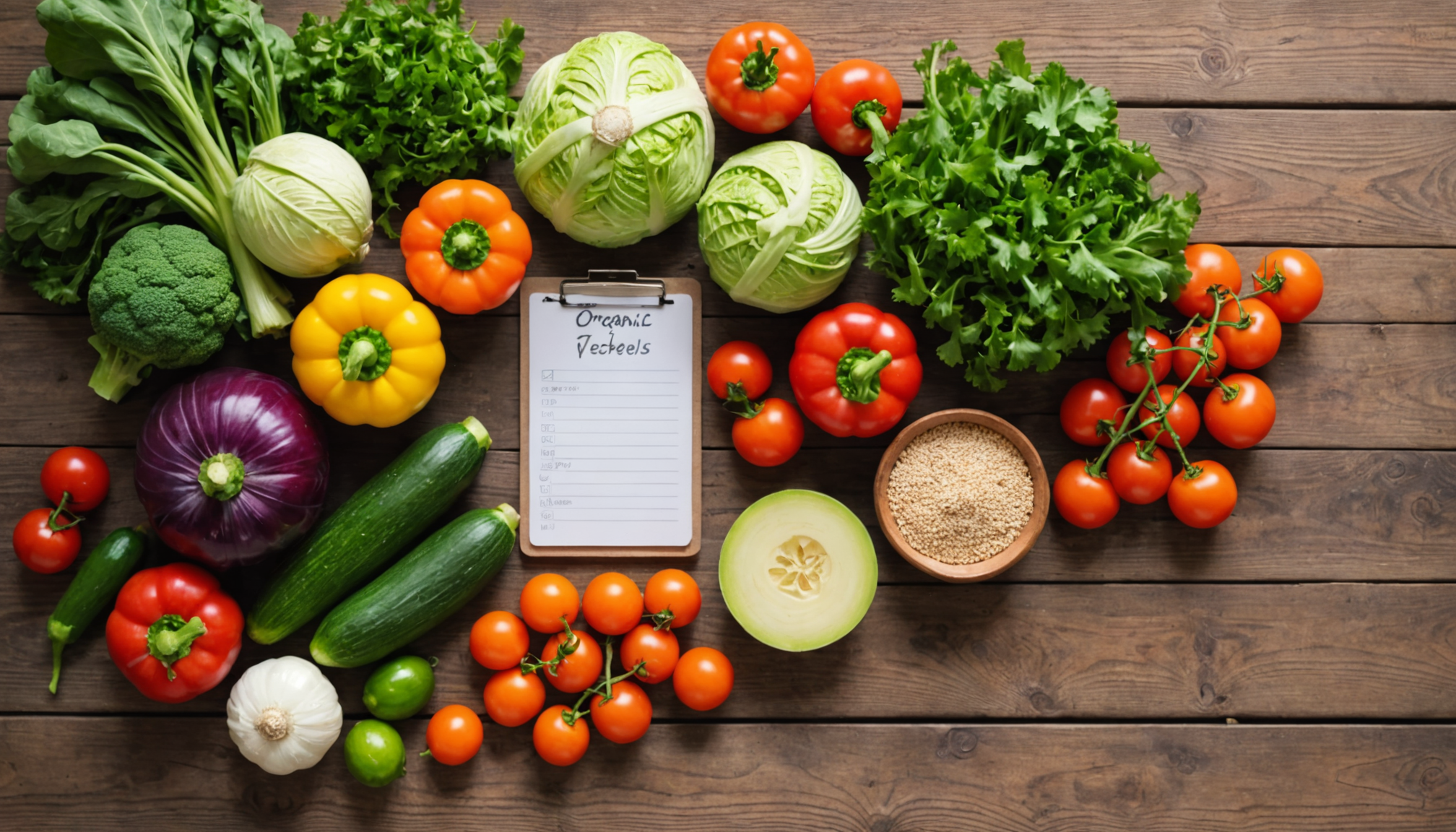
When it comes to grocery shopping for plant-based meals, being mindful of your selections can drastically impact both health and budget. One of the best strategies for ensuring you’re choosing nutritious and cost-effective food is to shop seasonally. Local farmers’ markets often offer a vibrant variety of fruits and vegetables at lower prices than traditional grocery stores, while also promoting the consumption of fresh, organic produce.
Prioritize your shopping list by focusing on produce that is in season. For example, in spring, look for asparagus and peas; in summer, focus on tomatoes and zucchini; and as fall approaches, pumpkin and kale come into abundance. Not only will these foods be fresher, but they also taste better, enhancing your meals significantly.
For budget-friendly options, consider purchasing frozen fruits and vegetables. They are harvested at peak ripeness and flash-frozen, locking in nutrients while often being less expensive than their fresh counterparts. When planning your meals, think about versatile whole grains like quinoa, brown rice, and farro, which can serve as foundations for various dishes. They are not only filling but also packed with protein and fiber.
When it comes to shopping for healthy dinners, don’t shy away from bulk bins. Items like lentils, beans, and nuts can often be purchased at a fraction of the cost compared to pre-packaged versions. Always check for sales or discounts on these items—they’re often nutritious staples in a plant-based diet.
As for your online shopping habits, ensure you choose reputable websites. Look for reviews or ratings before purchasing, especially when buying organic supplements or specialty ingredients like nutritional yeast or plant-based protein powders. Check for proper seals on packaging to ensure the items are safe and high quality. Remember, organic certification can vary, so becoming familiar with the brands you trust can make a huge difference.
Moreover, keep an eye out for local food co-ops or community-supported agriculture (CSA) programs in your area. They are wonderful opportunities to receive fresh, locally sourced organic produce regularly while supporting your community.
Lastly, always be mindful of safety and storage. When you bring your groceries home, store perishable items properly to prolong freshness—certain fruits and vegetables can actually contribute to the spoilage of others when stored together. In addition, follow food safety guidelines by washing produce thoroughly before consumption to eliminate any residual pesticides or contaminants.
Incorporating these tips into your grocery shopping routine can not only lead to a healthier diet but also more budget-friendly meals, making it easier to enjoy delicious and nutritious plant-based meals with your family.
Ingredients to Stock Your Pantry
To create a well-stocked pantry for plant-based meals, it’s crucial to have a variety of versatile ingredients that can be used across numerous recipes. This not only ensures that you make nutritious choices but also simplifies meal preparation and planning. Below is a detailed list of essential categories and specific items that should be considered staples in any plant-based kitchen.
| Category | Essential Items | Uses |
|---|---|---|
| Legumes | Lentils, Black Beans, Chickpeas, Kidney Beans | High in protein and fiber, perfect for soups, stews, and salads. |
| Grains | Quinoa, Brown Rice, Farro, Couscous | Whole grains provide essential nutrients and serve as a filling base for many dishes. |
| Nuts and Seeds | Almonds, Chia Seeds, Flaxseeds, Walnuts | Great for snacks, toppings, and adding healthy fats to meals. |
| Vegetables (Canned/Frozen) | Spinach, Tomatoes, Corn, Peas | Easy to include in various recipes without the worry of spoilage. |
| Oils and Vinegars | Olive Oil, Coconut Oil, Balsamic Vinegar, Apple Cider Vinegar | Essential for cooking, dressings, and marinades. |
| Herbs and Spices | Basil, Cumin, Turmeric, Oregano | Add flavor and nutritional benefits to dishes, enhancing the overall eating experience. |
| Condiments | Mustard, Soy Sauce, Nutritional Yeast, Tahini | Elevate simple meals, providing umami and creaminess without animal products. |
These categories encompass a wide range of ingredients that can be used in healthy dinners and organic cooking. Keeping a rotation of fresh fruits and vegetables is equally important. Fresh produce can be interchanged based on seasonality, allowing for maximum flavor and nutrition. When you have such a diverse collection of ingredients on hand, you can mix and match to create balanced meals consistently.
In addition, here are some additional tips for stocking your pantry effectively:
1. Buy in Bulk: Items like grains, beans, and nuts often come cheaper when bought in larger quantities, reducing overall cost.
2. Storage: Invest in clear jars and airtight containers for dry goods to keep them fresh and make it easier to find ingredients when you need them.
3. Plan Your Meals: Before grocery shopping, chart out your meal plan for the week, which makes it easier to determine which ingredients you require and avoids impulse purchases.
4. Versatility is Key: Opt for ingredients that can be used in multiple recipes, such as garlic and onions, which serve as foundational flavors in many dishes.
With a well-stocked pantry, creative cooking becomes second nature, as you can easily whip up satisfying and nutritious plant-based meals without the need for running to the store last minute. This preparation not only saves time but supports a healthier lifestyle packed with variety and flavor.
Quick and Easy Dinner Recipes
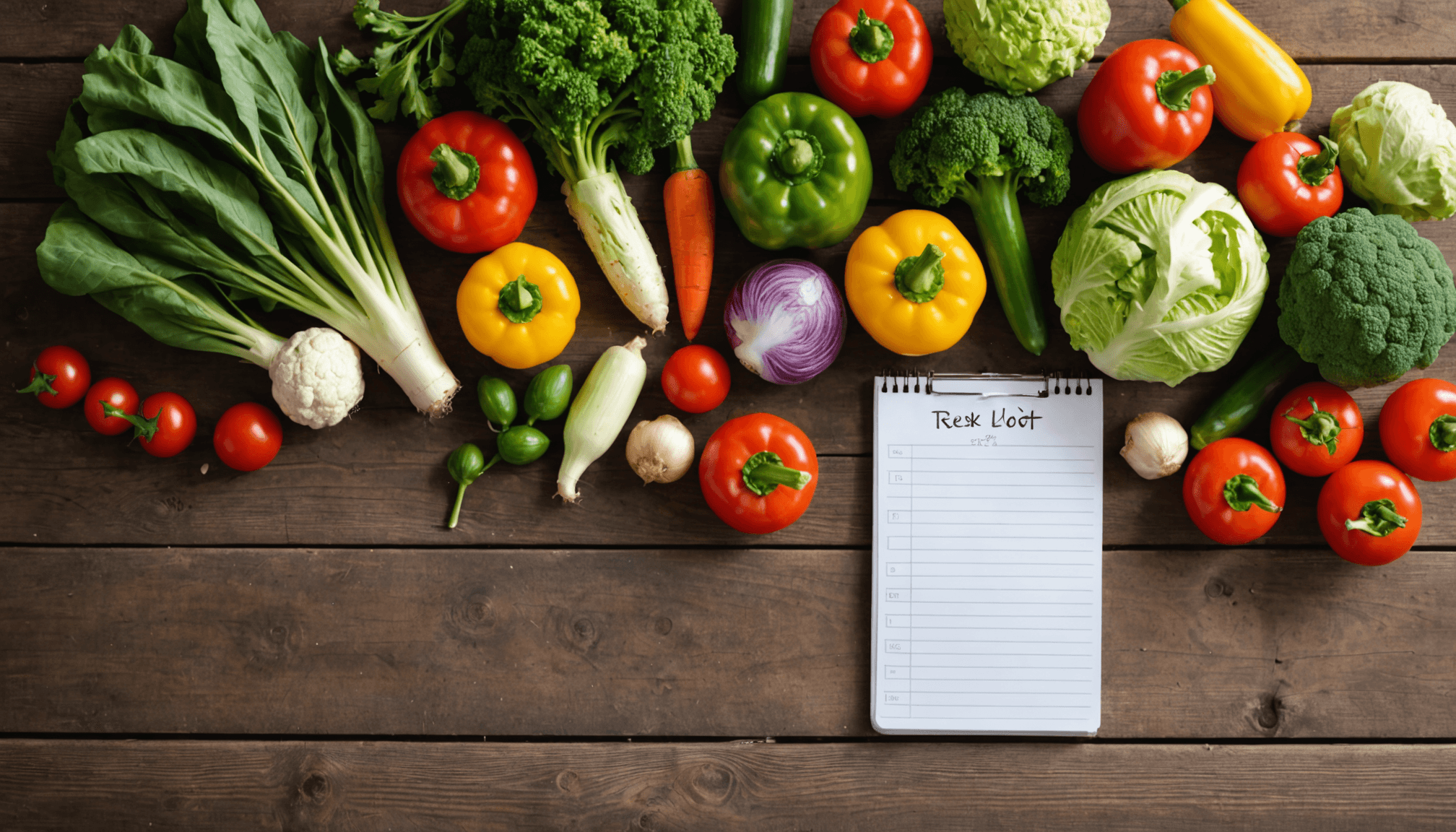
- When grocery shopping, always stay organized. Create a comprehensive list based on your meal plan to avoid buying unnecessary items. This not only saves time but also helps in sticking to your budget.
- Consider shopping at off-peak hours. Grocery stores tend to be less crowded during weekday mornings or early afternoons, allowing for a more relaxed experience where you can focus on selecting the freshest produce.
- Always check the expiration dates on perishable items like dairy alternatives, tofu, and canned goods. It’s important to choose products that will last longest at home, preventing food waste.
- Exploring bulk food stores can be a great way to find healthy options while saving money. You can often buy only what you need, reducing waste, and trying new ingredients without committing to a full package.
For those opting for online grocery shopping, make sure the retailer offers good customer service. If any issues arise with your order—such as damaged items or incorrect products—they should have a straightforward return or exchange policy in place. Always read customer reviews to ensure that other shoppers have had a positive experience.
When it comes to selecting organic foods online, look for certifications like the USDA Organic seal. This signifies that the product has met strict federal guidelines regarding organic farming practices. It’s crucial for maintaining the integrity and safety of your meals.
Avoid purchasing perishable items that require refrigeration if online shopping doesn’t guarantee proper delivery conditions. Opt for shelf-stable products instead, and save fresh items for in-store purchases to ensure you’re receiving the highest quality.
Don’t forget about the importance of sustainability in your choices. Invest in reusable produce bags and containers to minimize plastic waste. Many grocery stores now offer incentives for bringing your own bags, so be sure to take advantage of those programs.
Finally, incorporate local foods into your shopping routine. Support your local farmers by purchasing seasonal fruits and vegetables directly from them or at farmers’ markets. This not only enhances your meals with seasonal flavors but also fosters community connections, which is a valuable aspect of healthy living.
By adopting these grocery shopping tips, you can curate a healthy and exciting selection of ingredients for your plant-based meals, making every dinner a delightful experience for you and your family.
Hearty Salads for a Filling Meal
Salads can serve as a delicious and hearty base for a plant-based meal, offering endless possibilities for flavor and nutrition. Incorporating a variety of ingredients not only makes salads more satisfying but also turns them into visually appealing dishes that are sure to impress. Start with a robust base of greens, such as kale, spinach, or arugula. These greens are rich in vitamins A, C, and K, which contribute to overall health, making them an excellent foundation for your salad.
To add substance, toss in a mix of hearty vegetables. Roasted sweet potatoes, beets, or even grilled zucchini can bring depth to your dish. They not only provide texture but also introduce a range of nutrients. Roasting vegetables enhances their natural sweetness and flavor, making them an ideal addition to any salad.
Furthermore, legumes are excellent for boosting protein levels. Chickpeas, black beans, or lentils can turn a simple salad into a filling meal. For a delightful crunch and healthy fats, sprinkle a handful of nuts or seeds on top, such as walnuts, pumpkin seeds, or sunflower seeds. These ingredients enhance the mouthfeel and provide essential fatty acids that are vital for maintaining good health.
For added flavor, don’t forget to include fruits. Slices of avocado, roasted peaches, or even a handful of berries can elevate your salad significantly. The sweetness from fruit contrasts beautifully with the savory elements of the dish, balancing flavors and making each bite more enjoyable.
A great way to pull everything together is with a homemade dressing. Opt for vinaigrettes made with olive oil, apple cider vinegar, and your choice of mustard or herbs. This simple combination not only enhances the taste of your salad but is also free from preservatives and additives that you might find in store-bought versions.
As you mix and match ingredients, consider the overall balance of flavors and textures. Aim for a variety of colors and shapes, as this can make your meal visually stimulating and more appealing to eat. Keep experimenting with different combinations to find your favorites!
“Let food be thy medicine, and medicine be thy food.” — Hippocrates
Creating hearty salads can be a fun and creative process in the kitchen. They can serve as a centerpiece for organic cooking that satisfies not only your hunger but also your nutritional needs. Whether served as a main dish or a side, these vibrant salads will not only fill you up but keep you energized throughout the day.
Flavorful Sauces and Dressings
 Flavorful sauces and dressings can transform the simplest of dishes into culinary delights, particularly when it comes to preparing plant-based meals. The right sauce can enhance flavors, adding depth and vibrancy that elevate your dinners without compromising on health. Exploring homemade options not only allows for customization of flavors but also ensures control over ingredients.
A classic base for many sauces is the blend of nuts and seeds, which can create creamy textures without using dairy. A cashew cream or tahini dressing can be combined with herbs, garlic, and lemon juice to whip up a zesty sauce that pairs beautifully with roasted vegetables or drizzled over grains. Additionally, consider utilizing ingredients such as miso, nutritional yeast, or tamari to introduce umami flavors, essential for creating satisfying meals.
Vinaigrettes, simple and versatile, can be easily crafted by combining olive oil with various vinegar types, such as balsamic or apple cider. Dressing your hearty salads or marinating your vegetables with these vinaigrettes can add both brightness and tanginess, making each bite a refreshing experience. You can personalize these blends by incorporating mustard, maple syrup, or fresh herbs to cater to your taste preferences.
For more complex flavor profiles, think about creating sauces with roasted veggies or herbs blended into a puree. A roasted red pepper sauce, for instance, can provide a smoky, rich flavor that works wonderfully with pasta dishes or as a dip for veggies. You might also explore options like chimichurri or pesto made from basil, cilantro, or even kale for a nutrient boost, adding an inviting green element to your dishes.
Timing also plays a critical role when crafting sauces. Preparing them in advance allows the flavors to meld, resulting in more potent tastes. Keep jars of your favorite homemade dressings in the fridge; they can be used throughout the week to easily spruce up any meal.
Embracing diverse flavors in your sauces not only enhances your dining experience but also fills your kitchen with creative potential. As you begin to mix and match ingredients, think about how each element contributes to the overall meal. It’s not just about taste; it’s about nourishing your body and expanding your culinary repertoire.
- What are the health benefits of plant-based sauces and dressings?
- Plant-based sauces and dressings often contain fewer preservatives and unhealthy fats compared to their store-bought counterparts, allowing you to control the ingredients. They can be rich in nutrients when made with whole foods like nuts, seeds, and fresh vegetables.
- How can I make my sauces more flavorful?
- Experiment with herbs, spices, and different types of vinegars or citrus juices to enhance flavor profiles. Roasting garlic or adding roasted vegetables can also bring out more depth in your sauces.
- Are there easy recipes for homemade salad dressings?
- Absolutely! A simple vinaigrette can be made by mixing three parts oil to one part vinegar, and adding your favorite spices or mustard. You can also blend tahini with lemon juice and water for a creamy dressing.
- Can I prepare sauces in advance?
- Yes, many sauces can be made ahead of time and stored in the refrigerator for a week or more. Preparing them in advance allows flavors to develop and makes meal prep easier.
- What are some common ingredients to use in plant-based sauces?
- Nuts, seeds, garlic, mustard, vinegars, citrus juices, and fresh herbs are great starting points for creating depth and flavor in your sauces. Consider using soy sauce or miso for added umami.
- How do I store homemade sauces?
- Store homemade sauces in airtight containers or jars in the refrigerator. Make sure they are labeled with the date made to ensure freshness, and most should be consumed within a week.
- Can I use sauces for marinating vegetables or proteins?
- Yes, homemade sauces can be used as marinades for vegetables, tofu, or even plant-based proteins. They help to infuse flavors and enhance the overall taste of your meals.
Tips for Meal Prep and Planning
When it comes to meal prep and planning, you’re not just organizing your week; you’re setting the stage for healthy dinners that can invigorate your family’s dining experience. Begin with a solid plan that outlines what you want to prepare for the week. It can be as simple as jotting down recipes that excite you or creating a meal calendar that incorporates seasonal produce, allowing you to capitalize on freshness and flavor.
Make sure to allocate a shopping day to gather all the items you need. If you’re shopping at a store, it’s beneficial to shop the perimeter first, where fresh produce, legumes, and whole grains are typically located. This approach ensures that you prioritize wholesome ingredients over processed options found in the middle aisles. Consider making a budget by estimating the costs of your planned recipes to prevent overspending.
For those with busy lifestyles, batch cooking is a game-changer. Dedicate a few hours on a weekend to prepare components for your meals, like cooking a larger batch of grains or roasting multiple trays of vegetables. This allows you to mix and match items throughout the week without repeated effort. Portion each meal and store it in air-tight containers, labeling them with dates for freshness. When meals are prepped, it takes the stress out of ‘what’s for dinner’ when time is short during the week.
Utilizing your freezer can also enhance your cooking strategy. Consider freezing portions of soups, stews, or sauces that can easily be reheated. This not only extends the lifespan of your meals but also provides the convenience of having a healthy option ready to go. Make sure to invest in good quality freezer bags or glass containers designed for freezing to avoid freezer burn.
During your weekly grocery run, lean toward organic produce whenever possible. Organic foods are often free from pesticides and other harmful chemicals, making them a better choice for health-conscious families. Additionally, while browsing the aisles—whether online or in person—be on the lookout for items with clear labels that outline nutritional values. Avoid foods loaded with additives and preservatives, and instead, choose natural products that list fewer ingredients.
It’s also wise to plan meals that use similar ingredients throughout the week. For example, if you buy a large bunch of kale, try to incorporate it into several meals—perhaps in salads, smoothies, and as a sautéed side dish. This not only minimizes waste but ensures you get the most nutrition out of each item you purchase.
When meal planning, remember the importance of flexibility. Sometimes life throws unexpected events your way. Be prepared to swap meals as necessary, allowing for spontaneous dinner nights or social outings that may disrupt your initial schedule. Keeping it fun and stress-free is essential for sustainable meal prep.
For those who prefer shopping online, always choose trustworthy platforms with good reputations. Look for customer reviews and ensure that the site prioritizes quality and safety in handling food items. When ordering perishables, select vendors that ensure items are shipped with temperature control to maintain freshness. Keeping an organized list of items as you shop online can help you stay focused and limit unplanned purchases, which can add up quickly.
By adopting these meal prep and planning techniques, you’ll enhance your experience of organic cooking while simplifying the process of preparing plant-based meals for your family. With a bit of organization and creativity, you can look forward to nutritious dinners that everyone will enjoy!
New Customers Offer!
Free Gift for the new customer
$24 Value, When You Subscrib Visit Thrive Market