- Nutritional Benefits of Low-Carb Diets
- Essential Ingredients for Organic Dinners
- Quick and Easy Low-Carb Recipes
- Meal Prep Tips for Busy Weeknights
- Creative Ways to Enjoy Vegetables
- Family-Friendly Low-Carb Dinner Ideas
When it comes to grocery shopping for low-carb meals, being strategic can make a significant difference in not only the quality of your food but also the overall shopping experience. Start by making a list of essential items before you step out or log in to your favorite online grocery store. Knowing what you need reduces impulse buys and helps stick to your health goals.
When purchasing fresh produce, prioritize organic fruits and vegetables. They are free from harmful pesticides and often pack more nutrients than their conventionally grown counterparts. Shops that participate in local farmer’s markets are fantastic for sourcing fresh, seasonal produce at great prices. Check out community-supported agriculture (CSA) programs in your area to receive a weekly box of organic goodies directly from a local farm.
For protein sources, consider lean cuts of meat, poultry, and fish that are either grass-fed or wild-caught, as these options are generally healthier and free from excess hormones and preservatives. If you are vegan or vegetarian, stock up on plant-based proteins like lentils, chickpeas, and tofu, which are excellent for creating filling, low-carb meals. Incorporating nutrient-dense foods like nuts and seeds can also keep your meal prep exciting and varied. Look for budget-friendly options like frozen, undressed vegetable mixes, which tend to be both affordable and nutritious.
When online shopping, pay attention to the labels. Most websites provide detailed nutrition info, making it easier to avoid added sugars and unwanted carbs. Stick to reputable sites to ensure that they handle food safety appropriately, particularly for perishable items. Always check reviews and opt for vendors that have transparent sourcing practices. If possible, look for stores that offer organic products with clear labels, especially when it comes to packaged items. Ingredients like almond flour, coconut flour, and other low-carb alternatives can often be found at competitive prices online if you’re buying in bulk.
As for pantry staples, stock up on low-carb baking essentials, spices, and condiments carefully. Items like apple cider vinegar, olive oil, and various herbs can transform your meal prep without boosting carb counts. Lastly, always be mindful of expiration dates and storage conditions to ensure safety and freshness, especially for your organic recipes. Following these simple tips can make grocery shopping an easier, healthier, and more enjoyable task for busy families and fitness enthusiasts alike.
Essential Ingredients for Organic Dinners
Incorporating essential ingredients into your low-carb organic dinners not only enhances the nutritional profile of your meals but also adds dimension and flavor, making clean eating a delightful experience. Focusing on whole foods that are both organic and low in carbohydrates is key to achieving a balanced meal that supports overall health.
When shopping for low-carb meals, it’s crucial to select high-quality proteins that can serve as the foundation of your dinner. Organic, free-range chicken and pasture-raised beef are excellent choices, as they are typically richer in omega-3 fatty acids and contain fewer additives compared to conventional meats. Fish, especially fatty varieties like salmon and mackerel, are not only low in carbs but also provide essential nutrients like vitamin D and omega-3 oils.
For those who prefer plant-based proteins, consider incorporating options such as organic tempeh, edamame, and a variety of legumes, which can be used in moderation due to their higher carb content. Additionally, nuts and seeds, like chia seeds and almonds, serve as great sources of healthy fats and protein, contributing texture and a satisfying crunch to your meals.
Fruits and vegetables are cornerstones of any organic recipe. Focus on those that are low in sugar and high in fiber. Leafy greens such as spinach, kale, and arugula not only provide essential vitamins and minerals but also make for versatile bases in salads and stir-fries. Cruciferous vegetables, including broccoli, cauliflower, and Brussels sprouts, are excellent for roasting or steaming, providing both flavor and health benefits without increasing carb counts significantly.
A comprehensive selection of herbs and spices is essential for enhancing the flavor profile of low-carb organic dinners. Fresh herbs like basil, cilantro, and parsley can elevate simple dishes, while spices such as cumin, turmeric, and paprika can add warmth and complexity without compromising health goals.
Below is a comparison table of key ingredients commonly used in organic low-carb recipes, highlighting their benefits:
| Ingredient | Type | Nutritional Benefits | Usage |
|---|---|---|---|
| Organic Chicken | Protein | High in protein, low in carbs, and provides essential B vitamins | Grilled, baked, or sautéed in stir-fries |
| Leafy Greens | Vegetable | Rich in vitamins A, C, and K, and low in calories | Salads, sautés, or smoothies |
| Almond Flour | Baking Alternative | Low-carb and gluten-free, providing healthy fats | Baking keto-friendly bread and coatings |
| Chia Seeds | Seed | High in fiber and omega-3 fatty acids, promoting fullness | Added to smoothies, puddings, or as an egg substitute |
| Wild-Caught Fish | Protein | Rich in omega-3 fatty acids and low in saturated fat | Grilled, baked, or used in salads |
| Olive Oil | Fat | Heart-healthy unsaturated fats and antioxidants | Dressing for salads and cooking medium |
By strategically selecting these ingredients, you can ensure that your low-carb organic dinners are not only nutritious but also deeply satisfying. It’s all about creating a balance that aligns with your dietary preferences and lifestyle, while also embracing the natural flavors of organic produce.
Quick and Easy Low-Carb Recipes
When it comes to preparing quick and easy low-carb meals, creativity and convenience can go hand in hand. One of the best ways to ensure that healthy eating fits into even the busiest of lifestyles is to keep your pantry stocked with versatile and nutritious staples. This allows for spontaneous meal creations without the stress of last-minute shopping trips.
Start with the basics: low-carb vegetables should be a mainstay in your kitchen. Items like zucchini, cauliflower, and bell peppers can be transformed into a variety of dishes, from stir-fries to zoodles, which replace traditional pasta. To save time, consider purchasing these items pre-chopped or using frozen options to reduce prep work while still enjoying fresh, organic recipes. When you’re shopping, always reach for vibrant produce, as this typically indicates freshness and nutritional value.
Next, don’t underestimate the power of quick-cooking proteins. Canned beans and tofu are excellent when prepared correctly but remember they can have higher carb counts, so moderation is key. Opt for canned options that are low in sodium to keep the meals healthy. For non-vegans, foods like rotisserie chicken can be a lifesaver, offering protein without requiring extensive cooking. Just be sure to check that the seasoning is low in sugar and carbs—some brands may add unexpected ingredients!
Building meals around pantry staples can also enhance your efficiency. Stock up on low-carb alternatives like almond flour, coconut flour, and nutritional yeast for quick baking or breading needs. Olive oil and apple cider vinegar are pantry must-haves for dressings and marinades—you can whip up a quick vinaigrette in no time. By making a habit of preparing dressings in advance, you can keep healthy options available for salads or steamed vegetables throughout the week.
Here are some simple quick meal ideas that align with low-carb eating:
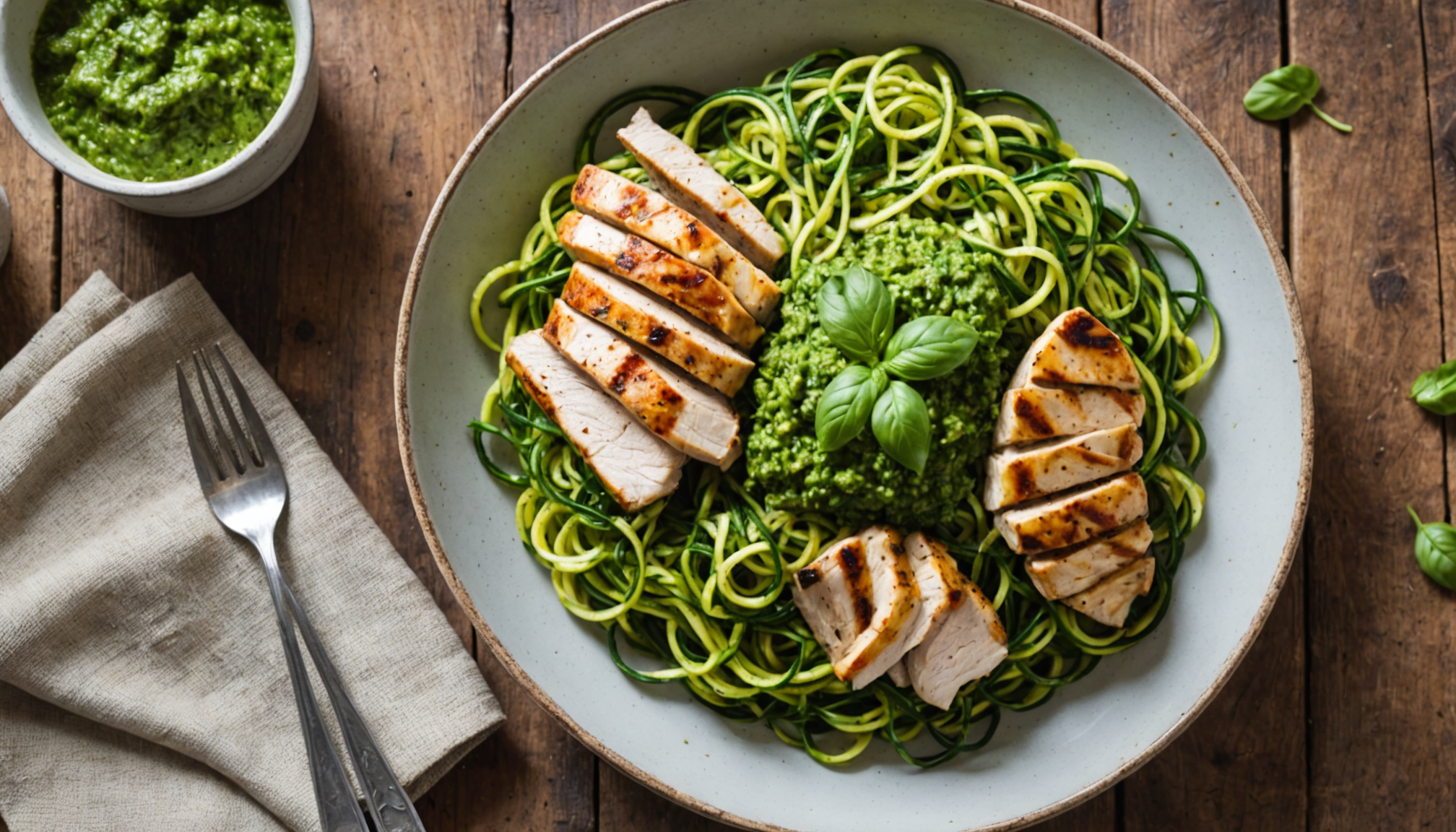
- Zucchini Noodles with Pesto: Spiralize or sauté zucchini, toss with homemade or store-bought pesto, and top with grilled chicken or tofu.
- Cauliflower Fried Rice: Substitute cauliflower rice for traditional rice; sauté with your favorite vegetables and a protein source for a filling meal.
- Egg Muffins: Whisk eggs with spinach, tomatoes, and cheese (or dairy-free alternatives), pour into muffin tins, and bake for portable breakfast options.
- Avocado Tuna Salad: Mash avocado and mix it with canned tuna, diced celery, and lemon juice for a quick lunch that’s rich in healthy fats.
Online shopping for your low-carb ingredients can also be highly beneficial. When purchasing online, ensure you read reviews and opt for sellers that guarantee freshness, particularly with perishables. Look for bulk deals on ingredients like nuts and seeds which can often be more affordable. When possible, seek out stores that provide organic certifications and transparency regarding sourcing practices. This not only assures quality but also aligns with your clean eating goals.
Additionally, when shopping offline, consider visiting local health food stores or farmers’ markets. Not only can you find organic and fresh foods, but you often have the opportunity to ask questions about the source and the handling of the ingredients. Build relationships with vendors to discover seasonal offerings that can elevate your low-carb meals while also supporting local agriculture.
By implementing a few simple strategies, such as meal prepping on weekends and creating a versatile pantry, you can easily whip up nourishing and delicious low-carb dishes during your busy weekdays. The key lies in preparation, quality ingredients, and a dash of creativity that makes healthy eating a delightful part of your family’s routine!
Meal Prep Tips for Busy Weeknights
Planning ahead is essential for those navigating the demands of a busy week while adhering to a low-carb lifestyle. One effective strategy is to dedicate time on the weekends for meal prep, which can foster stress-free evenings when time is limited. Begin by choosing a few versatile recipes that utilize seasonal ingredients, allowing you to prepare meals that are fresh and rich in nutrients.
Set aside a few hours on Sunday to chop vegetables, marinate proteins, and prepare any sauces or dressings that can add flavor to your dishes throughout the week. Prepping items like cauliflower rice, spiralized zucchini, or roasted vegetables creates a base you can layer with proteins or sauces, ensuring variety and satisfaction in your meals. By organizing your ingredients in clear containers, you make it easy to see what you have on hand, preventing any unnecessary waste and simplifying the cooking process.
Investing in quality storage containers is another worthwhile aspect of meal prepping. Choose airtight containers that can be used for both refrigerator and freezer storage. Label each container with the contents and the date it was prepared to keep track of freshness. Portioning out meals in advance not only helps with calorie control but also provides convenient grab-and-go options for hectic days.
Implementing a rotating meal schedule can also streamline your week. Designate certain days for various types of meals—Meatless Mondays, Taco Tuesdays (using lettuce wraps instead of tortillas), or Stir-Fry Wednesdays. This approach adds structure to your meal planning and encourages the use of a wider variety of ingredients, ultimately enhancing your overall nutrient intake.
Don’t overlook the power of simple snacks to round out your day. Prepare low-carb snacks in advance to keep yourself energized, such as sliced veggies with hummus, hard-boiled eggs, or cheese and nuts. Having these items readily available can mitigate the temptation of unhealthy snacking when you’re pressed for time.
“By failing to prepare, you are preparing to fail.” – Benjamin Franklin
Another tip is to enlist your family to assist with meal prep. Delegate age-appropriate tasks, such as washing vegetables, arranging the table, or even helping with kitchen clean-up. This not only fosters teamwork but also instills valuable cooking skills in children, making them more likely to embrace clean eating habits.
Lastly, consider batch cooking meals that can stretch across several days or be frozen for later use. For instance, soups, stews, and casseroles generally freeze well and can provide comforting, low-carb options on nights when you need a hearty meal without the fuss.
By methodically organizing your meal prep routine and making use of batch cooking, you can ensure that your low-carb meals remain a priority, even during the busiest of weeknights. With these preparations in place, the transition to healthier eating becomes a seamless part of everyday life, allowing you to savor the benefits of organic recipes without feeling overwhelmed.
Creative Ways to Enjoy Vegetables
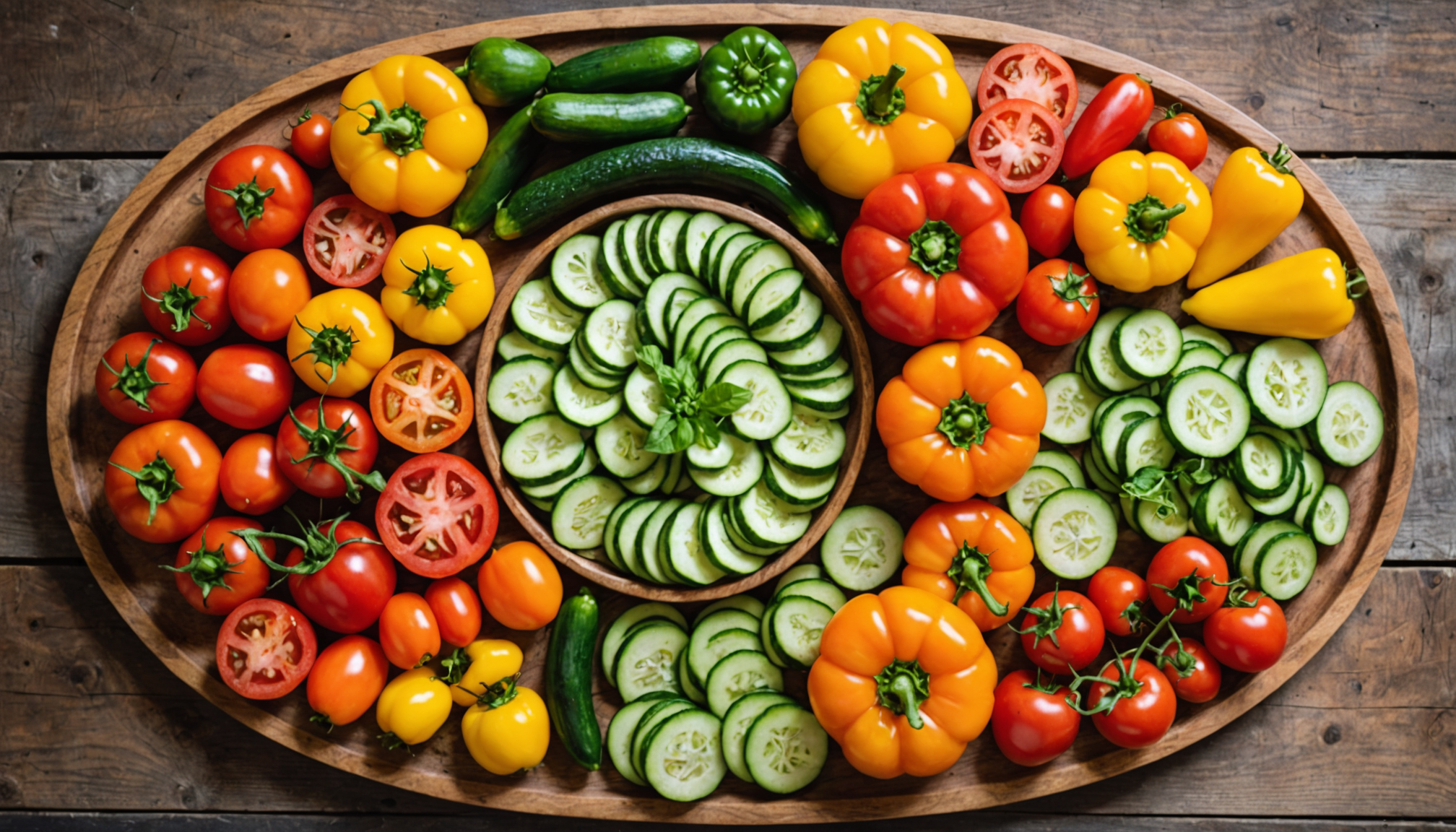 Vegetables often take center stage in low-carb meals, but getting creative with their preparation and presentation can significantly elevate your dining experience. Imagine transforming ordinary vegetables into extraordinary dishes that excite both your palate and your plate. One way to creatively enjoy vegetables is by experimenting with various textures and cooking methods. For instance, roasting broccoli or Brussels sprouts with a drizzle of olive oil and a sprinkle of salt can bring out their natural sweetness and create a satisfying crunch that’s hard to resist. Alternatively, you might spiralize zucchini into zoodles or shred cauliflower into rice, serving as an exciting base for your favorite sauces and proteins.
For those looking to add depth to their low-carb meals, consider experimenting with seasonal vegetables. Create a vibrant vegetable tatin using thinly sliced eggplant or squash, layered inside a flaky almond flour crust. This not only provides visual appeal but also introduces unexpected flavors. You can make delicious stuffed bell peppers filled with a mixture of sautéed vegetables, herbs, and organic quinoa for a nutrient-dense option that’s as delightful to taste as it is to look at.
Another delightful approach is to incorporate more plant-based options into your dinner. Think roasted vegetable medleys tossed with spices like smoked paprika or cumin for an added flavor boost. Try blending avocados with garlic and lemon, which can be used as a dip for crudités or as a spread on low-carb wraps instead of traditional spreads high in carbohydrates. This not only adds healthy fats to your meals but also creates layers of flavor.
For those who appreciate a little heat, adding chilies or spices such as cayenne or chili powder can invigorate any vegetable dish. When sautéing or stir-frying vegetables, incorporate freshly grated ginger or garlic for an aromatic element that enhances every bite. Even pickling vegetables, like carrots or radishes, can introduce a tangy kick that balances heartier low-carb proteins beautifully.
Think about the shapes and colors on your plate too—these can influence appetite and enjoyment. A rainbow of colors is not just appetizing but also indicative of a variety of nutrients. Arrange sliced cucumbers, heirloom tomatoes, and bell peppers on a platter for a colorful, low-carb salad that can stand alone or complement a main dish.
When exploring new ways to enjoy vegetables, stay open to experimenting and combining flavors that are unexpectedly delightful. The world of low-carb cooking is rich with inspiration and potential, urging you to step outside conventional boundaries and embrace the artistic side of clean eating.
- Why should I consider a low-carb diet?
- A low-carb diet can lead to weight loss and improved metabolic health by reducing insulin levels and promoting fat burning. It often includes more whole foods and less processed ingredients, supporting better overall nutrition.
- Are organic vegetables really healthier?
- Organic vegetables are grown without synthetic pesticides and fertilizers, which can result in lower levels of harmful chemicals. They may also provide higher antioxidant content, adding to their nutritional benefits.
- Can I enjoy low-carb meals without feeling deprived?
- Absolutely! By getting creative with ingredients and cooking methods, you can create satisfying low-carb meals that are rich in flavor, texture, and variety. Emphasizing vegetables can make meals both nutritious and enjoyable.
- How can I incorporate more vegetables into my meals?
- To add more vegetables to your meals, focus on incorporating them into every dish. Use them as substitutes for higher-carb ingredients, mix them into proteins, or serve them in creative salads and sides for added nutrition.
- What are some low-carb snacks I can prepare?
- Healthy low-carb snack options include sliced veggies with hummus, cheese-stuffed mushrooms, and hard-boiled eggs. Pairing nuts or seeds with a small serving of dark chocolate can also satisfy cravings without a carb overload.
- How do I ensure that I’m eating enough fiber on a low-carb diet?
- Incorporate fiber-rich, low-carb vegetables such as leafy greens, broccoli, and avocados into your meals. You can also include seeds or nuts, which are excellent sources of fiber and healthy fats.
- Can I still enjoy pasta on a low-carb diet?
- Yes! Consider substituting traditional pasta with low-carb alternatives like zucchini noodles or spaghetti squash. These options provide a similar texture and can be paired with your favorite low-carb sauces for a delicious meal.
Family-Friendly Low-Carb Dinner Ideas
When it comes to putting together family-friendly low-carb dinners, a little creativity can go a long way in ensuring everyone leaves the table satisfied. Engaging kids in the cooking process can make meals more appealing and fun. Start by empowering them to help with meal prep—allow room for them to choose which vegetables to include, and watch as they take pride in helping create healthy organic recipes that they’ll be excited to eat!
One approach is to create a “build-your-own” dinner night. Set up a taco or lettuce wrap station using fresh, organic ingredients like seasoned grilled chicken or tempeh, along with an array of toppings such as diced tomatoes, avocado, shredded cheese, and colorful bell peppers. Families can have a blast customizing their meals while staying within low-carb guidelines. This method also promotes the consumption of a variety of vegetables, leading to a well-rounded meal.
Another easy idea is to one-pan dinners that minimize cleanup efforts while maximizing flavor. For instance, try a sheet pan of roasted chicken thighs paired with vibrant seasonal veggies, like asparagus, carrots, and zucchini. Toss everything in olive oil, garlic, and your favorite herbs, then roast until beautifully caramelized. Not only does this method bring out the best in each ingredient, but it also highlights the importance of whole foods in clean eating.
Consider adding more creative sides to balance your family dinners. For example, cut cauliflower into steaks, season with a spice blend, and grill them to hold their shape. A smear of homemade herb pesto can offer added flavor while keeping the meal low in carbohydrates. Incorporate your children’s favorite proteins—whether that’s fish, chicken, or legumes— and pair them with hearty veggie-based sides for a fulfilling meal.
Don’t forget to introduce fun, visually striking dishes like vegetable skewers! Using colorful veggies like cherry tomatoes, bell peppers, and mushrooms, let the kids help assemble their own skewers, which can then be grilled or roasted for a delightful addition to any picnic or backyard BBQ dinner.
For meal planning efficiency, don’t shy away from leftovers. If you make a double batch of a low-carb casserole or soup, not only do you save time later in the week, but you also create satisfying lunches that can help maintain your family’s eating habits. Store them in grab-and-go containers for quick access during busy days.
Lastly, when shopping for fresh ingredients, make use of local farmers’ markets or community-supported agriculture (CSA) programs that might give you access to a wider range of organic produce at reasonable prices. This is a great way to introduce children to new vegetables they might not normally taste, and it supports local farmers.
By engaging the family in the cooking process, opting for interactive meal formats, and making use of fresh, organic ingredients, you can create delicious, family-friendly low-carb dinners that not only adhere to dietary goals but also foster a love of healthy eating. Remember, the key to appealing meals is variety, balance, and a touch of creativity, empowering your family to enjoy wholesome foods together!
New Customers Offer!
Free Gift for the new customer
$24 Value, When You Subscrib Visit Thrive Market