- Healthy organic ingredients for dinner
- Simple cooking techniques
- Quick dinner recipes
- Meal prep tips for busy weeknights
- Nutritional benefits of organic meals
- Variations for dietary preferences
When it comes to filling your cart with healthy organic ingredients, a bit of strategy can go a long way. Start by making a list of essential items that serve as the backbone of your meals. Think leafy greens like kale and spinach, which are not only rich in vitamins but also versatile enough to be used in salads, smoothies, or stir-fries. Don’t forget to include a variety of colorful vegetables such as bell peppers, carrots, and sweet potatoes; they add both nutrition and vibrancy to your dishes.
For protein sources, consider incorporating organic beans, lentils, and quinoa, which are not only great for plant-based diets but also budget-friendly. If you’re leaning towards animal products, look for organic chicken or grass-fed beef, which generally contain fewer hormones and antibiotics. Seafood lovers should always opt for sustainably sourced fish, like wild-caught salmon or sardines, which are high in omega-3 fatty acids and essential for heart health.
While shopping, keep an eye out for seasonal produce. Not only is this often more affordable, but it also supports local farmers. Visiting farmer’s markets is a fantastic way to find fresh, organic fruits and vegetables while engaging with your community. You’ll likely find unique varieties not available in supermarkets.
When purchasing packaged goods, make sure to read labels carefully. Look for *minimal ingredients* and avoid products loaded with artificial preservatives, flavors, and colors. Ingredients like maple syrup or raw honey can serve as excellent natural sweeteners instead of refined sugars.
As for vegan options, nut-based milks, tofu, tempeh, and a variety of nuts and seeds are excellent choices. They not only provide healthy fats but are also an excellent source of protein, essential for building and repairing tissues.
When shopping online, select retailers known for their commitment to quality organic products. Websites specializing in organic and health foods are often a treasure trove of deals. Be sure to check for certifications, such as the USDA Organic seal, to ensure the products meet high safety standards.
Budget-conscious shoppers should prioritize buying in bulk for ingredients you regularly use. This often reduces the cost per unit and is especially effective for grains, nuts, and dried beans. Additionally, consider creating a pantry stocked with staples like olive oil, canned tomatoes, and spices to enhance your easy recipes without frequent trips to the store.
Always keep food safety in mind. Wash your fresh produce thoroughly and store your foods properly to maximize their shelf life. Remember that when it comes to healthy cooking, the quality of your ingredients is just as important as the preparation methods you choose.
Simple cooking techniques
Using simple cooking techniques can significantly enhance your efficiency and enjoyment in the kitchen, especially when preparing healthy organic meals. Many of these techniques are quick, allowing you to whip up delicious dinners in no time. Mastering methods like steaming, sautéing, and grilling not only preserves the nutrients in organic food but also brings out their natural flavors.
Steaming is an excellent technique for maintaining the integrity of vegetables, allowing them to retain their vibrant colors and crunchy textures. For instance, leafy greens like kale or spinach can be lightly steamed and then tossed with a splash of lemon juice and a sprinkle of sea salt for a refreshing side dish. Steaming also works wonders for root vegetables, which can be paired with herbs for a delightful flavor boost.
Sautéing is another quick method that requires minimal oil and allows for a faster cooking time. When you sauté, you can quickly cook your vegetables and protein in a hot pan, creating a savory mix that can be served over whole grains or quinoa. Not only does this method save time, but it also encourages the Maillard reaction, enhancing the dish with a complex flavor profile. For example, you might sauté bell peppers, zucchini, and organic chicken, adding a blend of spices to create a hearty meal.
Grilling may sound time-consuming, but it’s surprisingly quick and can infuse your meals with a smoky flavor that is hard to resist. A grill can be an excellent tool for cooking seasonal organic vegetables or marinated proteins in mere minutes. Consider skewering pieces of organic chicken with cherry tomatoes and bell peppers for a healthy, colorful dinner. You can also grill fruits like peaches or pineapples for a sweet treat that complements savory dishes beautifully.
A well-organized kitchen can expedite all these cooking techniques. Keep your utensils and ingredients easily accessible, and consider prepping some vegetables or proteins ahead of time. For example, chopping and storing veggies in the refrigerator can make sautéing a breeze on busy evenings.
Utilizing these cooking techniques can be complemented by the right balance between cooking and prep times. Here’s a comparison of a few methods:
| Cooking Technique | Approximate Time | Nutrient Preservation | Flavor Enhancement |
|---|---|---|---|
| Steaming | 5-10 min | High | Subtle |
| Sautéing | 10-15 min | Moderate | Rich |
| Grilling | 10-20 min | Moderate | Intense |
Incorporating these techniques into your cooking routine not only simplifies meal preparation but also promotes a lifestyle centered around healthy cooking. With the right methods, you can create easy recipes that are both nutritious and delicious, utilizing the best organic ingredients available to you.
Quick dinner recipes
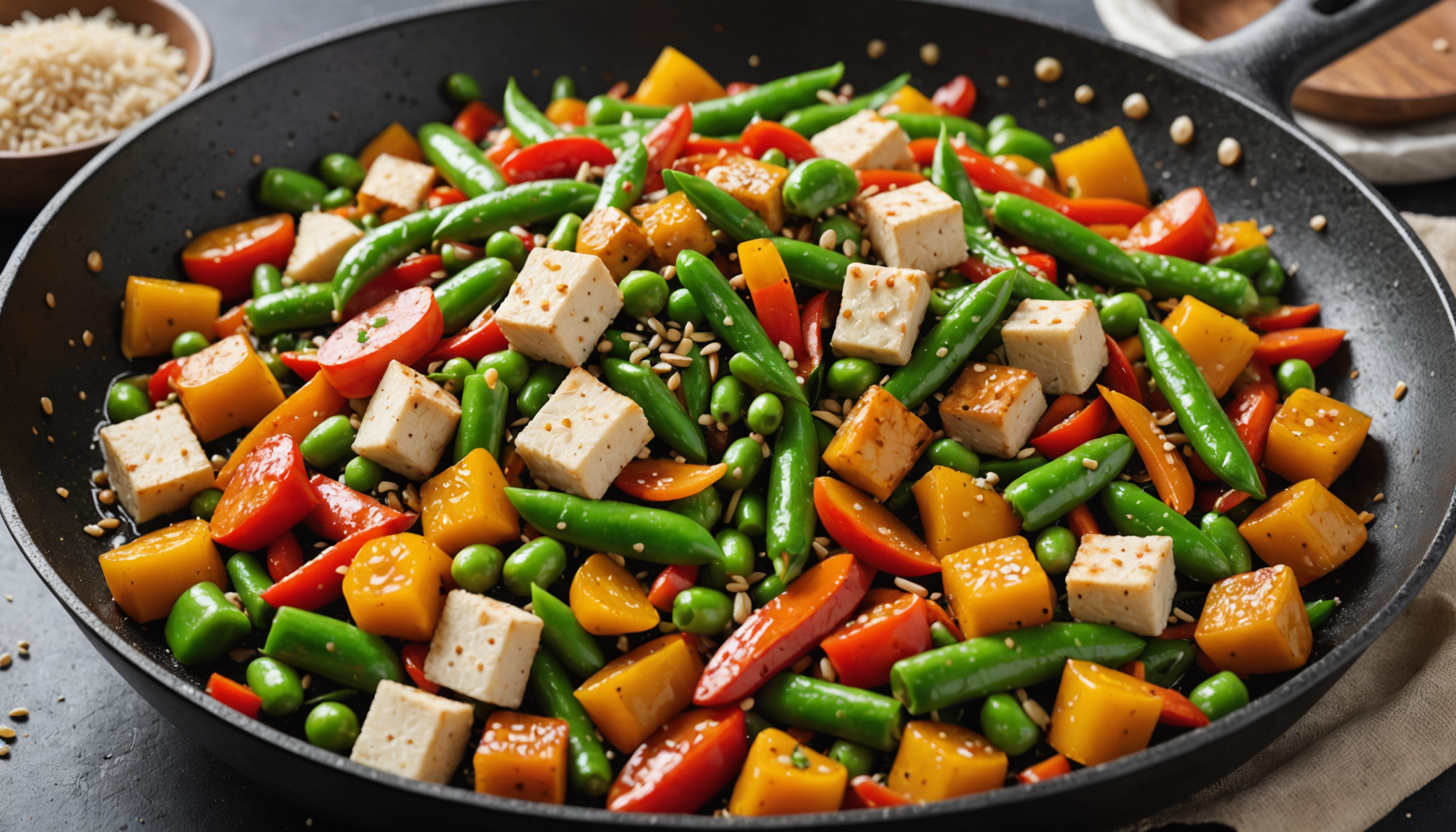
Finding quick dinner recipes that fit within a healthy and organic framework doesn’t have to be a chore. Instead, it can be an enjoyable experience that sparks creativity and flavor in the kitchen. Here are some straightforward and fun recipe ideas that you can effortlessly whip up on busy weeknights, keeping your focus on nutritious organic food.
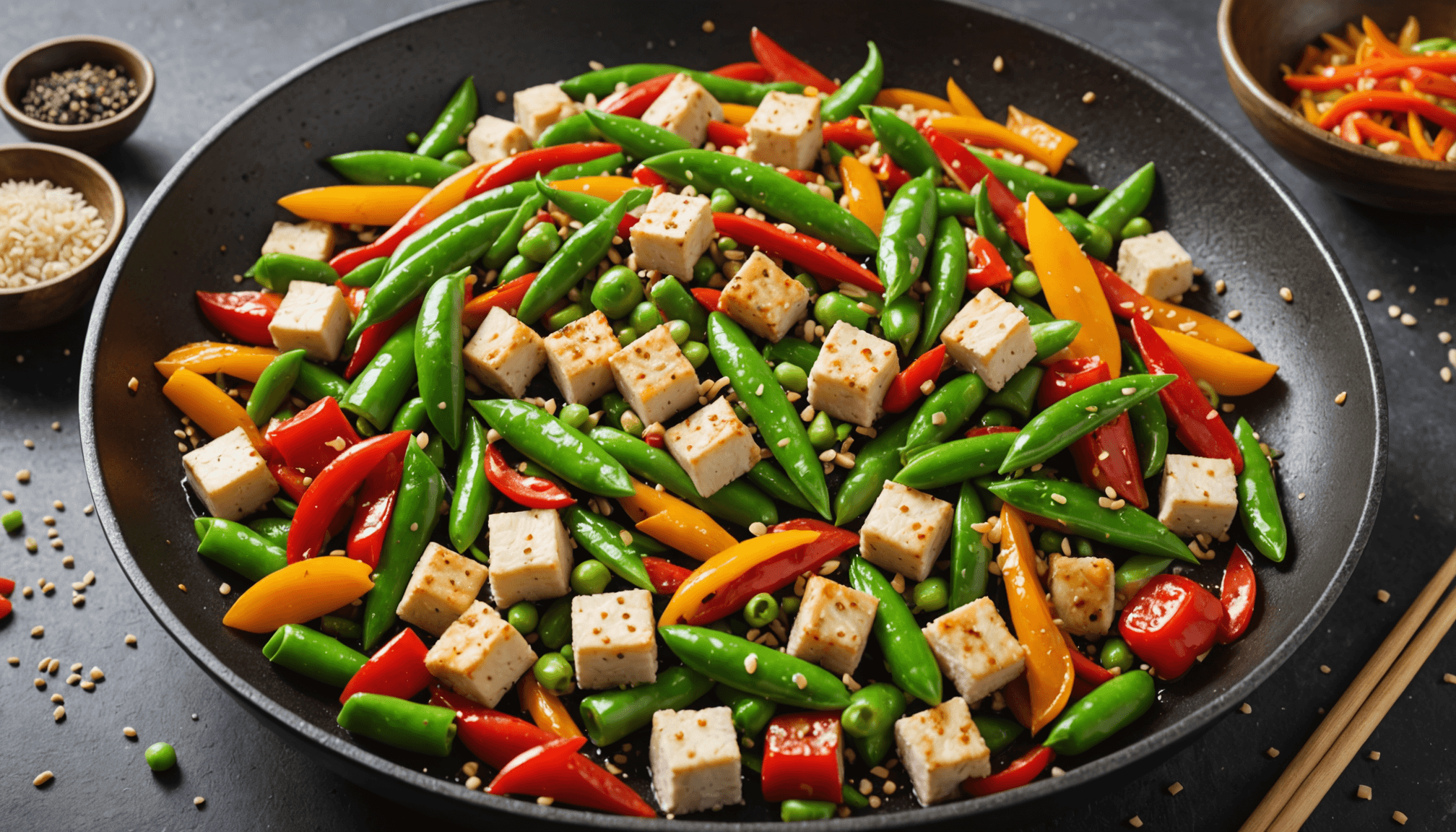
One crowd-pleaser is a hearty stir-fry. To prepare, gather a mix of colorful vegetables like snap peas, bell peppers, and carrots, along with a protein source—try organic tofu or skinless chicken breast. Heat a tablespoon of sesame oil in a pan, toss in your protein, and stir-fry until cooked through. Add the vegetables and continue cooking for just a few minutes until they are vibrant yet crunchy. Finish with a splash of soy sauce or a sprinkle of sesame seeds for added flavor. This quick cooking technique not only saves time but also ensures that the ingredients maintain their nutritional value.
For a refreshing salad that can double as a light dinner, consider mixing mixed greens with roasted sweet potatoes, black beans, and avocado. Drizzle with a creamy tahini dressing made from tahini paste, lemon juice, and a touch of maple syrup for sweetness. You can easily roast sweet potatoes in batches ahead of time, making this a quick option to assemble during busy nights.
If pasta is on the menu, opt for whole grain or lentil-based versions for an extra nutritional boost. Simply cook your pasta according to package directions, and while it’s boiling, sauté zucchini and cherry tomatoes in garlic and olive oil. Toss the cooked pasta with the sautéed veggies and finish with fresh basil or arugula, providing a fresh twist on a classic dish.
Sheet pan dinners are also a lifesaver when you need quick meals. Just line a baking sheet with your favorite organic veggies—like zucchini, bell peppers, and carrots—and protein, such as organic chicken thighs or chickpeas. Season liberally with olive oil, garlic, and herbs, then roast for about 25-30 minutes. This approach allows for minimal clean-up and maximum flavor with minimal effort.
Don’t forget the magic of smoothies. They can serve as a light dinner or a nutrient-packed supplement. Blend together a ripe banana, a handful of spinach, a tablespoon of almond butter, and plant-based milk for a quick, satisfying meal that can be consumed on the go.
When preparing these easy recipes, always ensure you’re using fresh, organic ingredients. To enhance meal prep efficiency, make use of a slow cooker for stews or chili, allowing you to prepare larger batches that can be enjoyed throughout the week. Fill it in the morning and return home to a flavorful, nutrient-rich dinner ready to serve.
These quick dinner recipes not only save time but also provide family-friendly and health-conscious options that fit seamlessly into your lifestyle. Embrace the ease of cooking with organic ingredients and enjoy the delicious results!
Meal prep tips for busy weeknights
Planning your meals ahead of time can alleviate stress and save precious minutes on hectic weeknights. Consider dedicating a couple of hours each weekend to meal prepping. A well-organized approach to this task enables you to set up for a week’s worth of healthy cooking, allowing you to enjoy nutritious organic food without last-minute scrambles.
Begin by selecting recipes that you can prepare in bulk and that store well. Options such as grain bowls featuring quinoa, roasted vegetables, and proteins like grilled chicken or beans are wonderful because they can be mixed and matched throughout the week. Divide your proteins and grains into individual containers, and set aside your veggies, which can be added fresh daily. This flexibility means you won’t get bored eating the same meal all week.
When it comes to pre-chopping, take the time to wash and cut vegetables as soon as you bring them home from the store. Store them in airtight containers to keep them fresh. This way, when you’re ready to cook, healthy organic ingredients are ready to toss into a stir-fry or salad quickly. Pre-cooked grains, such as brown rice or farro, can also save time. Consider preparing large quantities at the start of the week, allowing you to easily incorporate them into various meals.
Incorporating a reliable system for marking expiration dates can also significantly enhance your meal prep routine. Label your containers with dates, so you can easily identify which items need to be used first. This method ensures nothing goes to waste and keeps your meals fresh.
Batch-cooking sauces or dressings is another time-saver. A homemade vinaigrette can make a simple salad feel gourmet, while a sauce can elevate grains and proteins, keeping your meals exciting. Store these dressings in small jars in your refrigerator for easy access.
Using your freezer wisely can also be a game-changer for busy nights. Many foods freeze exceptionally well. Soups, stews, and even some cooked grains can be portioned into freezer-safe containers. On particularly hectic days, simply thaw a pre-made dish for a nutritious meal. You can also freeze smoothie packs containing your favorite fruits and greens; just blend with liquid when you’re ready, providing you with a quick and healthy option.
Lastly, don’t underestimate the power of planning meals around your schedule. If you know a certain day will be busier than others, prepare a slow-cooker meal in the morning to come home to a ready-to-eat dish. Dishes like chili or a vegetable stew can simmer all day, filling your home with inviting aromas while making sure family dinners are still a priority.
“By failing to prepare, you are preparing to fail.” – Benjamin Franklin
With these meal prep tips, you can streamline the cooking process, making it easier to incorporate healthy cooking into your everyday routine. Embracing these strategies will not only simplify your weeknights but also enhance your overall culinary experience while enjoying nutritious organic food.
Nutritional benefits of organic meals
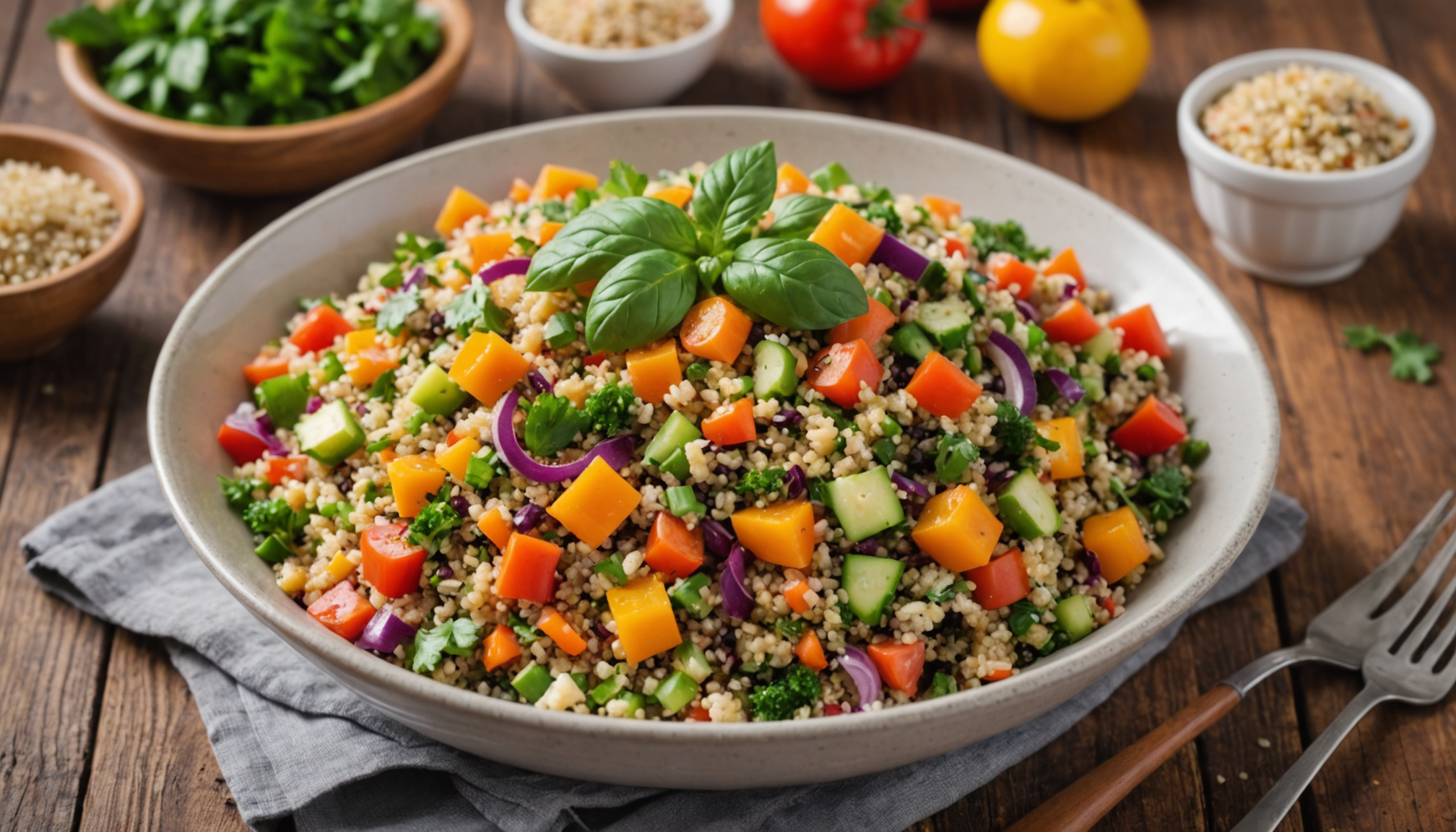 Eating organic meals provides a myriad of nutritional benefits that can transform your overall health. One of the primary advantages of choosing organic food is the reduction of exposure to synthetic pesticides and fertilizers commonly used in conventional farming. This choice is particularly significant as it minimizes the intake of harmful chemicals that can accumulate in the body over time, leading to adverse health effects.
Organic products are also characterized by their higher nutrient content in certain cases. Research has shown that organic fruits and vegetables often contain higher levels of antioxidants, vitamins, and minerals due to the biologically diverse farming practices that enhance soil health. The rigorous standards for organic livestock also ensure that the animals are raised without the use of antibiotics and synthetic hormones, resulting in meat and dairy products that are often healthier and more beneficial to consume.
Incorporating organic grains into your diet, such as quinoa or brown rice, further contributes to your health. These grains, when grown organically, contain important phytonutrients and essential amino acids, boosting your energy and supporting your body’s metabolic functions. Additionally, the fiber content in organic whole grains can aid digestion and promote a sense of fullness, helping to manage weight effectively.
Another notable benefit of indulging in organic meals is their role in supporting a sustainable food system. By choosing organic, you are not merely making a personal health choice but also supporting agricultural methods that promote biodiversity and reduce the environmental impact of food production. This awareness can inspire further exploration into sustainable practices, perhaps motivating you to grow your own herbs or vegetables or advocating for local organic farms.
Beyond physical health, the mental and emotional aspects of consuming organic meals should not be overlooked. Having a meal prepared with fresh, wholesome ingredients can positively affect your mood and energy levels. Furthermore, sharing meals made from organic ingredients fosters a connection to the food you consume and the natural world around you, enhancing your appreciation for what goes into your meals.
- What are the main nutritional advantages of organic food?
- Organic food typically contains fewer synthetic pesticides and fertilizers, potentially minimizing harmful chemical exposure. Many studies suggest that organic produce may have higher antioxidant levels, vitamins, and minerals compared to conventionally grown food.
- Is organic food really more nutritious?
- While not all studies agree, several indicate that organic food can have higher nutrient density. Factors such as the farming practices used contribute to this enhanced nutritional profile, particularly in fruits and vegetables.
- How do organic meats differ from conventional meats?
- Organic meats come from animals that are raised without hormones, antibiotics, or synthetic feeds and are often given access to outdoor spaces. This results in healthier livestock and can translate to better quality meat products.
- Are there any benefits to cooking with organic ingredients?
- Cooking with organic ingredients means you are likely using fresher, higher-quality produce and meats, which can lead to improved flavor and nutrient retention. Additionally, it encourages a more sustainable lifestyle and supports eco-friendly farming practices.
- How can I start incorporating more organic meals into my diet?
- Begin by selecting a few organic staples such as fruits, vegetables, grains, and proteins. Gradually replace conventional items with organic ones as you shop and explore easy recipes that use these ingredients to ease the transition.
- Is organic food more expensive?
- Organic food can be pricier due to the more expensive growing practices and certifications required. However, buying in bulk, shopping at farmers’ markets, or choosing seasonal produce can help offset costs.
- Can I trust organic labels on products?
- To ensure you’re buying genuinely organic products, look for certification labels like the USDA Organic seal. These labels indicate that the item meets established organic farming standards and regulations.
Variations for dietary preferences
Addressing various dietary preferences is essential when planning healthy organic dinners, allowing everyone at the table to enjoy delicious meals tailored to their needs. Whether you’re accommodating vegan diets, gluten-free guidelines, or simply the whims of picky eaters, keeping a versatile pantry stocked with the right ingredients makes it easier to whip up easy recipes that satisfy. Here’s how to handle different dietary restrictions while maintaining a focus on organic food.
For your vegan family members or friends, stock up on plant-based proteins such as lentils, chickpeas, tofu, and tempeh. These ingredients are not only rich in nutrients but also provide the satisfying element needed in any dinner. Incorporating products like nutritional yeast can add a cheesy flavor to dishes, enhancing taste without dairy. Utilize a wide range of fruits and vegetables, as they often serve as the central components of vegan meals. Think vibrant stir-fries packed with seasonal greens and colorful bell peppers, or hearty bean chili adorned with fresh herbs.
When it comes to gluten-free diets, many organic grains fit the bill. Quinoa, rice, and gluten-free oats make excellent substitutes for traditional pasta and bread. Try creating a savory quinoa bowl loaded with roasted vegetables and a drizzling of tahini or olive oil for a nutrient-dense dinner. For those who enjoy pasta, consider gluten-free varieties made from chickpeas or lentils for a protein boost without the gluten.
Catering to omnivores doesn’t mean you need to prepare entirely separate meals. Focus on creating base dishes that can easily transform. For instance, a vegetable stir-fry can act as a hearty main dish, and you can add grilled organic chicken or shrimp to one portion while keeping another entirely plant-based. This way, it’s easy to please everyone at the table without additional cooking stress.
If you’re looking to accommodate different preferences within meal prep, consider batch-cooking a flexible main dish such as roasted veggies or a grain salad. You can then serve it with various proteins (like grilled tofu, fish, or chicken) for easy assembly. Mixing flavors and textures keeps meals vibrant and exciting, even as you cater to distinct dietary needs.
Lastly, always be conscious of potential allergens. If cooking for individuals with nut allergies, be sure to substitute creamy dressings or sauces made with nut bases with alternatives such as sunflower seed butter or tahini. Labeling foods clearly when serving is also a considerate touch, letting everyone know what’s safe for them to eat.
Embracing dietary variations with creativity in the kitchen is achievable with healthy cooking. Not only will you foster a more inclusive dining environment, but you’ll also expand your culinary repertoire with easy recipes that everyone can enjoy. By thoughtfully selecting organic ingredients accommodating various dietary preferences, you’ll create meals that nourish both the body and soul.
New Customers Offer!
Free Gift for the new customer
$24 Value, When You Subscrib Visit Thrive Market