- Understanding Affordable Healthy Organic Ingredients
- Quick and Easy Dinner Recipes
- Meal Prep Tips for Busy Weeknights
- Seasonal Produce for Budget-Friendly Meals
- Nutritious Proteins on a Budget
- Creative Herbs and Spices for Flavor Enhancement
When it comes to grocery shopping, navigating the aisles for affordable healthy organic ingredients requires some strategies that can save you both time and money. Whether you’re at a local farmers’ market or browsing an online grocery platform, being knowledgeable and prepared is key.
Start by making a detailed shopping list based on your meal plan for the week. This will prevent impulse buys and ensure that you’re only purchasing what you need. Focus on staples that form the backbone of many dishes, such as:
- Whole grains like quinoa, brown rice, and whole-wheat pasta are cost-effective and nutritious bases for meals.
- Legumes, including chickpeas, black beans, and lentils, provide plant-based protein and can be bought dry or canned for convenience.
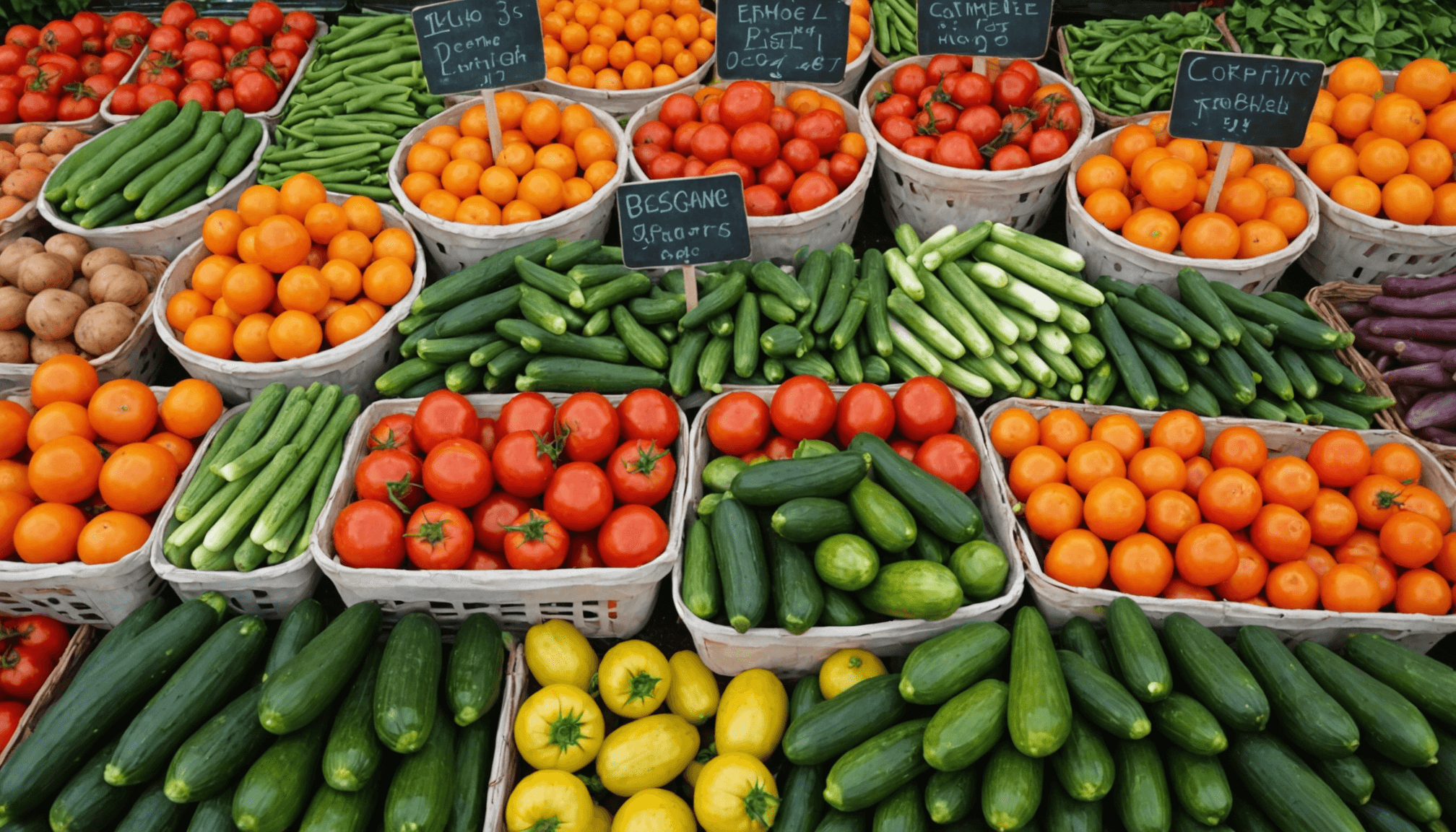
- Seasonal vegetables and fruits, which are usually less expensive and more flavorful. For instance, buying tomatoes in the summer or squash in the fall offers better prices and taste.
- Organic frozen fruits and vegetables are often budget-friendly options compared to their fresh counterparts, providing excellent nutritional value and ease in meal prep.
When choosing organic products, prioritize the Dirty Dozen, a list published annually by the EWG, which identifies fruits and vegetables with high pesticide residues. For instance, opting for organic strawberries, spinach, and potatoes can significantly reduce your exposure to harmful chemicals.
Many families find shopping at local farms to be a delightful experience. Not only do you support local agriculture, but you might also discover budget dinners with fresh produce, dairy, and even meat directly from the source. Keep an eye out for Community Supported Agriculture (CSA) programs, where you can subscribe to receive weekly produce boxes at potentially lower costs than buying in stores.
For those who prefer online grocery shopping, it’s essential to choose reputable websites that offer organic products and transparent sourcing. Look for customer reviews and check for certifications of organic labeling to ensure that you’re making healthy choices. Always be mindful of any additional shipping costs and consider whether buying in bulk can lead to further savings.
Lastly, pay attention to food safety practices. Check expiration dates on perishable items, and be wary of sales on items that seem too good to be true, as they may be approaching their best-before date. It’s also wise to separate raw meats from other products in your cart to avoid cross-contamination, especially if you opt for budget-friendly proteins.
By following these tips, you can enhance your grocery shopping experience, ensuring that you bring home a basket full of ingredients for nutritious, tasty, and affordable healthy eating.
Quick and Easy Dinner Recipes
Easy dinner recipes can transform weeknight meals from daunting to delightful, especially when they’re quick, nutritious, and incorporate affordable organic ingredients. Here are a few scrumptious recipes that cater to busy schedules while ensuring that you maintain a healthy and flavorful diet.
One-pot meals are a staple for those pressed for time yet still seeking deliciousness. These recipes not only minimize cleanup but also allow for creativity in combining various ingredients. For instance, a simple organic vegetable stir-fry can include whatever seasonal produce you have at hand. Just sauté your chopped vegetables in a bit of olive oil, add a source of protein such as tofu or chicken, and finish with some soy sauce or ginger for flavor. This versatile dish ensures you’re sticking to your budget while enjoying fresh organic meals.
Another fantastic option is sheet pan dinners. Simply toss chopped vegetables and your choice of protein (like chickpeas, salmon, or chicken thighs) with some spices and olive oil on a baking sheet. Roast everything in the oven until it reaches your desired level of doneness. This method allows for easy clean-up and enables you to cook multiple components of your meal simultaneously. Here’s a quick recipe to try:
| Ingredients | Quantity |
|---|---|
| Chickpeas (canned or cooked) | 1 can (15 oz) |
| Bell peppers | 2, chopped |
| Zucchini | 1, sliced |
| Olive oil | 2 tablespoons |
| Italian seasoning | 1 teaspoon |
Preheat your oven to 400°F (200°C). In a large bowl, mix together the chickpeas, bell peppers, zucchini, olive oil, and Italian seasoning. Spread this mixture out on a sheet pan and roast for about 25 minutes or until the vegetables are tender. This dish not only is affordable but can also be served as leftovers the next day, making it perfect for budget dinners.
Soups and stews offer another quick and nourishing solution. They can be made in large batches and frozen for later use. A lentil soup, for example, can be easily prepared by sautéing onions and garlic, then adding in lentils, carrots, diced tomatoes, and vegetable broth. Season with herbs like thyme or rosemary, and let it simmer until the lentils are cooked. This meal is not just budget-friendly but provides substantial nutrition and flavor as well.
For even faster options, consider wraps or salads using pre-cooked proteins such as rotisserie chicken or canned beans. Combine these with your choice of greens, seasonal vegetables, and a splash of vinaigrette or hummus for a quick, satisfying meal.
Incorporating meals like these into your weekly rotation can help streamline your cooking process, making it feasible to enjoy wholesome, organic dinners without spending hours in the kitchen or breaking the bank. These recipes exemplify how affordable healthy eating can be both accessible and delightful, inspiring creativity in meal planning for individuals and families alike.
Meal Prep Tips for Busy Weeknights
Grocery shopping can be a breeze when you have a plan in place, especially for busy weeknights. Whether you’re dashing through local markets or browsing online platforms, specific strategies can make all the difference in your quest for budget-friendly, nutritious ingredients. Start by knowing what to look for and where to find it.
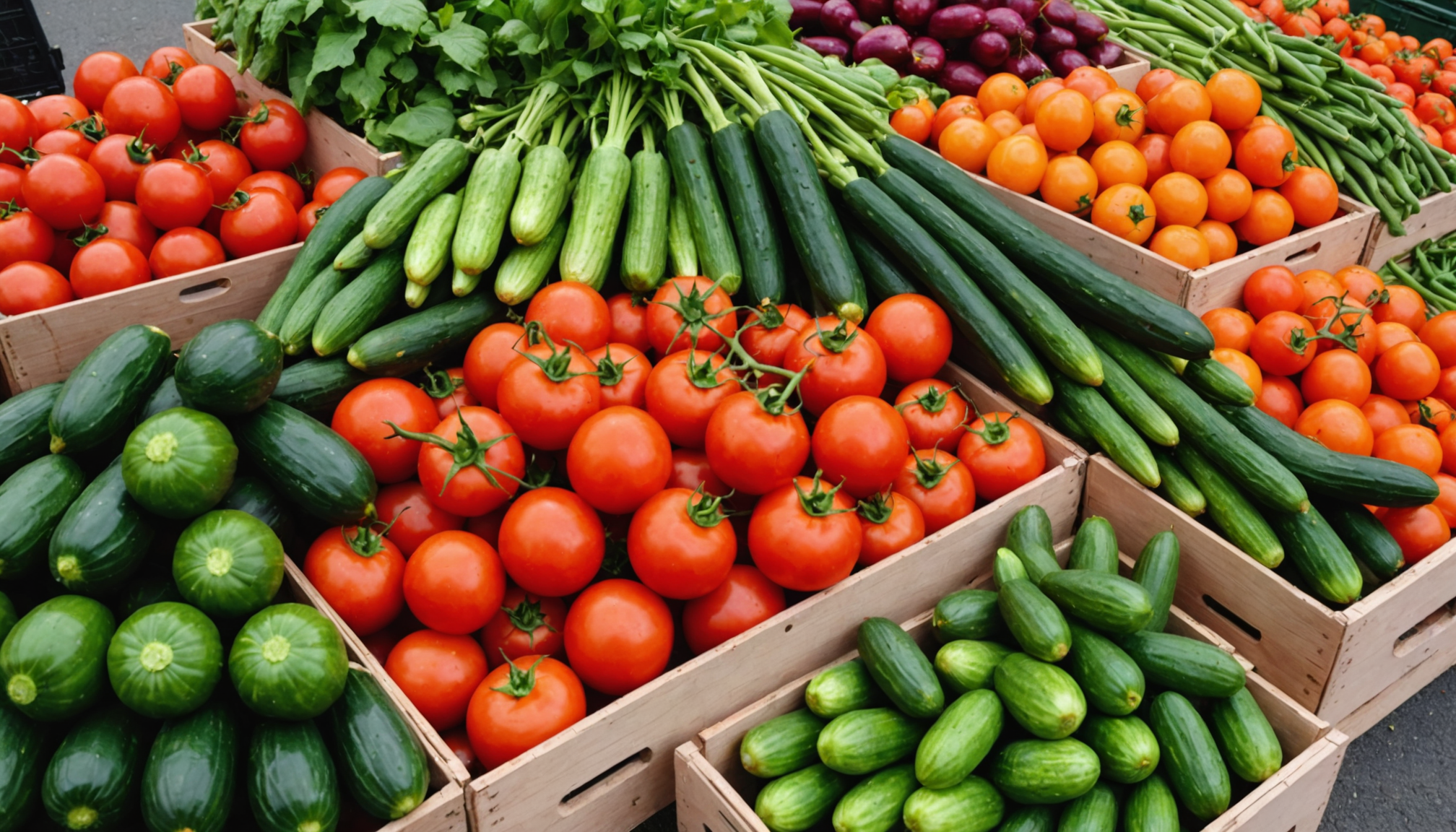
One of the most effective ways to enhance your grocery shopping is to prioritize seasonal and local produce. Not only is it typically fresher and tastier, but it’s also more affordable. Visit local farmers’ markets or join a Community Supported Agriculture (CSA) program to secure your weekly stash of organic fruits and vegetables at a lower price. These boxes often contain a variety of produce that encourages creativity in your meals and reduces food waste.
When shopping for organic items, focus on essential staples that fit into your meal prep seamlessly. Here’s a quick list of great ingredients to include:
- Whole grains: Opt for brown rice, quinoa, or couscous, which are not only nutritious but also filling.
- Legumes: Beans and lentils can serve as the protein powerhouse in your meals while being easy on the wallet.
- Frozen fruits and vegetables: These can be more affordable than fresh options, especially out of season, and maintain their nutrients.
While browsing online grocery stores, it’s crucial to choose retailers that have trustworthy sourcing practices. Look for those with transparent labeling for organic products and read reviews from previous customers. Be particularly vigilant about checking for seals of approval from trusted organizations, as these can provide assurance of quality.
Safety should also be front of mind when shopping. Always check expiration dates, especially on perishable foods. When purchasing meats, opt for those with clear packaging that shows freshness, and be cautious about bulk buying if it could lead to spoilage. When shopping in-store, separate raw meats from other groceries in your cart to prevent cross-contamination.
Another tip for budgeting is to keep an eye on store circulars and digital coupons before you shop. Many stores offer discounts on specific organic items, and you can even find loyalty programs that can help you save money over time. Don’t forget to utilize mobile apps that provide weekly deals; these can guide you in making cost-effective yet healthy choices.
For those inclined toward vegan options, seek out plant-based proteins and gourmet sauces that can elevate your meals without a huge financial commitment. Ingredients like tofu, tempeh, and nutritional yeast are often inexpensive and allow for a range of flavorful dishes. Pair these with fresh seasonal veggies, and you can create delightful organic meals quickly.
Lastly, it’s beneficial to think in terms of batch cooking. Prepare larger quantities of wholesome meals on weekends, which can easily be portioned and refrigerated or frozen for busy days ahead. Dishes like vegetable chili or quinoa salads can provide hearty servings that accommodate both budget and health.
By arming yourself with knowledge and planning, grocery shopping can turn into a strategic advantage for maintaining a healthy diet while sticking to your budget. Follow these tips, and you’ll find that achieving affordable healthy eating is well within your reach!
Seasonal Produce for Budget-Friendly Meals
Seasonal produce plays a crucial role in crafting budget-friendly organic meals. When you buy fruits and vegetables that are in season, you’re not only supporting local farmers but also benefiting from their peak freshness and flavor, which can significantly enhance your dishes without inflating your grocery bill.
For instance, summer lends itself to an abundance of tomatoes, zucchini, and peppers. These can be used in numerous recipes, like tomato-based pasta dishes or grilled vegetable salads, that can easily be whipped up for quick and satisfying budget dinners. In the fall, consider incorporating hearty produce like squash, pumpkins, and Brussels sprouts. These ingredients are perfect for creating warming soups or roasted vegetable medleys that perfectly fit your budget while offering rich, comforting flavors.
When you shop seasonally, it can also reduce the temptation to purchase more expensive out-of-season items that have traveled long distances. Checking a seasonal produce guide can be a helpful starting point to know what’s at its peak in your local area during the various months of the year. Additionally, “eating with the seasons” will naturally encourage variety in your diet, broadening your nutrient intake and culinary experiences.
Look for ways to incorporate seasonal produce into your weekly meal planning. A simple stir-fry with fresh broccoli and snap peas, for example, can serve as a vibrant side for a grain bowl, paired with affordable proteins like beans or eggs for a wholesome meal. You can also think creatively about how to use leftover vegetables in future meals. If you have extra bell peppers or leafy greens, toss them into a homemade frittata or blend them into a smooth soup.
Don’t forget about your local farmers’ markets, which often feature seasonal produce at competitive prices. Purchasing directly from local growers allows you to inquire about the best seasonal options available that week while you can often find organic choices that adhere to both your health and budget needs. It’s a great way to build community connections as well while enjoying the freshest ingredients.
Including seasonal produce in your cooking not only supports sustainable agriculture but also makes organic meals taste better and align well with affordable healthy eating principles. In this way, you can enjoy diverse, colorful dishes that not only satisfy your palate but also your pocketbook, proving that eating well can indeed be budget-friendly.
“Seasonal eating is a sustainable way and promotes not just health but the health of the environment.”
Nutritious Proteins on a Budget
 Budget-friendly proteins can round out your meals while ensuring you maintain a nutritious diet without overspending. Fortunately, plenty of options cater to varied tastes and dietary restrictions, enabling you to enjoy balanced organic meals that fit within your budget.
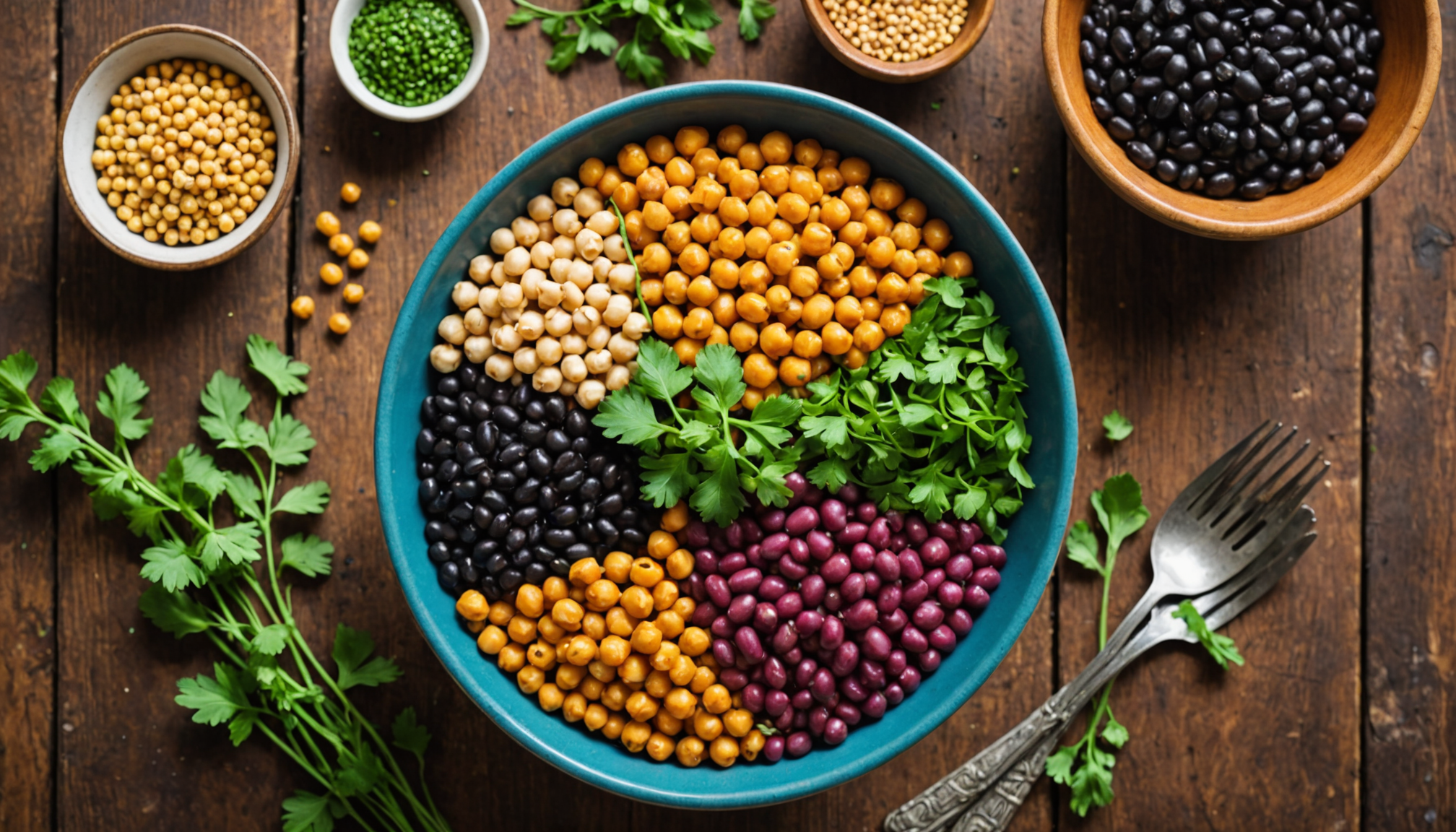
One excellent source of protein comes from legumes, including lentils, beans, and chickpeas. These are not only economical but also pack a nutritional punch, being high in fiber and essential vitamins. For instance, white beans can be added to soups, while black beans make a hearty filling for tacos or burritos. A can of beans often retails for a buck or two, making this plant-based protein a wallet-friendly choice worthy of your pantry.
Eggs are another versatile and affordable protein source. Whether scrambled, boiled, or poached, they can quickly elevate meals from breakfast to dinner. Incorporating eggs into your recipe repertoire allows for creativity; consider an easy frittata or a whimsically topped avocado toast. Plus, eggs often come in organic options, allowing you to maintain your commitment to healthy eating without straying too far from your budget.
If you eat meat or fish, look for sales on lean cuts or bulk purchases, particularly for ground meats. Ground turkey or chicken can act as a more affordable substitute for beef, especially in dishes like stuffed peppers or meat sauces. Additionally, buying frozen fish or chicken can be more economical than fresh, providing you with a reliable protein source without fear of spoilage.
To further stretch your protein dollars, consider incorporating tofu or tempeh into your meals. These soy-based proteins effectively absorb flavors and can be added to stir-fries, salads, or soups. They are generally available at reasonable prices, especially when purchased in bulk or frozen, making them another smart way to keep costs down while achieving nutritious organic meals.
Incorporating a mix of these protein sources into your weekly meal planning can encourage creativity, allowing you to experiment with various cuisines and cooking techniques while keeping a keen eye on your budget. Remember, balancing nutrition and cost is achievable, and finding ways to include diverse proteins can make your dinners not only affordable but also deliciously satisfying.
- What are affordable sources of protein?
- Legumes like lentils, beans, and chickpeas are economical and nutritious options. Eggs, tofu, and pre-cooked meats can also provide budget-friendly protein while supporting overall health.
- How can I stretch my protein budget?
- Buy in bulk, choose frozen options, and utilize versatile ingredients like legumes or eggs in multiple meals throughout the week. Incorporating meatless meals can also significantly reduce costs.
- Are organic proteins more expensive?
- Organic proteins might carry a higher price tag, but choosing items like canned beans or frozen chicken can help maintain your budget while meeting organic standards.
- What dishes can I make with affordable proteins?
- Consider recipes like chili, pasta with legumes, stir-fries, or frittatas that incorporate various protein sources. These dishes allow for bulk preparation, maximizing both budget and flavor.
- Can meal prepping help with budgeting for protein?
- Yes! Preparing meals in batches can ensure you make the most of your grocery budget, allowing you to allocate funds more effectively toward nutritious protein sources.
- How do I know if I’m getting good quality protein?
- Look for certifications and labels when purchasing organic varieties. Checking expiration dates, asking about sourcing, and examining price points can also help gauge quality.
- Is it feasible to eat healthy on a tight budget?
- Absolutely! With careful planning, prioritizing seasonal and local produce, and making strategic protein choices, healthy eating can be both affordable and satisfying.
Creative Herbs and Spices for Flavor Enhancement
When it comes to elevating the flavors of your meals, creative use of herbs and spices can transform simple dishes into culinary delights without adding significant costs. Investing in a selection of dried and fresh herbs and spices can yield exciting and healthful recipes, especially for families seeking affordable healthy organic dinner options.
Begin by stocking your pantry with staple herbs and spices that form the foundation of many cuisines. Here are some essentials to consider:
- Basil: Perfect for salads, pasta, and pesto, fresh basil can add a burst of flavor, and it’s easy to grow at home.
- Cumin: A warm, earthy spice, cumin works wonders in Mexican, Indian, and Middle Eastern dishes, providing a unique depth of flavor to stews and tacos.
- Oregano: A classic herb for Italian cooking, adding a sprinkle of dried oregano to sauces or roasted vegetables can elevate any dish.
- Garlic: Fresh garlic or garlic powder is a powerhouse for enhancing flavor without extra calories, ideal for everything from stir-fries to marinades.
- Turmeric: Not only does it provide vibrant color, but turmeric also offers potential health benefits, making it a great addition to rice dishes, soups, or curries.
When purchasing herbs and spices, consider buying in bulk or opting for store brands to save money. Dried herbs have a longer shelf life, so you can keep your kitchen stocked and ready for creative cooking adventures. For fresh herbs, farmers’ markets often sell them at lower prices compared to grocery stores, plus you might find unique varieties that can inspire your meals.
To ensure you make the most out of your herbs and spices:
- Keep herbs in the refrigerator to maintain freshness, or dry them out at home to save money on dried varieties.
- Experiment with combinations to discover new flavors; for instance, blending oregano and thyme can work wonders in Mediterranean dishes.
- Utilize herbs as garnishes to enhance the visual appeal of your meals – a sprinkle of chopped parsley or cilantro can brighten up a dish significantly.
Online shopping can be a convenient way to source quality herbs and spices. Look for reputable stores that specialize in organic options to ensure you are getting high-quality ingredients. Always review customer feedback and verify certification seals to confirm that products meet your expectations for both flavor and safety.
While spices are generally considered safe, it’s vital to be mindful of sourcing and quality. From time to time, some herbs may come with risk factors—watch for recalls or reports concerning contamination. Always check the packaging before purchasing, and opt for well-known brands that prioritize quality and safety.
For those who enjoy experimenting, consider creating your own spice blends at home! This can not only save you money but also allow you to tailor the flavors to your preference. A quick homemade taco seasoning, for example, can be made with cumin, paprika, garlic powder, and a hint of chili powder—and it tastes much better than store-bought mixes! With just a few spices, you can whip up delicious meals without busting your budget.
By creatively incorporating herbs and spices into your cooking routine, you’re not just enhancing the flavor of your dishes; you’re also promoting a healthier lifestyle that supports affordable healthy eating. Dive into your spice cabinet, and let your culinary creativity shine!
New Customers Offer!
Free Gift for the new customer
$24 Value, When You Subscrib Visit Thrive Market