- Nutritional Benefits of Salmon
- Quinoa: A Versatile Superfood
- Ingredients for Pan-Seared Salmon
- Step-by-Step Cooking Instructions
- Serving Suggestions and Pairing Ideas
- Storing Leftovers and Reheating Tips
When it comes to grocery shopping for your next healthy organic dinner, understanding the benefits of the ingredients you’re selecting, particularly when it involves salmon, can elevate your culinary experience and aid your health. Salmon is not just a delicious option; it’s packed with nutrients that contribute positively to a balanced diet.
Salmon is an excellent source of high-quality protein, which is essential for muscle repair and growth, particularly beneficial for fitness enthusiasts. Beyond its protein content, salmon is rich in omega-3 fatty acids. These healthy fats are known to support heart health, reduce inflammation, and may even improve brain function. To ensure that you’re purchasing the best-quality salmon, look for the label that indicates “wild-caught” over “farmed,” as this often means the fish has a better fatty acid profile and fewer contaminants.
When you head out for groceries or begin your online shopping, consider making a list of essentials that include healthy organic items. Here are some tips:
- Local Markets: Whenever possible, shop at local farmers’ markets for fresh and organic produce. Not only do they offer seasonal options, but you’re also supporting local businesses.
- Read Labels: If you’re considering pre-packaged salmon, carefully reading the label for any added preservatives or unhealthy ingredients is crucial. The same goes for quinoa—many brands offer variations with additional additives that you may want to avoid.
- Seek Out Organic Options: Organic quinoa is a particularly healthy base for your salmon recipes. Look for brands that are certified organic to ensure that you’ve got the cleanest product available.
- Budget-Friendly Choices: If organic is outside your budget, don’t shy away from the frozen aisle. Frozen wild-caught salmon is often just as nutritious as fresh and can be more affordable.
- Safety First: When shopping online, ensure the site you choose has good reviews and follows safety standards for food handling. Avoid third-party sellers unless you can verify their reputation.
Lastly, consider pairing healthy recipes involving salmon with various quinoa dishes. Whether you’re looking to mix it in salads or serve it as a side, quinoa adds not just flavor but also extra nutrients. This partnership between salmon and quinoa can help create a complete, balanced meal that appeals to families and fitness enthusiasts alike.
Quinoa: A Versatile Superfood
Quinoa, often referred to as a superfood, is a remarkable grain known for its impressive nutritional profile and versatility in the kitchen. It is technically a seed but is commonly grouped with whole grains in culinary contexts. Rich in essential amino acids, quinoa is one of the few plant-based foods recognized as a complete protein, making it an ideal choice for those who follow vegetarian or vegan diets, as well as for those looking to enhance their protein intake in a healthy way.
Notably, quinoa contains a rich array of vitamins and minerals, including magnesium, iron, zinc, and B vitamins, all of which contribute to various bodily functions such as energy production and immune support. Moreover, quinoa is high in fiber, which aids in digestion and helps maintain steady blood sugar levels. This makes it not only a filling food but also a smart choice for those mindful of their health and well-being.
To illustrate the nutritional benefits of quinoa compared to other common grains, consider the following table:
| Nutritional Component | Quinoa (1 cup cooked) | Brown Rice (1 cup cooked) | White Rice (1 cup cooked) |
|---|---|---|---|
| Calories | 222 | 218 | 205 |
| Protein (g) | 8.1 | 5.0 | 4.3 |
| Fiber (g) | 5.2 | 3.5 | 0.6 |
| Iron (%DV) | 15% | 5% | 2% |
| Magnesium (%DV) | 30% | 21% | 2% |
This table demonstrates that quinoa stands out not only in protein content but also offers higher fiber and essential minerals compared to both brown and white rice. Its low glycemic index further makes it suitable for those seeking to regulate blood sugar levels.
In addition to its nutritional value, quinoa’s mild, nutty flavor and fluffy texture allow it to be incorporated into a multitude of dishes. It can act as a hearty base for salads, serve as a side dish, or even be used in baking, making it an exceptionally adaptable ingredient. Pairing quinoa with salmon recipes amplifies the health benefits, creating meals that are not only delicious but also full of nutrients. Organic quinoa blends seamlessly with the rich flavors of salmon, complementing its healthy fats while boosting the overall nutritional profile of your meal.
When preparing a healthy organic dinner, consider diverse quinoa recipes that blend colors and flavors—such as a quinoa salad with roasted vegetables or a warm quinoa bowl topped with pan-seared salmon and fresh herbs. The combination of quinoa and salmon truly embodies a balance of taste and health, catering to both gourmet preferences and those focused on nutritious eating.
Ingredients for Pan-Seared Salmon
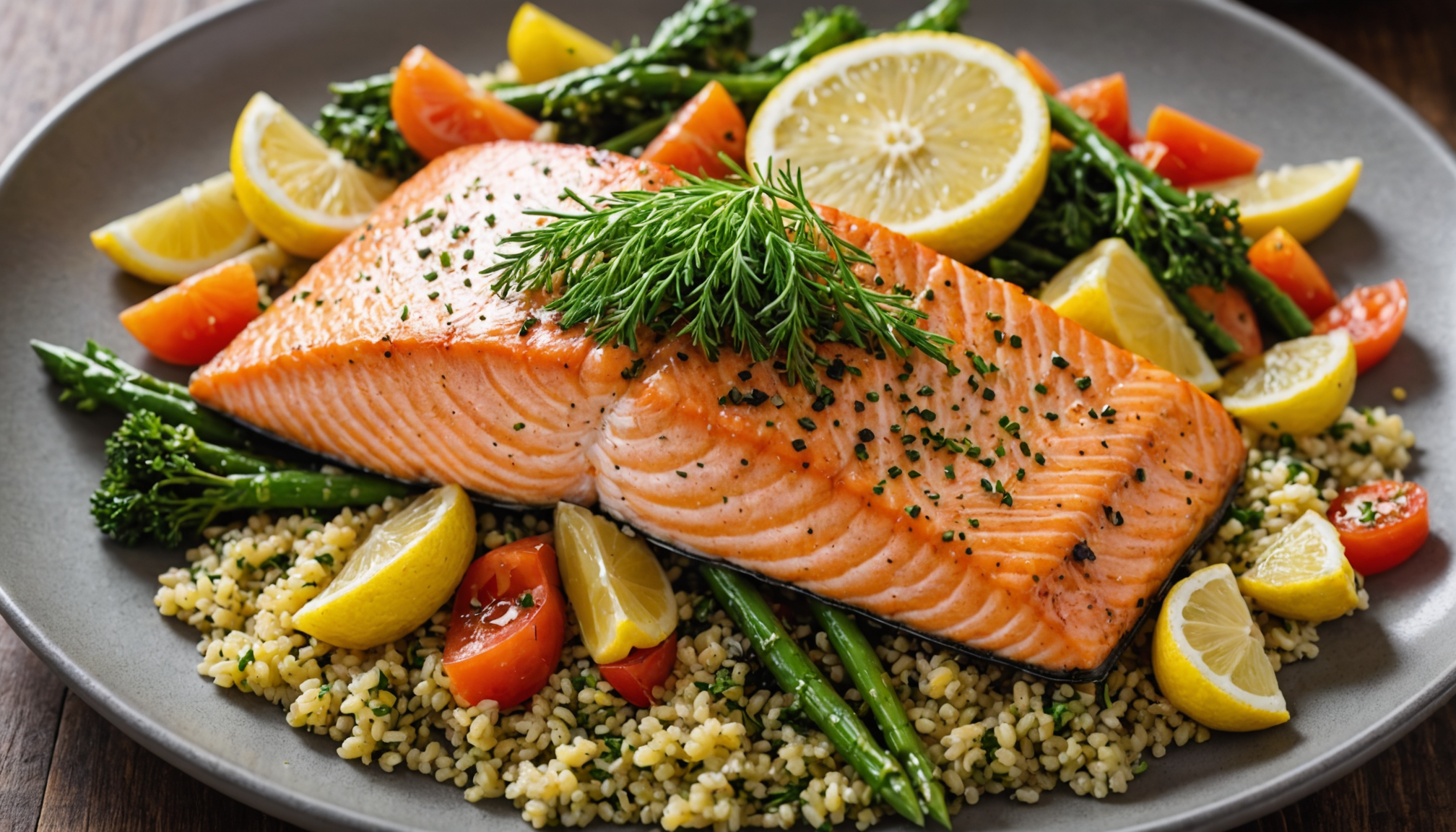
As you gather the ingredients for your pan-seared salmon, understanding where to find the best quality items is key to creating a delicious and nutritious dish. Start with your salmon selection; look for fish that is sustainably sourced and labeled as “wild-caught.” This often guarantees better flavor and quality compared to farmed options. If you’re short on time, consider buzzing around your local grocery store or using a reputable online seafood provider that ensures freshness and safe shipping.
When it comes to quinoa, opt for organic varieties whenever possible. You’ll want to check that the quinoa is rinsed and ready to cook, as this step removes the natural coating called saponin, which can impart a bitter taste. Many health food stores and even some larger supermarkets carry pre-rinsed options, making your meal prep faster and easier. Furthermore, for a delicious twist, explore flavored quinoa blends that can complement your salmon recipes beautifully.
Don’t forget to stock up on other essential ingredients that can enhance your meal. Here are some items that could turn your pan-seared salmon and quinoa dish into a well-rounded feast:
- Fresh Herbs: Look for organic dill, parsley, or cilantro that can add freshness and vibrancy to both the salmon and quinoa.
- Citrus: Lemons or limes make fantastic accompaniments, adding a bright note to your fish without unnecessary calories.
- Vegetables: Choose seasonal vegetables such as asparagus or zucchini for roasting or sautéing, providing additional nutrients and flavors to round out your plate.
- Healthy Fats: Avocado and olive oil can enhance the dish while providing beneficial monounsaturated fats.
For those on a budget, consider buying frozen organic vegetables or quinoa, as these can be just as nutritious as fresh ones but often come at a lower cost. They can provide the necessary vitamins and minerals while being shelf-stable, allowing for more flexibility in meal planning.
Before hitting that “checkout” button online, ensure the retailer you’re using is trusted and has a clear return policy for perishable items. Additionally, scrutinize shipping timelines, as freshness is key in seafood and many produce items. The right groceries, fresh or frozen, will play a pivotal role in crafting a healthy organic dinner that fits into your family’s busy lifestyle while still allowing for nutritious and tasty meals.
By shopping smartly and selecting the finest ingredients, your journey to a wholesome and satisfying dinner featuring pan-seared salmon and quinoa will be both enjoyable and rewarding.
Step-by-Step Cooking Instructions
To begin the cooking process for your pan-seared salmon, start by preparing your ingredients and gathering all necessary tools. Ensure you have a non-stick skillet or skillet with a good-quality surface to achieve that perfect sear on your salmon without sticking.
First, take your salmon fillets and pat them dry with paper towels. This step is crucial; removing excess moisture ensures a nice sear and helps to develop a flavorful crust. Season both sides of the fillets liberally with salt and pepper. For an extra flavor boost, consider adding spices such as paprika or garlic powder, depending on your taste preference.
Meanwhile, prepare the quinoa according to the package instructions. If you are using unwashed quinoa, rinse it under cold water to remove any bitter saponins. In a saucepan, combine one cup of quinoa with two cups of water or vegetable broth, adding a pinch of salt to enhance the flavor. Bring the mixture to a boil, then reduce the heat to low, cover, and let it simmer for about 15 minutes or until all the liquid is absorbed. Once cooked, fluff the quinoa with a fork and cover it to keep warm while you finish cooking the salmon.
Now, heat your skillet over medium-high heat, adding a tablespoon of olive oil or a mix of olive oil and butter for richness. Once the oil is shimmering, place the salmon fillets skin-side down (if your fillets have skin), and cook them undisturbed for about 4 to 5 minutes. This allows the skin to become crispy, while the fish cooks through.
Carefully flip the fillets using a spatula, and reduce the heat to medium. Cook for an additional 3 to 4 minutes, or until the salmon is cooked to your desired doneness. For those who prefer their salmon not too rare, you can cook it for an extra minute or two. To check if it’s done, the flesh should be opaque and flake easily with a fork. If you have opted for seasoning, now is a great time to squeeze fresh lemon juice over the topped fillets for a bright and zesty finish.
Once cooked, remove the salmon from the skillet and set it on a plate to rest briefly. This resting period allows the juices to redistribute, ensuring a moist and succulent bite.
As all this is happening, you can also sauté some seasonal vegetables—think asparagus, bell peppers, or zucchini—in the same skillet for added flavor. Adding these veggies can elevate your dish and make for a vibrant presentation. Simply toss the chopped vegetables into the skillet, adding a drizzle of olive oil if needed, and sauté for about 3 to 5 minutes until tender yet still crisp.
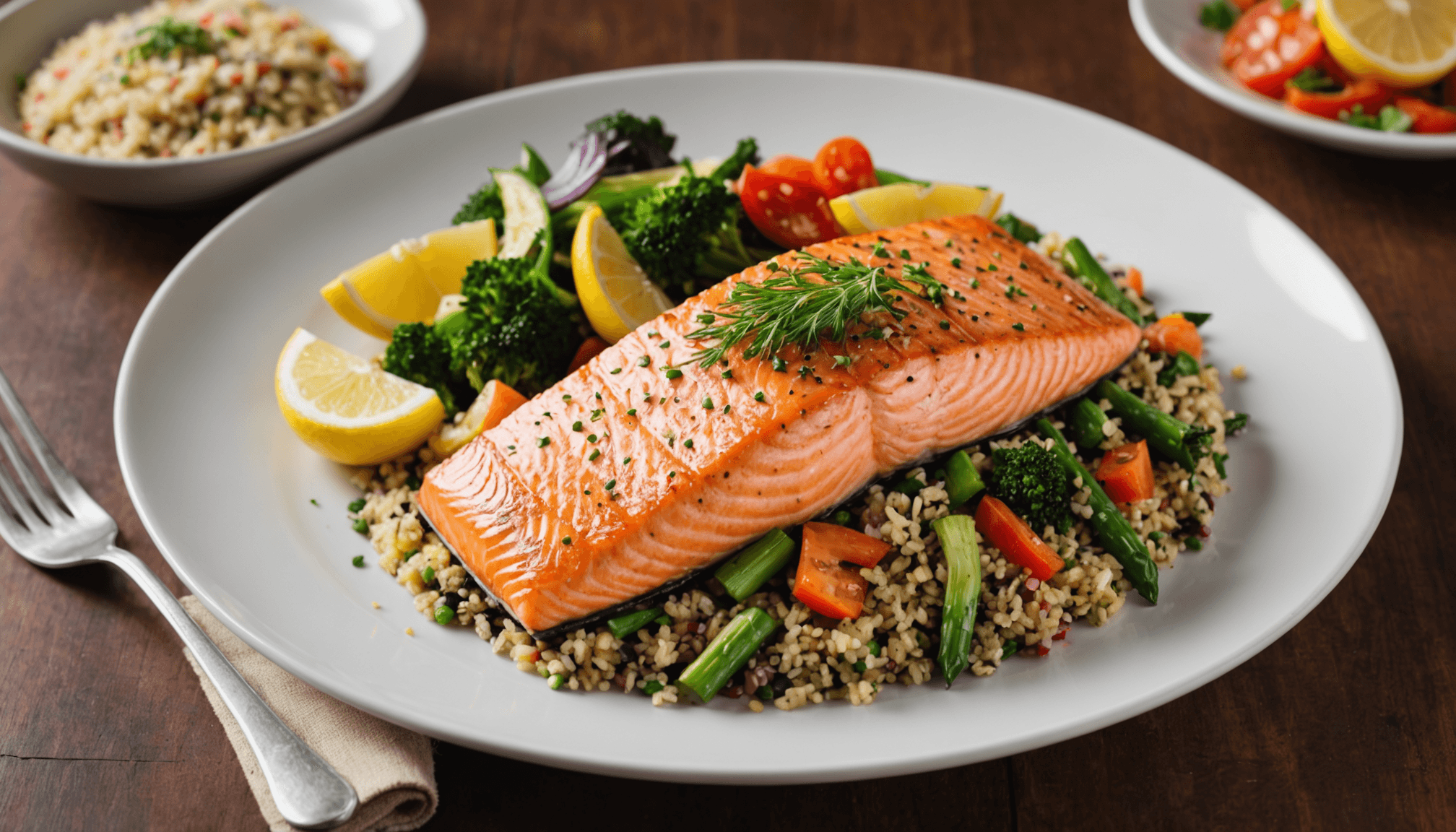
Now, it’s time to serve! On a plate, create a base of fluffy quinoa, add a generous portion of your crispy pan-seared salmon on top, and artfully arrange the sautéed vegetables on the side.
“Cooking is like love. It should be entered into with abandon, or not at all.” – Julia Child
This inviting and nutritious plate is not only a dazzling representation of healthy organic dinner recipes but also a celebration of the delightful pairing of salmon and quinoa. Enjoy your culinary creation!
Serving Suggestions and Pairing Ideas
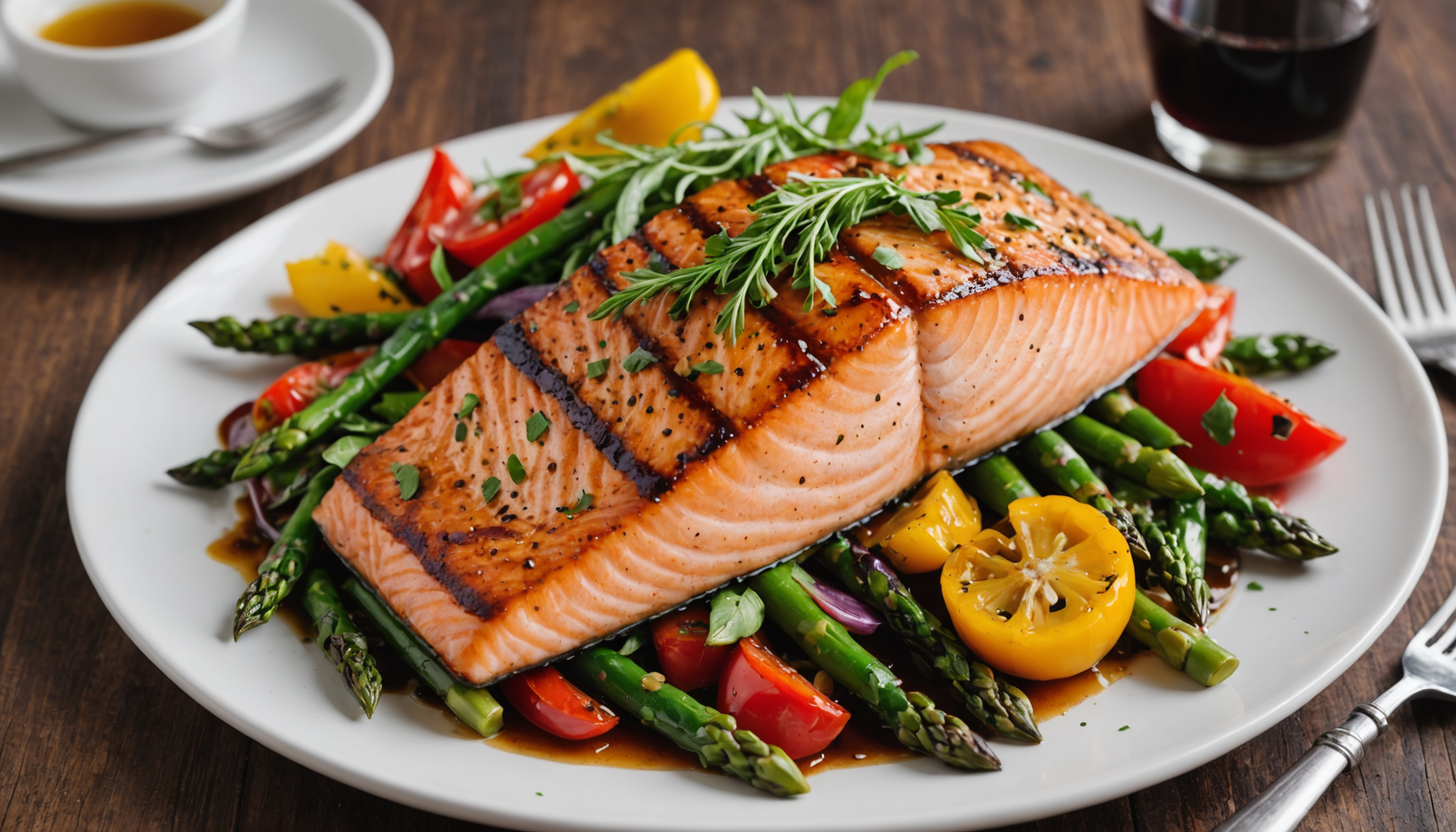 When it comes to serving your pan-seared salmon with quinoa, creativity is your best friend. For a delightful twist, consider laying your salmon over a bed of lightly dressed greens such as arugula or spinach, which can elevate the presentation while adding a burst of freshness. Drizzle a light vinaigrette, perhaps made with olive oil and balsamic vinegar, to tie all the flavors together beautifully.
You can also explore various garnishing options to enhance the visual appeal and flavor profile of the dish. Chopped fresh herbs like dill or cilantro sprinkled on top not only add a pop of color but also enhance the taste with their aromatic qualities. If you’re feeling adventurous, add thin slices of avocado or a sprinkle of sesame seeds for added richness.
Pair your salmon and quinoa with seasonal vegetables either roasted or grilled. For a well-rounded meal, consider serving grilled asparagus, zucchini, or colorful bell peppers that not only complement the taste but also introduce a rainbow of nutrients into your dinner. Roasting brings out the natural sweetness of these vegetables, while grilling imparts a smoky flavor that pairs wonderfully with the rich salmon.
If you’re in a hurry or looking to simplify your meal prep, preparing a quinoa salad is a fantastic option. Mix cooked quinoa with diced cucumbers, cherry tomatoes, red onion, and a squeeze of fresh lemon juice for a refreshing side that balances the richness of the salmon while adding hearty crunch and zest. This combination can be made ahead and even tastes better after marinating, making your meal prep consistent with a healthy organic dinner theme.
For those who enjoy wine, a crisp white wine such as Sauvignon Blanc or a light Pinot Grigio can create an exceptional pairing with your meal. The acidity in these wines complements the salmon perfectly, enhancing the dining experience.
Take a moment to consider the beauty of improvisation in your kitchen. Each meal is a canvas waiting for you to paint flavors onto it. Playing with different ingredients and combinations not only excites the palate but also reinforces the importance of fresh, nutritious eating. The journey of preparing pan-seared salmon with quinoa is as much about exploration as it is about enjoying the wholesome food.
- What type of salmon is best for pan-searing?
- Wild-caught salmon is often preferred for pan-searing due to its superior flavor and nutrient profile when compared to farmed options. When shopping, look for fillets that are vibrant in color and have a fresh scent.
- How can I make quinoa more flavorful?
- To enhance quinoa’s flavor, cook it in vegetable or chicken broth instead of water. You can also add fresh herbs, spices, or a splash of citrus juice after cooking to elevate its taste.
- What vegetables pair well with salmon and quinoa?
- Seasonal vegetables such as asparagus, zucchini, bell peppers, and spinach complement both salmon and quinoa wonderfully. These combinations can provide vibrant colors and a range of textures on your plate.
- Can I use frozen salmon for this recipe?
- Yes, frozen wild-caught salmon is a great option. Just ensure it’s properly thawed before cooking for the best texture and flavor.
- How do I know when my salmon is cooked?
- Salmon is typically done when it becomes opaque and flakes easily with a fork. Cooking times may vary, but a general guide is about 4 to 5 minutes per side, depending on the thickness of the fillet.
- Can quinoa be prepared ahead of time?
- Absolutely! Quinoa can be cooked ahead and stored in the refrigerator for up to five days. This makes it a fantastic option for meal prepping.
- What are some healthy dressings for quinoa salads?
- Light vinaigrettes made with olive oil, lemon juice, or balsamic vinegar are great for quinoa salads. You can also try Greek yogurt-based dressings or tahini for a creamier option.
Storing Leftovers and Reheating Tips
For those evenings when you have delicious leftovers of pan-seared salmon and quinoa, proper storage and reheating methods are essential to enjoying your meal just as much as when it was freshly cooked. Leftovers don’t have to feel like a chore; with the right techniques, you can transform them into a delightful experience.
First and foremost, ensure that your leftover salmon is stored in an airtight container. This minimizes exposure to air, which can lead to oxidation and spoilage. If you’re storing it for more than a day, you might want to consider freezing it. To do this safely, wrap the salmon tightly in plastic wrap and then place it in foil or a freezer-safe bag. Properly packaged, it can last in the freezer for up to three months
.
Quinoa, when cooled properly, can also be stored in an airtight container in the refrigerator for about four to five days. If you have extra quinoa on hand, you can easily add it to salads or bowls throughout the week, making it a versatile ingredient.
When it comes time to reheat, gentle methods are the key to retaining moisture and flavor. Here’s how to effectively reheat your salmon and quinoa:
- Reheating Salmon: The best way to reheat salmon is in the oven to maintain its flaky texture. Preheat your oven to 275°F (135°C), place the salmon on a baking sheet, and cover it with foil. Heat for about 15 minutes or until warmed through. This method prevents the fish from drying out.
- Reheating Quinoa: For quinoa, consider adding a splash of water or broth to a pan and then warming it gently on the stovetop. Stir occasionally to ensure even heating and to keep it fluffy. You can also microwave quinoa, but don’t forget to add a little liquid and cover it to avoid dryness.
To elevate your leftovers and enjoy them in a fresh way, consider combining the salmon with new ingredients. Add a handful of fresh spinach or arugula, along with some sliced cherry tomatoes, to create a vibrant salad. Top it with a drizzle of your favorite light dressing for a quick and nutritious meal. Alternatively, you could incorporate the salmon into a breakfast dish, flaking it over scrambled eggs or mixing it into a breakfast bowl with avocado and quinoa.
From a food safety perspective, always ensure that leftovers are consumed within a few days of cooking, and if you ever have doubts about their freshness, it’s best to err on the side of caution. Freshness is key in ensuring a healthy organic dinner, so trust your senses—if it smells off or looks questionable, don’t hesitate to discard it.
When shopping for these ingredients online, select a reputable grocery provider that prioritizes quality and freshness. Review policies on how they handle perishables, and opt for companies that guarantee timely delivery. This way, you can enjoy your pan-seared salmon and quinoa recipes knowing they’re safe and fresh when they reach your kitchen.
New Customers Offer!
Free Gift for the new customer
$24 Value, When You Subscrib Visit Thrive Market