- Benefits of Organic Ingredients
- Choosing the Right Proteins
- Seasonal Vegetable Selection
- Flavorful Seasonings and Sauces
- Creative Bowl Combinations
- Meal Prep Tips for Busy Days
When shopping for ingredients, opting for organic items can significantly enhance the nutritional quality of your meals, especially when creating delicious meat bowls or other healthy dinners. Organic fruits and vegetables typically contain higher levels of vitamins and antioxidants, not to mention they are free from harmful pesticides and chemicals that can alter both health and flavor.
While in-store shopping allows you to inspect the freshness and quality of produce, online grocery shopping offers convenience. However, when purchasing organic items online, it’s crucial to shop from reputable sources that guarantee their produce is certified organic. Look for stores that provide clear labeling and transparency in their supply chains. Checking consumer reviews and ratings can also help assure that you’re receiving quality products.
When making your shopping list, remember to prioritize local and seasonal ingredients as they tend to be fresher and often more flavorsome. Supporting local farmers not only ensures better taste but often results in budget-friendly options since you skip any markup associated with long-distance shipping. Don’t hesitate to ask vendors about their farming practices and certifications if you’re unsure about a product’s organic status.
For those following a vegan lifestyle, organic legumes, quinoa, and whole grains should be staples in your pantry, providing essential proteins without sacrificing taste or health. Additionally, explore local farmers’ markets, where you can find organic tofu and tempeh, both of which are fantastic sources of protein for your bowls.
Budget-conscious shopping doesn’t have to compromise quality. Buying in bulk can be a wise choice for grains, nuts, and seeds, which are not only versatile but also keep well. Consider incorporating dried herbs and spices to flavor your meals without breaking the bank; these items often last longer and can elevate any dish’s taste profile.
Lastly, be mindful of ingredient safety. Always check expiration dates, and strive for produce that is bright, firm, and free of blemishes. When purchasing packaged organic foods, make sure they’re sealed properly. Familiarize yourself with the top food safety guidelines to ensure everything you bring home is as safe as it is delicious.
With these tips, you’ll be well on your way to assembling healthy bowls that align with your dietary needs and preferences, creating organic recipes that are both wholesome and satisfying.
Choosing the Right Proteins
When it comes to crafting flavorful and nutritious meat bowls for healthy dinners, the choice of protein is paramount. The right protein not only enhances the overall taste of your dish but also plays a crucial role in fulfilling dietary needs. It is essential to select high-quality organic proteins, as they provide both flavor and health benefits, ensuring your meat bowls are satisfying and wholesome.
Organic meat, whether it be chicken, beef, pork, or turkey, comes from animals that have been raised without the use of antibiotics or growth hormones, and are often fed organic feed. This contributes to a more nutrient-dense product. For instance, organic beef is known for its rich flavor, and studies have shown it can contain higher levels of omega-3 fatty acids compared to conventionally raised cattle. Choosing organic poultry can also lead to lower levels of harmful bacteria, providing peace of mind alongside flavorsome results.
For those looking to incorporate plant-based options, organic legumes and beans serve as excellent protein sources. They are rich in fiber, which can enhance satiety and improve digestive health. Likewise, organic tofu and tempeh are popular in vegan and vegetarian diets, offering substantial protein while retaining a neutral flavor that absorbs seasonings well.
A variety of choices allows for flexibility in meal preparations:
| Protein Source | Type | Key Nutritional Benefits | Flavor Profile |
|---|---|---|---|
| Organic Chicken Breast | Poultry | Low in fat, high in protein | Mild, versatile |
| Organic Grass-Fed Beef | Red Meat | Rich in Omega-3s, vitamins, and minerals | Rich, robust |
| Organic Turkey | Poultry | Lean protein, low in fat | Lightly savory |
| Organic Tempeh | Plant-based | High in protein and fiber | Nutty, hearty |
| Organic Lentils | Plant-based | High in protein and fiber | Earthy, mild |
When planning your meat bowls, consider varying protein sources throughout the week to capitalize on different flavors and nutrients. This not only adds excitement to your meals but also allows you to benefit from the diverse health advantages each protein type offers.
In addition to sourcing quality proteins, the method of preparation can further enhance their appeal. Grilling, roasting, or sautéing organic proteins allows the natural flavors to shine while also adding textures that complement your bowls. Marinating proteins in a mixture of organic oils, herbs, and spices can elevate the taste profile further.
By thoughtfully choosing your proteins and preparing them well, you set the foundation for satisfying and nutritious meat bowls that embody the essence of healthy dinners.
Seasonal Vegetable Selection
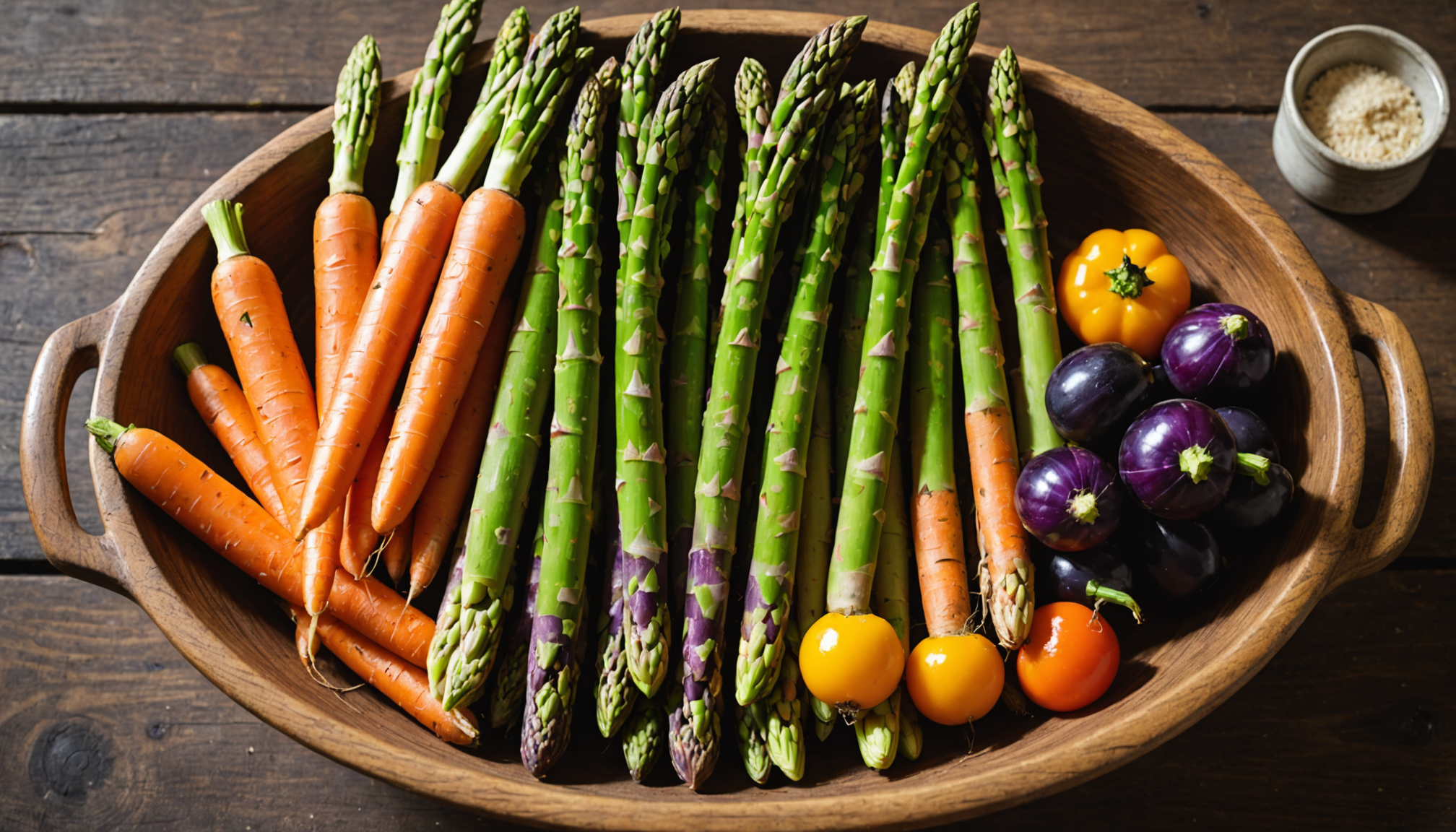
Seasonal vegetables not only add vibrant colors and fresh flavors to your meat bowls but also come packed with nutrients that vary throughout the year. Shopping for these ingredients in season means you’re likely to find them at their peak freshness and at a better price, especially if you buy them locally. When you plan your meals based around the seasons, you embrace the natural ebb and flow of produce availability, supporting both your health and local agriculture.
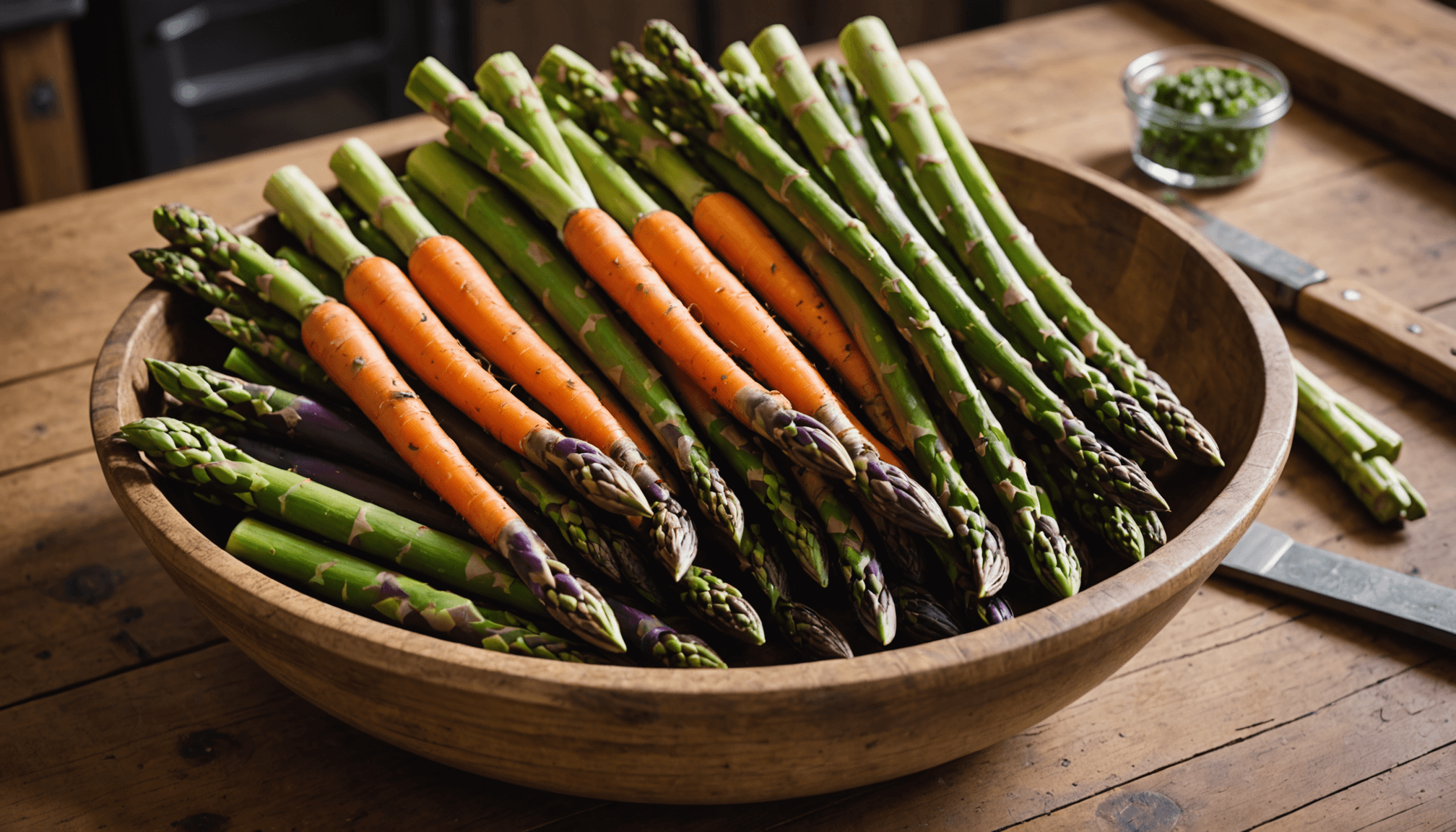
When visiting a farmer’s market, take the time to explore and ask vendors which vegetables are currently in season. For example, during spring, you might find tender asparagus, green peas, and fresh herbs like basil and cilantro. Summer brings a bounty of zucchini, tomatoes, bell peppers, and eggplant, which make for excellent grilled or roasted additions to any bowl. In the fall, sweet potatoes, beets, and Brussels sprouts shine, while winter offers hearty greens like kale and chard along with root vegetables. Here’s a breakdown of seasonal vegetables you might consider:
- Spring: Asparagus, radishes, spinach, and artichokes
- Summer: Zucchini, tomatoes, corn, and cucumbers
- Fall: Butternut squash, carrots, parsnips, and apples
- Winter: Kale, Brussels sprouts, turnips, and leeks
Incorporating a variety of colors and textures into your bowls not only makes your meals aesthetically pleasing but also maximizes the nutritional benefits you get with every bite. For instance, pairing the sweetness of roasted beets with the slight bitterness of wilted kale creates a dish that’s both balanced and interesting. Similarly, combining seasonal vegetables with grains, proteins, and healthy fats can lead to filling, nutrient-dense meals that cater to families, fitness enthusiasts, and anyone looking for healthy dinners.
When it comes to online shopping, look for resources that specifically highlight seasonal produce available in your area. Many grocery delivery services now offer curated lists of seasonal items, allowing you to enjoy the freshest ingredients without leaving your home. Ensure you’re familiar with any safety measures when ordering online; verify that the online retailers are reputable and offer clear return policies in case the quality doesn’t match your expectations.
As you expand your veggie repertoire, don’t shy away from experimenting with lesser-known options like kohlrabi or seashore vegetables that could bring a delightful twist to your meat bowls. Remember to always wash your vegetables thoroughly to remove any potential pesticide residues—even if you’re buying organic produce. And, if you have the space, consider starting a small herb garden at home; fresh herbs can elevate any dish and are often more economical than store-bought options.
Embracing seasonal vegetable selection is not just about eating what’s fresh and local; it’s about enriching your meals with flavor, ensuring sustainability, and supporting your health through a varied and dynamic diet. So the next time you set out to shop, keep the seasons in mind and savor the wholesome bounty that each has to offer.
Flavorful Seasonings and Sauces
The right blend of seasonings and sauces can transform your meat bowls into culinary masterpieces, elevating simple ingredients into vibrant, flavorful meals. Exploring various spices, herbs, and sauces allows you to create a taste experience that complements the organic meats and fresh vegetables you’ve chosen.
Start with the basics: salt and pepper are essential, but experimenting with different varieties can add depth to your dishes. For example, Himalayan pink salt offers a mineral-rich flavor, while freshly cracked black pepper enhances the overall taste with its robust heat. However, it’s the layer of spices that truly transforms your meat bowls from ordinary to extraordinary.
Incorporate spices such as cumin, paprika, turmeric, or coriander to introduce warmth and complexity. These spices not only add dimension but also come with health benefits, such as anti-inflammatory properties and antioxidants. Create your custom spice blend to sprinkle on proteins before cooking, or mix them into your vegetables for a deliciously aromatic result.
Herbs also play a crucial role in flavoring your dishes. Fresh herbs like basil, cilantro, parsley, or dill can elevate your meat bowls with their brightness. Consider creating a simple herb-infused oil by blending fresh herbs with high-quality organic olive oil—a perfect drizzle atop your finished dish adds both flavor and visual appeal.
Sauces are another fantastic way to enhance your organic recipes. Think beyond traditional dressings; try a tahini-based sauce mixed with lemon juice and garlic for a creamy, nutty finish that pairs beautifully with roasted vegetables. A homemade chimichurri, crafted from parsley, garlic, vinegar, and olive oil, can bring a zesty burst to grilled meats, while a tangy yogurt sauce infused with herbs serves as a refreshing counterpoint to spicy proteins.
When preparing sauces, opt for organic ingredients to maintain the integrity of your meal. Avoid store-bought varieties with artificial additives and preservatives by making your own. Not only do you have control over flavors, but you also ensure that your sauces are as wholesome as the ingredients in your bowls.
Don’t forget about marinades—a flavorful marinade can significantly enhance the taste of meats when left to soak for a few hours or overnight. Combine organic soy sauce, ginger, garlic, and sesame oil for a delicious Asian-inspired marinade, or blend balsamic vinegar with honey and mustard for a classic Italian flair.
The versatility of seasonings and sauces ensures that there’s always room for creativity in your kitchen. With a little experimentation, your meat bowls can become a reflection of the flavors you love—whether you prefer spicy, savory, or sweet profiles. With the right approach to seasonings and sauces, every bowl can be a delightful journey through diverse culinary landscapes, all while maintaining your commitment to nutritious, healthy dinners.
“The secret to great cooking: seasoning well.” — Chef Thomas Keller
Creative Bowl Combinations
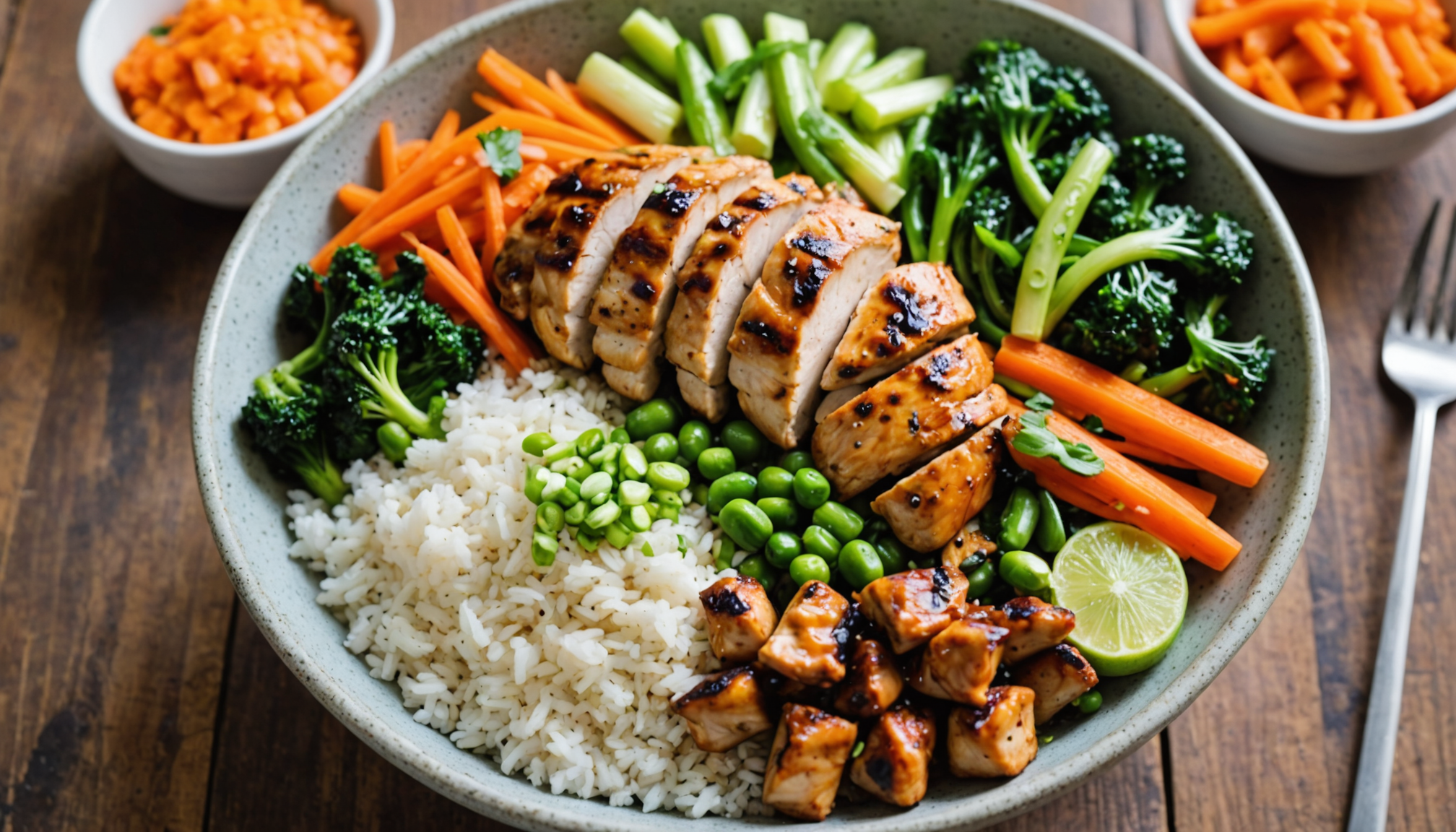 When it comes to crafting your meat bowls, creativity knows no bounds; the possibilities are endless when it comes to flavor combinations and ingredient pairings. Embracing a diverse palette of ingredients not only enhances the sensory appeal of your meals but also encourages exploration and discovery in your cooking routine. Consider building your bowls around a theme or a particular cuisine—this can drive your ingredient choices and inspire new combinations.
For instance, if you’re in the mood for an Asian-inspired bowl, start with fluffy jasmine rice or organic quinoa as your base. Top it with marinated grilled chicken or tofu and a colorful array of steamed bok choy, shredded carrots, and snap peas. Drizzle with a homemade sesame-ginger dressing, and finish with a sprinkle of sesame seeds and sliced green onions for a finishing touch. This layered approach keeps your bowls exciting while also offering a nutritious balance of protein and veggies.
Conversely, a Mediterranean-themed bowl could feature farro or bulgur as the grain base. Topped with spiced ground lamb or hearty chickpeas, you can add a generous serving of roasted eggplant, cherry tomatoes, and a refreshing cucumber salad drizzled with yogurt dressing. To complete the dish, sprinkle with fresh herbs like mint and parsley, which not only enhance flavor but also add vibrant color.
If you prefer a classic comfort food feel, think of creating a “bowl” version of a shepherd’s pie. Start with a base of creamy mashed potatoes—made with organic butter and a splash of milk for richness. Layer on seasoned ground turkey or beef, followed by a mix of organic peas and carrots. Finish it all off with a sprinkle of cheddar cheese and bake until bubbly; this comforting dish can easily be packed into individual servings for meal prep throughout the week.
Your choice of toppings can also significantly influence the flavor and texture profile of your meat bowls. Toasted nuts or seeds can add a satisfying crunch, while pickled vegetables can introduce a tangy contrast to rich ingredients. Experimenting with different textures through crispy kale chips, creamy hummus, or smooth avocado can elevate each bite, creating a truly engaging eating experience.
As you explore various bowl combinations, don’t shy away from incorporating leftovers. Transform last night’s roast into a whole new meal by slicing it thin and serving it over greens with a zesty vinaigrette or mixing it into a grain salad. This not only saves time and reduces waste but also emphasizes the idea of versatility in cooking.
The emphasis on creativity extends beyond just the ingredients; the visual presentation of your bowls can significantly elevate the eating experience. Play with color contrasts and arrange your ingredients in a visually appealing way; this will not only make your dish look appetizing but also makes each ingredient more exciting to eat. Creating a masterpiece on your plate can be a motivating factor in your cooking journey, encouraging you to experiment further with flavors and combinations.
With each bowl you create, you expand your culinary repertoire, all while adhering to a commitment to wholesome eating and healthy dinners. The experience of crafting these meat bowls can be as satisfying as the meal itself, encouraging a return to the kitchen and a newfound appreciation for natural, organic ingredients.
- What are the benefits of using organic ingredients in my bowls?
- Organic ingredients typically contain higher levels of nutrients and are free from harmful pesticides and chemicals, resulting in healthier and tastier meals. They also support sustainable farming practices and local economies.
- How can I ensure the proteins I choose are high-quality?
- Look for organic certifications that indicate the protein sources are raised without antibiotics or growth hormones. Additionally, sourcing from local farms can provide assurance of freshness and ethical practices.
- What seasonal vegetables should I include for the best flavor?
- Shop for vegetables that are in season, such as asparagus in spring, tomatoes in summer, and root vegetables like carrots and sweet potatoes in fall. These will usually be fresher and have better flavor profiles.
- How can I create flavorful sauces without store-bought products?
- Make homemade sauces using fresh organic ingredients like herbs, spices, and oils. Simple recipes can combine items like tahini, garlic, and lemon juice for creamy dressings that elevate your meals.
- What are some creative combinations for my meat bowls?
- Explore different cuisines by integrating diverse grains and proteins. For example, create Mediterranean bowls with farro, roasted veggies, and grilled chicken or an Asian-inspired bowl using quinoa, marinated tofu, and steamed greens.
- Can I prep my meat bowls in advance?
- Absolutely! Meal prepping allows you to assemble ingredients ahead of time, making it easier to maintain healthy eating habits throughout the week. Store ingredients separately and combine them when ready to eat.
- What are some tips for enhancing the meal presentation?
- Play with color contrasts and textures by arranging ingredients visually appealing in the bowl. Using vibrant garnishes, such as fresh herbs or nuts, can make your dish look and taste more enticing.
Meal Prep Tips for Busy Days
For busy families and fitness enthusiasts, meal prep can be a game changer when it comes to maintaining healthy eating habits throughout the week. Efficient planning and preparation not only save you time but also ensure that you always have nutritious, home-cooked meals ready to go, especially when life gets hectic. Here are some practical tips to enhance your meal prep experience:
Start by designating a specific day each week for meal prep. Whether it’s Sunday afternoon or Monday evening, set aside a few hours to cook and assemble your meals. This dedicated time helps create a routine and takes away the chaos of last-minute cooking during busy weekdays. Make it a family affair; involve everyone by assigning tasks based on age and ability, making it both fun and collaborative.
Plan your menu ahead of time. Write down recipes for the week, focusing on healthy dinners that incorporate a variety of proteins, grains, and seasonal vegetables. Using a whiteboard or an app can keep your menu visible and allow for easy adjustments. Consider batch cooking elements like grains and proteins to use in multiple meals throughout the week.
Invest in quality containers that are suitable for both refrigerator and freezer storage. Glass containers with airtight lids are ideal, as they help maintain freshness and make it easy to see what’s inside. Portion out servings of your meat bowls or other meals so that they’re ready to grab-and-go when hunger strikes. Labeling containers with the meal name and date ensures you enjoy them while they’re still fresh.
Don’t hesitate to utilize your freezer. Cooking in bulk means you can freeze individual portions of your organic recipes for those days when you’re short on time. Soups, stews, and even some grain salads can be excellent candidates for freezing and thawing later. Just remember to portion them thoughtfully to avoid wasting any food.
When prepping vegetables, washing and chopping them in advance can save significant time during the week. Store prepped veggies in clear containers in the fridge, making them convenient for salads, stir-fries, and your meat bowls. Consider roasting a batch of seasonal vegetables to have on hand; they add flavor, nutrition, and instant variety to your dishes.
Incorporate a variety of flavors and textures to keep meals interesting. Use different spices and herbs to create distinct tastes from the same base ingredients. For example, you can prepare quinoa for your bowls, then season it differently with lemon and parsley one day, and a soy-ginger dressing another day. This way, you avoid the monotony that can come with meal prepping.
When it comes to safety, ensure your food is handled correctly. Always store cooked foods in the fridge within two hours of cooking to prevent bacterial growth. Additionally, be mindful of thawing methods: avoid leaving frozen meals at room temperature. Instead, use the refrigerator for gradual thawing or heat from frozen in the microwave.
If you prefer online shopping, choose a reputable grocery delivery service that prioritizes quality and timing. Look for deliveries that offer fresh organic options and verify their customer service policies in case issues arise with your order. Don’t hesitate to reach out to customers who have used them to gauge satisfaction.
Embracing meal prep may seem daunting at first, but with a bit of organization and creativity, it can become an easy and enjoyable part of your routine. The key is consistency—once you establish your meal prep pattern, healthy eating will be the default even on the busiest days, ensuring you stay on track for your fitness goals and lifestyle.
New Customers Offer!
Free Gift for the new customer
$24 Value, When You Subscrib Visit Thrive Market