- Benefits of Organic Seafood
- Choosing the Right Ingredients
- Flavorful Marinades and Seasonings
- Creative Bowl Combinations
- Nutritional Value of Seafood Bowls
- Tips for Meal Prep and Storage
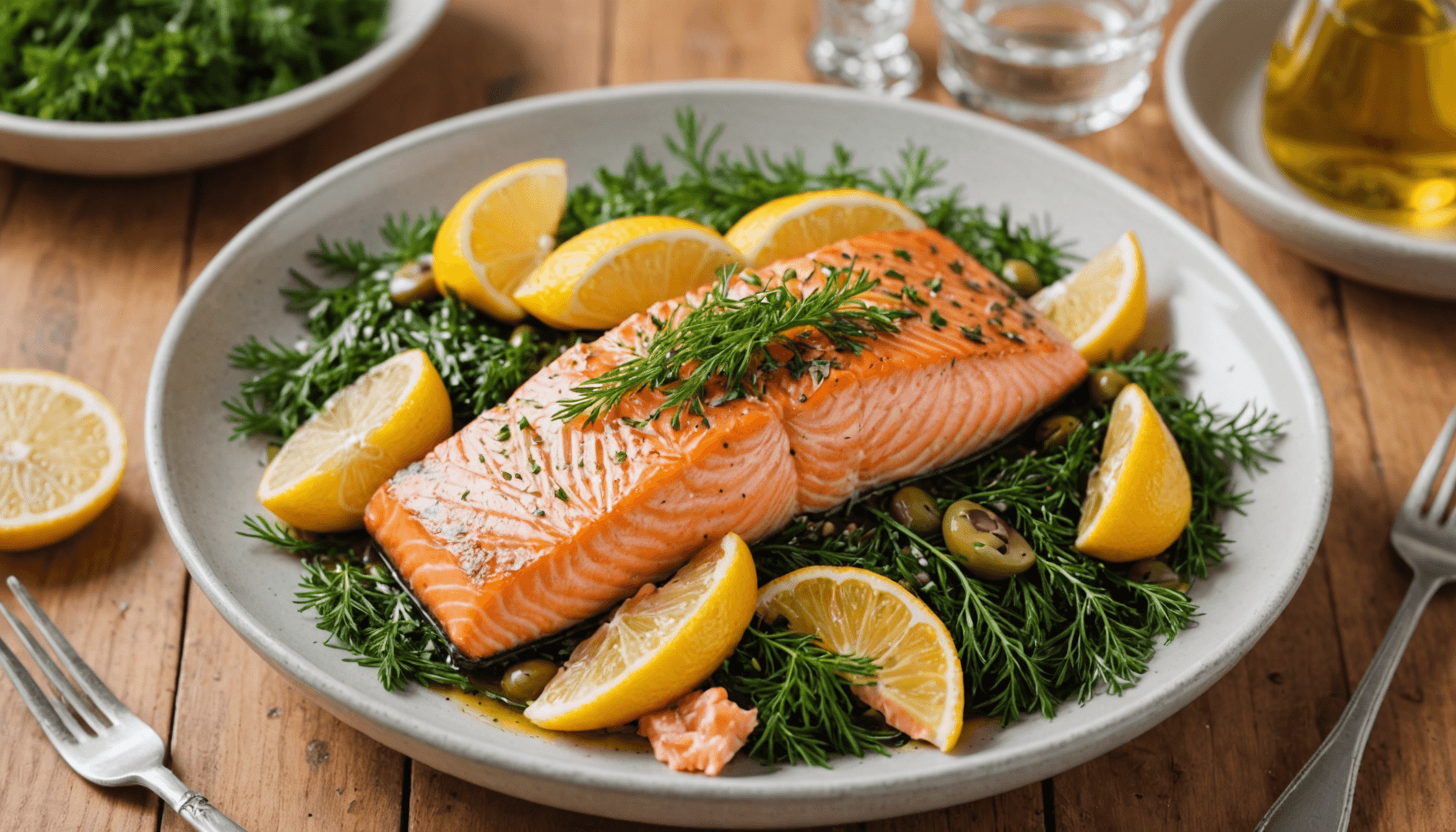
When it comes to enhancing your grocery shopping experience, especially for those planning to whip up delicious seafood bowls at home, a few smart tips can make all the difference. First and foremost, prioritize organic foods. Look for seafood that’s certified organic; this not only supports sustainable fishing practices but also ensures you’re consuming fish free from harmful chemicals and antibiotics. Sustainable sources often come from local fisheries, which helps reduce your carbon footprint and supports community resources.
As you browse through your options, look for seafood varieties that are in season. This ensures fresher options and often better prices. Consider visiting your local farmer’s market where vendors frequently offer locally sourced organic seafood. Not only will you find quality products, but you may also discover new, exciting types of fish to try in your healthy dinners.
Add in a variety of plant-based proteins if you’re exploring vegan options. Quinoa, lentils, or chickpeas can be excellent substitutes that pack a punch in terms of nutrition. Make it a fun challenge to create organic recipes that cater to both seafood lovers and vegans alike!
When shopping online, safety should remain a priority. Always buy from reputable websites that prioritize transparency about their sourcing methods. Look for user reviews and ratings to ensure that you’re purchasing high-quality products. If possible, choose websites that offer guarantees on freshness and quality, especially for perishable items like seafood.
For budget-friendly shopping, consider purchasing frozen organic seafood. It’s often just as nutritious as fresh, due to being processed quickly after catching. This also provides an advantage when planning meals ahead of time, making it easier to create delicious seafood bowls at your convenience.
Before you complete your purchase, check if the store offers a rewards program or any discounts for bulk purchases. These small savings can add up over time, making your shopping more economical.
Think about the essentials to have on hand when crafting flavorful bowls. Stock up on various grains like brown rice or farro, and don’t forget fresh veggies, herbs, and zesty citrus fruits. Always inspect produce for freshness and avoid any items that appear wilted or damaged. Labeling is crucial too—prioritize stores that provide clarity around the source, especially for seafood. Good shopping habits and a keen eye can elevate your meal prep and storage practices, leading to wholesome, satisfying family dinners.
Choosing the Right Ingredients
When selecting the right ingredients for your seafood bowls, it is essential to consider quality, sustainability, and nutritional value. Understanding the various components that make up a delicious and healthy bowl can elevate your dish significantly.
Start with your seafood choice. Look for options such as salmon, tuna, or shrimp that are sustainably sourced. For example, wild-caught salmon not only offers superior flavor but is also rich in omega-3 fatty acids. Below is a comparison of some popular seafood options commonly used in bowls:
| Seafood Type | Source | Flavor Profile | Nutritional Benefits |
|---|---|---|---|
| Wild-Caught Salmon | Ocean | Rich, buttery | High in omega-3s, protein, vitamins A and D |
| Seasonal Tuna | Ocean | Meaty, slightly sweet | Lean protein, vitamin D |
| Organic Shrimp | Farmed sustainably | Sweet, firm | Low in calories, high in protein, selenium |
Following your seafood, consider the base for your bowl. Whole grains offer not only bulk and texture but also essential nutrients. Brown rice, quinoa, and barley stand out as stellar choices that complement the flavors of seafood beautifully while adding fiber and vitamins. Experimenting with different grains can introduce unique taste experiences and health benefits to your healthy dinners.
Fresh vegetables are another crucial element. Aim for a colorful mix, incorporating vibrant options such as spinach, bell peppers, carrots, and avocado. This not only enhances the visual appeal of your bowls but also ensures that they are packed with vitamins, minerals, and antioxidants. Crunchy vegetables like cucumbers or radishes elevate the texture, while leafy greens add a refreshing note.
Herbs and seasonings play a significant role in infusing flavor. Fresh herbs such as cilantro, parsley, or dill can brighten up your seafood bowls, while spices like cumin or smoked paprika add depth. Incorporating a squeeze of citrus—like lime or lemon—can enhance all components of the dish, tying together the flavors harmoniously.
Finally, don’t overlook the option of adding plant-based proteins for a more filling and nutritious blend. Incorporating lentils or chickpeas can create a beautiful harmony between traditional seafood elements and plant-based goodness, catering to various dietary preferences and creating versatile organic recipes.
The careful selection of these ingredients, combined with a focus on freshness and sustainability, will ensure that your seafood bowls not only taste great but also contribute positively to your overall health. When you invest thought and care into the foundational elements of your dish, each meal can be a celebration of vibrant flavors and wholesome nourishment.
Flavorful Marinades and Seasonings
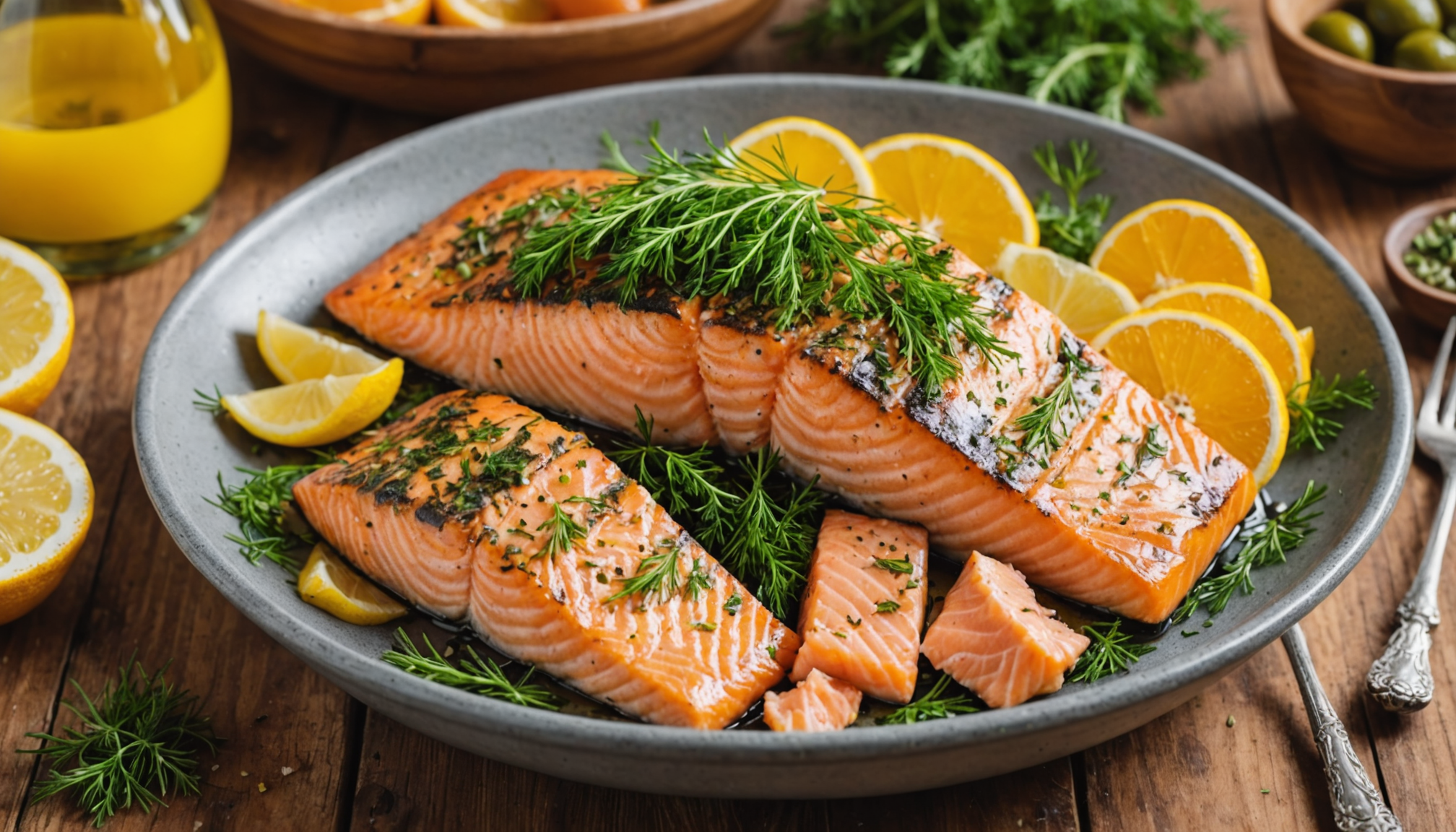
To infuse your seafood bowls with irresistible flavors, selecting the right marinades and seasonings is essential. Marinades not only enhance the taste but can also tenderize the seafood, making every bite a delectable experience. Here are some tips to consider when creating your marinades:
- Simple Ingredients: Focus on few, high-quality ingredients for your marinades. A combination of olive oil, lemon juice, garlic, and fresh herbs can do wonders without overwhelming the natural flavors of your seafood.
- Sweet and Savory: Consider adding a splash of soy sauce or tamari for umami depth. A touch of honey or maple syrup can add sweetness to balance savory elements.
- Spice It Up: Don’t shy away from spices! Add a pinch of cayenne for heat or smoked paprika for a hint of smokiness. These spices can elevate the flavor profile of your seafood bowls and create a unique taste experience.
When creating marinades, let your seafood sit for at least 30 minutes to absorb the flavors, but avoid marinating for too long, especially with acidic ingredients like citrus, as it may cause the fish to become mushy.
For those looking to incorporate vegan options, try using marinades for vegetables or plant-based proteins. A marinade made with balsamic vinegar and fresh herbs can turn tofu or tempeh into a flavor-packed addition to your healthy dinners.
When it comes to seasoning, remember that fresh herbs can brighten up your dishes. Incorporate herbs such as dill and cilantro directly into your seafood bowls, or garnish your creations just before serving for that fresh burst of flavor. Additionally, incorporating toppings like avocado or toasted nuts will add both texture and a layer of nutrition. Nuts, particularly almonds or walnuts, offer healthy fats and protein that complement your seafood excellently.
For online shoppers, always check if the site offers organic seasonings: sun-dried tomatoes, quality oils, and spices should ideally be organic to minimize exposure to pesticides and additives. Be proactive about your health by choosing unprocessed, whole-food products.
Budget-wise, consider making large batches of your favorite marinades and storing them in the fridge. This will not only save time but also ensure convenience when preparing your next bowl. Remember to label your jars with dates to keep track of freshness. When it comes to spices, buying in bulk can be a cost-effective strategy that enhances the flavor profile of your meals while catering to a variety of dietary preferences.
Ultimately, the right marinades and seasonings can transform simple Seafood bowls and elevate your meals, making them flavorful and enjoyable while sticking to your health goals. Embrace creativity, experiment with combinations, and most importantly, have fun in the kitchen crafting organic recipes for you and your loved ones!
Creative Bowl Combinations
In crafting creative combinations for your seafood bowls, the possibilities are truly endless. Begin by considering a mix of textures and flavors that can harmoniously blend to create a satisfying dish. One delightful combination features wild-caught salmon paired with a base of quinoa, tossed with a variety of seasonal vegetables such as roasted sweet potatoes, zucchini, and cherry tomatoes. This trio not only adds vibrant color to your bowl, but also provides a spectrum of nutrients, from healthy fats to complex carbohydrates.
Another enticing option is to use shrimp as your star ingredient, complemented by a base of brown rice and a plethora of fresh toppings. Think sliced cucumbers, shredded cabbage, and avocado, all drizzled with a zesty lime vinaigrette. The crunch from the vegetables balances beautifully with the tender shrimp and the chewiness of the rice, creating an enjoyable eating experience.
Going for an Asian-inspired theme, try combining marinated tuna with a bed of soba noodles, topped with edamame, thinly sliced radishes, and sesame seeds. The interplay of flavors and textures in this bowl not only tantalizes your taste buds but also delivers a refreshing and nutritious meal. The key is to embrace seasonal produce that varies throughout the year, allowing your seafood bowls to evolve and adapt, using what’s freshest and most flavorful.
For a dash of creativity, consider a Mediterranean-style bowl. Pair grilled octopus or mussels with couscous, incorporating olives, sun-dried tomatoes, and fresh herbs like parsley and mint. A squeeze of lemon juice enhances the flavors further while providing a burst of acidity that brings everything together seamlessly. This approach not only introduces variety to your dinners but also celebrates different culinary traditions.
As you experiment with combinations, don’t forget the importance of balance. While focusing on your seafood, ensure that you’ve included a sufficient amount of veggies and a suitable base to create a nutritious profile. The right blend of proteins, whole grains, and colorful vegetables will transform your bowls into health powerhouses without compromising on taste.
Incorporating plant-based proteins can also create exciting variations for your healthy dinners. For instance, try blending grilled zucchini and chickpeas over a base of farro, topped with a tangy tahini dressing. This combination not only meets the dietary preferences of both seafood lovers and vegans but also showcases a creative and wholesome twist on traditional seafood bowls.
“The food you eat can be either the safest and most powerful form of medicine, or the slowest form of poison.” — Ann Wigmore
Using this philosophy, nurturing your body with fresh, organic ingredients and imaginative combinations allows for meals that are not only enjoyable but also nourishing. The focus should be on integrating diverse flavors and textures while prioritizing health, making meal preparation an exciting and fulfilling experience.
Nutritional Value of Seafood Bowls
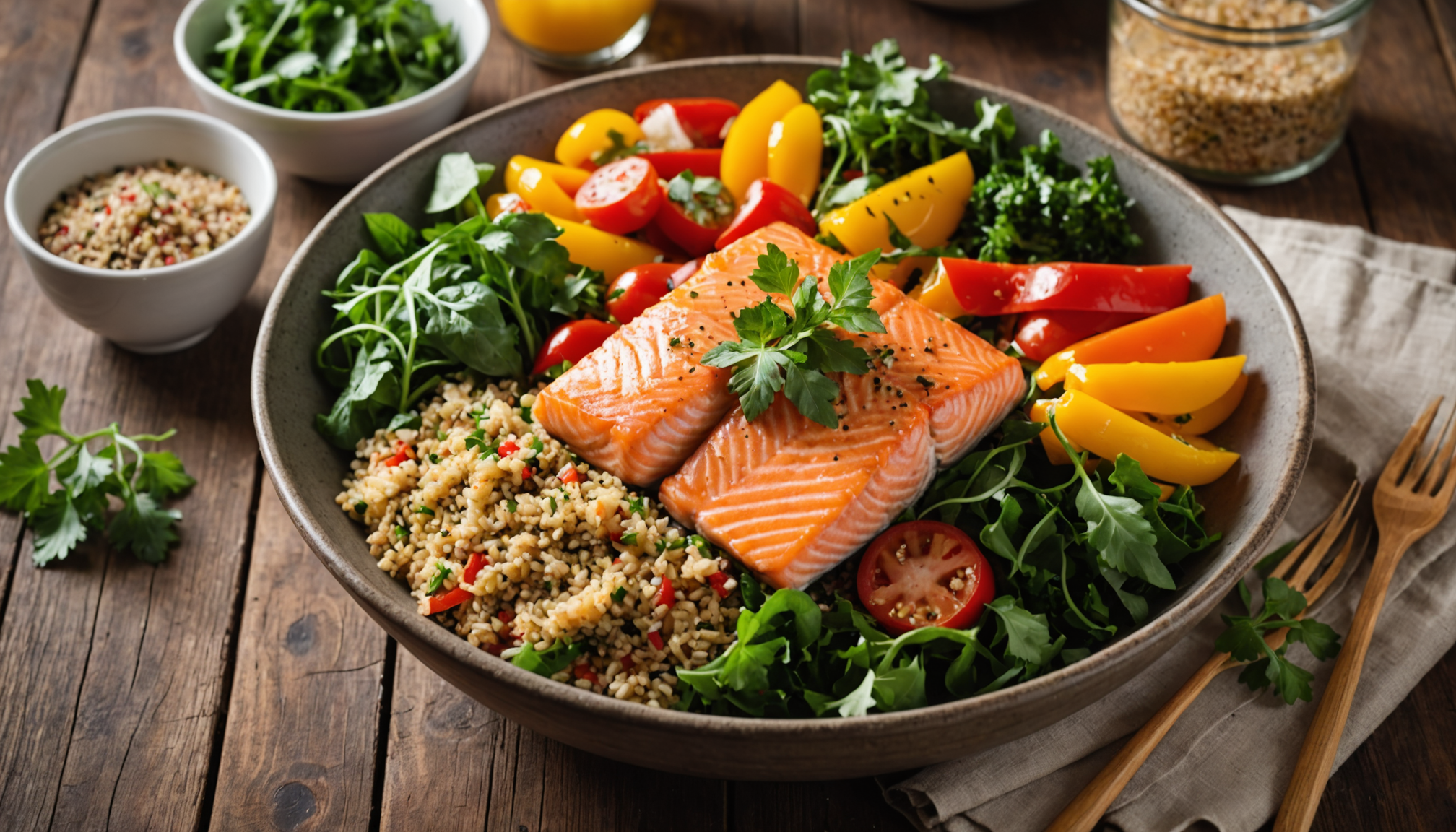 Seafood bowls are a fantastic way to enjoy a diverse range of flavors and nutritional benefits. When evaluating the nutritional value of these bowls, it’s essential to understand the contributions of each ingredient. Seafood, known for its lean protein and omega-3 fatty acids, plays a pivotal role in enhancing heart health, promoting brain function, and reducing inflammation. These nutrients are particularly abundant in varieties such as wild-caught salmon, mackerel, and sardines.
Moreover, incorporating a variety of colorful vegetables in your seafood bowls increases the intake of vitamins, minerals, and antioxidants crucial for overall health. For instance, leafy greens like spinach are rich in iron and calcium, while bell peppers provide a hefty dose of vitamin C. Whole grains form the backbone of these bowls, adding vital fiber that aids in digestion and keeps you feeling full longer. Quinoa and brown rice are not only excellent sources of carbohydrates but also include essential amino acids, enhancing the protein profile of your meals.
When considering the nutritional value, it is also essential to explore creative combinations. Balancing macronutrients—proteins, fats, and carbohydrates—culminates in a well-rounded dish. For instance, adding healthy fats from sources like avocado, nuts, or seeds not only enriches the flavor but also supports nutrient absorption. This synergy ensures that each component of your seafood bowl works harmoniously to provide a wholesome dining experience.
As you prepare to dive into the world of seafood bowls, think about how each ingredient contributes to your health and wellness. The flexibility to mix and match different seafood, grains, and vegetables creates an opportunity for not just variety but also a boost in nutritional value. Embracing this approach can encourage a more adventurous attitude toward meal preparation, inspiring you to try new ingredients and techniques in your healthy dinners.
- What are the health benefits of eating seafood bowls?
- Seafood bowls are rich in lean protein, omega-3 fatty acids, and essential vitamins and minerals. These nutrients support heart health, brain function, and overall wellness, making them a nutritious meal option.
- How do I choose sustainable seafood?
- Look for seafood labeled as sustainably sourced or certified by organizations such as the Marine Stewardship Council. Shopping at local farmers’ markets can also ensure you are purchasing seasonal and sustainable catches.
- Can I make seafood bowls vegan?
- Absolutely! You can substitute seafood with plant-based proteins like tofu, tempeh, lentils, or chickpeas. Pair these with grains and vegetables for a nutritious, satisfying alternative.
- What grains work well as a base for seafood bowls?
- Grains such as brown rice, quinoa, farro, and barley make excellent bases. They provide fiber, texture, and essential nutrients that complement the seafood.
- How can I enhance the flavor of my seafood bowls?
- Using flavorful marinades and fresh herbs is a great way to elevate the taste of seafood bowls. A simple combination of olive oil, garlic, lemon juice, and herbs can add depth without overpowering the natural flavors.
- What vegetables should I include in my seafood bowls?
- Include a colorful mix of vegetables, such as leafy greens, bell peppers, cherry tomatoes, cucumbers, and avocados. The variety not only enhances flavor but also boosts the nutritional profile of your dish.
- How do I store leftover seafood bowls?
- Store leftovers in airtight containers in the refrigerator. Seafood bowls can generally be kept for up to two days. Reheat gently to maintain texture and flavor.
Tips for Meal Prep and Storage
When it comes to meal prep and storage, establishing a system that works for you can make your cooking experience more enjoyable and efficient, especially when crafting delicious seafood bowls. To begin with, planning your meals in advance can save time and reduce stress during busy weekdays. Aim to prepare your seafood bowls in batches, allowing for flexibility in your schedule. For instance, consider cooking grains like quinoa or brown rice in larger quantities, then store them in the refrigerator. They can easily be reheated and used as a base for your bowls throughout the week.
For the seafood component, it’s essential to focus on freshness and safety. If you’re purchasing fresh seafood, be sure to consume it within one to two days after purchase. Alternatively, freezing seafood can be a great option for meal prep. Many types of fish freeze well and retain their nutritional value, making frozen seafood a practical choice. Just make sure to thaw it in the refrigerator overnight before use to maintain its quality.
When storing prepared seafood bowls, opt for airtight containers to ensure maximum freshness. Layer your ingredients thoughtfully: grains at the bottom, followed by seafood, and top with veggies and dressings. This helps to prevent sogginess while maintaining the textures and flavors of each component. Keep dressings separate until you are ready to eat, allowing your vegetables to stay crisp. For added convenience, consider using mason jars for individual portions; they are not only aesthetically pleasing but also easy to transport!
Don’t forget about proper safety practices when handling seafood. Always wash your hands before and after handling raw ingredients, and use separate cutting boards to avoid cross-contamination. Make sure that any seafood is cooked to the appropriate temperatures to prevent foodborne illnesses. For optimal freshness, consume leftovers within two days and reheat seafood gently to ensure it remains tender.
If you enjoy online grocery shopping, look for suppliers that provide detailed information about handling and storing their seafood products. Many reputable online retailers offer guidance on best practices for maintaining quality from shipment to your kitchen. Always check customer reviews to assess the shipping process, especially for perishable items like seafood. Lastly, be on the lookout for sales or subscriptions that may offer discounts on organic ingredients, which can make your meal prep even more affordable.
Creating a strategy for meal prep and storage not only optimizes your time in the kitchen but also ensures that your family can consistently enjoy the benefits of healthy dinners. By investing a little effort upfront, you can turn your seafood bowls into a delightful, nutritious staple that delights your taste buds and supports your wellness goals.
New Customers Offer!
Free Gift for the new customer
$24 Value, When You Subscrib Visit Thrive Market