- Healthy dinner ideas
- Essential ingredients for organic meals
- Quick cooking techniques
- Time-saving meal prep tips
- Easy recipes to try tonight
- Nutritious sides and salads
When it comes to grocery shopping for a busy lifestyle, having a strategy can make all the difference. With a little planning, you can make informed choices that cater to your family’s health and budget while ensuring you have the right ingredients on hand for your weeknight meals.
First, consider creating a grocery list based on meals you plan to prepare. Not only does this reduce impulse buys, but it also ensures you include all the necessary ingredients for your healthy cooking. For example, if you’re planning to make a quinoa salad with roasted vegetables and chickpeas, be sure to add fresh herbs and your choice of organic dressing to your list.
Shop local when possible! Local farmers’ markets are great places to find fresh, organic produce. Not only does this support your community, but it often ensures that the food is seasonal and ripe with flavor. Look for fruits and vegetables that are in season such as organic food like tomatoes in summer or squash in the fall. These items are often priced lower and taste better because they are harvested at their peak.
- Fruits and Vegetables: Always opt for organic when purchasing items on the “Dirty Dozen” list, which includes produce such as strawberries and spinach that tend to retain pesticide residues.
- Grains: Look for whole grains like brown rice, whole grain bread, and oats. These provide nutrients and are filling, which can help you feel satisfied.
- Proteins: Whether you prefer plant-based options like lentils and tofu or lean meats, choose high-quality sources. Look for organic or grass-fed options when selecting meat.
- Dairy Alternatives: If you’re vegan or lactose intolerant, consider almond milk, coconut yogurt, or nutritional yeast to add creaminess and flavor to your dishes.
When shopping online, it’s crucial to ensure you’re purchasing from reputable sources. Look for websites that specialize in organic foods or local co-ops. This not only guarantees high-quality products but can also provide a larger variety of offerings than traditional stores. Be wary of deals that seem too good to be true—they can sometimes signal lower quality products.
Lastly, don’t forget to check labels for allergens and preservatives. Ingredients that are hard to pronounce or sound artificial may be better avoided. This is especially important for those with dietary restrictions or allergies.
Incorporate these practical tips to enhance your grocery shopping experiences, whether at the store or online, and help manage your time while ensuring you have all the essentials for preparing easy recipes that make healthy dinner ideas come to life quickly!
Essential ingredients for organic meals
Choosing the right ingredients is essential for creating delicious, healthy meals. When following an organic diet, it’s important to be mindful of the various components that make up your meals. Focusing on high-quality, nutrient-dense ingredients not only enhances the flavor of your dishes but also contributes to overall well-being. Here are the key categories to consider when stocking your kitchen for organic cooking:
| Ingredient Type | Examples | Benefits |
|---|---|---|
| Fruits & Vegetables | Spinach, Kale, Berries, Carrots, Tomatoes | High in vitamins and antioxidants; supports immune function. |
| Whole Grains | Quinoa, Brown Rice, Oats, Barley | Rich in fiber; aids digestion and keeps you full longer. |
| Proteins | Lentils, Chickpeas, Tofu, Organic Chicken | Essential for muscle repair and overall health; provides energy. |
| Dairy & Alternatives | Organic Yogurt, Almond Milk, Nutritional Yeast | Good source of calcium; dairy alternatives can offer probiotics and other nutrients. |
| Healthy Fats | Olive Oil, Avocados, Nuts, Seeds | Supports brain health and hormone regulation; helps with nutrient absorption. |
Focusing on organic fruits and vegetables ensures that you’re consuming produce free from harmful pesticides. Dark leafy greens like kale and spinach are phenomenal choices for salads, stir-fries, and smoothies, while berries add natural sweetness and antioxidants to various dishes. Make a point to include seasonal fruits and veggies for maximum freshness and flavor.
Whole grains are a must-have for any pantry, as they provide the essential carbohydrates needed for energy and are typically higher in fiber than refined grains. Incorporating grains like quinoa or brown rice not only boosts the nutritional value of meals but can also serve as a hearty base for many easy recipes.
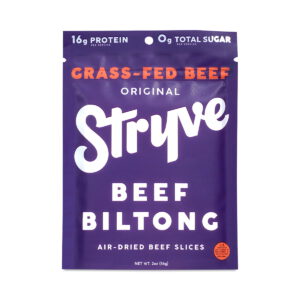
When it comes to proteins, the variety is crucial. Include both plant-based options, such as lentils and chickpeas, which are excellent sources of protein and fiber, and organic meats when possible. Grass-fed beef or free-range chicken can be healthier options devoid of antibiotics and hormones commonly given in conventional livestock production.
Dairy alternatives can cater to those with lactose intolerance or those avoiding animal products. Varieties like almond milk and coconut yogurt provide versatile options for smoothies and dressings. Additionally, nutritional yeast can offer a cheesy flavor to dishes while infusing them with B vitamins.
Finally, incorporating healthy fats from sources like avocados, nuts, and olive oil can enhance the flavor of your meals while supporting various bodily functions, including heart health. The right balance of these ingredients will set the foundation for healthy cooking, allowing for creativity and easy execution in the kitchen. By ensuring your pantry is stocked with essential organic items, you will find it much simpler to whip up quick and nutritious dinners at the end of a long day.
Quick cooking techniques
Shopping for groceries, especially when aiming for quick and healthy meals, can often feel overwhelming. Mastering efficient shopping techniques can save you time and money while ensuring you fill your cart with the best choices for your family. One rule of thumb is to shop the perimeter of the store first, where fresh produce, meats, and dairy typically reside, leaving processed items toward the center. This simple habit encourages healthier decisions right off the bat.
Another smart strategy is to familiarize yourself with seasonal produce. Not only does buying in season typically mean buying local and supporting your community, but these fruits and vegetables also tend to be fresher, tastier, and more affordable. For example, look for organic food options like strawberries in the spring or pumpkins in the fall to take advantage of peak flavors and nutritional potency.
- Plan your meals: Before heading out, designate one day a week for meal planning. This allows you to create a detailed shopping list based on recipes you aim to cook, improving efficiency and reducing waste.
- Bulk buying: Consider options like bulk bins for grains, nuts, and seeds. Purchasing staples in larger quantities can save you money in the long run and is a wise strategy for those looking to maintain a healthy pantry.
- Explore online grocery shopping: Many platforms now offer fresh organic produce, making it easier than ever to shop from home. Familiarize yourself with their return policies and ensure you know how to select the best-quality items, especially for perishable goods.
- Join a co-op: Food cooperatives often provide access to fresher local foods, and many co-ops allow members to bulk order organic goods at reduced prices. This is especially beneficial for families or individuals committed to healthy cooking.
Incorporating your fitness goals when shopping for groceries is also essential. Check for products that suit your dietary needs—think high-protein snacks, low-carb alternatives, or healthy fats. Stocking healthy snacks for on-the-go moments can prevent poor food choices later on. Keep items like hummus, whole-grain rice cakes, or trail mix on hand for quick, nutritious options.
Safety is another critical aspect when grocery shopping. Always check expiration dates, especially when buying perishables. If you’re shopping online, ensure the website provides specific details about sourcing and handling to assure quality. Avoid vendors whose practices aren’t transparent, and make a note to check customer reviews where possible.
Don’t underestimate the power of simple substitutions! For example, if a recipe calls for a dairy product you wish to avoid, there are often numerous alternatives available. Substitute silken tofu for heavy cream in sauces or use avocado to replace mayonnaise in salads. These easy recipes can still provide that rich flavor and creamy texture while aligning with dietary preferences.
Time-saving meal prep tips
Time-saving meal prep tips can significantly reduce the stress that often accompanies weeknight cooking. One effective strategy is to allocate a specific time each week for meal preparation. This could be a weekend afternoon or an evening when you have a little extra time. Spend this time washing, chopping, and portioning fruits and vegetables, cooking grains, and preparing proteins. Having prepped ingredients readily available makes it simple to assemble quick meals on busy nights.
Consider using clear, labeled containers for storing prepped ingredients, which not only keeps your fridge organized but also helps you visualize what you have on hand. Group similar items together, such as all lunch components or all breakfast essentials. This approach streamlines the cooking process, allowing you to pull everything needed for a meal in one go.
Additionally, batch cooking is a fantastic way to save time. Prepare large portions of your favorite meals, such as soups, stews, or casseroles, and freeze leftovers in individual portions. This means you can easily heat a nutritious meal on a night when time is of the essence. Make sure to write the date and contents on the containers before freezing, so you can easily grab meals as needed.
Using a slow cooker or an Instant Pot can also expedite cooking times. These devices allow for a “set it and forget it” approach. Throw in your organic food ingredients in the morning, set the timer, and by dinner time, you’ll have a delicious meal waiting for you. Meals like chili, curry, and even whole roasted chickens can be prepared this way with great results.
Incorporate use of quick recipes that require minimal hands-on time. For example, consider meals that can be prepared in under 30 minutes, such as stir-fries, salads topped with ready-to-use roasted vegetables, or pasta dishes with premade sauces. These kinds of easy recipes provide variety without the hassle and ensure you’re still enjoying flavorful, healthy cooking.
It’s also beneficial to keep your pantry stocked with go-to items that can complement your meals. Having staples like canned beans, tomato sauce, and frozen vegetables on hand means you can create a satisfying meal with little prep time. This is especially useful for those weekends when fresh produce might not be on hand.
Lastly, practicing the art of multi-tasking during meal prep can drastically improve efficiency. While grains are cooking, chop vegetables or marinate proteins. By maximizing every minute, you push through prep faster, leaving more time for relaxation or family time later on.
“By failing to prepare, you are preparing to fail.” – Benjamin Franklin
Incorporating these strategies into your meal prep routine will lead to healthier weeknight dinners without overwhelming your schedule, paving the way for enjoyable and stress-free healthy meals throughout the week.
Easy recipes to try tonight
When looking for delicious and effortless meals to try tonight, the key lies in the simplicity of the ingredients and the flavor combinations you choose. Start with a fresh, vibrant salad featuring mixed greens, cherry tomatoes, cucumbers, and avocado, drizzled with a light dressing made from olive oil and lemon juice. This dish not only serves as a refreshing starter but can also be a substantial meal if you add a protein element such as grilled chicken or chickpeas. Throw in some roasted nuts for an added crunch, making it a perfect balance of textures and nutrients.
Another quick option to contemplate is a stir-fry. Use seasonal vegetables like bell peppers, broccoli, and snap peas, sautéed in a healthy oil such as sesame or avocado oil. Add in tofu or a lean protein, then finish with a splash of tamari sauce for a burst of flavor. Serve this over a bed of quinoa or brown rice to round out your meal with whole grains. Stir-fries shine because they allow for creativity—any combination of your favorite veggies and proteins will work, making it easy to adapt based on what you have available.
For a comforting dish that comes together swiftly, consider a one-pot pasta meal. Cook whole-grain pasta and toss in ripe tomatoes, spinach, and garlic, allowing everything to simmer together. Once the pasta is tender, fold in fresh basil and a sprinkle of nutritional yeast for savory depth. This method not only minimizes cleanup but ensures all the flavors meld beautifully. It’s an enticing alternative that serves as a hearty dinner without the fuss.
If you prefer something that can be prepared in advance, opt for burrito bowls. Start with a base of brown rice or cauliflower rice, then layer on black beans, roasted corn, avocado, salsa, and cilantro. This customizable option welcomes any ingredient you adore or have on hand, supporting healthy cooking principles that emphasize whole, organic food. Plus, you can prepare these bowls in bulk for leftovers that reheat wonderfully!
And let’s not forget about the time-honored classic of homemade veggie soup. A quick simmer of vegetable broth with seasonal vegetables, lentils, and herbs can yield a nutritional powerhouse ready in under 30 minutes. Toss in some leafy greens for added nutrients and texture. When it’s time for dinner, serve with a side of whole grain bread for a wholesome, cozy meal.
These easy recipes exemplify how healthy cooking can be seamless and enjoyable. With a few fresh ingredients and a little creativity, you can whip up satisfying dinners without extensive preparation. Dive into the kitchen tonight, and let your taste buds inspire your evening meal.
- What are some quick healthy recipes I can try for dinner?
- Consider preparing stir-fries, one-pot pasta dishes, or fresh salads topped with protein. These recipes can be made in 30 minutes or less and are both nutritious and satisfying.
- How do I ensure my meals are healthy and organic?
- Focus on using seasonal fruits, vegetables, whole grains, and organic proteins. Opt for ingredients with few additives and preservatives, and shop from local sources when possible.
- Can I prepare meals in advance for the week?
- Yes! Meal prepping can help save time during the week. Cook batches of grains, roast vegetables, and portion out proteins in advance to make assembling meals easier on busy nights.
- What is the best way to store prepped ingredients?
- Use clear, labeled containers to store washed and cut fruits and vegetables, cooked proteins, and grains. This keeps your fridge organized and makes it easier to grab items when cooking.
- How can I make healthy cooking easier?
- Utilize quick recipes that require minimal hands-on time and equip your pantry with staple items like canned beans, frozen veggies, and whole grains to create easy meals in a pinch.
- What are some healthy snacks I can keep on hand?
- Healthy snacks like hummus with whole grain crackers, yogurt, or fresh fruit make great options. Consider also preparing mixed nuts or trail mix for on-the-go nourishment.
- How can I add flavor without extra calories?
- Herbs, spices, and citrus juices can enhance the taste of any dish without adding calories. Experiment with flavor combinations to elevate your meals while keeping them healthy.
Nutritious sides and salads
When it comes to rounding off your meals with nutritious sides and salads, the grocery store is your treasure trove! Choosing the right ingredients can elevate your dishes while ensuring they align with your health goals. Here are some tips to make your shopping trips—or online orders— more rewarding, keeping in mind that families, fitness enthusiasts, and busy professionals can all benefit from the right choices.
Start by prioritizing fresh greens like kale, spinach, and arugula, which are packed with vitamins and minerals. These leafy greens not only offer incredible health benefits but also serve as the perfect base for salads. When shopping, look for organic varieties; this helps you avoid harmful pesticides. Pair these greens with vibrant toppings like cherry tomatoes, grated carrots, and bell peppers, all of which are satiating and colorful additions that make your plates pop.
Don’t overlook the power of beans and legumes! They are a fantastic source of protein and fiber, making them a great addition to salads. Grab canned chickpeas or black beans to toss into your salads for added texture and nutrition. If you prefer fresh options, look for small bags of lentils or beans at the store that cook quickly and can be seasoned to your liking.
- Healthy Fats: Incorporating healthy fats like avocados, nuts, and seeds provides great flavor while benefiting heart health. Buy avocados that are slightly firm yet give a little under pressure.
- Whole Grains: Foods like quinoa, farro, or brown rice serve as excellent side dishes or salad bases, bringing additional nutrients and making meals more filling.
- Seasonal and Local Produce: Always opt for seasonal fruits and vegetables when available. Visit local markets or shops to find in-season produce that adds freshness to your meals and supports local farmers, such as apples in the fall or berries in the summer.
Shopping online? Look for retailers that specialize in organic food and have a clear method of sourcing their products. This ensures the quality of your purchases. Many online platforms provide reviews—utilize them to gauge the freshness and taste of produce before buying. Steer clear of sites that obscure information about their sourcing practices. For items like leafy greens and berries, select those marked for rapid delivery to guarantee their freshness upon arrival.
As you select dressings or additional toppings, be cautious about added sugars and preservatives in pre-made options. Opt for organic dressings when possible or prepare a quick vinaigrette at home using olive oil, vinegar, and herbs. This easy recipe can invigorate any salad without compromising on health.
Lastly, always keep an eye out for frozen vegetables and fruits. They can be a budget-friendly alternative to fresh produce and hold their nutrients well. Stocking your freezer with some frozen spinach, peas, or mixed fruits can provide quick side options or smoothies anytime, making them an essential part of your grocery staples for nutritious sides and salads.
New Customers Offer!
Free Gift for the new customer
$24 Value, When You Subscrib Visit Thrive Market