- Healthy Dinner Ideas
- Ingredients for Organic Cooking
- Quick Cooking Techniques
- Meal Prep Tips for Busy Nights
- Flavor Boosting Herbs and Spices
- Nutritional Benefits of Organic Foods
When it comes to grocery shopping, having a strategic approach can save you time, money, and ensure your meals are not only delicious but also nutritious. Start by making a list before you head out or log onto your favorite grocery site. This will help you keep focus and prevent impulse buys that can derail your healthy eating goals.
Focus on the perimeter of the grocery store, where fresh produce, lean proteins, and dairy are usually located. Stock up on organic foods such as seasonal fruits and vegetables, which are often fresher and more flavorful. Not only do they support local farmers, but they are also free from harmful pesticides, making them a healthier choice for your family.
While shopping for proteins, consider budget-friendly options like beans, lentils, and chickpeas, which are excellent sources of plant-based protein. If you prefer animal products, look for sustainably sourced fish and free-range chicken. Don’t forget to check labels for certifications, ensuring you’re buying meat that is free from antibiotics and added hormones.
Whole grains should also be on your list. Quinoa, brown rice, and whole wheat pasta provide essential nutrients and fiber to your meals without empty calories. These ingredients can serve as a base for many easy recipes, making weeknight dinner prep a breeze.
For the health-conscious, snacking is an important aspect of meal planning. Instead of reaching for processed snacks, opt for items like raw nuts, air-popped popcorn, or veggie sticks with hummus. These alternatives are not only filling but also packed with nutrients that support your fitness lifestyle.
When it comes to herbs and spices, don’t shy away from experimenting. Fresh herbs can dramatically elevate the flavor of a dish without added calories or sodium. Look for local farmers’ markets where you can often find vibrant herbs like basil, parsley, and cilantro—this supports the local economy while ensuring you get the freshest produce.
Online shopping has its perks, especially for those on the go. However, be cautious and ensure you’re ordering from reputable sites. Always check reviews and verify their return policies. If you opt for delivery, consider using insulated bags to maintain the freshness of your ingredients. Be sure to review substitution policies in case an item is out of stock; it’s often better to choose a fresh alternative rather than receiving a processed substitute.
Lastly, when browsing for items, especially packaged ones, be an ingredient detective. Avoid products with long ingredient lists filled with unpronounceable chemicals and preservatives. Aim for items that have fewer ingredients—preferably those you would recognize and use in your own healthy cooking.
By following these grocery shopping tips, you can streamline your cooking process while ensuring that your dinners are healthy, wholesome, and oh-so-delicious!
Ingredients for Organic Cooking
Choosing the right ingredients is the cornerstone of healthy cooking, especially when focusing on organic food. Organic ingredients are produced without the use of synthetic fertilizers, pesticides, and genetically modified organisms (GMOs), making them a healthier choice for you and the environment. Here’s a closer look at some essential ingredients you should consider incorporating into your meals that not only fulfill the criteria of being organic but also enhance your cooking experience.
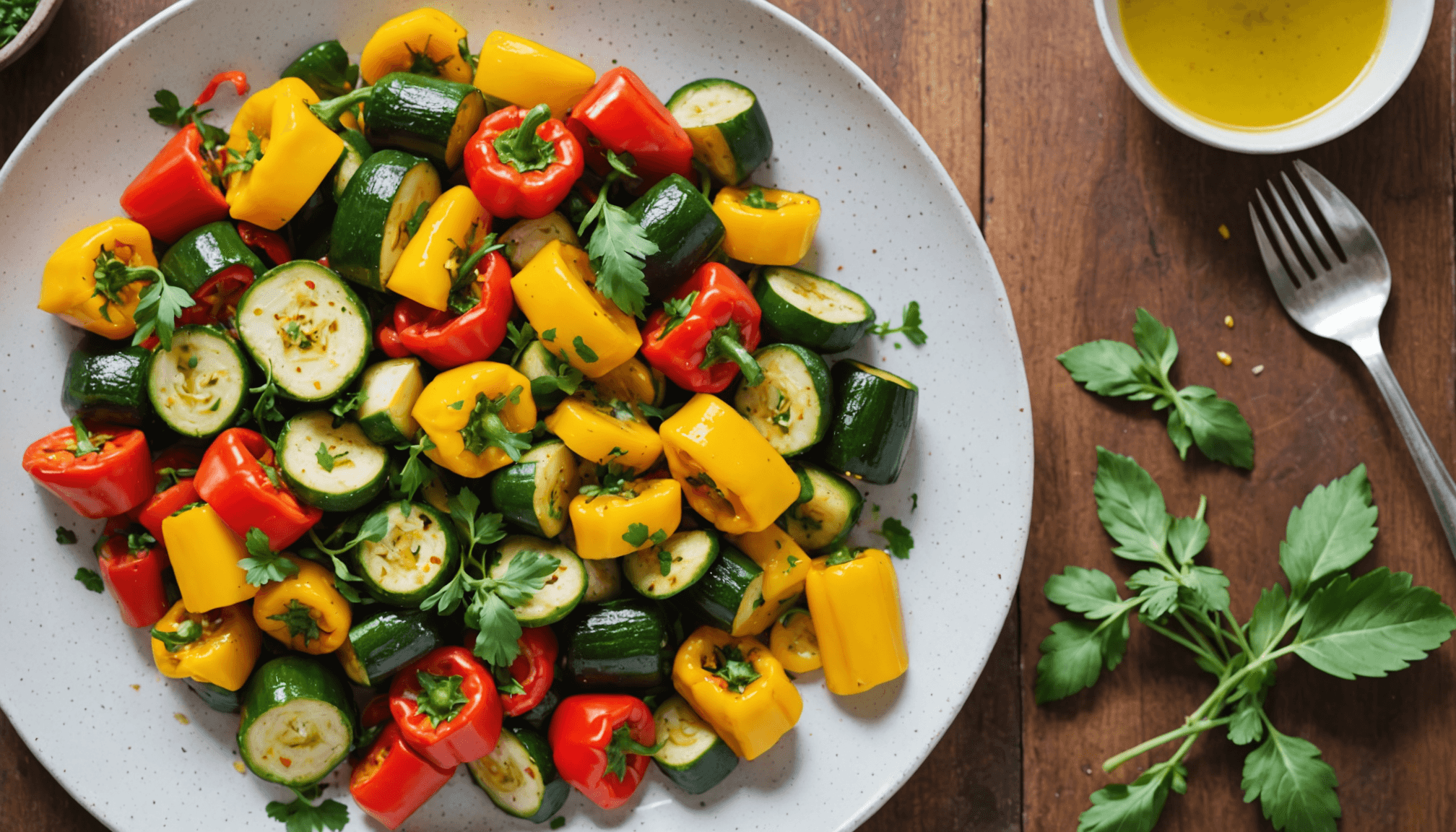
The foundation of any great dish lies in its core ingredients. Fresh, organic vegetables such as kale, spinach, tomatoes, and bell peppers are nutrient-dense and packed with vitamins. These vegetables provide essential antioxidants and are low in calories, making them perfect for easy recipes that require minimal preparation time while delivering maximum health benefits. For example, a simple sauté of fresh vegetables can serve as a vibrant side dish or a base for a stir-fry that pairs well with whole grains like quinoa.
When it comes to fruits, opt for seasonal organic varieties. Seasonal fruits like berries, apples, and citrus are generally more flavorful and are often picked at their peak ripeness. Their brightness can add a splash of flavor and color to both sweet and savory dishes. Try adding fresh fruit to salads or blending them into smoothies for a refreshing and nutritious snack or dessert.
It’s also essential to include organic protein sources in your meals. Organic meats, eggs, and dairy products are less likely to contain harmful hormones and antibiotics. Grass-fed beef, for instance, is richer in omega-3 fatty acids compared to conventional beef. For plant-based proteins, choose organic tofu, tempeh, and legumes. Beans such as black beans, lentils, and chickpeas are versatile and can be easily incorporated into soups, salads, or main dishes for a hearty meal.
Add healthy fats to your ingredient list as well. Organic olive oil and avocado oil are great choices for cooking and salad dressings alike, providing heart-healthy fats that aid in nutrient absorption. Nuts and seeds like almonds, chia seeds, and flaxseeds not only add crunch but also boost your meals with essential fatty acids, fiber, and proteins.
| Ingredient Type | Examples | Benefits |
|---|---|---|
| Fruits | Organic Berries, Apples, Citrus | Rich in vitamins; antioxidants support overall health |
| Vegetables | Organic Kale, Spinach, Bell Peppers | Nutrient-dense; low in calories; high fiber content |
| Proteins | Grass-Fed Beef, Organic Chicken, Eggs | Higher Omega-3s; antibiotic-free; increased nutrient profile |
| Healthy Fats | Organic Olive Oil, Avocados, Nuts | Supports heart health; aids nutrient absorption |
Moreover, selecting organic grains can enhance your meals while providing important nutrients. Options such as brown rice, organic pasta, and whole grain bread are excellent choices that offer fiber and sustained energy. You can easily create quick meals by adding these grains to leftover proteins and veggies, ensuring you maintain a nutritious and balanced diet without spending excessive time in the kitchen.
Lastly, consider organic herbs and spices as they can significantly boost flavor without the need for excessive salt or fat. Fresh herbs like basil, thyme, and rosemary can elevate a simple dish, turning it into a gourmet experience. Additionally, spices such as turmeric, cumin, and paprika not only add depth and heat but also have potential health benefits, reinforcing the nourishing qualities of your meals.
By focusing on these key ingredients, you can simplify your shopping process and streamline your cooking while embracing the principles of healthy cooking through organic food. Adopting this approach allows you to explore diverse easy recipes that cater to your dietary preferences and lifestyle, ensuring satisfying and wholesome dinners every night of the week.
Quick Cooking Techniques
When navigating through the aisles of your local grocery store or browsing online, adopting effective quick cooking techniques is essential to streamline your culinary experience. Start by familiarizing yourself with your cooking tools. Invest in quality kitchen gadgets like a sharp chef’s knife, a reliable cutting board, and versatile cookware like non-stick pans and pressure cookers. These tools can significantly reduce preparation time and improve cooking efficiency, leading to quicker and healthier meal preparation.
For those on tight schedules, meal prep becomes your best friend. Consider setting aside a few hours on the weekend to prepare ingredients in bulk. Chop vegetables, marinate proteins, and cook grains in advance. For instance, batch-cooking quinoa or brown rice can simplify weekday dinners, allowing you to throw together easy recipes in no time. Store prepped ingredients in clear containers for easy access throughout the week.
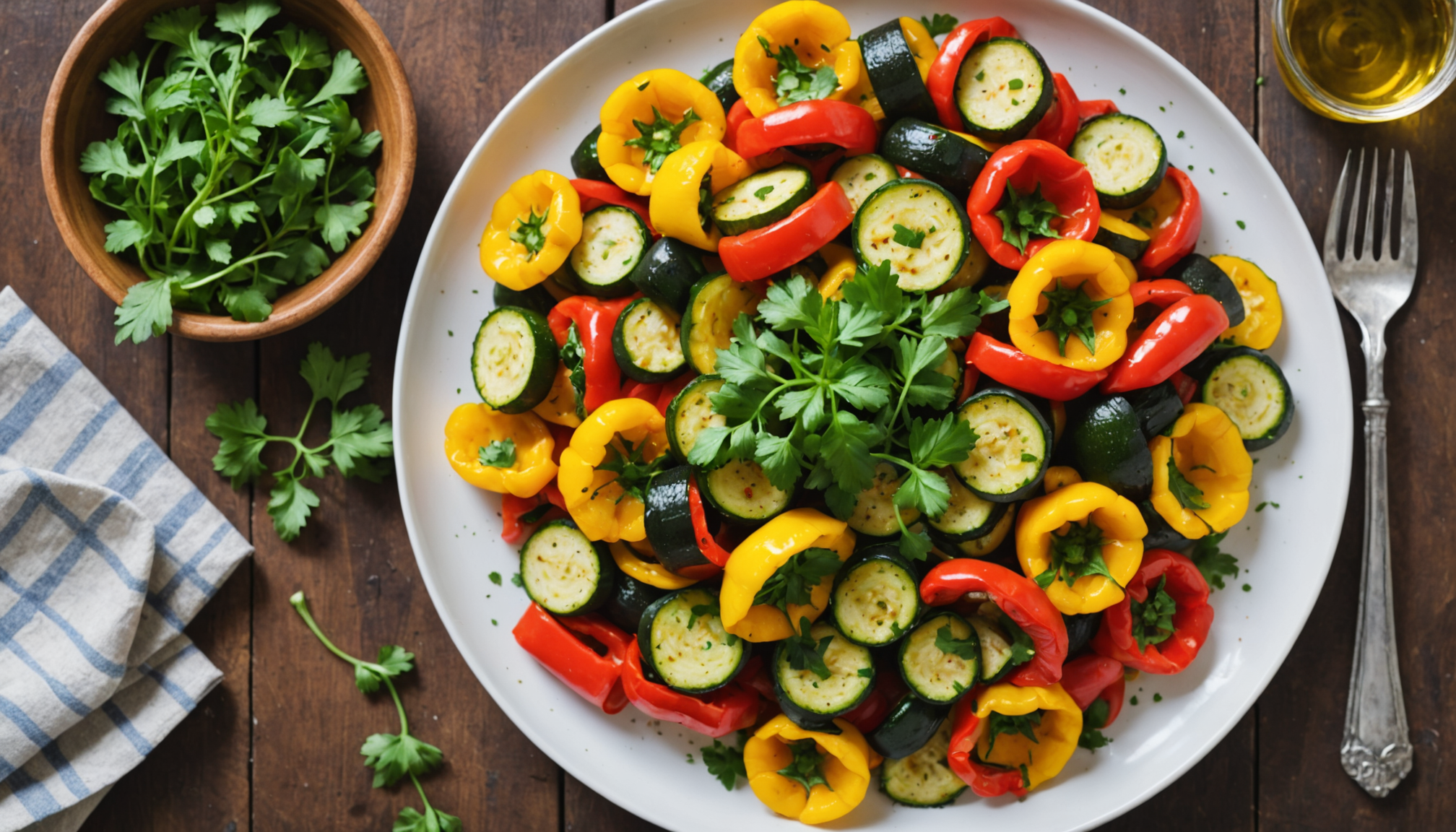
Embrace one-pot meals and sheet pan recipes, which cut down on cooking time and minimize cleanup. Dishes like stir-fries or roasted vegetable medleys can be prepared quickly, allowing all your ingredients to come together seamlessly in one vessel. Opt for quick-cooking vegetables like spinach, zucchini, and bell peppers, which not only taste amazing but also retain more nutrients when cooked briefly.
If you decide to incorporate proteins like chicken or fish, consider quick-cooking methods such as grilling or pan-searing. Thin cuts cook faster and evenly, so look for options like chicken breasts or fish fillets. For a vegan twist, try tempeh or tofu, which can marinate quickly and be cooked in a matter of minutes, making them a key player in healthy cooking.
Another fantastic technique to employ is the use of frozen veggies. They are often flash-frozen at their peak freshness, preserving nutrients while also saving you the time needed to wash, chop, and prep fresh produce. Simply toss them into a sauté pan or microwave, and you have a nutritious side ready in a heartbeat.
Herbs and spices can drastically enhance flavor without requiring extensive cooking time. Keep a well-stocked pantry of dried spices and fresh herbs that you can quickly add to any dish. A sprinkle of cumin can turn chickpeas into a savory delight, while fresh parsley or cilantro can elevate a simple grain bowl. This allows you to get creative with your meals, ensuring they are not only quick but also delicious and satisfying.
Lastly, don’t overlook the power of technology in the kitchen. Utilize kitchen appliances like slow cookers and instant pots, which can deliver complex flavors with minimal hands-on time, making them perfect for busy families. Many online recipes cater to these devices, providing a wealth of options that align with organic food choices.
By incorporating these quick cooking techniques into your routine, you’ll find that preparing healthy and satisfying meals doesn’t have to be a time-consuming endeavor. Whether you’re whipping up a nourishing grain bowl or a hearty vegetable stir-fry, the right methods can make all the difference in creating quick, wholesome dinners with ease.
Meal Prep Tips for Busy Nights
Planning your meals in advance can significantly reduce the stress of busy weeknights and lead to healthier eating habits. Start by designing a meal plan for the week, incorporating a variety of ingredients while ensuring that you have options for quick and nutritious dinners. Allocate one day each week, perhaps Sunday, to prepare for the coming week. This includes not just meal preparation but also organizing your shopping so that you efficiently acquire all necessary ingredients.
Developing a rotation of easy recipes is essential. Choose a few go-to meals that you can make quickly, such as veggie stir-fries, grain bowls, or sheet pan dinners. These options allow for flexibility since you can mix and match the vegetables and proteins based on what you have. Not only does this keep your meals exciting, but it also cuts down on the need for extensive grocery lists and minimizes food waste.
Pre-chopping fresh vegetables like onions, bell peppers, and carrots, or even preparing entire salads in advance, will save time when it comes to dinner prep. Store these in clear containers so they are visible and tempting. You might also cook a batch of quinoa or brown rice that can be refrigerated and easily reheated, serving as the base for several meals throughout the week.
Utilizing your freezer is another way to save time. Cook larger portions of meals and freeze leftover servings in individual containers. On nights when you’re short on time, simply pull out a meal from the freezer, allow it to thaw in the refrigerator during the day, and reheat it in the evening. Frozen soups, stews, and casseroles can be lifesavers during hectic weeks.
Additionally, you can prepare marinated proteins ahead of time. Chicken breasts, fish fillets, or marinated tofu can be kept in the refrigerator for a few days, ready to be cooked on a busy night. This technique not only saves time but also enhances flavor as the proteins absorb the marinate.
If your schedule allows, consider meal prep services or pre-prepped grocery items that offer convenience without sacrificing nutritional quality. Many grocery stores now provide organic pre-cut veggies, pre-marinated proteins, and even meal kits that allow you to enjoy a healthy dinner without the hassle of extensive preparation time.
A reliable way to ensure you have enough meals ready on busy nights is to keep a designated “meal prep” day on your calendar. This habitual practice will instill a sense of routine and make it easier to enjoy balanced meals throughout the week without feeling overwhelmed.
“Failing to plan is planning to fail.” – Alan Lakein
Flavor Boosting Herbs and Spices
 Fresh herbs and spices have the power to transform even the simplest dishes into flavorful creations, all while keeping your meals healthy. The right herbs and spices not only add depth and vibrancy but also bring a plethora of health benefits. When you think about enhancing your meals, consider not just the flavor profiles but also how these elements can align with your goals for healthy cooking.
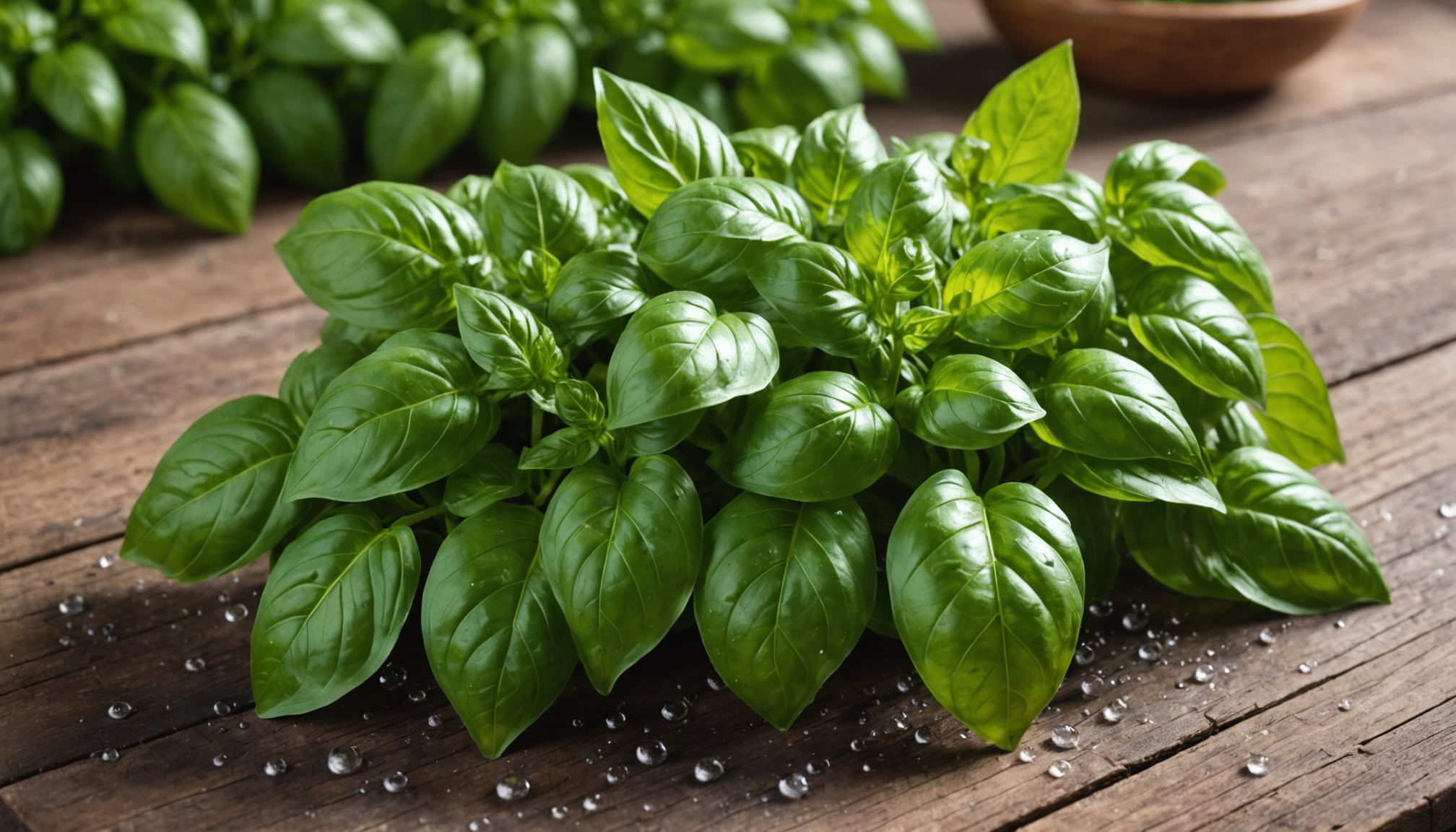
Imagine using fresh basil to top a homemade tomato sauce or brightening a salad with zesty cilantro. Herbs like oregano and thyme are not only staples in Mediterranean cooking, but they also possess antioxidant properties that can support your overall well-being. Incorporating a variety of herbs into your diet invites an explosion of flavors and encourages you to experiment with various cuisines, from Italian to Thai, all while focusing on organic food.
Moreover, spices such as turmeric and cumin are packed with medicinal properties—turmeric, for instance, is noted for its anti-inflammatory benefits and can be seamlessly introduced into dishes ranging from curries to roasted vegetables. A dash of smoked paprika can elevate your roasted chickpeas, adding richness without the added calories. It’s about applying a little creativity in the kitchen and allowing these natural flavor enhancers to shine.
Don’t overlook the appeal of dried spices, which often have a long shelf life and can act as robust flavor boosters when fresh herbs are not on hand. For those hectic nights, reaching for a selection of spices can provide the quick flavor boost that transforms a simple grain bowl or a vegetable stir-fry into a spectacular meal. It’s about taking a moment to reflect on how something as small as a pinch of cayenne or a sprinkle of garlic powder can elevate your culinary experience.
Furthermore, consider building your own herb and spice blends. Creating custom mixtures can not only save time—especially on busy evenings—but also allows you to tailor the profiles to suit your preferences and dietary needs. A homemade Italian seasoning mix or a Moroccan spice blend can change the entire character of a dish, making it an exciting endeavor.
Incorporating herbs and spices into your healthy cooking allows for greater flexibility and excitement in the kitchen. As you explore and experiment, you’ll likely uncover new favorites and inspire your meals, making organic, healthy dinners enjoyable and flavorful.
- What are the best herbs for enhancing flavor in dishes?
- Some of the best herbs include basil, cilantro, rosemary, thyme, and parsley. Each herb brings its own unique flavor and health benefits to a variety of dishes.
- Are dried herbs as effective as fresh ones?
- Dried herbs can be just as effective as fresh, though they are often more concentrated. You may need to use a smaller amount of dried herbs than fresh to achieve the desired flavor.
- How can I store fresh herbs to keep them fresh longer?
- Store fresh herbs in the refrigerator wrapped in a damp paper towel or placed in a glass of water covered with a plastic bag. This method helps to maintain moisture and prolong their freshness.
- What spices should I always have on hand?
- Essential spices include salt, pepper, garlic powder, cumin, paprika, and turmeric. These staples can enhance a wide range of dishes, making them versatile pantry items.
- How can I incorporate spices into a meal prep routine?
- Add spices to your proteins and vegetables before cooking; marinating overnight allows flavors to develop. You can also prepare spice mixes or blends in advance for quick use throughout the week.
- Can using herbs and spices help with health issues?
- Yes, many herbs and spices have anti-inflammatory, antioxidant, and antimicrobial properties. Incorporating them into your diet can contribute to better overall health.
- What are some creative ways to use herbs in cooking?
- Herbs can be used in dressings, marinades, or sauces, or added to soups and stews. Try blending herbs into yogurt or cottage cheese for a flavorful dip, or use them in a homemade pesto.
Nutritional Benefits of Organic Foods
When it comes to grocery shopping for organic foods, understanding the nutritional benefits they offer can elevate your cooking and dining experience. Organic foods are grown without synthetic fertilizers, pesticides, or genetically modified organisms (GMOs), making them a cleaner choice for both your health and the environment. Studies suggest that organic foods may have higher antioxidant content and lower levels of toxic metals, providing additional health benefits.
When shopping for organic produce, seek out vibrant fruits and vegetables that enhance not just the look of your meals, but also their nutritional profile. For instance, organic leafy greens like kale and spinach are rich in vitamins A, C, and K, as well as essential minerals like calcium and iron. These nutrients contribute to overall health and support your immune system.
Don’t overlook the value of organic dairy and protein sources. Products such as organic milk and yogurt are often devoid of harmful antibiotics and growth hormones, allowing you to enjoy dairy with peace of mind. If you opt for meat, choosing organic and grass-fed options ensures that your sources of protein are not only free from harmful additives but also contain a superior fatty acid profile, enhancing your meal’s nutritional value.
Whole grains are another excellent choice; organic grains, like quinoa and brown rice, provide fiber and essential nutrients that play a crucial role in maintaining digestive health. These grains can easily be included in easy recipes, offering a wholesome base for meals that fulfill dietary needs and satisfy hunger without excessive calories.
While shopping, be aware of certifications such as the USDA Organic Seal, which ensures that the products meet specific organic standards. Additionally, buildings relationships with local farmers can provide access to fresh organic produce, often at a lower price than store-bought options. Checking out local farmers’ markets can yield great finds while supporting your community.
When it comes to herbs and spices, purchasing organic versions guarantees you’ll avoid exposure to chemical residues commonly found on conventional varieties. Herbs like basil, thyme, and oregano not only enrich your dishes but also provide anti-inflammatory and antioxidant benefits that can contribute to a balanced diet.
During online grocery shopping, take extra precautions to ensure safety and quality. Always select reputable online retailers that specialize in organic products. Look for sites that offer detailed information on their sourcing practices and customer reviews to help guide your choices. When you receive your order, inspect each item for freshness, especially perishable goods, to ensure that you maintain the quality of your organic ingredients.
Lastly, consider blending your shopping experience—buy staples online for convenience and visit local markets for fresh produce or unique items. This combination allows you to take advantage of the best of both worlds, ensuring you have a well-rounded selection of organic foods at your disposal.
New Customers Offer!
Free Gift for the new customer
$24 Value, When You Subscrib Visit Thrive Market