- Benefits of Organic Seafood
- Essential Ingredients for Your Bowl
- Step-by-Step Recipe Guide
- Creative Toppings and Pairings
- Nutritional Value of Seafood Bowls
- Sustainable Seafood Practices
When it comes to enhancing your culinary experience, knowing where and how to shop for ingredients can significantly elevate your healthy dinners and seafood bowls. Here’s some practical grocery shopping advice that will not only save you time but will also ensure that you’re investing in your health.
First and foremost, prioritize organic foods. When choosing your seafood, keep an eye out for labels that emphasize sustainability and organic practices. Look for fish labeled with the Marine Stewardship Council (MSC) quality seal or similar certifications. These products are usually sourced responsibly, ensuring that you’re not only nourishing your body but also protecting marine ecosystems. Local farmers’ markets can be a treasure trove for healthy foods as they often feature fresh, organic produce and seafood that hasn’t traveled long distances. This not only supports your community but also reduces your carbon footprint.
For those leading a busy lifestyle, consider incorporating a list of budget-friendly foods into your shopping routine. Frozen seafood can be a convenient alternative to fresh options and often retains its nutritional quality. When purchasing, check the packaging for details about flash-freezing methods that preserve the integrity of the seafood. Incorporating pantry staples like quinoa, brown rice, or chickpeas can stretch your meals further while maintaining their nutritional punch. Also, stock your pantry with healthy frozen vegetables—you can quickly toss them into any seafood bowl for added color and nutrition.
When shopping online for ingredients, be cautious and do your research. Always purchase from reputable sites and check for online reviews. Stick to well-known grocery chains that have a transparent sourcing policy. Look for certifications that ensure the quality of the seafood and other ingredients, and try to buy from sellers that provide detailed product descriptions. Websites often have blogs or guides to help you identify what to look for in organic recipes and ingredient quality.
For those following a vegan lifestyle, consider substituting seafood with plant-based proteins. Products made from ingredients like tofu, tempeh, or even chickpea-based pasta can mimic the texture and protein content found in seafood. Many markets now offer seaweed and algae-based snacks that can complement your bowls with that oceanic flavor, keeping meals interesting and diverse.
Lastly, always ask your fishmonger questions regarding where the seafood comes from. Knowing the farm or ocean it hails from can help you make informed decisions about the sustainability of your meals. This simple step can greatly enhance your knowledge of what you’re consuming and allow you to make ethical choices that support both your health and the environment.
Essential Ingredients for Your Bowl
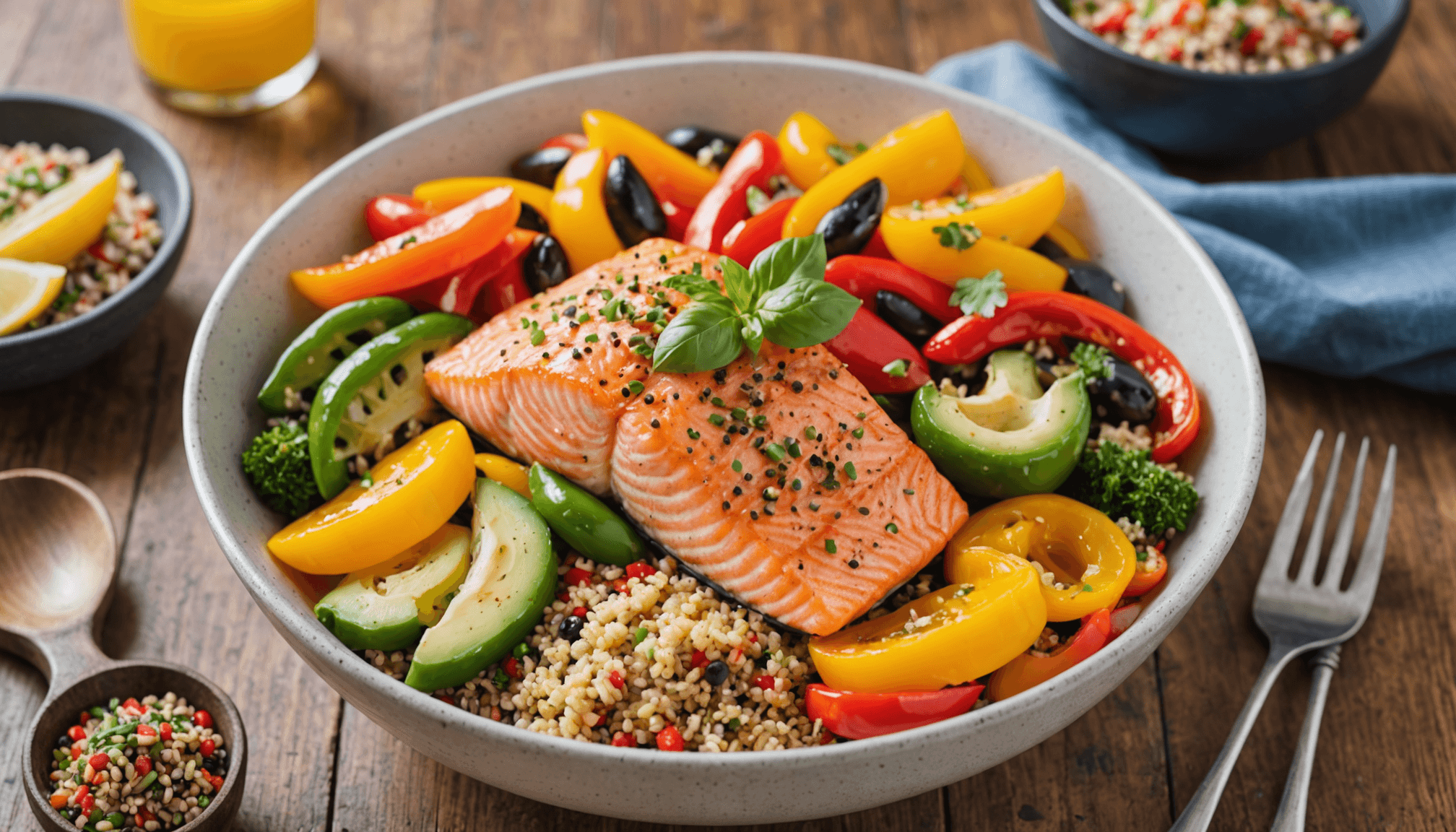
Creating the perfect seafood bowl involves selecting a variety of high-quality ingredients that not only enhance the flavors but also contribute to the overall health benefits of the dish. The essential components for your seafood bowl include a base, protein, vegetables, and sauces or dressings that bring everything together.
Start with a nutritious base, which can include grains, leafy greens, or noodles. Popular choices for seafood bowls are quinoa, brown rice, or farro due to their high fiber content and ability to absorb flavors. Alternatively, zoodles (zucchini noodles) or soba noodles offer a lighter option that pairs well with seafood. Leafy greens like spinach, kale, or arugula provide a fresh and vibrant contrast to the other ingredients and can be used as a salad base or mixed into the grains.
Next, the protein is the standout feature of any seafood bowl. Fresh, organic seafood is a top choice, with options like salmon, shrimp, or scallops being excellent sources of omega-3 fatty acids. When selecting your seafood, ensure it is sustainably sourced and certified to guarantee both quality and environmental impact. For those looking for variety or different textures, consider adding plant-based proteins such as tempeh or edamame.
A vibrant array of colorful vegetables not only adds aesthetic appeal but also boosts the nutritional content of your bowl. Aim to incorporate a mix of both raw and cooked vegetables. Ingredients like bell peppers, radishes, corn, carrots, and cucumbers provide crunch and freshness, while roasted vegetables such as sweet potatoes or Brussels sprouts add a hearty quality. Incorporating seaweed, like wakame or nori, can enhance the umami flavor that complements seafood, tapping into the oceanic theme of your bowl.
Sauces and dressings are the finishing touches that can elevate the entire dish. A drizzle of sesame dressing, miso glaze, or a squeeze of fresh citrus can bring out the flavors in your seafood and vegetables. Homemade sauces are often healthier and allow you to control the ingredients. Consider organic recipes that feature tahini, garlic, and tamari for a rich and creamy dressing, or a simple olive oil-based vinaigrette with herbs to maintain a light profile.
To summarize the essential ingredients for your seafood bowls, the following table illustrates the various components that can be used to build a nutritious and flavorful meal.
| Component Type | Examples | Benefits |
|---|---|---|
| Base | Quinoa, Brown Rice, Zoodles | High in fiber, Provides essential carbohydrates |
| Protein | Salmon, Shrimp, Tempeh | Rich in omega-3, Supports muscle growth and repair |
| Vegetables | Bell Peppers, Radishes, Seaweed | High in vitamins and minerals, Adds color and texture |
| Sauces/Dressings | Sesame Dressing, Miso Glaze | Enhances flavors, Can be made with healthy ingredients |
By carefully selecting each of these ingredients, you can create a seafood bowl that is not only delicious but also packed with nutrients, making it ideal for healthy dinners or impressing guests with organic recipes that showcase the freshness of the ingredients.
Step-by-Step Recipe Guide
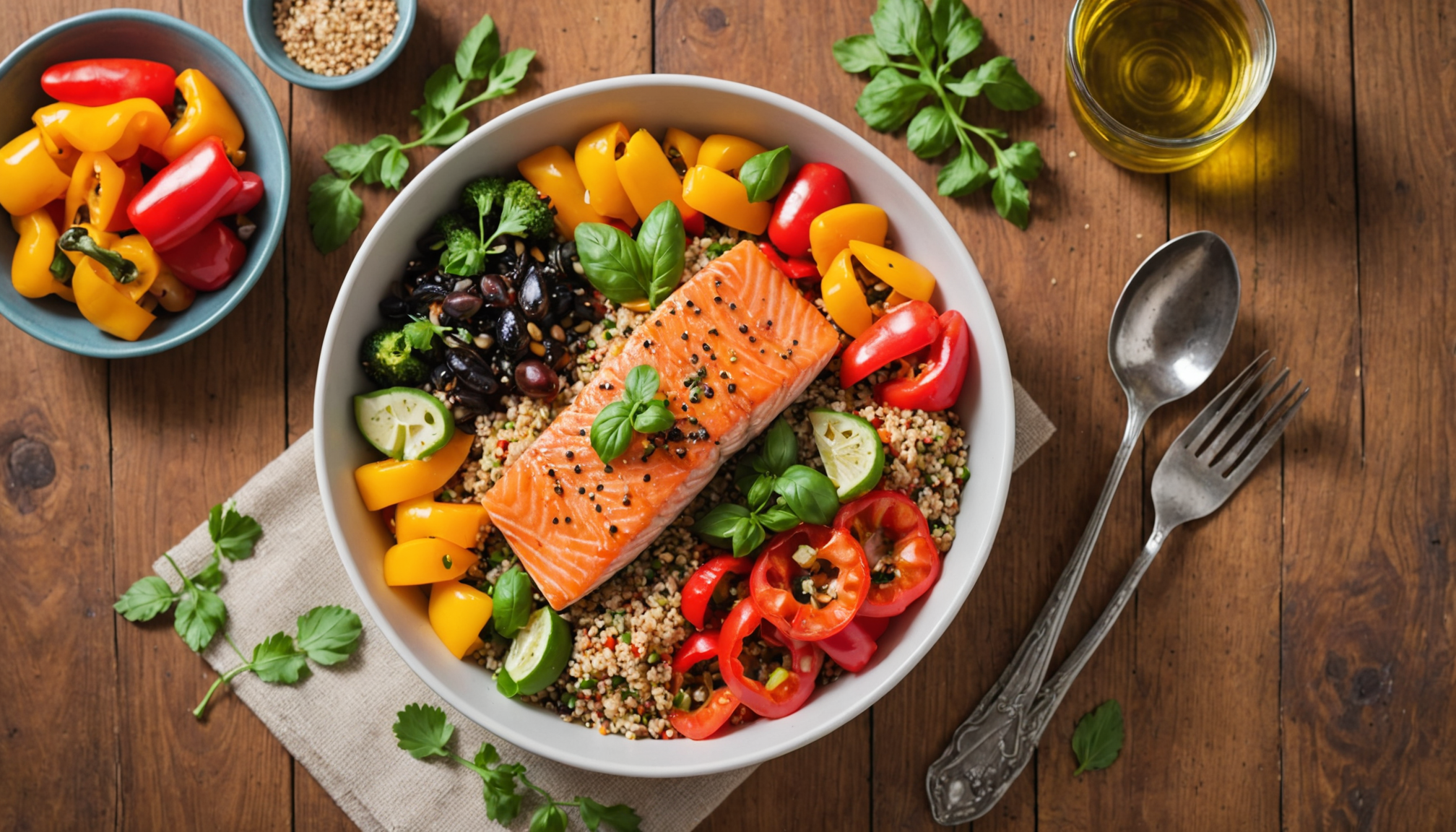
To craft the ultimate seafood bowls, following a step-by-step approach in your grocery shopping will streamline your experience. Begin by organizing a comprehensive grocery list that outlines each category from bases to toppings. This will not only save time but will also minimize impulse purchases that can derail your healthy intentions.
When selecting your base, aim for options that are not just filling but also nutritious. Grains such as quinoa or brown rice should top your list, as they are not only high in fiber but also versatile. If you’re pressed for time, pre-cooked grains are becoming increasingly available and maintain much of their health benefits. Alternatively, spiralized vegetables like zucchini or sweet potatoes make excellent gluten-free bases, giving your bowls a unique twist without sacrificing nutrition.
As you move on to proteins, focus on sustainably sourced seafood. Fresh fish can be a bit tricky to purchase, so check the seafood counter or local shops for recommendations on what is currently in season. Seafood like salmon and shrimp are typically favored for their heart-healthy fats and robust flavor profile. If you’re trying to be budget-friendly, don’t forget about canned seafood options, such as tuna or sardines, which can be both economical and delicious.
Vegetables are where you can get creative, introducing a rainbow of colors and textures to your seafood bowl. Visit your local farmers’ market or grocery store and aim for fresh, seasonal vegetables that offer the best nutrition and taste. Think crunchy cucumbers, sweet bell peppers, and colorful radishes. To add depth and heartiness to your dish, consider roasted options like asparagus or carrots. These not only amplify flavor but also provide essential nutrients.
In this contemporary era, online shopping has made sourcing these ingredients more convenient. Just be sure to prioritize safety when purchasing seafood online. Look for reputable retailers that provide detailed sourcing information and customer reviews to ensure you’re getting high-quality products. Utilize delivery services with integrity that specialize in organic or sustainably sourced ingredients, giving you peace of mind while filling your pantry.
Lastly, don’t overlook the importance of sauces and dressings, as they can be the secret weapon in bringing all your ingredients together. Whether you’re buying premade options or crafting homemade blends, ensure that they align with your health goals. Look for organic labels or opt for simple ingredients—think olive oil, balsamic vinegar, or homemade tahini—to avoid hidden additives.
By utilizing these practical shopping strategies and resources, you’ll not only enhance the flavors of your seafood bowls but also align them with your health goals, ensuring that each meal is a step towards your ideal healthy dinners.
Creative Toppings and Pairings
Toppings can truly transform your seafood bowls, providing layers of flavor and texture that elevate each bite. Start with a sprinkle of color and crunch using fresh herbs like cilantro, parsley, or chives. These herbs not only enhance the appearance of your bowl but also add a burst of fresh flavor that can brighten up even the simplest of ingredients.
For a touch of creaminess, consider avocado slices or a generous dollop of guacamole. The rich, buttery texture complements the lean proteins and bright vegetables, while also delivering healthy fats that keep you satiated. Alternatively, a sprinkle of crumbled feta or goat cheese can add a tangy dimension, perfectly balancing the flavors of the seafood and the freshness of the vegetables.
If you enjoy a bit of heat, don’t shy away from spicy toppings. Sliced jalapeños or a drizzle of sriracha can spice things up, giving your seafood bowls an exciting kick. For those who prefer a milder heat, a sprinkle of chili flakes or a touch of chipotle mayo can provide warmth and depth without overwhelming the other flavors.
Nutty toppings can offer both crunch and nutritional benefits. Toasted sesame seeds or slivered almonds can add not just an appealing texture but also valuable nutrients, such as healthy fats and protein. If you’re looking for something with a bit more flair, consider adding toasted coconut flakes or even crushed wasabi peas for an unexpected twist that will surprise and delight.
Don’t forget about the sauces, which can be the finishing jewel of your seafood bowl. A lemon-tahini drizzle or a miso-based dressing can tie the entire dish together, infusing rich flavors that complement the fresh ingredients. Homemade sauces allow you to control the ingredients, ensuring they align with your health goals. A simple mix of yogurt and herbs can provide a creamy dressing that harmonizes beautifully with the seafood and veggies.
“Good food is a celebration of life. Every meal can be an opportunity to create joy, nourishment, and connection.” – Unknown
In addition to these toppings, consider pairing your seafood bowls with refreshing sides that enhance the overall meal. A light cucumber salad dressed with vinegar and sesame oil can provide a refreshing contrast to the warmth of cooked ingredients. Alternatively, pickled vegetables can introduce a zesty element that cuts through the richness of the proteins.
By thoughtfully combining these creative toppings and pairings, your seafood bowls will not only be visually stunning but also a delightful explosion of flavors, textures, and nutrients. Each ingredient can be chosen not only for its taste but also for its contribution to a balanced meal, making them a wonderful option for healthy dinners that impress and satisfy.
Nutritional Value of Seafood Bowls
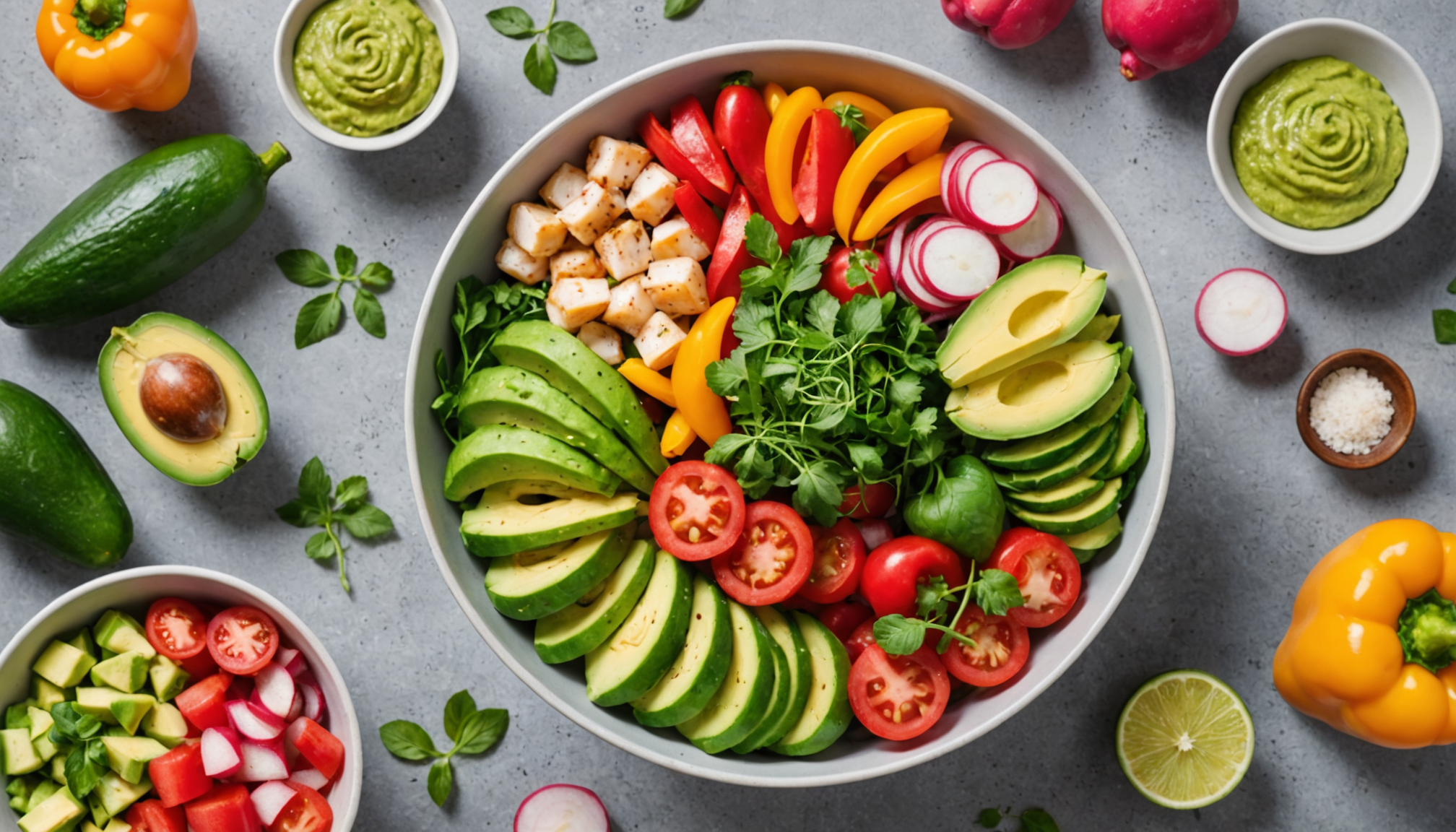 The nutritional value of seafood bowls is significant, as they pack a wealth of essential nutrients beneficial for overall health. Seafood, particularly varieties like salmon, mackerel, and sardines, is renowned for its high omega-3 fatty acid content, which is crucial for heart and brain health. Omega-3s can help reduce inflammation, lower blood pressure, and promote healthy cholesterol levels, making them an integral part of a balanced diet.
In addition to omega-3s, seafood is an excellent source of high-quality protein, providing the building blocks necessary for muscle growth and repair while supporting satiety throughout the day. A single serving can contain anywhere from 20 to 30 grams of protein, depending on the type of seafood, surpassing the protein content found in many plant-based sources.
Packed with vitamins and minerals, seafood bowls often feature an array of ingredients that enhance their nutritional profile. Ingredients like leafy greens, whole grains, and a colorful selection of vegetables not only add flavor but also enrich the dish with fiber, vitamins A, C, K, and several B vitamins. Whole grains such as quinoa or brown rice contribute additional protein as well as essential nutrients like magnesium and fiber, aiding in digestion and promoting a healthy gut.
Moreover, the vibrant vegetables often included in seafood bowls—like bell peppers, cucumbers, and radishes—are low in calories yet high in nutrients, making them fantastic additions. They provide antioxidants, which help combat oxidative stress and may lower the risk of chronic diseases. Adding a touch of healthy fats through toppings like avocado or nuts ensures that the meal is satisfying and balances blood sugar levels, supporting sustained energy without crashes.
When developing your seafood bowl, think about how the combination of ingredients contributes to the overall nutritional balance. Aim for a variety of colors on your plate; this not only makes it visually appealing but is also an indicator of diverse nutrient intake. Each ingredient can serve not only to enhance the flavor but also to amplify the health benefits, guiding your pursuit of healthy dinners that nourish both body and soul.
- What are the benefits of using organic seafood in my meals?
- Organic seafood is generally free from harmful chemicals and antibiotics, promoting better health. It is also sourced from sustainable practices, supporting ocean ecosystems and biodiversity.
- How often should I eat seafood?
- Health guidelines recommend consuming seafood at least twice a week for optimal health benefits. Incorporating a variety of seafood types ensures a broad spectrum of nutrients.
- Can I make seafood bowls with frozen seafood?
- Absolutely! Frozen seafood is a nutritious and convenient option, often flash-frozen to preserve freshness and nutrients. Just ensure to properly thaw it before cooking for the best texture.
- What are some good plant-based options for seafood bowls?
- Tofu, tempeh, and edamame are excellent substitutes that provide protein and texture. Additionally, seaweed can replicate the oceanic flavor found in seafood dishes.
- Are seafood bowls calorie-dense?
- Seafood bowls can vary in calorie content depending on the ingredients used. By opting for whole grains, plenty of vegetables, and healthy toppings, you can create a satisfying yet nutritious meal.
- How can I ensure my seafood is sustainably sourced?
- Look for labels from reputable organizations like the Marine Stewardship Council. Local markets may also provide information on their sourcing to ensure sustainable practices.
- What are some creative toppings for seafood bowls?
- Consider using fresh herbs, avocado, nuts, or seeds. A drizzle of homemade dressing can also elevate the flavor while keeping the bowl nutritious and appealing.
Sustainable Seafood Practices
When striving to make sustainable choices in your grocery shopping, understanding sustainable seafood practices is essential. Opting for seafood that has been fished or farmed sustainably not only benefits your health but also protects our oceans for future generations. Start by familiarizing yourself with key certifications that guarantee responsible sourcing. Look for seals such as the Marine Stewardship Council (MSC) or the Aquaculture Stewardship Council (ASC) on products, which indicate a commitment to environmental integrity and responsible fishing practices.
Local seafood markets can be great resources for sustainable options. Don’t hesitate to engage with the staff; they can provide valuable insight into the sourcing practices of the seafood they’ll sell. Ask questions about where the fish was caught and how it was harvested. This transparency allows consumers to make informed choices that support both environmental sustainability and local economies.
It’s also crucial to pay attention to seasonality. Eating seafood that is in season can foster more sustainable practices and support local fishing communities. Just like produce, seafood has its peak seasons, which can enhance the freshness and flavor of your meals. Consult seasonal seafood guides available online to learn when certain types of fish are best enjoyed.
Additionally, consider incorporating alternative sources of protein into your seafood bowls. For instance, plant-based seafood alternatives are gaining popularity and can allow you to mimic the flavor and texture of fish while reducing environmental impact. Products made from ingredients like algae or tofu can be a great addition, especially for those looking to maintain a vegan diet. Explore these options to diversify your meals while remaining mindful of sustainability.
When shopping online, choose reputable retailers that specialize in sustainable seafood. Pay attention to reviews and company practices concerning sourcing and shipping. It’s essential to prioritize vendors who share their commitment to sustainability and provide clear information on the practices behind their seafood offerings.
Remember, if something seems too good to be true in terms of price or sourcing, it might warrant a closer look. Transparency in sourcing and ethical practices often comes with a slightly higher price point, which reflects the true cost of responsible consumption. By investing in sustainably sourced seafood, you are not only treating yourself to healthier dinners but also participating in a broader effort to cultivate a more sustainable future.
Whether you’re shopping at your local market or browsing online, embracing sustainable seafood practices is a rewarding journey. By being informed and responsible with your choices, you nurture both your health and the health of our planet, ensuring that delicious seafood bowls remain available for generations to come.
New Customers Offer!
Free Gift for the new customer
$24 Value, When You Subscrib Visit Thrive Market