- Healthy meal planning tips
- Fresh and organic ingredient selection
- Quick cooking techniques
- Easy dinner recipes
- Nutritional benefits of organic meals
- Storing leftovers and meal prep strategies
When it comes to grocery shopping, it’s essential to approach the task with a plan to ensure you’re making the healthiest and most cost-effective choices. Start by creating a comprehensive shopping list based on your meal plan for the week. This list should include not only the main ingredients for your easy recipes but also healthy snacks and breakfast options.
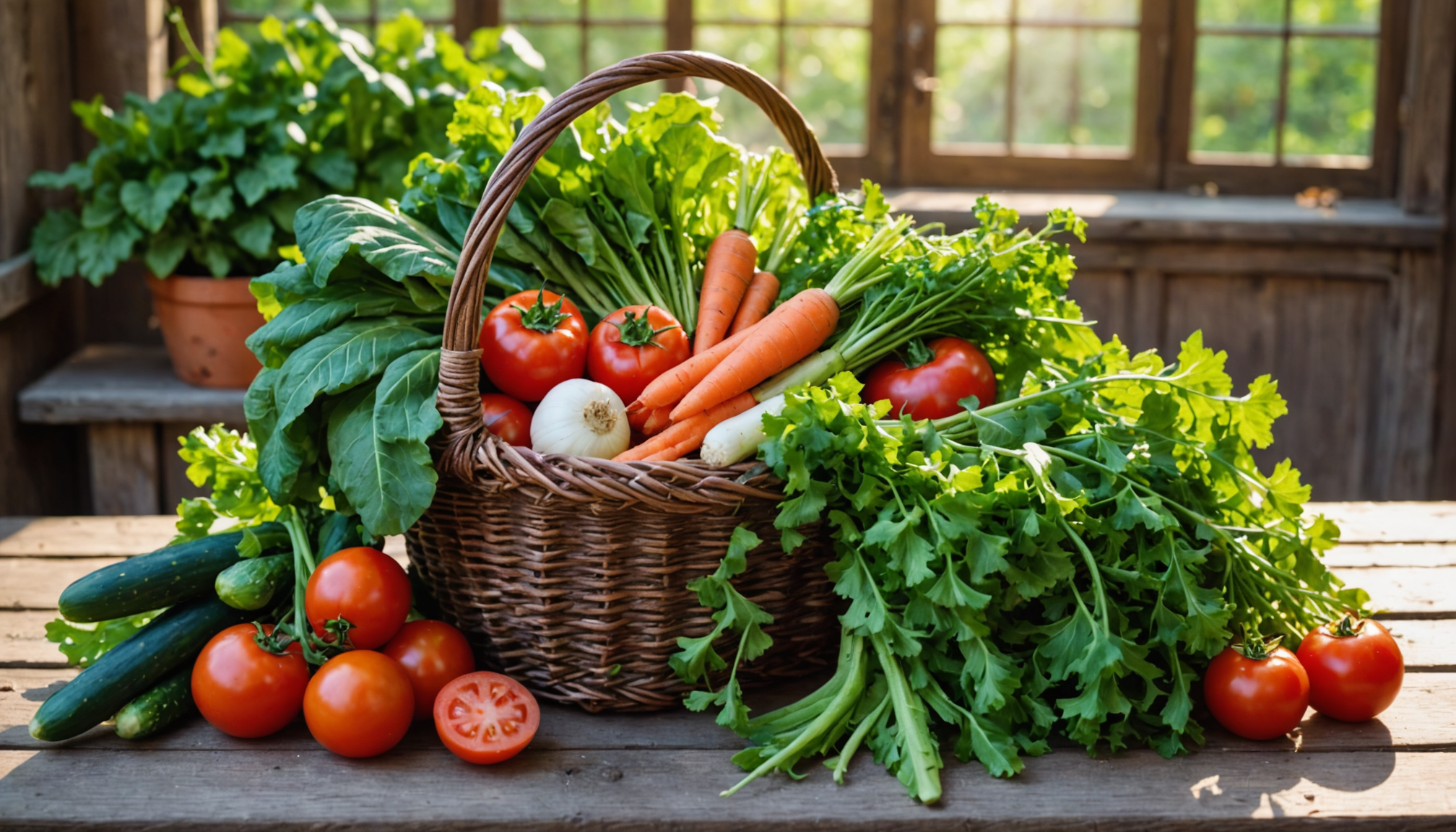
For families and busy professionals, consider shopping at local farmers’ markets. Not only do they offer fresh and organic food options, but buying local supports your community and can often be more budget-friendly than supermarket prices. Look for seasonal produce, as it’s usually less expensive and tastes better. You can often find items like kale, zucchini, and tomatoes at reasonable prices, especially in the summer months.
While shopping for healthy foods, pay attention to labels. Opt for products with short ingredient lists free from artificial additives. If you’re a vegan or have dietary restrictions, always check that the labels indicate certified organic or non-GMO for the items you purchase. This is especially crucial for items like soy products and grains, which can often be genetically modified. Additionally, seek out organic choices for the “Dirty Dozen,” which are fruits and vegetables that tend to retain higher pesticide residues. These include strawberries, spinach, and apples.
For budget-friendly options, look for store brands or bulk items, which can yield significant savings. Items like quinoa, beans, and lentils are not only affordable but are excellent sources of protein, making them staples in any fitness-focused diet. If you’re concerned about nutritional value, remember that frozen fruits and vegetables can be just as healthy as fresh ones, often at a lower price point. They are harvested at peak ripeness, ensuring their nutrients are locked in.
When shopping online, take the same approach as you would in a store. Familiarize yourself with reputable grocery delivery services and read reviews before making a purchase. Always check the return policies and ensure the site guarantees safe shipping practices for perishable items. Moreover, look for secure checkout features and verify that your payment information is protected to keep your data safe. If you’d like to build a pantry that makes meal prep easier, consider ordering pantry staples like canned tomatoes, olive oil, and whole grains in bulk through online retailers, taking advantage of discounts for larger quantities.
Lastly, don’t forget to prioritize storage. Planning where you’ll store your items once home can prevent spoilage and waste. Invest in airtight containers for dry goods and ensure your fridge is organized to keep fruits and veggies fresh longer. Proper planning and awareness can transform your grocery shopping experience into an enjoyable and enriching part of your week, paving the way for healthy cooking and delicious meals.
Fresh and organic ingredient selection
When selecting fresh and organic ingredients, the quality and sourcing of your food play crucial roles in ensuring healthy cooking while maintaining the integrity of your meals. Prioritizing organic products is essential, as they are grown without synthetic fertilizers and pesticides, thereby reducing exposure to harmful chemicals. This not only enhances the safety of your meals but also supports sustainable farming practices that can benefit the environment.
When shopping, consider the following factors to ensure that your organic selections are of the highest quality:
1. Seasonality: Understanding what produce is in season can significantly impact the flavor, nutrition, and cost of your meals. Fruits and vegetables that are in season are typically harvested at their peak, leading to better taste and higher nutrient content. For instance, spring brings an abundance of asparagus and radishes, while summer is perfect for tomatoes and zucchini.
2. Local vs. Imported: Whenever possible, choose locally-grown organic foods. These products are not only fresher but also support community businesses. Local organic farms often have transparency in their growing practices, so you can be more confident in the quality of the food you’re purchasing.
3. Certification: Look for products that carry a certified organic label. This certification ensures that the food has met specific organic farming standards, which can include regulations on soil quality, pest control, and farming practices. Familiarize yourself with the certification labels in your region to discern true organic products from those that might be misleading.
| Produce | In-Season Months | Best Source | Why Choose Organic? |
|---|---|---|---|
| Asparagus | March – June | Local farmers’ markets | Reduced pesticide exposure, supports sustainable practices |
| Tomatoes | June – September | Local farms or CSA (Community Supported Agriculture) | Better flavor and higher antioxidant levels |
| Kale | All year-round | Health food stores | Higher nutrient density, supports biodiversity |
| Strawberries | April – August | Local organic farms | Lowers risk of chemical residues, richer taste |
Additionally, diversifying your ingredient selection not only enhances the nutritional profile of your meals but also introduces varying flavors and textures. Incorporating a range of leafy greens, root vegetables, and seasonal fruits can transform your easy recipes, making the most of the fresh produce available.
While selecting ingredients, consider the overall health benefits they offer. For example, organic leafy greens like spinach and arugula are rich in vitamins A, C, and K and provide essential minerals like iron and calcium. On the other hand, root vegetables such as carrots and beets are known for their high fiber content and antioxidant properties, making them excellent additions to any organic meal.
Finally, don’t underestimate the importance of mindful grocery shopping to minimize waste. Bring reusable bags and containers to transport your organic food. This not only contributes to an eco-friendly approach but ensures that your fresh produce stays intact during transport, maintaining its quality until you begin your healthy cooking endeavors. By prioritizing fresh and organic ingredients, you set the foundation for nourishing, delicious meals that are quick to prepare and easy to enjoy.
Quick cooking techniques
Quick cooking techniques can transform the way you prepare meals, making the process streamlined and enjoyable, even for those with busy schedules. The key lies in utilizing methods that allow ingredients to shine while minimizing time spent in the kitchen.
One effective technique is batch cooking, which involves preparing large quantities of meals or components in one go. For instance, you can cook a big pot of quinoa or brown rice, which can then serve as a base for several dishes throughout the week. Pair it with roasted vegetables and a protein source, like chickpeas or grilled chicken, and you have the foundation for several easy recipes at your disposal. Store your cooked grains in airtight containers, and they’ll stay ready for quick meals.
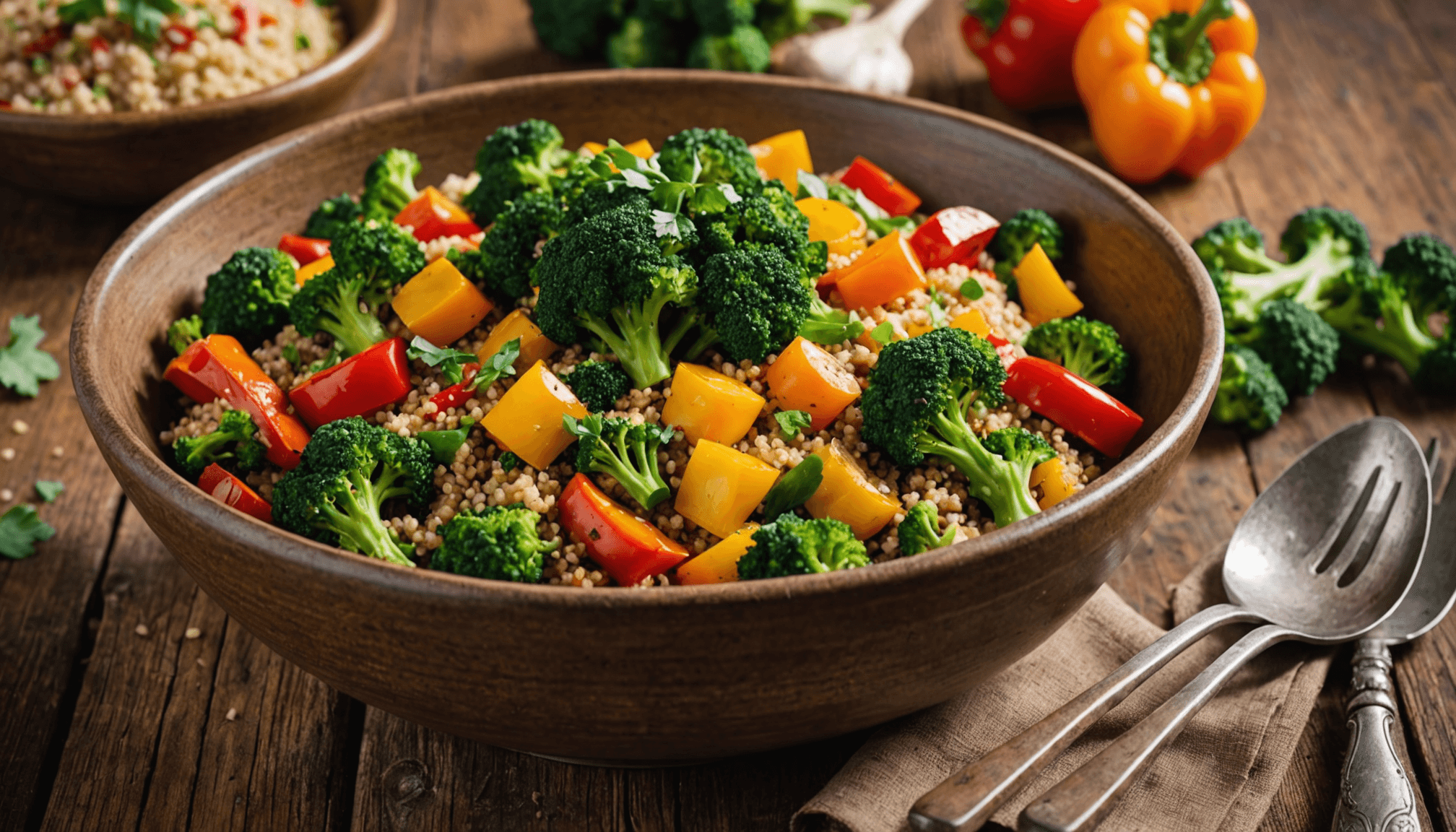
Stir-frying is another speedy cooking method that retains nutrients while infusing meals with flavor. Use a high-walled skillet or wok to heat olive oil or a plant-based alternative, then adding your choice of fresh vegetables and a protein source can turn an ordinary dish into something extraordinary in less than 15 minutes. Opt for vibrant veggies like bell peppers, broccoli, and snap peas to boost the nutritional value of your meal.
Keep your pantry stocked with a few essential items to help facilitate quick cooking. Consider these staples:
- Canned beans: A quick source of protein that can be tossed into salads, wraps, or stir-fries.
- Frozen vegetables: These are available year-round and can be added directly into stir-fries or soups without the need for thawing.
- Pre-chopped vegetables: Many grocery stores offer fresh cut options which save time and effort, perfect for meal prepping.
- Healthy sauces: Look for low-sodium soy sauce, tahini, or homemade vinaigrettes that can enhance meals while keeping preparation quick.
Incorporate the concept of one-pan meals into your cooking routine. Just throw protein, grains, and vegetables onto a single baking sheet and roast them in the oven. This method allows flavors to meld together beautifully and reduces cleanup, making it ideal for busy nights. Additionally, you can easily adapt these meals based on what’s in season or on sale.
For those focusing on meal prep, planning your meals around ingredients that can serve multiple purposes is crucial. For example, a big batch of roasted sweet potatoes can be used in salads, as a side dish, or mashed into a comforting puree. Similarly, grilled veggies can enhance pasta, omelets, and even sandwiches throughout the week.
Finally, don’t forget the power of microwave cooking. While often overlooked, the microwave is a versatile tool for quick cooking. Use it to steam vegetables or heat up quinoa or brown rice in just a few minutes. With a microwave-safe container and some water, you can maintain the nutritional integrity of your ingredients while saving a significant amount of time.
By embracing these quick cooking techniques, you’ll be able to prepare delicious and healthy organic meals that cater to your family’s needs. Not only does this approach save time, but it also empowers you to make nutritious choices, ensuring that healthy cooking fits seamlessly into your busy lifestyle.
Easy dinner recipes
The art of preparing simple and satisfying dinners is about finding recipes that marry flavor, nutrition, and speed. Here are a few options that will have you enjoying organic food without spending hours in the kitchen.
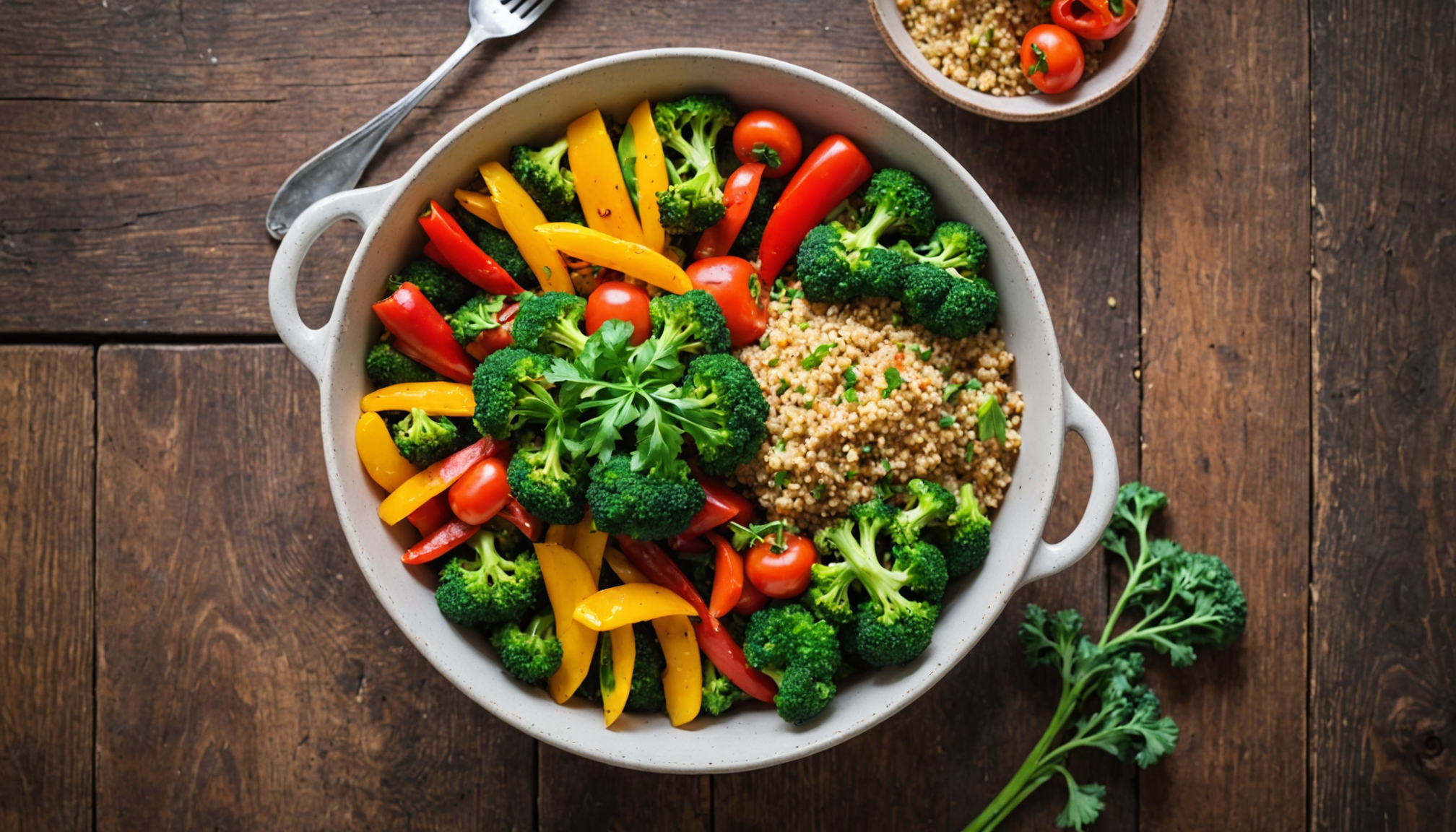
One of the easiest recipes to incorporate into your weeknight routine is a vegetable stir-fry. Start by heating a tablespoon of olive oil in a skillet or wok. Add a mix of your favorite organic vegetables—think bell peppers, broccoli, and snap peas. Stir-fry for about five minutes until they are tender yet crisp. Throw in some pre-cooked chicken or tofu for protein, and finish with a splash of low-sodium soy sauce or tamari. Serve over quick-cook brown rice or quinoa for a complete meal that’s not only colorful but loaded with nutrients.
Another crowd-pleaser is the organic quinoa salad. In a large bowl, combine cooked quinoa, diced cucumbers, cherry tomatoes, and fresh parsley. For a zesty kick, whisk together olive oil, lemon juice, salt, and pepper, then pour this dressing over your salad. This dish can be served warm or chilled, making it ideal for leftovers and meal prep. It’s refreshing and versatile—perfect for lunch the next day too!
For those evenings when time is particularly scarce, consider preparing sheet pan fajitas. Slice organic bell peppers and onions, toss them with olive oil and fajita seasoning, and spread them on a baking sheet along with your choice of protein (chicken, beef, or beans). Bake at 400°F for 20 minutes. Once everything is cooked, simply assemble your fajitas in corn tortillas, and top with avocado and fresh salsa.
Don’t overlook the simplicity of pasta dishes, using whole grain or legume-based pasta for a nutritious twist. Cook according to package instructions, and in the last few minutes of cooking, add a handful of organic spinach or kale to wilt. Drain the pasta, toss it with pesto or olive oil, roasted cherry tomatoes, and arugula for a delicious and healthy meal that comes together in just about 15 minutes.
If you’re looking for something hearty, a soup can be a comforting option. In a large pot, sauté onions and garlic until fragrant, then add diced carrots, celery, and chopped greens. Pour in vegetable broth and bring to a simmer, adding your favorite legumes like cannellini beans or lentils for protein. Season with herbs like thyme or oregano, and let it cook until the vegetables are tender. This meal not only warms you up but can be easily stored for leftovers.
“Cooking is like love. It should be entered into with abandon or not at all.” – Harriet Van Horne
These easy recipes highlight the beauty of healthy cooking and fresh, organic ingredients. Preparing meals that nourish your body and delight your taste buds can be enjoyable and efficient, setting the tone for a week filled with energy and well-being. Embrace the variety and creativity that come with cooking and discover how simple it can be to make healthful choices.
Nutritional benefits of organic meals
 Organic meals provide a multitude of nutritional advantages that can transform your health and well-being. First and foremost, organic foods are free from synthetic pesticides, fertilizers, and genetically modified organisms (GMOs), which means you’re consuming produce that is more naturally cultivated. This commitment to natural farming practices not only reduces your exposure to harmful chemicals but also supports sustainable agriculture, which is beneficial for the environment as well.
Moreover, studies have shown that organic fruits and vegetables can contain higher levels of antioxidants and other vital nutrients compared to their non-organic counterparts. Antioxidants play a significant role in neutralizing free radicals in the body, which can reduce inflammation and lower the risk of chronic diseases such as heart disease and cancer. By choosing organic, you may be providing your body with a better array of vitamins and minerals, contributing to improved overall health.
Another key benefit of organic meals is their enhanced taste and freshness. Because organic food is often locally sourced and seasonal, you’re consuming items that have been harvested at their peak ripeness. This often translates to a richer flavor experience, making healthy cooking not just nutritious but also enjoyable. With the right organic ingredients, cooking can become a delightful activity that brings both joy and health to your dining table.
Mindful choices regarding your food can also positively impact gut health. Many organic products come with probiotics and prebiotics, supporting a healthy microbiome. The inclusion of fiber-rich organic grains and legumes can promote digestive health, contributing to better nutrient absorption and regularity. This aspect is particularly important as gut health is increasingly linked to mental health and immune function.
Incorporating organic meals into your routine encourages a deeper connection to your food sources. As you prioritize quality ingredients, consider the journey of your meals from farm to table, fostering mindfulness that can enhance your overall relationship with food. This awareness can inspire you to explore different cooking techniques and diverse recipes, arming yourself with knowledge that allows you to get the most out of your organic dining experience.
- What are the health benefits of choosing organic meals?
- Organic meals are grown without harmful chemicals and pesticides, which can reduce your exposure to toxins. They tend to have higher levels of antioxidants and nutrients, promoting better overall health.
- Are organic foods always more nutritious than non-organic?
- While many studies suggest that organic foods have higher nutrient content, the differences can vary based on factors such as the soil quality and farming practices. It’s important to consider both quality and variety in your diet.
- How do organic meals contribute to sustainability?
- Organic farming practices promote biodiversity, improve soil health, and reduce pollution, all of which contribute to a more sustainable food system. Supporting organic farmers helps protect ecosystems and biodiversity.
- Can I find organic options in any grocery store?
- Many grocery stores have dedicated organic sections, but the availability can vary. Local farmers’ markets often provide a plethora of fresh, organic products and can be a great way to connect with local growers.
- What impact do organic foods have on gut health?
- Organic foods, particularly those high in fiber, can support a healthy gut microbiome. This can lead to better digestion and overall health, as well as contributing to improved immunity.
- Are organic meals more expensive?
- Organic meals can be pricier than non-organic options due to farming practices. However, seasonal organic produce and shopping at local markets can help offset costs and provide fresher options.
- How can I integrate more organic meals into my diet?
- Start by gradually replacing conventional items in your pantry with organic options. Plan meals around seasonal produce, and experiment with different recipes to make organic cooking a regular part of your routine.
Storing leftovers and meal prep strategies
When it comes to storing leftovers and meal prep strategies, the right approach can save you time, money, and effort while ensuring your food remains fresh and delicious throughout the week. First and foremost, invest in high-quality, airtight containers to keep your meals stored safely. Glass containers are a fantastic choice as they are durable, reusable, and microwave-safe, making reheating leftovers a breeze.
For meal prep aficionados, consider dedicating a specific day of the week to plan and prepare your meals. This will not only streamline your weekly cooking but will also help you maintain a healthy diet by having readily available organic food options. Begin by cooking grains, such as brown rice or quinoa, in bulk. These can easily be portioned into meals or used as a base for a variety of easy recipes such as grain bowls, salads, or stir-fries. Store the grains in the fridge and use them within 3-5 days for optimal freshness.
Another effective strategy is to divide your ingredients by type—proteins, carbohydrates, and vegetables—before cooking them. Chop vegetables and store them in separate containers to use in salads throughout the week. For instance, pre-chopped bell peppers, carrots, and cucumbers can add crunch to salads or be a perfect healthy snack option when paired with hummus or a yogurt dip.
For proteins, consider prepping items like grilled chicken or plant-based proteins such as chickpeas and lentils. These not only add substance to a variety of dishes but also ensure you’re meeting your nutritional needs. They can be added to wraps, stir-fried with vegetables, or mixed into soups for a satisfying meal.
When it comes to leftovers, it’s crucial to store them properly to maintain flavor and nutritional value. Cool your dishes down to room temperature before placing them in the refrigerator—this prevents bacteria growth. Label containers with the date they were prepared to stay organized, ensuring you consume them before they spoil, typically within 3-4 days.
If you’re worried about food waste, freezing leftovers can extend their shelf life significantly. Just be mindful to pack meals in portion sizes, which allows for easier reheating later. Soups, stews, and casseroles are especially conducive to freezing and can be a lifesaver on busy nights when you want something quick yet nutritious.
Incorporate a system for rotating meals, ensuring older leftovers are consumed first. This practice minimizes waste and allows you to explore various flavors throughout the week. Don’t hesitate to get creative; remix your leftovers into new dishes—turn last night’s roasted veggies into a vibrant omelet or include them in a hearty soup.
Lastly, while online grocery shopping can be a convenient way to stock up on organic food and pantry staples, be cautious with storage. If purchasing frozen items, ensure they arrive still frozen to maintain their quality. Always check for expiration dates upon receipt. Ordering from local farms can provide fresher produce and help you connect with suppliers who prioritize sustainable practices.
By embracing these meal prep strategies and leftover storage techniques, you’ll cultivate a more efficient kitchen system that supports healthy cooking. Not only will you enjoy easy recipes at your fingertips, but you’ll also foster a habit that promotes well-being for you and your family.
New Customers Offer!
Free Gift for the new customer
$24 Value, When You Subscrib Visit Thrive Market