- Understanding Organic Ingredients
- Health Benefits of Organic Meat
- Seasonal Vegetables to Include
- Building Your Bowl: Composition Tips
- Creative Flavor Pairings
- Meal Prep and Storage Suggestions
When navigating the grocery store or an online market for ingredients, understanding what qualifies as organic is crucial for making informed choices that align with a healthy lifestyle. Organic products are grown and processed without the use of synthetic fertilizers, pesticides, or genetically modified organisms (GMOs), ensuring that what you consume is pure and natural. This is especially important for families aiming to incorporate more nutritious options into their meals, like meat bowls loaded with wholesome ingredients.
To create delicious and nutrient-packed dishes, begin by understanding the labels. Look for the USDA Organic seal, which guarantees that the product meets federal standards for organic farming. Keep an eye out for terms such as “100% Organic,” which means that the product contains only organic ingredients, or “Organic,” which indicates at least 95% of the ingredients are organic. Anything labeled “Made with Organic Ingredients” must contain at least 70% organic content but can include non-organic elements.
Shopping locally can significantly enhance your grocery experience. Visiting farmers’ markets is a great way to find fresh, organic produce, meats, and dairy. Not only will you support local businesses, but you’ll also have access to seasonal fruits and vegetables that are often picked at peak ripeness, resulting in tastier and more nutritious meals. For example, picking up seasonal vegetables like zucchini, carrots, and bell peppers can elevate your healthy dinners and add vivid colors to your meat bowls.
For those navigating vegan diets, confirm that packaged items, like plant-based proteins or snacks, are certified organic to avoid unwanted additives. Staples such as quinoa, lentils, and beans are not only budget-friendly but also excellent for building satisfying, nutrient-dense meals. When shopping online, make use of filters to specifically search for organic and vegan products, making the process smoother and more efficient. Just remember to check reviews and seller ratings to ensure product quality and safety.
Another essential aspect of grocery shopping is safety. If you’re purchasing items online, always ensure that the website is secure (look for HTTPS in the URL) and reputable. Familiarize yourself with the return policy in case the product does not meet your expectations upon arrival. Check expiration dates on perishable items, especially when buying organic meats, as they have specific handling and storage requirements to ensure safety and freshness.
By keeping these tips in mind, you can cultivate a more intentional shopping experience, filled with organic ingredients that align with your family’s needs and dietary preferences. From satisfying meat bowls to vibrant vegetable-rich meals, consciously choosing organic foods can enhance your cooking journey and promote healthier eating habits.
Health Benefits of Organic Meat
Consuming organic meat has been linked to various health benefits that can significantly enhance your overall well-being. One of the primary advantages is the level of nutrients found in organic meat compared to conventional meat. Organic livestock is raised in environments that prioritize animal welfare and natural feeding practices, which directly impacts the nutritional quality of the meat. For example, organic meat has been shown to contain higher levels of omega-3 fatty acids and conjugated linoleic acid (CLA), both of which are beneficial for heart health and may reduce the risk of chronic diseases.
Additionally, organic meat is free from harmful chemicals often found in conventionally raised alternatives, such as antibiotics and growth hormones. This is particularly pressing as the overuse of antibiotics in animal farming has been linked to the rise of antibiotic-resistant bacteria, posing a significant public health threat. By choosing organic, you minimize exposure to these chemicals, supporting not only personal health but also the environment.
Moreover, the environment in which organic animals are raised encourages healthier living conditions. Organic farms typically offer better access to pasture and space, allowing animals to engage in natural behaviors. This results in meat that is not only healthier but also typically more flavorful, enhancing the quality of your meat bowls and ensuring that you are offering your family nutritious and tasty meals.
Here’s a comparative view of organic meat versus conventional meat:
| Aspect | Organic Meat | Conventional Meat |
|---|---|---|
| Animal Welfare | Higher standards with outdoor access | Confined spaces, often factory-farmed |
| Nutritional Quality | Higher omega-3s and CLAs | Lower omega-3 content |
| Chemical Exposure | Free from antibiotics and growth hormones | May contain residues of antibiotics and hormones |
| Environmental Impact | More sustainable farming practices | Higher ecological footprint |
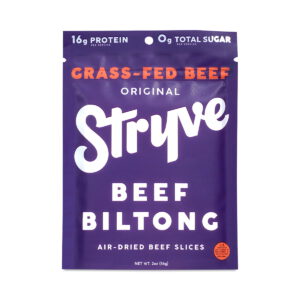
When incorporating organic meat into your diet, consider the various types available. Grass-fed beef, for example, is not only a flavorful choice for your meat bowls but also boasts higher levels of essential vitamins, making it an excellent option for healthy dinners. Poultry and pork from organic sources similarly offer great nutrition and taste, ideal for various organic recipes that may include hearty stir-fries or roasted dishes.
Emphasizing the importance of sourcing organic meat, it’s beneficial to develop relationships with local farmers or join community-supported agriculture (CSA) programs. These not only provide fresh, high-quality options but also align with sustainable practices that support your health and the environment. The more informed you are about your food sources, the more empowered you become to make choices that contribute positively to your health and well-being. By incorporating organic meats into your meals, you are not just feeding your body but also nurturing a holistic approach to lifestyle and nutrition.
Seasonal Vegetables to Include
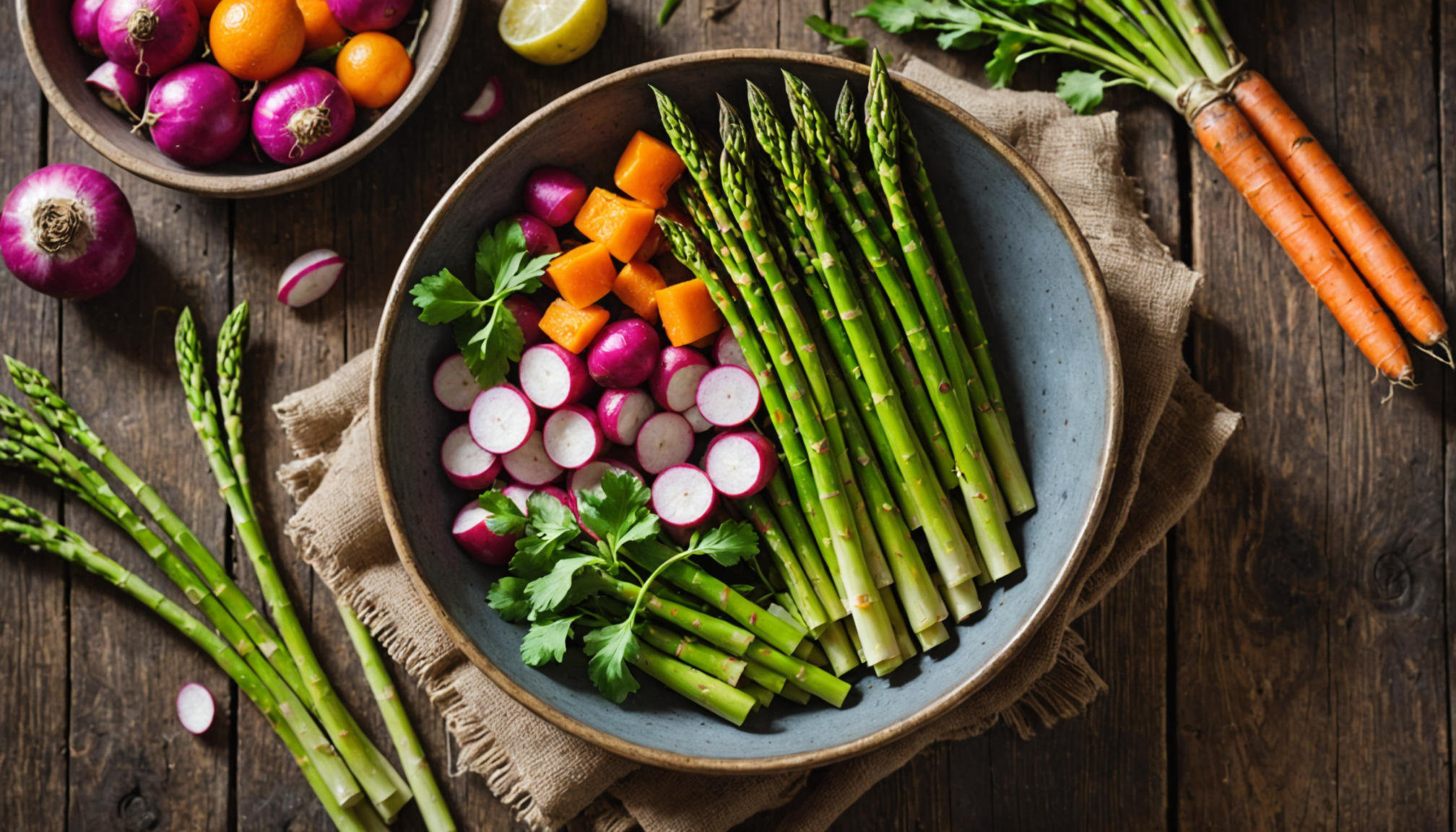
When it comes to seasonal vegetables, aiming for freshness and variety can transform your dishes from mundane to exceptional. Understanding the seasonal availability of vegetables not only enhances the flavor of your meals but also supports local farmers and ensures that you are getting the most nutritional benefits. To make your grocery shopping experience more enjoyable and productive, consider incorporating the following tips for sourcing seasonal vegetables.
Start by familiarizing yourself with which vegetables are in season in your area. Each season brings a unique array of produce that thrives in specific climates, thus offering you the freshest and most flavorful options. Here’s a quick guide to help you navigate through the seasons:
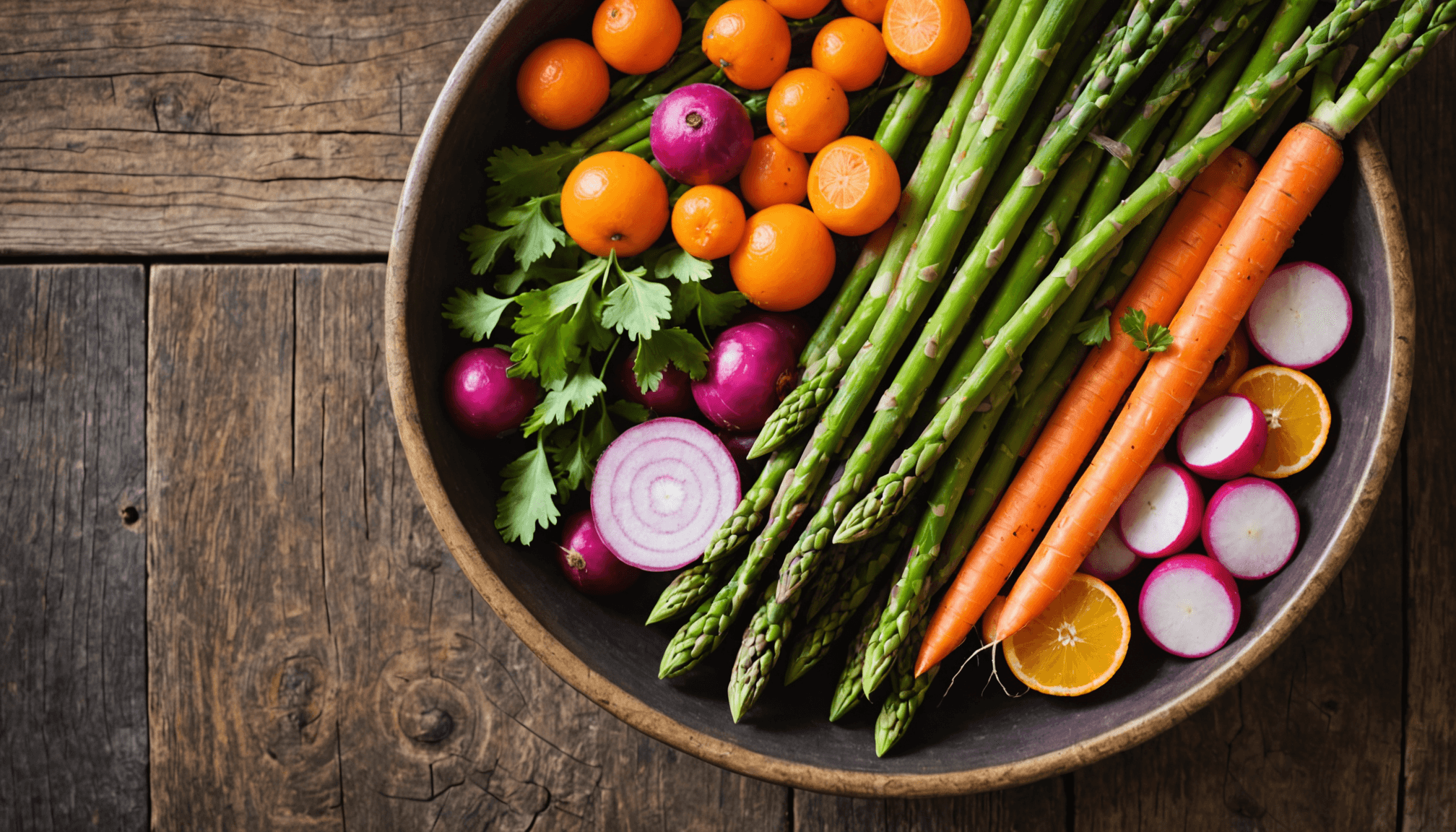
- Spring: Look for asparagus, peas, radishes, and spinach.
- Summer: Expect to find zucchini, tomatoes, peppers, and corn.
- Fall: Conquer your cravings with pumpkins, sweet potatoes, and Brussels sprouts.
- Winter: Enjoy hearty root vegetables like carrots, turnips, and hearty greens like kale.
By buying these seasonal vegetables, you not only support local farmers—who often sell at farmers’ markets—but you also ensure that your meat bowls are brimming with vibrant colors and diverse textures. Fresh produce can truly elevate the nutritional content of your healthy dinners, ensuring that every bite is packed with essential vitamins and minerals.
For those who are budget-conscious, shopping for seasonal produce is a stellar way to save money. Seasonal fruits and vegetables are often less expensive due to their abundance. Buying in bulk from local suppliers not only cuts costs but often results in better taste and quality. Don’t hesitate to explore local co-ops or community-supported agriculture (CSA) programs, which can provide you with a variety of seasonal options at an affordable price.
For vegan shoppers, building your meal around plant-based seasonal vegetables offers a range of possibilities. Think about creating hearty grain bowls with quinoa, offering a satisfying base for your vegetables. This combination also allows you to explore various textures, ensuring your meals are visually appealing and delicious. Adding seasonal vegetables to your bowls not only enriches the flavor but also amplifies the health benefits of your dish.
When shopping online, ensure that you have selected a reliable marketplace that highlights seasonal produce. Look for websites that participate in local delivery initiatives or those that prioritize farm-to-table sourcing. Be careful to check customer reviews and ratings, as a reputable seller should reflect a commitment to quality and freshness. Additionally, investing some time in zero-waste practices, such as only purchasing what you need and composting scraps, can further enhance your sustainable grocery shopping habits.
Furthermore, prioritize inspecting your produce both online and offline. When shopping in-store, choose items that are firm, vibrant in color, and devoid of blemishes. In online shopping scenarios, ensure that your groceries will be shipped in optimal conditions to maintain freshness, especially if ordering frozen or perishable items.
Pair your seasonal produce with good quality organic meats to create balanced and delicious meals. This fusion of seasonal vegetables and responsibly sourced meats can lead to delightful organic recipes that appeal to the whole family. With these practical yet effective shopping strategies, you’ll be well-equipped to enhance your meals with the right seasonal vegetables, turning ordinary dinners into extraordinary healthy feasts.
Building Your Bowl: Composition Tips
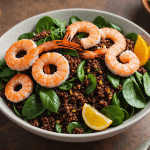
When assembling your meat bowl, consider the foundational elements that will create balance and satisfaction in every bite. Start with a base of whole grains or legumes to provide a hearty foundation. Options such as brown rice, quinoa, farro, or lentils add both texture and nutrition. They complement the rich flavors of the organic meat while ensuring your meal is filling and wholesome.
Next, focus on layering in your protein, choosing cuts that suit the flavor profile you’re aiming for. Grilled chicken, braised beef, or roasted pork can be delicious choices, particularly when seasoned well. Cooking methods matter as well; grilling or roasting generally enhances the flavor, while slow cooking can tenderize tougher cuts, making them melt in your mouth. For a plant-based alternative, consider marinated tofu or tempeh, which can absorb a variety of spices and sauces, making them deliciously versatile.
Don’t forget to introduce a wealth of colorful seasonal vegetables into your bowl. Incorporate a mix of textures—crispy, crunchy, and tender elements work wonderfully together. Think roasted broccoli, sautéed spinach, or fresh bell peppers for a refreshing crunch. You can also include pickled vegetables, which bring acidity and brightness to the dish. This not only enhances the visual appeal of your meat bowls but also provides a range of vitamins and minerals, contributing to a balanced meal.
To bring everything together, focus on your seasoning and sauce choices. A drizzle of homemade dressings, such as tahini or a citrus vinaigrette, can elevate the overall taste profile. Fresh herbs like cilantro, parsley, or basil not only add flavor but also freshness, making your dish feel light and invigorating. Experiment with spices—smoked paprika, cumin, or even a hint of chili powder can add depth and warmth, sparking interest in each mouthful.
Above all, presentation matters. Arrange your ingredients artfully in the bowl, allowing the vibrant colors of your seasonal vegetables to shine next to the protein and grains. A well-constructed bowl not only looks inviting but also invites hearty appetite and enjoyment. As you plate your meal, consider each component’s role in achieving not just a beautiful dish, but also a fulfilling and nourishing experience.
“The beauty of a well-constructed bowl lies in its ability to cater to both comfort and health, creating a satisfying meal that nourishes body and soul.”
With these composition tips, you can create meat bowls that are not just meals but a delightful fusion of flavors and textures, ensuring that each supper is a celebration of health and sustainability.
Creative Flavor Pairings
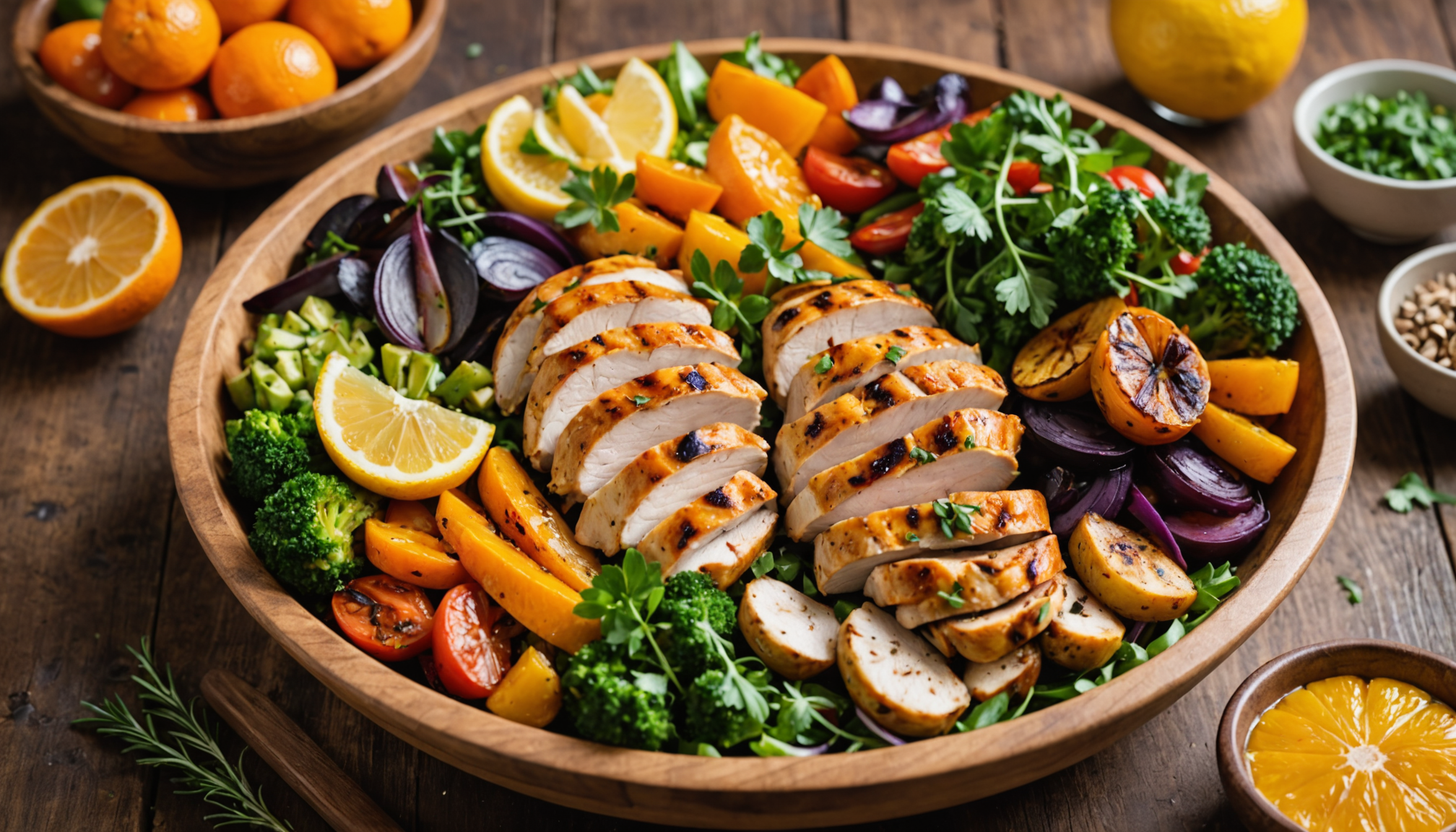 Experimenting with flavor pairings is essential when creating organic meat and veggie bowls that tantalize the taste buds and reflect a commitment to health. The beauty of these bowls lies in their versatility; they can showcase a variety of tastes and textures, encouraging a joyful exploration of culinary creativity. When crafting your meals, consider how different flavors interact and complement each other. This not only enhances your eating experience but also allows you to maximize the nutritional benefits of each ingredient.
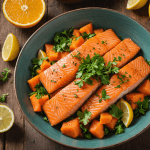
Start with your protein choice. Organic meats offer a rich canvas to work with, whether it’s succulent grilled chicken, flavorful ground beef, or tender pulled pork. Each type of meat has its own unique flavor profile, so pairing them with complementary ingredients is key. For instance, marinated chicken pairs wonderfully with bright citrus elements, such as lemon or lime juice, which can uplift the dish while providing a refreshing zing.
Seasonal vegetables add vibrancy and complexity to your dishes. Think about pairing sweet roasted carrots with savory herbs like thyme or rosemary, or combining earthy beets with the sharpness of goat cheese. These contrasts elevate the overall flavor of your bowls, creating well-rounded meals that appeal to a variety of palates. Incorporating elements like fermented foods, such as kimchi or sauerkraut, can also introduce an exciting tanginess that balances richer flavors, promoting a variety of taste sensations.
Don’t forget about the role of sauces and dressings in enhancing flavor. A creamy tahini sauce can add depth to Middle Eastern-inspired meat bowls, while a zesty chimichurri can lift a simple grilled steak to fantastic heights. Try experimenting with homemade marinades; a mix of olive oil, balsamic vinegar, and spices can result in delicious results, infusing your organic meats with flavor. If time allows, allow your ingredients to marinate before cooking. This step enhances the flavoring, making each bite more memorable.
Herbs also deserve special attention. Fresh herbs like cilantro, basil, and dill act as essential finishing touches that can brighten up a dish and make it pop. The addition of microgreens not only amplifies the health benefits but also adds visual appeal. When considering garnishes, think about textures—sprinkling roasted nuts or seeds can contribute a delightful crunch to your healthy dinners, while avocado or a soft-boiled egg can provide creaminess that balances out other components.
As you engage with organic meat and veggie bowls, remember that flavor pairing is an art and science that invites continual learning. Experiment with different combinations, create new recipes, and discover which flavors excite you the most. The journey of building your bowls should be an enjoyable exploration of health and taste—a pursuit that is all about nourishing your body with the best ingredients while keeping your meals fun and satisfying.
- What are the best types of organic meats to use in my bowls?
- Popular organic meats include grass-fed beef, organic chicken, and heritage pork. Each type brings distinct flavors and health benefits, so consider your family’s preferences and the nutritional needs as you shop.
- How can I ensure the vegetables I choose are truly organic?
- Look for the USDA Organic seal on vegetable packaging or purchase from trusted local farmers’ markets. Engaging with farmers directly can also provide transparency about farming practices.
- Can I prepare my meat bowls ahead of time for meal prep?
- Absolutely! Meal prepping is a great way to save time during the week. Cook and store your meats and grains in airtight containers, and add fresh salads and dressings right before serving for maximum flavor.
- What’s a good way to add variety to my bowl recipes?
- Experiment with different grains, proteins, and sauces each week. Try incorporating international flavors or seasonal ingredients to keep things exciting and fresh in your meals.
- Are there any special storage methods for organic vegetables?
- Store organic vegetables in a cool, dark place or in the fridge to prolong their freshness. Using breathable bags or containers can also help keep them crisp for longer durations.
- How can I add more flavor without extra calories?
- Opt for herbs, spices, and citrus to enhance flavors without adding significant calories. This not only elevates taste but also increases the nutritional value of your bowl.
- Is it necessary to use organic ingredients for meat bowls?
- While it’s not strictly necessary, choosing organic ingredients helps minimize exposure to harmful additives and supports sustainable practices. Organic components tend to offer enhanced flavors and nutrients, aligning with a healthier lifestyle.
Meal Prep and Storage Suggestions
Effective meal prep and proper storage are essential for ensuring that your organic meat and veggie bowls not only taste great but also retain their nutritional value. By mastering these practices, you can simplify your cooking routine and avoid food waste, making it easier for busy families and professionals to enjoy healthy dinners.
Start by planning your meals for the week. Write down the ingredients you’ll need for your meat bowls, focusing on a mix of organic proteins, vibrant seasonal vegetables, and whole grains. This practice not only saves time during grocery shopping but also helps keep your budget in check. Create a shopping list that includes local produce when possible, as seasonal items tend to be fresher and more affordable.
Once you have your ingredients, consider batch cooking to streamline your meal prep process. For instance, cook large portions of your base grains—quinoa, brown rice, or farro—at once. Store them in airtight containers in the fridge, as they can remain fresh for up to a week. Similarly, prepare your organic meats in bulk. Marinate and grill a batch of chicken or roast beef; slice them for easy assembly later. This approach will reduce time spent cooking during the week, allowing you to quickly assemble bowls filled with healthy ingredients.
When it comes to storing fresh vegetables, remember that proper handling can extend their shelf life. For leafy greens, consider wrapping them in a damp paper towel before placing them in a breathable container. This will help maintain their crispness longer. For other vegetables, ensure they are dry before storage, as moisture can lead to spoilage. Keep delicate items like tomatoes and avocados at room temperature to maximize flavor, and store heartier vegetables like carrots and bell peppers in the refrigerator.
If you bought produce in bulk, consider prepping them in advance. Chop vegetables and store them in clear containers for easy access throughout the week. This way, you’re more likely to include them in your meals, making your meat bowls not only colorful but also nutrient-rich. A great tip is to separate your prepped ingredients into individual portions. This can prevent you from having to rummage through the fridge every time you want to whip up a healthy bowl.
Don’t ignore the importance of proper storage for leftover bowls. If you have leftovers from your meat bowls, store them in airtight containers promptly to preserve freshness. Most cooked proteins can remain good for 3-4 days when refrigerated, while grains and vegetables usually last about the same time, provided they are kept separate until ready to eat. If you’re experimenting with meal prep, consider freezing portions as well. Just be sure to label containers with the contents and dates for easy identification later.
Lastly, if you’re shopping online, pay attention to how items are packaged and shipped. Choose suppliers that utilize eco-friendly practices and ensure that your items will be shipped under appropriate conditions, particularly if you’re buying perishables like organic meats or fresh produce. Look out for indications of freshness on delivery, such as insulated packaging or ice packs for meat products. Following these guidelines can make for a seamless online shopping experience and keep your organic recipes healthy and delicious.
New Customers Offer!
Free Gift for the new customer
$24 Value, When You Subscrib Visit Thrive Market