- Light & Healthy Organic Seafood Bowls
- Nutritional Benefits of Seafood
- Choosing Fresh, Organic Ingredients
- Popular Seafood Varieties for Bowls
- Flavorful Marinades and Dressings
- Creative Bowl Combinations
- Tips for Preparing and Serving
When it comes to creating light and healthy organic seafood bowls, your grocery shopping approach can greatly enhance the quality and taste of your meals. Here are some practical tips to consider for curating the perfect ingredients, whether you’re shopping in-store or online.
Start with Fresh Seafood: Look for sustainable seafood options that are labeled by credible organizations such as the Marine Stewardship Council (MSC) or the Aquaculture Stewardship Council (ASC). These labels ensure the seafood is sourced responsibly. Aiming for local catch can also support your community and reduce your carbon footprint. Consider visiting local fish markets for the freshest selections, or check if local farms offer online preorder options to guarantee freshness.
Incorporate Organic Produce: Browse your grocery’s organic section for fruits and vegetables that will complement your seafood bowls. Items like kale, spinach, cherry tomatoes, and avocados not only add visual appeal but also enhance the nutritional value. Opt for seasonal produce, which is often less expensive and tastes better since it’s picked at peak ripeness. Always wash fruits and vegetables thoroughly to remove any pesticide residues.
For those focused on budget-friendly choices, consider incorporating frozen organic produce. These options can be just as nutrient-rich as fresh and are typically more affordable and have a longer shelf life. An organic frozen veggie mix can be a lifesaver on busy nights!
Check Your Condiments: Pay attention to marinades and sauces. Read labels carefully for added sugars and preservatives. Opt for organic options or consider making your own simple marinades with ingredients like olive oil, lemon juice, garlic, and fresh herbs to control what goes into your bowl. Having a handful of key ingredients such as low-sodium soy sauce or miso paste can help create delicious flavor profiles without compromising health.
When it comes to vegan options, you can easily create plant-based seafood alternatives or toppings that mimic traditional seafood flavors. Ingredients such as tofu, tempeh, or chickpeas marinated in seaweed can be fantastic substitutes for those following a plant-based dietary regimen.
Online Shopping Safety: If you prefer to shop online, ensure you’re using trusted websites. Look for secure payment options and check if they have a return or refund policy in case the products do not meet your expectations. It’s always wise to read customer reviews to gauge the quality and delivery service of perishable items before purchasing.
Finally, consider bulk buying non-perishables or pantry staples that can elevate your seafood bowls, such as quinoa, brown rice, or whole grains. These ingredients not only provide a hearty base for your bowls, but they also encourage healthy dinners that are both satisfying and nutritious.
By expanding your grocery shopping strategy and focusing on quality ingredients, you can create stunning and nourishing seafood bowls that delight the taste buds while keeping health in check.
Nutritional Benefits of Seafood
Seafood is often celebrated for its outstanding nutritional profile, making it an essential component of light, healthy organic seafood bowls. It is rich in high-quality proteins, omega-3 fatty acids, essential vitamins, and minerals, all of which contribute to overall health and well-being. Given the variety of seafood options available, understanding their unique health benefits can help you make informed choices when creating your seafood bowls.
One of the standout attributes of seafood is its high protein content. Fish and shellfish provide complete proteins, which mean they contain all the essential amino acids necessary for the body. For those looking to maintain muscle mass, integrate seafood into their diets, or simply consume wholesome meals, seafood is an ideal source.
In addition to protein, seafood is particularly known for its omega-3 fatty acids, which offer numerous health benefits. These healthy fats are crucial for heart health, as they can help lower triglycerides, reduce inflammation, and lower the risk of heart disease. Omega-3s present in fish like salmon, sardines, and mackerel are especially beneficial, making them popular choices for healthy dinners.
Important vitamins and minerals are also abundant in seafood. For instance, fish serves as an excellent source of vitamin D and B vitamins, including B12, which is vital for energy production and proper nerve function. Furthermore, seafood is rich in minerals like iodine and selenium, which play significant roles in thyroid function and antioxidant defense, respectively.
To illustrate the nutritional benefits of various seafood options, the following table presents a comparison of selected seafood varieties commonly included in seafood bowls:
| Seafood Variety | Protein (g per 3 oz) | Omega-3 Fatty Acids (g) | Vitamin B12 (% DV) | Vitamin D (% DV) |
|---|---|---|---|---|
| Salmon | 22 | 2.2 | 130 | 87 |
| Tuna | 25 | 0.2 | 100 | 4 |
| Sardines | 22 | 1.5 | 200 | 22 |
| Shrimp | 18 | 0.3 | 22 | 5 |
As demonstrated in the table, salmon stands out not only for its high protein content but also for its substantial levels of omega-3 fatty acids and vitamins B12 and D, making it an excellent choice for those focusing on nutritious organic recipes. Sardines offer similar benefits with the added advantage of being lower in mercury and often more sustainable.
Incorporating a variety of seafood into your meals will ensure that you reap the benefits of these nutrients, fostering a balanced diet while enjoying the delightful flavors of your seafood bowls. Each seafood choice brings its own distinct benefits and flavors, allowing for creativity and innovation in how you construct your healthy dinners.
Choosing Fresh, Organic Ingredients
When embarking on your grocery shopping journey for fresh and organic ingredients, consider shopping local when possible. Not only does this support farmers and fisheries in your community, but it often ensures the freshest produce and seafood. Visiting farmer’s markets or local fish shops allows you to ask questions about sourcing and freshness directly, ensuring that the ingredients you choose for your seafood bowls are at their peak quality.
Choose Organic When Possible: Organic fruits and vegetables are grown without the use of synthetic fertilizers and pesticides, which can be beneficial for both health and the environment. Look for produce that has the USDA Organic seal. Keep an eye out for the dirty dozen list, which points out fruits and vegetables that are more susceptible to pesticide residue. For a healthier meal, aim to buy organic varieties of these crops, such as strawberries, spinach, and apples.
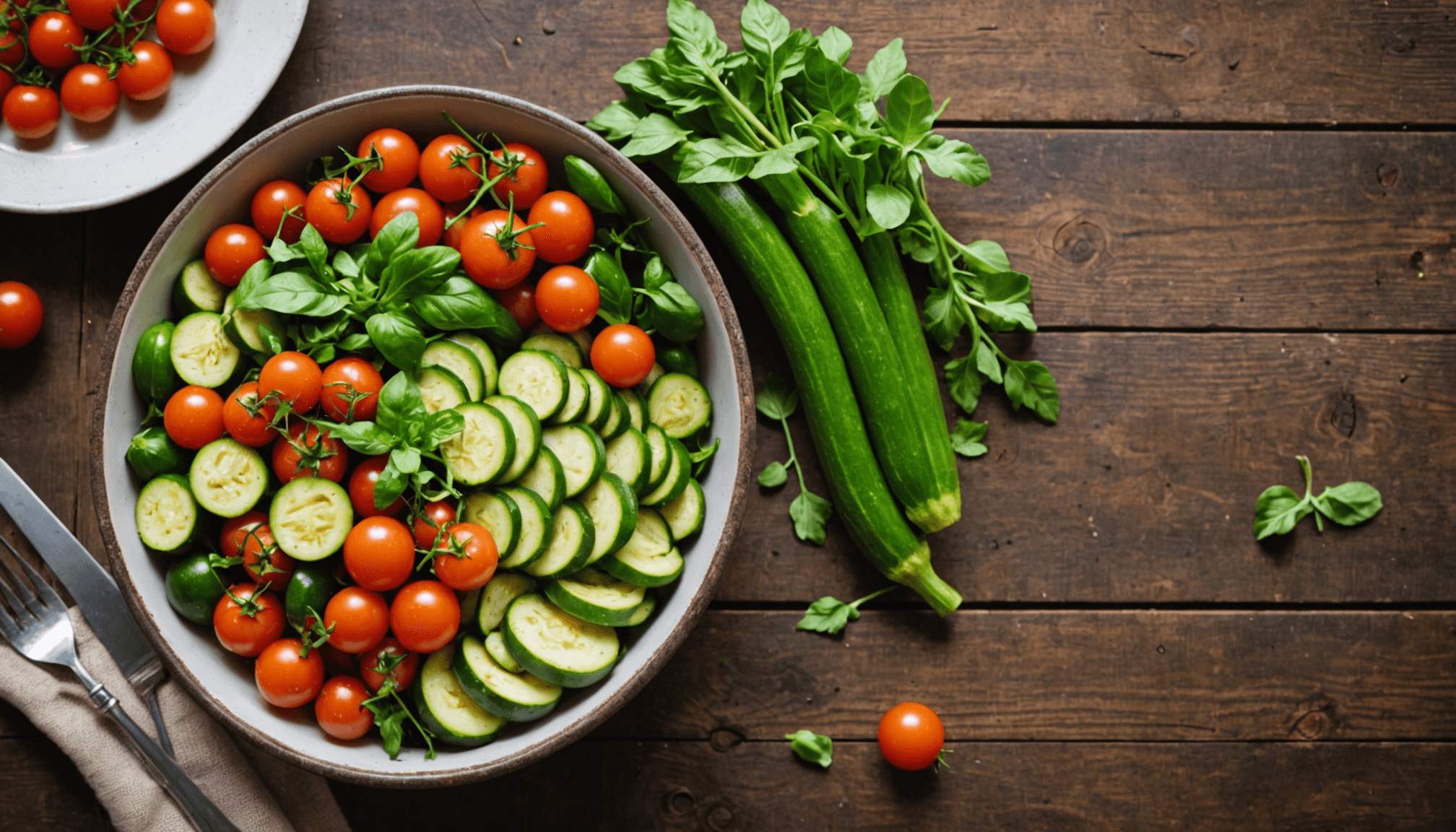
Don’t Neglect Seasonality: Shopping seasonally not only enhances the flavor of your dinners but can also significantly cut costs. When you opt for in-season products, you frequently enjoy lower prices and higher nutritional content. For instance, pairing your seafood with summertime zucchini or winter squash can create vibrant, healthful seafood bowls.
Smart Substitutions: For budget-conscious shoppers, consider using canned or frozen products. Canned seafood, such as tuna or salmon, maintains a good nutritional profile and can be less expensive while still offering the convenience of having a protein-rich ingredient readily available. Frozen organic vegetables can be just as nutritious as fresh and are a great way to keep your meals versatile, especially when fresh options aren’t available.
Be Ingredient Savvy: As you select your pantry staples, focus on whole grains like quinoa, buckwheat, or brown rice to serve as bases for your bowls. These not only provide complex carbohydrates and fiber but can also enhance the satiety factor of your meal, making them ideal for families or those with active lifestyles. Additionally, ingredients like legumes and nuts can provide protein and healthy fats, enriching both vegetarian and non-vegetarian seafood recipes alike.
Stay Vigilant When Shopping Online: Online grocery shopping can save time, but it is crucial to prioritize safety. Always use reputable vendors that offer secure transaction methods. Before placing an order, check the reviews of both the products and the seller, particularly for perishable seafood. Look for options that guarantee freshness upon arrival, and don’t hesitate to reach out to customer service if you have any questions about handling or sourcing.
Keep an eye on your meal prep supplies. Having tools like a food processor for making dressings or a vacuum sealer for preserving freshness can also reduce waste while enhancing the quality of your meals. With a little careful consideration while shopping, you can gather everything needed to craft delicious and nutritious seafood bowls that cater to your health goals and palate.
Popular Seafood Varieties for Bowls
When it comes to crafting the perfect seafood bowls, there are several popular varieties to consider that not only offer distinct flavors but also contribute to the nutritional value of your meals. Each type of seafood brings its own unique profile to the table, making it easy to customize and create healthy dinners that are both satisfying and delicious.
One of the most versatile choices is salmon. This buttery fish is not only rich in omega-3 fatty acids, which are excellent for heart health, but it also provides ample protein and essential vitamins. Grilled, baked, or even served raw as sushi, salmon can be the star of your seafood bowl, paired with fresh greens and a zesty dressing.
Tuna is another popular variety known for its firm texture and meaty flavor. Whether enjoying it seared, in a poke bowl, or canned, tuna is packed with protein and low in calories. Its adaptability allows it to pair beautifully with various marinades and toppings, making it a great option for creating personalized seafood bowls.
For a lighter option, shrimp can quickly elevate your bowl’s appeal. With their mild flavor and quick cooking time, shrimp can be sautéed, grilled, or added to a seafood stew. Not only are they a great source of protein, but they also contain important nutrients like selenium and vitamin B12, making them a perfect addition to healthy organic recipes.
Sardines might often be overlooked, yet they present an exceptional choice for those looking for a nutrient-dense option. These small fish are packed with omega-3s, protein, and essential nutrients. They are also considered more sustainable than larger fish, making them an environmentally friendly option. Incorporating sardines into your seafood bowls adds a unique flavor and a hint of saltiness that pairs well with fresh veggies.
Lastly, consider shellfish like scallops and mussels. Scallops are not only delightful with their sweet, tender flavor but also provide a good source of protein while being low in fat. Mussels, on the other hand, are rich in iron and B12. Both these seafood varieties can add elegance and depth to your seafood bowls, enhancing the overall dining experience.
As you explore these popular seafood selections, remember the importance of freshness and quality in your meals. Sourcing sustainable, organic seafood varieties allows you to enjoy a range of flavors, ensuring that every bowl is as healthy as it is delicious.
“The sea, once it casts its spell, holds one in its net of wonder forever.” – Jacques Cousteau
Flavorful Marinades and Dressings
 Creating flavorful marinades and dressings is essential to elevate your seafood bowls, infusing them with vibrant tastes and enticing aromas. Marinades not only enhance the flavor profile of your seafood but also serve to tenderize the proteins, making them more succulent and enjoyable. Understanding the balance of ingredients is key when crafting these delicious mixtures.
Start with a base of acid, such as lemon juice, lime juice, or vinegar, which brightens the dish and cuts through richer flavors. Adding a source of oil—like olive oil, sesame oil, or avocado oil—creates a smooth, luscious texture that helps the seafood absorb the flavors. Fresh herbs, such as cilantro, parsley, and basil, can add an aromatic quality, while spices like cumin, paprika, and chili powder contribute warmth and depth. For those looking for a kick, incorporating minced garlic or ginger can bring a zesty edge to your dishes.
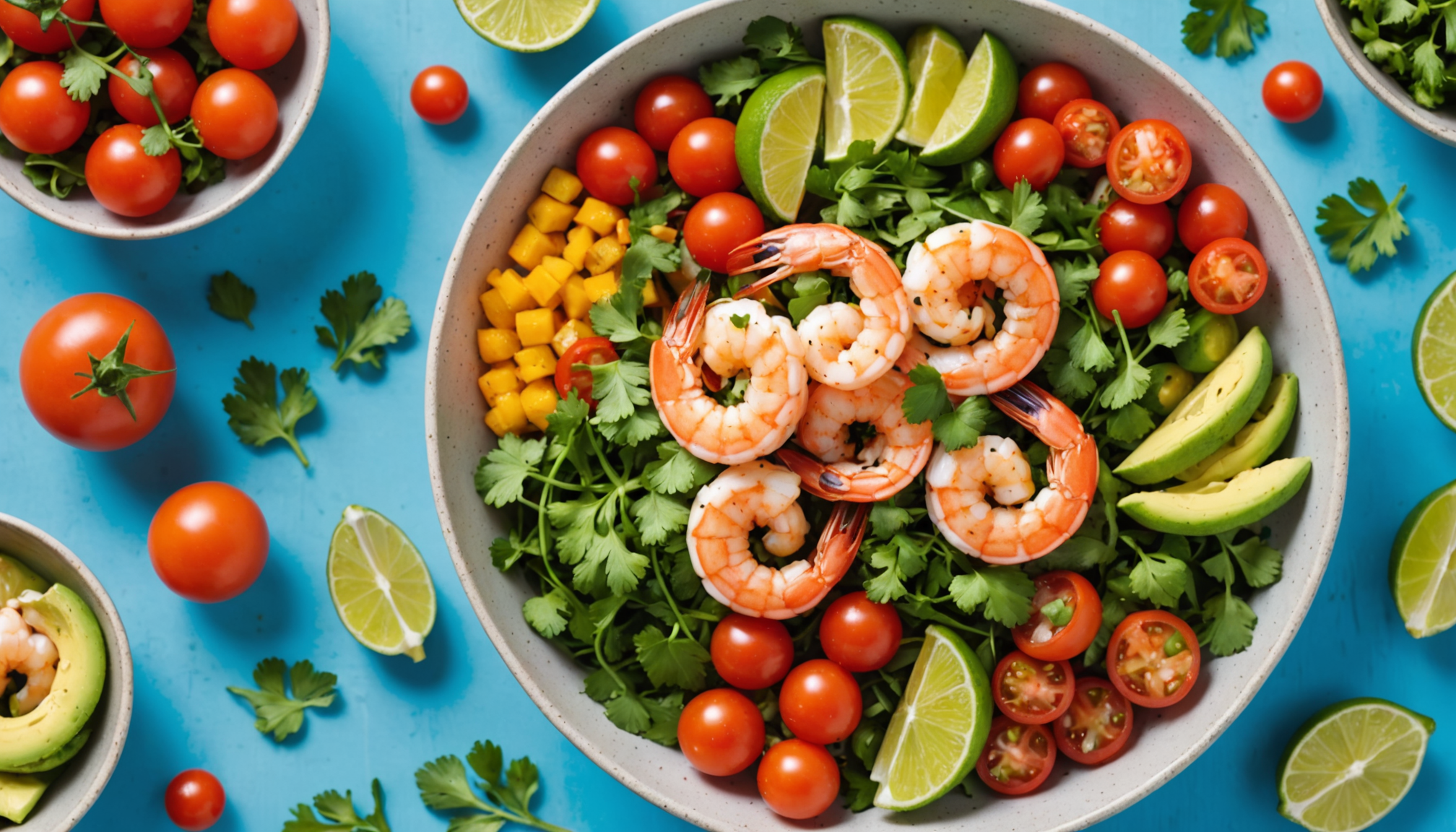
For example, a simple yet effective marinade for shrimp could consist of olive oil, lime juice, garlic, and a sprinkle of cayenne for a spicy kick. If you’re preparing salmon, consider a miso glaze combining miso paste, honey, and rice vinegar for a sweet and savory balance that complements the fish beautifully. Don’t shy away from experimenting with Asian-inspired flavors; sesame oil, soy sauce, and green onions can create a delightful impact on tuna or scallops.
Vegan options can also shine with thoughtfully crafted dressings. Think of a tahini-based dressing combined with lemon juice, garlic, and water to create a creamy texture packed with flavor. This dressing can enhance a bowl featuring plant-based seafood alternatives like marinated tofu or chickpeas.
Keep in mind the importance of allowing your seafood to marinate for at least 30 minutes to an hour, as this will give the flavors time to penetrate. Conversely, avoid over-marinating, especially with acidic bases, as it can lead to a mushy texture.
Don’t forget about drizzling finishing touches. A splash of fresh citrus juice or a sprinkle of microgreens or toasted nuts can add a flourish to your bowls just before serving, ensuring each dish is not only a feast for the taste buds but also visually appealing.
As you explore various marinades and dressings, remember how they can transform your organic recipes and create unforgettable healthy dinners that excite the palate and nourish the body. Dive into this flavorful world and let your creativity guide you to discover endless possibilities for your seafood bowls.
- What are the best marinades for seafood?
- Common marinades for seafood include a mixture of acids (like lemon juice or vinegar), oils (such as olive or sesame oil), and aromatic ingredients (like garlic or fresh herbs). Each variety of seafood pairs well with different flavors, so feel free to experiment!
- How long should seafood marinate?
- Seafood should generally marinate for at least 30 minutes to allow flavors to penetrate, but avoid marinating for too long, especially with acidic ingredients, to prevent a tough or mushy texture.
- Can I make my own dressings for seafood bowls?
- Absolutely! Making your own dressings allows you to control ingredients and flavors. Simple combinations of olive oil, vinegar, and herbs can be both delicious and healthy.
- What are some popular seafood for bowls?
- Popular seafood varieties for bowls include salmon, tuna, shrimp, and sardines, each offering unique flavors and health benefits that can enhance your meals.
- Are there vegan alternatives to seafood?
- Yes! Options like marinated tofu, tempeh, and chickpeas can mimic seafood flavors and textures, especially when paired with seaweed or other umami-rich ingredients.
- How do I ensure my seafood is fresh?
- Look for seafood that smells clean and briny, with a firm texture. When shopping, choose reputable sources, ideally local fish markets, where you can ask questions about the catch and sustainability practices.
- How can I enhance the nutritional value of my seafood bowls?
- Incorporate a variety of colorful vegetables, whole grains, and healthful fats to your seafood bowls. Each component adds unique nutrients and boosts the overall health benefits of the dish.
Creative Bowl Combinations
When it comes to crafting creative combinations for your seafood bowls, let your imagination run wild! Start by selecting a base that not only fills but also complements the flavors of your seafood. Options like quinoa, brown rice, and farro offer nutritious whole grains that provide energy and satiety. Leafy greens such as spinach or arugula can add a fresh crunch and are packed with vitamins.
Layer with Colorful Vegetables: Make your bowls visually appealing and nutritionally vibrant by including a variety of colorful vegetables. Consider adding roasted sweet potatoes for a touch of sweetness, or julienned carrots for a satisfying crunch. Bell peppers, cucumbers, or sliced radishes can also introduce a pop of color and fresh flavor. Mixing both raw and cooked vegetables enhances texture and taste, creating an exciting eating experience.
Explore Flavorful Toppings: Don’t overlook the power of toppings to elevate your bowls. Ingredients like avocado, which provide healthy fats, or sprinkle seeds like sesame or pumpkin seeds add both crunch and nutrition. You might also try adding a handful of nuts, which can infuse the meal with protein and healthy oils. Fresh herbs like cilantro or parsley can brighten your dish and add freshness, transforming a simple bowl into a culinary masterpiece.
For those who enjoy a spicy kick, consider incorporating pickled jalapeños or a drizzle of sriracha. Alternatively, a dollop of hummus can serve as a creamy base while adding depth and flavor. For vegan options, consider using chickpeas or lentils as a protein-rich substitute that pairs beautifully with zesty dressings or marinades.
Balance Your Flavors: When mixing flavors, aim for a balance of sweet, savory, tangy, and spicy. For instance, pairing blackened shrimp with mango salsa can create a delightful contrast that excites the palate. Similarly, a miso-glazed salmon served with a tangy cucumber salad embodies a harmony that makes for an unforgettable meal.
Seasonality Matters: Embrace seasonal ingredients to enhance your bowls. For instance, summer might inspire ideas like grilled corn, cherry tomatoes, and fresh basil, while winter could lend itself to roasted root vegetables or creamy squash puree. Seasonal selections not only taste better but are often more budget-friendly and sustainable.
Experiment with Global Flavors: Think globally and try different cuisine influences for your seafood bowls. A Mediterranean-inspired bowl could feature grilled shrimp, quinoa, roasted eggplant, and a tahini-garlic dressing. On the other hand, a Thai-inspired creation might include seared tuna, jasmine rice, crunchy cabbage slaw, and a spicy peanut sauce. This approach allows you to create unique meals that keep dinnertime exciting and diverse.
Don’t hesitate to get creative as you customize your seafood bowls, crafting them to reflect your personal tastes and dietary needs. By layering flavors and embracing a mix of textures, your healthy dinners can be both nourishing and delicious, turning everyday meals into extraordinary culinary experiences!
Tips for Preparing and Serving
Preparing and serving your seafood bowls can be just as enjoyable as shopping for the ingredients. Here are some practical tips to help you design appealing and delicious presentations at home.
Utilize Quality Cookware: Start by investing in good-quality cookware, which can make all the difference in how your ingredients turn out. Non-stick pans are ideal for seafood as they prevent sticking and allow for even cooking. For those who enjoy a little char, a grill pan or an outdoor grill can create delightful flavor profiles and appealing grill marks, enhancing the visual presentation of your dishes.
Mind Your Cooking Times: Overcooking seafood can lead to tough and rubbery textures. Pay attention to timing; for example, shrimp usually cooks in just 2-3 minutes, while fish fillets may only need 4-6 minutes per side, depending on thickness. Consider using an instant-read thermometer to ensure your seafood is perfectly cooked—145°F is the ideal internal temperature for most fish and shellfish.
Layer with Intent: Lay out your bowls thoughtfully. Begin with a hearty base of grains or greens, then layer your seafood on top for a beautiful contrast. Adding vegetables in varied textures—some raw for crunch and some roasted for depth—will create a visually dynamic dish. Don’t forget about adding sauces and dressings; a drizzle of homemade vinaigrette or yogurt dressing can elevate the overall flavor while tying the components together harmoniously.
Garnish for Appeal: Use garnishes to impart freshness and color. Fresh herbs, like cilantro or basil, can be scattered on top to provide a vibrant finish. A squeeze of lemon or lime juice just before serving can brighten up the dish, reinforcing the flavors of your seafood bowls. Consider adding edible flowers or microgreens for a professional touch, making your dish visually stunning.
Serve in Waves: If entertaining, consider assembling your seafood bowls buffet-style, allowing guests to customize their meals according to their preferences. This interactive format not only encourages creativity but also appeals to various dietary needs, including vegan substitutions for those who prefer them. Provide an array of toppings such as sliced avocados, nuts, seeds, and different dressings, so everyone can build their perfect bowl.
Plating Techniques: Take a moment to focus on how you plate your creations. Use shallow bowls or wide plates to create space for each component to shine. For a layered effect, try stacking or arranging your ingredients thoughtfully, rather than simply piling everything together. This can transform a simple meal into a restaurant-quality experience right at home.
Temperature Matters: Serve seafood bowls fresh and at the right temperature. Hot seafood should ideally be served immediately after cooking to retain its flavor and tenderness. If you’re using chilled seafood or salads, consider a short rest in the refrigerator before serving to enhance the refreshing effect of your dish. Always balance hot and cold elements for an exciting dining experience.
Involve the Family: Preparing healthy dinners can become a family affair. Get everyone involved in the process, from selecting toppings to assembling the bowls. This not only makes for a fun experience but also helps kids become more interested in meal preparation, encouraging them to enjoy nutritious food options.
With these tips in mind, your seafood bowls will not only taste exceptional but will also impress everyone at the table. By focusing on ingredient quality, cooking techniques, and presentation, you can create beautiful and delicious meals that resonate with healthful organic recipes.
New Customers Offer!
Free Gift for the new customer
$24 Value, When You Subscrib Visit Thrive Market