- Nutritional Benefits of Seafood
- Choosing Organic Sources
- Creative Bowl Combinations
- Flavorful Dressings and Toppings
- Cooking Techniques for Light Meals
- Storing and Preparing Seafood Safely
When grocery shopping for your next cooking adventure, particularly if you’re aiming to whip up some delicious seafood bowls, it’s crucial to focus on both nutrition and sustainability. Begin by seeking out a variety of seafood options that are rich in omega-3 fatty acids, such as salmon, mackerel, and sardines. These fish are not only tasty but also packed with essential nutrients that promote heart health, brain function, and overall wellness.
As you browse the aisles or scroll through online grocery stores, keep an eye out for seafood products that boast sustainability certifications, such as the Marine Stewardship Council (MSC) or the Aquaculture Stewardship Council (ASC). Supporting these sources not only ensures that you’re getting high-quality fish but also helps protect our oceans for future generations.
When shopping, consider incorporating plant-based proteins into your meals as well. Items like chickpeas, edamame, and tofu can easily be added to your bowls, making them not only hearty but also suitable for those following organic recipes or plant-based diets. These ingredients are budget-friendly, filling, and provide a great source of protein without relying solely on seafood.
For families on the go or fitness enthusiasts looking for healthy convenience, opt for frozen seafood. Not only is it often more affordable than fresh options, but it also retains nutritional quality when stored properly. Always look for flash-frozen varieties that do not include added preservatives. This way, you can keep your meals fresh and healthy without the risk associated with processed seafood.
Your local farmer’s market can be a treasure trove of organic vegetables and grains to enhance your seafood bowls. Visit these markets to find seasonal produce that’s often fresher than what’s available in supermarkets. Items like leafy greens, avocados, and even nuts can elevate your bowls while providing a burst of flavor and nutrients.
Safety is paramount when grocery shopping, whether online or offline. Always check for product recalls on seafood and ensure that your fish, especially when ordered online or from unknown sources, is traceable. Look for transparent labeling and reputable retailers that provide clarity on where their seafood comes from. To ensure freshness and quality, check reviews and ratings when purchasing seafood online.
Lastly, keep an eye on your budget by planning meals ahead of time. Create a grocery list featuring seasonal and local ingredients. This not only reduces waste but also encourages you to make healthier choices. Stick to your list to avoid impulse buys, and consider bulk purchasing non-perishable items like quinoa or brown rice for your bowls, which can help save money in the long run.
Choosing Organic Sources
When it comes to sourcing organic seafood, understanding the various types available, as well as their qualities, is essential for creating light and healthy seafood bowls. Organic seafood is distinguished from conventional seafood based on how the fish are raised or caught, the quality of their feed, and the environmental standards upheld during their production. Prioritizing organic options not only supports sustainable practices but also offers assurance about the nutrient quality of the seafood being used.
One significant aspect of choosing organic seafood is the assurance that the fish have been raised or caught in an environment free from synthetic chemicals, pesticides, and antibiotics. This is particularly important since conventionally farmed seafood may contain residues that can impact human health. To illustrate the differences and help guide your choices, consider the following table comparing organic and conventional seafood:
| Aspect | Organic Seafood | Conventional Seafood |
|---|---|---|
| Farming/Catching Practices | Fished or farmed using sustainable practices with strict environmental regulations | May involve practices that can harm ecosystems, like overfishing or fish farming without regulations |
| Feed Quality | Organic feed, often free from genetically modified organisms (GMOs) and additives | May include non-organic feed, potentially treated with antibiotics or hormones |
| Health Benefits | Typically has higher omega-3 fatty acid content and lower pollutant levels | Can have varying levels of omega-3s and may contain harmful chemicals |
| Sustainability Certification | Often certified by recognized bodies like the Marine Stewardship Council | May lack certification and transparency about sourcing methods |
When shopping for organic seafood, it’s vital to look for certifications. These certifications help consumers identify seafood that has been produced following stringent environmental and quality standards. Popular certifications in the United States include the USDA Organic seal, which provides assurance about organic farming practices, and the aforementioned MSC and ASC certifications for sustainably sourced seafood.
Another important consideration is local sourcing. Many regions have access to local fisheries and fish farms that offer organic seafood options. By purchasing locally, you not only support the community but also reduce the carbon footprint associated with transporting seafood over long distances. Visiting local farmers’ markets can yield fresh, seasonal produce to accompany your seafood bowls, enhancing flavor and nutrition.
Be mindful of the types of seafood available. Certain fish, like wild-caught salmon and tuna, while popular, may not always be sustainably sourced. Instead, consider exploring lesser-known fish choices that are both organic and sustainable, such as arctic char or rainbow trout. These options are not only delicious but can also be priced more competitively, making them ideal for budget-conscious consumers aiming for healthy dinners.
Prioritizing organic options is an important step towards ensuring the health and sustainability of not just your meals, but also the environment. The impact of your choices in seafood not only affects your own health through better nutrition but fosters a more responsible food system that honors oceanic resources. By integrating organic seafood into your recipes, you can create wholesome and flavorful seafood bowls that are good for you and the planet.
Creative Bowl Combinations
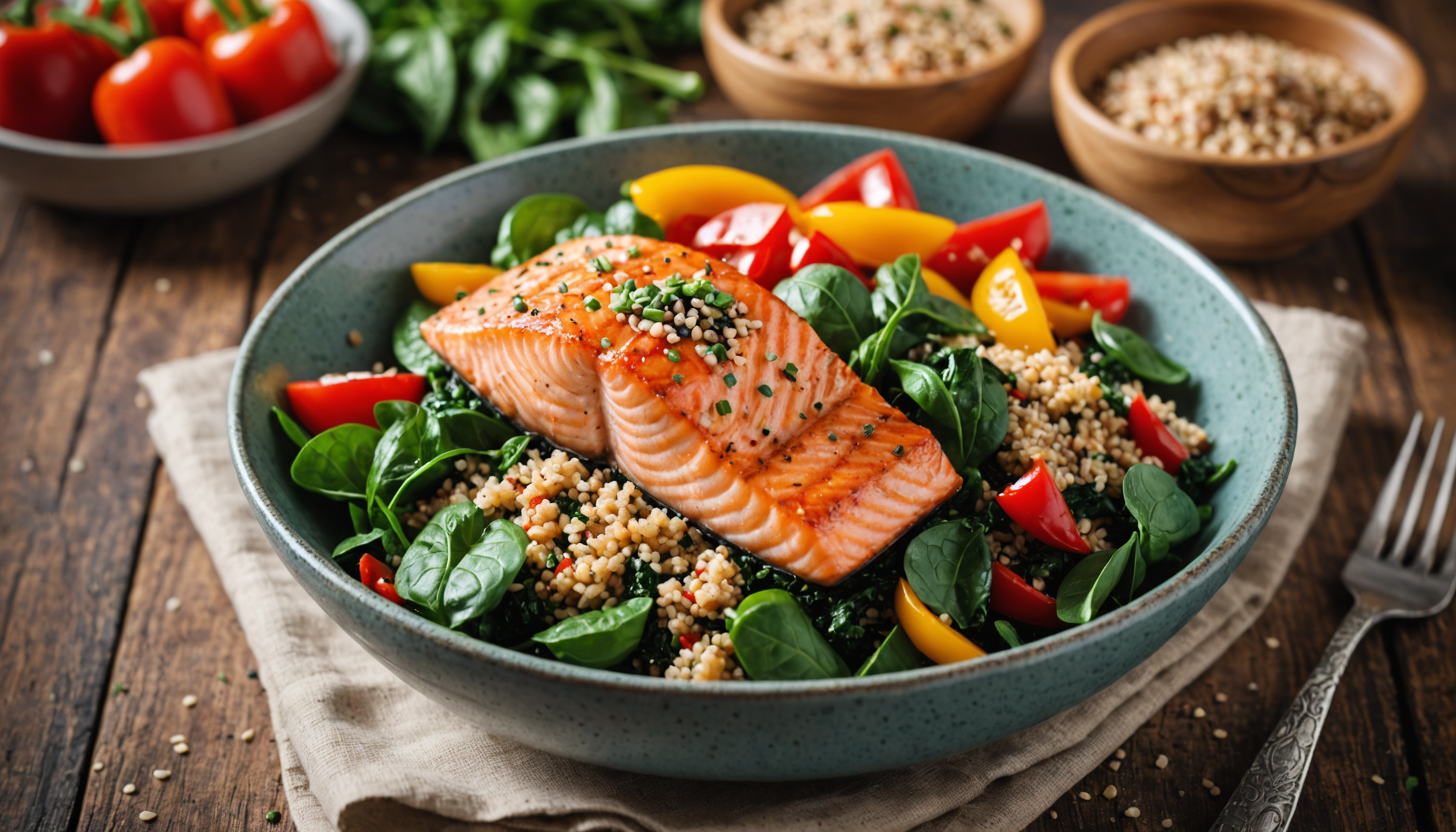
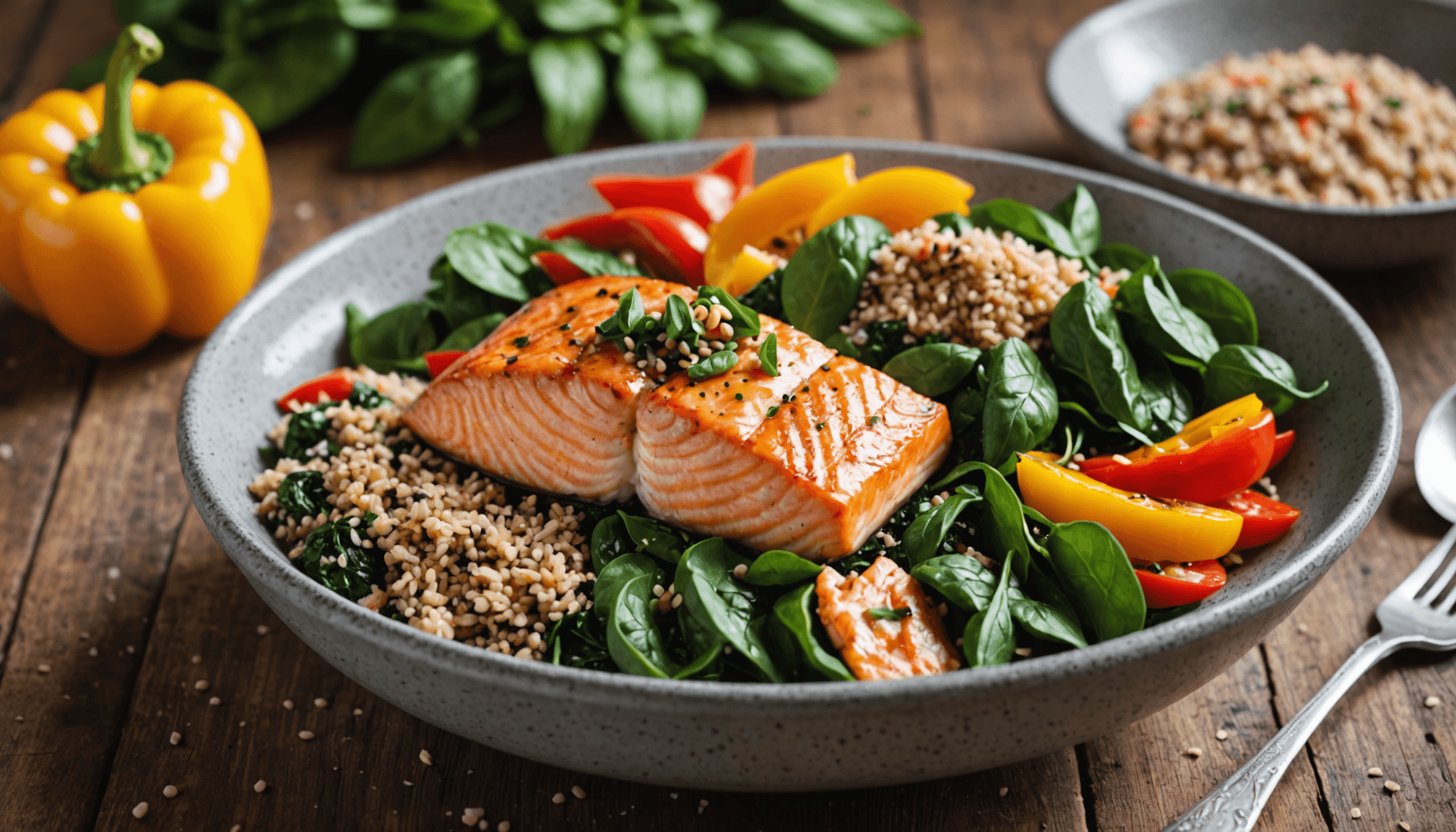
Creating delicious and visually appealing seafood bowls requires a touch of creativity and an understanding of how to balance flavors and textures. The great news is that a myriad of ingredients can be combined to create a unique dish tailored to your preferences, dietary needs, and seasonal availability.
Start with the base of your bowl. A healthy and nutrient-dense choice could be quinoa, brown rice, or even cauliflower rice for a low-carb option. These grains serve as more than just fillers; they add texture and are rich in vitamins and minerals. For families or fitness enthusiasts, whole grains provide lasting energy, while being gentle on the wallet.
Next, it’s time to select your seafood. This is where the fun begins! Consider a variety of fish such as grilled salmon for its distinctive flavor, or some shrimp sautéed with garlic and lime for a zesty twist. Both options are not only rich in omega-3 fatty acids but also versatile and easy to prepare. If you’re vegan or looking to reduce seafood consumption, try using plant-based protein sources such as marinated tofu or tempeh. This can add a satisfying chew without compromising on flavor.
Layer in bright, fresh vegetables to enhance the nutritional bounty of your bowls. Spinach, kale, and arugula are excellent leafy greens, while bell peppers, carrots, and cucumbers provide color and crunch. Local farmer’s markets often feature organic and seasonal produce, which can make your bowl even more vibrant and appealing. Look to incorporate beans or legumes, like black beans or chickpeas, to boost protein content and fiber.
Don’t forget about flavor! A simple dressing can transform your seafood bowl from bland to brilliant. Choose healthy options such as a squeeze of lemon, a drizzle of extra virgin olive oil, or a tahini-based dressing. For those who enjoy a bit of a kick, a spicy sriracha or a sweet chili sauce can also work wonders—just be mindful of portion sizes for added sugars.
Enhance the experience with unique toppings. Chopped fresh herbs like cilantro or parsley can brighten up the dish, while nuts or seeds can add a delightful crunch. Sprinkling sesame seeds or chopped almonds can provide healthy fats, making your seafood bowls satisfying and nutrient-rich.
When shopping for these ingredients, whether online or at a local grocery store, consider purchasing items in bulk. Whole grains, canned legumes, and frozen vegetables are often more affordable when bought in larger quantities, and they have a longer shelf life. This approach minimizes food waste and makes it easier to focus on healthy dinners throughout the week.
For those opting to shop online, consider using trusted sources that prioritize freshness and quality. Always read reviews and ensure that seafood shipments are handled with care to maintain optimal temperature during transit. Pay attention to packaging that ensures the items are well-preserved for delivery, and look for retailers committed to sustainability.
Lastly, stay open-minded about experimenting with different combinations. Combining unlikely ingredients can lead to fantastic new discoveries. From spicy tuna and cool avocado to roasted veggies and zesty dressings, the possibilities are endless. Make your seafood bowls not only a meal but a fun culinary adventure the entire family can enjoy!
Flavorful Dressings and Toppings
Flavorful dressings and toppings can truly elevate your seafood bowls from simple meals to memorable culinary experiences. A well-chosen dressing not only enhances the flavors of your ingredients but also adds nutritional benefits that contribute to a balanced meal.
Start with a base that can handle an array of bold flavors. For creamy connections, consider yogurt-based dressings or plant-based alternatives like cashew cream, which can lend a delightful richness. Mixing Greek yogurt with fresh herbs such as dill or parsley, a squeeze of lemon, and a pinch of salt creates a tangy dressing that pairs beautifully with grilled fish. Alternatively, a tahini dressing, made from ground sesame seeds, lemon juice, and garlic, infuses a nutty element that complements the freshness of seafood perfectly.
For those who favor a lighter touch, citrus-based dressings are an excellent choice. A simple combination of olive oil, lemon juice, salt, and pepper can provide a refreshing drizzle that brightens up any bowl. Adding zest from the citrus can amplify the aroma and overall flavor profile. Consider a mango lime vinaigrette where sweetness and acidity dance together, providing an exotic twist that enhances the taste of shrimp or whitefish.
If you crave versatility, creating a variety of dressings ahead of time can be beneficial. Small jars of ginger-soy marinade, balsamic reduction, or even a spicy mango salsa can all be kept in your refrigerator to use as needed. This approach saves time on busy nights and keeps your meals exciting, allowing for different themes each week around your seafood bowls.
Toppings play an equally important role in enhancing texture and flavor. Fresh herbs like basil, cilantro, or chives can add a burst of brightness, while seeds such as pumpkin or sunflower can provide crunch and nutrients. For a delightful balance of textures, consider adding pickled vegetables, which introduce a sour note that can contrast beautifully with the natural flavors of seafood. A sprinkle of farro or quinoa can not only make your bowl heartier but also contribute a nutritious punch.
Nuts can also be an unexpected yet tasty addition. Toasted almonds or sliced walnuts can add a delightful crunch, while also being a source of healthy fats. If you enjoy a little heat, incorporating sliced jalapeños or a drizzle of chili oil can bring a spicy kick, transforming the bowl into something truly vibrant.
Don’t forget the power of sauces to personalize your seafood bowls. A drizzle of reduced coconut milk or a spicy harissa can add a new layer of complexity. For those adventurous in the kitchen, consider crafting a homemade salsa using seasonal fruits and veggies, which can infuse your bowls with freshness and delight.
As you experiment with these dressings and toppings, remember that balance is key. Aim to combine different flavors—sweet, tangy, spicy, and nutty—to create seafood bowls that are as appealing to the eyes as they are to the palate. The versatility of these additions allows for endless possibilities, ensuring healthy dinners never become repetitive or dull.
“Food is not just what you eat; it’s a reflection of the world you live in.”
Cooking Techniques for Light Meals
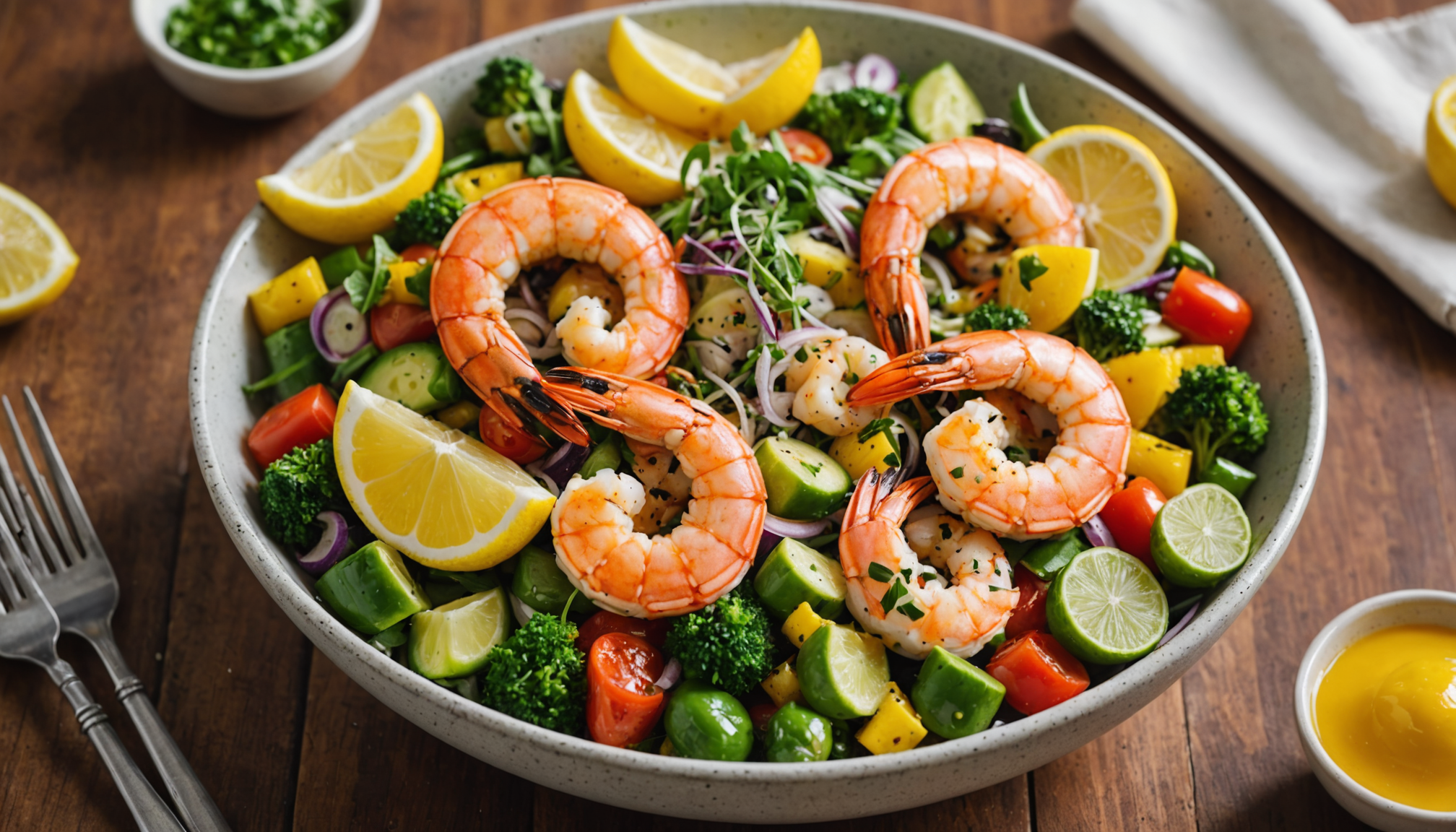 When preparing light meals featuring seafood, the cooking techniques you choose play a crucial role in retaining the nutritional value and enhancing the natural flavors of the dish. Opting for healthier cooking methods such as grilling, baking, steaming, or sautéing can help you create delightful and nutritious seafood bowls that are not only delicious but also nourishing.
Grilling is a fantastic option that infuses a smoky flavor while allowing excess fats to drip away. Marinating your fish or shellfish in a blend of herbs, garlic, and citrus before grilling can also add depth to the flavor without compromising on health. Simply wrap your seafood in foil with fresh vegetables and herbs for a quick grill pack; this method locks in moisture and flavor while being easy to clean up afterward.
Baking is another excellent technique to consider. It allows seafood to develop a gentle heat, preserving its natural juices and creating a tender texture. Using a sheet pan for a full meal—baking your seafood alongside seasonal vegetables—means less fuss and more flavor. Drizzle with olive oil and your favorite herbs for a simple yet satisfying dish. A sprinkle of lemon zest before serving adds a refreshing touch.
Steaming is one of the healthiest cooking methods available, as it requires no added fats and helps retain essential nutrients. Try steaming fish with aromatic herbs like dill or parsley to infuse flavor without overwhelming the natural taste of the seafood. You can also add a touch of white wine or broth to the steaming pot, enhancing the fragrance and overall experience of your meal.
Sautéing seafood quickly in a hot pan with minimal oil is efficient and helps develop a beautiful crust while keeping the inside tender and moist. Pair sautéed shrimp with garlic and seasonal vegetables for an incredible flavor combination that can be served over a bed of whole grains or greens in your seafood bowls.
Whatever cooking method you choose, it’s crucial to monitor cooking times carefully. Overcooking seafood can lead to a dry and unappetizing result, so the key is to cook it just until it’s opaque and flakes easily with a fork. This not only enhances the taste but also ensures that the vital omega-3 fatty acids remain intact.
By incorporating these cooking techniques into your meal preparation, you can create light and healthy dinners that showcase the natural goodness of seafood. The approach can encourage experimentation, inviting you to discover new flavors and combinations that excite both your palate and your culinary skills.
- What is the healthiest way to cook seafood?
- Steaming or grilling seafood are among the healthiest cooking methods as they require minimal added fats and preserve essential nutrients. Baking is also a great option, allowing flavors to develop while keeping the dish light.
- How can I add flavor to my seafood bowls?
- Using herbs, spices, marinades, and fresh vegetables is an effective way to enhance the flavor of your seafood bowls. Consider using citrus juices, garlic, or ginger, which can complement the natural taste of seafood beautifully.
- What types of seafood are best for light cooking methods?
- Lean fish like cod, tilapia, and sole, as well as shellfish such as shrimp and scallops, are ideal for light cooking methods. They cook quickly and maintain a tender texture, making them perfect for sautéing, grilling, or steaming.
- Can I use frozen seafood for my meals?
- Yes, frozen seafood can be a convenient and affordable option that retains nutritional quality. Ensure that you look for flash-frozen varieties without added preservatives for the best results.
- How do I know when seafood is properly cooked?
- Seafood is properly cooked when it becomes opaque and flakes easily with a fork. A meat thermometer can help, as most fish should reach an internal temperature of 145°F (62.8°C).
- What herbs pair well with seafood?
- Many herbs such as dill, parsley, cilantro, and basil complement seafood well. They add fresh flavors that enhance the overall profile of your dish while keeping it light and aromatic.
- Can I meal prep seafood dishes ahead of time?
- Yes, seafood can be meal-prepped! However, it’s best to cook seafood just before eating for optimal freshness. You can prepare sides and sauces in advance and cook the seafood when ready to serve for the finest taste.
Storing and Preparing Seafood Safely
When it comes to storing and preparing seafood safely, a few crucial practices can ensure your meals are not only delicious but also safe for you and your family. Understanding how to handle and store seafood properly is essential in maintaining its freshness, flavor, and nutritional value, ultimately enhancing your culinary experience with vibrant seafood bowls.
First and foremost, it’s vital to pay attention to where you purchase your seafood. Whether you’re in a grocery store or shopping online, always look for seafood that is properly displayed and marked with a sell-by date or specified provenance. For online shopping, choose reputable websites that provide tracking information, ensuring your seafood arrives fresh and cold.
Once you’ve brought your seafood home, prioritize proper storage. Fresh seafood should be stored at a temperature of 32°F to 38°F (0°C to 3°C) to maintain its quality. If you do not plan to cook it within a day or two, consider freezing it. When freezing seafood, ensure it’s wrapped tightly in plastic wrap or aluminum foil, or placed in an airtight container to prevent freezer burn. For an extra layer of protection, vacuum sealing is an excellent option for maintaining quality over time.
It’s equally important to thaw seafood safely. The best method is to place it in the refrigerator for several hours or overnight. However, if time is of the essence, you can thaw it quickly under cold running water or in the microwave using the defrost setting. Never leave seafood to thaw at room temperature, as this can promote bacterial growth, which is a significant health risk.
Preparation is another key factor in safe seafood consumption. Always practice good hygiene: wash your hands thoroughly before and after handling raw seafood, and make sure to use separate cutting boards and utensils for seafood and other foods, particularly raw meats. This step helps prevent cross-contamination—an essential practice for health-conscious families and individuals.
To ensure safety while cooking, aim for an internal temperature of 145°F (62.8°C) for most seafood, indicating that it’s safe to eat. Utilize a food thermometer for accurate readings, especially with thicker cuts of fish or shellfish. Signs of doneness include opaque flesh that flakes easily with a fork, while shellfish should become firm and opaque as well.
Consider marinating your seafood before cooking to not only enhance flavor but also to aid in the destruction of any remaining bacteria. Fresh herbs, citrus juices, and low-sodium soy sauce can serve as excellent marinade bases—delivering both taste and health benefits without unnecessary additives.
Finally, keep safety in mind when dining on seafood bowls. Ensure that any cooked seafood is served immediately to maintain optimal flavor and prevent the growth of harmful bacteria. If you have leftovers, store them in an airtight container within two hours of cooking, and consume them within three to four days. This practice helps maintain freshness and quality, making your healthy dinners enjoyable and worry-free.
By focusing on these safety tips, you can elevate the enjoyment of your seafood bowls while ensuring that you and your family are dining on safe, nutritious meals. The blend of convenience, flavor, and health can make seafood an integral part of your culinary lifestyle.
New Customers Offer!
Free Gift for the new customer
$24 Value, When You Subscrib Visit Thrive Market