- Understanding Organic Ingredients
- Benefits of Organic Meat
- Choosing the Right Vegetables
- Creative Bowl Combinations
- Preparing and Cooking Tips
- Nutritional Value of Organic Bowls
When it comes to grocery shopping for organic ingredients, understanding what to look for can significantly enhance the quality of your meals, especially when you’re preparing healthy dinners or experimenting with various organic recipes. Here are some essential tips to help you make informed choices, whether you’re shopping online or at your local market.
Prioritize Local Sources: Whenever possible, choose locally sourced organic products. Not only does this support your community, but it also ensures fresher ingredients. Visit farmers’ markets in your area, or explore local organic farms that may offer subscriptions for seasonal produce. For instance, a local farm might have a stellar selection of leafy greens and root vegetables perfect for mixing into your meat bowls.
Read Labels Carefully: When shopping for packaged goods, be diligent about reading labels to ensure you’re choosing genuinely organic products. Look for the USDA Organic seal on meat, dairy, and produce. This label signifies that the item meets strict federal guidelines and is free from synthetic pesticides and fertilizers. Additionally, be wary of terms like “natural” or “made with organic ingredients,” which may not meet the same standards.
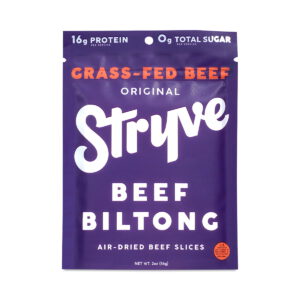
Opt for Healthier Protein Sources: If you’re incorporating meat into your recipes, focus on lean organic proteins. Grass-fed beef, pasture-raised chicken, and free-range turkey are excellent choices. These meats typically come from animals that have been raised in healthier environments, leading to better nutrients for your family. For a non-meat option, consider legumes like lentils, chickpeas, and black beans, which can provide protein in your healthy dinners.
Explore Vegan Alternatives: For those following a vegan lifestyle or incorporating more plant-based meals, explore a variety of organic grains, nuts, and seeds. Quinoa, farro, and brown rice are excellent bases for your bowls, packed with fiber and essential nutrients. Profiles like tahini or almond butter can add creaminess and flavor to dressings, making your vegan creations both satisfying and delicious.
Be Budget-Savvy: Organic products can sometimes carry a higher price tag, but there are ways to shop smart without breaking the bank. Look for bulk bins in your grocery store to purchase grains, spices, and nuts at a lower cost. Consider frozen organic fruits and vegetables as well, which are often less expensive and packed at peak ripeness, preserving both nutrients and flavor.
Ensure Safety in Online Shopping: If you prefer online grocery shopping, ensure that you use trusted websites with secure payment options. Check for customer reviews on organic products before purchasing to gauge quality and freshness. Prioritize retailers that specialize in organic foods or have a strong commitment to food safety.
Lastly, whether you’re shopping online or in-store, always keep a list! This helps in avoiding impulse buys, particularly for processed or unhealthy options that may jeopardize the wholesome nature of your meat bowls or other healthy meals. With these practical tips, you can confidently fill your cart with organic ingredients that nourish your family and fit seamlessly into your busy lifestyle.
Benefits of Organic Meat
Grass-fed and pasture-raised meats have gained popularity, and for good reason. One of the primary benefits of opting for organic meat is the health implications associated with its production. Animals raised organically are not given antibiotics or synthetic hormones, and they’re fed a natural diet that is free from harmful additives. This difference can impact the overall quality and safety of the meat consumed, providing consumers with peace of mind regarding what they’re putting on their plates.
Additionally, organic meat is often richer in nutrients compared to conventionally raised counterparts. Studies indicate that organic meats contain higher levels of omega-3 fatty acids and antioxidants, which are crucial for maintaining heart health and reducing inflammation. For example, grass-fed beef typically has a lower fat content and higher amounts of conjugated linoleic acid (CLA), known for its fat-burning properties.
Moreover, the environmental impact of organic meat production tends to be less detrimental. Organic farming practices prioritize animal welfare and sustainability. By avoiding synthetic fertilizers and pesticides, organic farms contribute to healthier ecosystems. Livestock raised in these environments generally have room to roam, access to sunlight, and a diet that aligns with their natural behaviors, leading to better quality of life for the animals.
The differences in the meat not only affect health but also the taste. Many enthusiasts of organic meat argue that it has a richer, more robust flavor profile compared to conventional meat. This flavor can enhance various dishes, making meals like meat bowls more enjoyable and satisfying.
To illustrate the distinctions, here is a comparison table of conventional versus organic meat:
| Criteria | Conventional Meat | Organic Meat |
|---|---|---|
| Production Standards | Allowed to use antibiotics and hormones | No antibiotics or synthetic hormones |
| Animal Diet | Often grain-fed; may include by-products | Grass-fed or natural diet; no animal by-products |
| Nutritional Value | Higher fat content, lower omega-3s | Lower fat, higher omega-3s and antioxidants |
| Environmental Impact | Higher greenhouse gas emissions | More sustainable practices, lower emissions |
| Taste | Generally described as less flavorful | Often considered richer and more flavorful |
Incorporating organic meat into your meals, especially in recipes for meat bowls, allows individuals to enjoy the wholesome aspects of these proteins while benefiting from their improved nutritional profiles and the ethical considerations of how the animals are raised. Moving towards organic options can lead to healthier dinners filled with quality ingredients that not only taste better but are also better for the planet.
Choosing the Right Vegetables
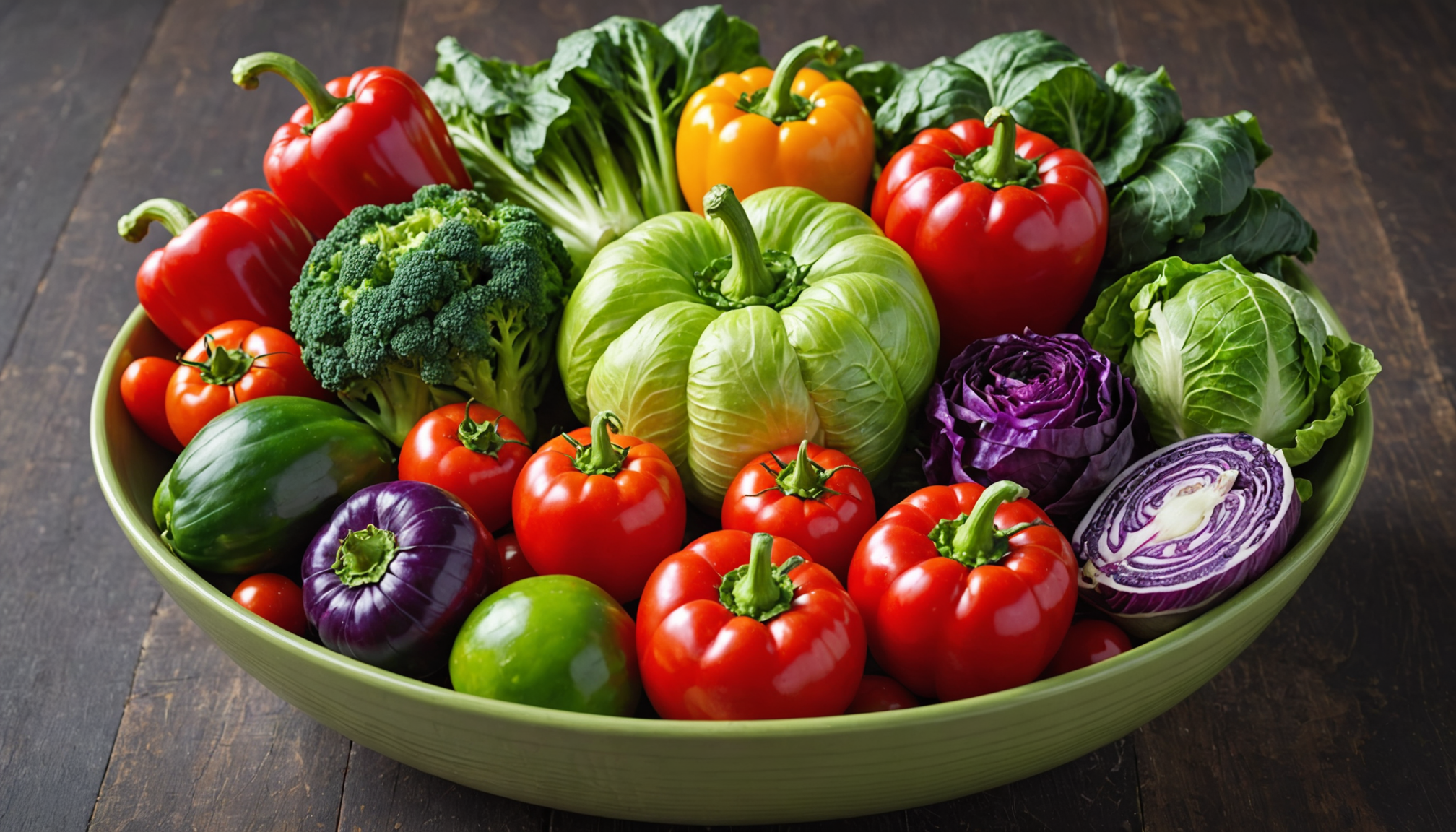
When it comes to selecting the right vegetables for your meat bowls, being mindful of your choices can dramatically elevate the quality and nutrition of your meals. Vegetables are the backbone of any healthy dinner, and knowing how to choose them wisely is essential for crafting delicious and nutritious combinations. Here are some valuable tips to guide you through your grocery shopping experience, whether at a farmer’s market or through an online grocery platform.
Go for Color and Variety: Aim for a mix of colors on your plate. Different hues not only make your meals visually appealing but also provide a wide range of nutrients. For instance, vibrant orange carrots pack beta-carotene, while leafy greens such as kale and spinach are rich in iron and vitamin K. A colorful selection might include:
- Red bell peppers for vitamin C
- Cherry tomatoes for antioxidants
- Purple cabbage for fiber and vitamins
Opt for Seasonal Produce: Seasonal vegetables tend to be fresher, more flavorful, and often less expensive. When shopping, inquire about what’s in season. During spring, look for asparagus and fresh peas; in summer, vibrant zucchinis and tomatoes; while fall brings hearty squash and root vegetables. Not only does this support local farms, but it ensures you’re using the best ingredients for your organic recipes.
Consider Organic Choices: Whenever possible, choose organic vegetables, especially for the produce that tends to retain higher pesticide residues, such as spinach, strawberries, and bell peppers. The USDA Organic seal guarantees that these items are grown without harmful synthetic fertilizers and pesticides. This choice can provide peace of mind for families looking to prioritize health.
Incorporate Nutrient-Dense Greens: Dark leafy greens should be a staple in your shopping cart. Foods like kale, spinach, and Swiss chard are not only versatile but also high in vitamins and minerals, making them perfect for meat bowls. These greens can be sautéed lightly or used fresh to add crunch and nutrients to your dish.
Explore Frozen Vegetables: If you’re short on time or can’t find fresh options, don’t hesitate to reach for frozen vegetables. They are often picked at peak ripeness and flash-frozen, locking in nutrients. Frozen mixed veggies or single varieties such as peas or broccoli are excellent additions to your bowls; just be mindful to choose ones without added sauces or preservatives.
Learn to Meal Prep: To save time during busy weeks, consider prepping vegetables ahead of time. Chop, wash, and store your selections in airtight containers in the fridge, ready to be added to your meat bowls at a moment’s notice. This small step can streamline your meal prep process and encourage healthier eating habits.
Ensure Quality When Shopping Online: When purchasing vegetables online, make sure you are using reputable grocery services. Look for sellers that specialize in organic foods or have positive reviews regarding their produce quality. Additionally, check if they have return policies or satisfaction guarantees in place, as this can protect your investment in organic ingredients.
By focusing on choosing the right vegetables, you’ll not only create nourishing and satisfying meat bowls but also foster a broader appreciation for fresh, high-quality ingredients in all your healthy dinners. Each choice made in the grocery store is a step toward a healthier lifestyle.
Creative Bowl Combinations
Creative bowl combinations offer an exciting way to explore flavors while maximizing the health benefits of organic ingredients. The versatility of meat bowls allows for endless experimentation, making them perfect for any meal occasion. Combining various proteins, grains, and vegetables can create a balanced and visually appealing dish.
Start with a base: quinoa, brown rice, or even spiralized vegetables like zucchini noodles can provide the foundation for your bowl. These options not only add texture but also deliver essential nutrients and fiber. For instance, quinoa is a complete protein, making it an excellent choice for those looking to enhance their protein intake while enjoying a hearty meal.
When it comes to choosing proteins, the selection can range from organic chicken and grass-fed beef to plant-based alternatives like grilled marinated tofu or chickpeas. For a vibrant twist, consider adding a spicy garlic lime chicken or barbecue pulled pork. Such flavor profiles can elevate your meat bowls, while also aligning with healthier eating habits.
While proteins take center stage, the choice of vegetables is equally important. Roasted or sautéed seasonal vegetables can provide depth and flavor. Think roasted sweet potatoes, which add a hint of sweetness; seasonal greens like broccoli or Brussels sprouts for crunch; and colorful bell peppers for a refreshing bite. You might also toss in some pickled red onions or roasted beets for a layer of tang and visual appeal.
Don’t forget the components that bring the dish together, such as sauces and dressings. A creamy avocado dressing or a tangy tahini drizzle can take your meat bowls to the next level. Incorporating herbs like cilantro or basil, or a sprinkle of sesame seeds can also enhance the overall flavor profile, adding freshness to your healthy dinners.
For a Mediterranean-inspired bowl, try pairing grilled chicken with farro, cherry tomatoes, cucumber, and a dollop of tzatziki. Alternatively, a Mexican-inspired bowl can feature shredded beef with black beans, corn, avocado, and spicy salsa over cilantro-lime rice. The fun lies in mixing and matching these elements to create unique organic recipes that suit your taste.
Use this opportunity to explore international flavors while remaining committed to nutritious ingredients. Be mindful of balance; aim for a mix of proteins, healthy fats, and a variety of colorful vegetables in each bowl. This not only ensures a wealth of nutrients but also cultivates a delightful eating experience.
“Food is not just what you eat, it’s how you feel and how you live.”
Preparing and Cooking Tips
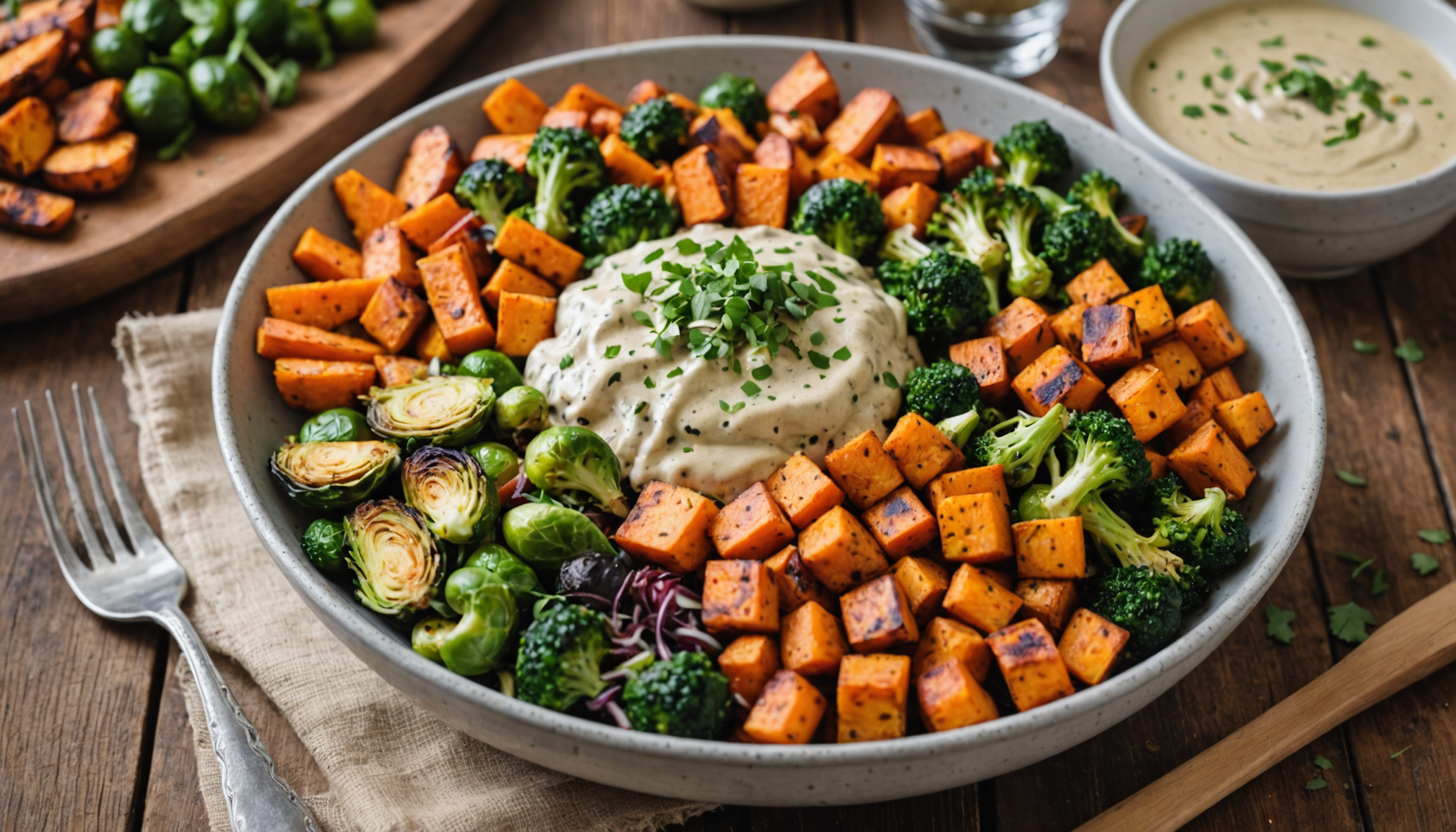 When it comes to preparing your organic meat and veggie bowls, simplicity and freshness are key. Start with a plan for your meals—consider dedicating a day each week to meal prep. This can involve marinating proteins in advance, portioning grains, and chopping vegetables, ensuring that you can whip up healthy dinners effortlessly throughout the week.
For effective cooking, embrace various methods such as roasting, grilling, or steaming, which can bring out the natural flavors of your ingredients. Roasting vegetables not only enhances their sweetness but can also create an appealing texture that complements the meat in your bowls. For example, toss sweet potatoes, carrots, or Brussels sprouts with a little olive oil, salt, and pepper before roasting them at a high temperature. The result is caramelized goodness that elevates your meat bowls.
While cooking proteins, use high-heat methods such as grilling or stir-frying for efficiency and flavor. A quick sear on your organic chicken or turkey can lock in juices and achieve a satisfying char. Alternatively, for a slow-cooked flavor, consider using a slow cooker for your meats. This method works wonders for tougher cuts and can yield a luscious pulled pork or tender beef that’s rich in taste.
In terms of seasoning, rely on fresh herbs, citrus, and spices for a flavor boost without extra sodium or preservatives. Fresh herbs like cilantro or parsley can brighten up your bowl, while a squeeze of lemon or lime can add a refreshing zing that ties all the flavors together. Consider creating homemade dressings or sauces, such as a tahini-based sauce or a yogurt dressing, ensuring they’re made with organic ingredients for the best quality.
Finally, presentation matters. Layer your bowls in an attractive manner—start with the base of grains, then add your protein, followed by vegetables, and finish with garnishes like seeds or herbs. This not only makes the meal visually appealing but also allows the flavors to intermingle beautifully as you dig in.
When these elements come together, you’ll have not just a meal, but a nourishing experience that encourages appreciation for the organic ingredients and the effort put into your healthy dinners. Each bowl tells a story—one of flavor, nutrition, and connection to the food we choose to nourish our bodies.
- What are the benefits of using organic ingredients in my meat bowls?
- Organic ingredients often have fewer pesticides, are richer in nutrients, and promote sustainable farming practices. Using organic meats can also mean avoiding antibiotics and synthetic hormones, leading to healthier meals.
- How long can I store prepped veggies for my organic bowls?
- Prepped vegetables can generally last in the refrigerator for about 3 to 5 days when stored in airtight containers. Be sure to check for freshness before using them in your meals.
- Can I freeze my meat bowls for later?
- Yes, you can freeze meat bowls! Just make sure to separate the components before freezing to maintain texture, and store in airtight containers for up to three months.
- What are some quick ideas for dressings for my meat and veggie bowls?
- Quick dressings might include a simple olive oil and balsamic vinegar mix, tahini with lemon juice, or a yogurt dressing with garlic and herbs. These can be made in a matter of minutes and add great flavor.
- Are frozen organic vegetables a good option?
- Absolutely! Frozen organic vegetables are often flash-frozen at peak ripeness, preserving their nutrients and flavor. They can be convenient and reduce food waste.
- How can I balance flavors in my meat bowls?
- To balance flavors, aim for a mix of textures and tastes—combine creamy elements with crunchy vegetables, pair spicy proteins with sweet roasted veggies, and use zesty dressings to tie it all together.
- What are some tips for meal prepping for organic bowls?
- Start by cooking grains in bulk, marinating proteins ahead of time, and chopping a variety of vegetables. Store everything in portioned containers to make assembly easy during the week.
Nutritional Value of Organic Bowls
The nutritional value of organic bowls offers a remarkable opportunity to fuel your body with wholesome ingredients while enjoying delicious and satisfying meals. When crafting these bowls, it’s essential to consider the balance of proteins, carbohydrates, fats, and an abundance of colorful vegetables, all of which contribute to your overall well-being.
Protein Power: Begin with a healthy protein source, as it provides the building blocks for muscle repair and growth. Organic meat, such as chicken, beef, or fish, is an excellent choice due to its higher nutritional quality without harmful additives. For plant-based options, legumes like black beans, lentils, and chickpeas are packed with protein and fiber, making them fantastic companions for your meat bowls. Including a variety of proteins not only supports muscle health but also helps to keep you satiated longer.
Carbohydrates for Energy: While selecting a carbohydrate source, aim for whole grains that provide sustained energy and keep blood sugar levels stable. Quinoa, farro, brown rice, or even sweet potatoes are nutrient-dense options that fit neatly into your organic recipes. These foods are not only rich in fiber and essential vitamins but also add texture and a hearty component to your bowls, perfect for busy families and fitness enthusiasts alike.
Healthy Fats: Don’t forget to incorporate healthy fats, which are crucial for absorbing fat-soluble vitamins and maintaining a balanced diet. Avocado, nuts, and seeds like chia or hemp seeds can offer delightful creaminess and crunch to your meat bowls. According to the American Heart Association, healthy fats contribute to heart health, making them an important addition to your meals.
Vibrant Vegetables: The star of any organic bowl should be a rainbow of vegetables, as they provide vital nutrients, antioxidants, and fiber. Leafy greens, cruciferous veggies, and diverse colorful produce can enhance both the flavor and health profile of your meals. Consider packing in as many nutrients as you can by including ingredients with high antioxidant levels—like tomatoes, bell peppers, and berries—known for their role in reducing inflammation and supporting overall health.
Mindful Dressing: Elevate the taste of your bowls with homemade dressings using organic ingredients. A simple vinaigrette made from olive oil, balsamic vinegar, and herbs adds flavor without excess calories or additives often found in store-bought options. Incorporating herbs and spices not only enhances taste but also contributes additional health benefits—think garlic for its immune-boosting properties and turmeric for its anti-inflammatory effects.
Balancing Act: Achieving the right nutritional balance in your meat bowls involves combining these elements in a thoughtful way. Aim for a plate that includes a protein, a whole grain, a variety of vegetables, and a healthy fat source. This combination ensures you’re getting a full spectrum of nutrients, making your meals not just filling but also nourishing.
Online Shopping Safety: When you shop for these ingredients, especially online, prioritize reputable retailers focused on organic products. Read reviews and check ratings to ensure quality and safety. Be cautious of online vendors that may not guarantee freshness, and always inspect for clear return policies on perishable items. Additionally, look for sales or bulk buying options, which can be budget-friendly without compromising on quality.
By focusing on the nutritional value of your organic bowls, you make a conscious choice to enhance your family’s health while enjoying flavorful dishes. Whether you’re whipping up quick healthy dinners or experimenting with exciting new organic recipes, the right combination of ingredients will nourish your body and delight your palate.
New Customers Offer!
Free Gift for the new customer
$24 Value, When You Subscrib Visit Thrive Market