- Nutritional Benefits of Seafood
- Choosing Sustainable Seafood
- Essential Ingredients for Healthy Bowls
- Step-by-Step Bowl Assembly
- Flavorful Sauce and Dressing Options
- Tips for Meal Prep and Storage
Shopping for seafood can be a delightful adventure, especially when you know what to look for to maximize the nutritional benefits of your meals. Seafood is renowned for being an excellent source of high-quality protein, omega-3 fatty acids, vitamins, and minerals. When you are selecting seafood for your family’s healthy dinners or vibrant seafood bowls, it’s essential to focus on freshness and sustainability.
First, familiarize yourself with the types of seafood that are both nutritious and accessible. Options like salmon, sardines, and mackerel are packed with omega-3s, which contribute to heart health and cognitive function. If you’re inclined towards plant-based options, consider incorporating sea vegetables like nori or dulse, which provide essential nutrients and can elevate your seafood bowls to the next level.
When it comes to shopping, there’s an abundance of choices, whether you prefer your groceries online or in local markets. Here are some tips to enhance your shopping experience:
- Freshness First: Always check the seafood for signs of freshness. Look for clear, bright eyes, a clean smell, and firm flesh. Trustworthy fishmongers will be happy to discuss the origin of their seafood.
- Frozen is Fine: Don’t shy away from frozen seafood! It is often frozen at peak freshness, retaining its nutritional profile while providing convenient, budget-friendly options. Search for brands that focus on sustainability.
- Local Delights: Support local fisheries by sourcing your seafood from farmer’s markets or co-ops, where you can often find fresher choices while also reducing your carbon footprint.
- Organic Options: Whenever possible, opt for organic seafood. While the term ‘organic’ is more commonly associated with plant-based foods, some seafood is labeled organic depending on how it is farmed. Look for third-party certifications to confirm their standards.
- Health and Safety: Be aware of seafood safety practices. Always store seafood at the right temperatures and consume it within the recommended timeframe to avoid any health risks. For online shopping, verify that the website follows safe shipping practices, especially for perishable items.
- Vegan Alternatives: For those incorporating plant-based or vegan recipes into their repertoire, consider exploring seafood alternatives that are rich in flavors and nutrients, such as tempeh, jackfruit, or chickpeas. These can create satisfying, healthy bowls that everyone will enjoy.
Before you head out or click through an online grocery site, make a list tailored to your family’s preferences and dietary needs. Incorporate a variety of seafood, fresh vegetables, grains, and sauces to ensure you have all the elements needed for vibrant and satisfying seafood bowls. Embrace the experience of grocery shopping as an opportunity to explore new flavors and enhance your family’s meals.
Choosing Sustainable Seafood
Choosing seafood that is sourced sustainably is vital for both supporting marine ecosystems and ensuring the long-term availability of seafood for future generations. In recent years, consumers have become increasingly aware of the environmental impact of their food choices, prompting a rise in demand for sustainably caught or farmed seafood.
Many types of seafood are labeled with sustainability certifications, which can help shoppers make informed decisions. Organizations like the Marine Stewardship Council (MSC) and the Aquaculture Stewardship Council (ASC) offer certifications based on rigorous sustainability standards. These labels indicate that the seafood was sourced in an environmentally responsible manner, whether from wild populations or aquafarms. Look for these labels when selecting seafood for your healthy dinners or seafood bowls.
When comparing seafood sourcing options, consider the following table, which presents various types of seafood and their sustainability status:
| Seafood Type | Sourcing Method | Sustainability Certification |
|---|---|---|
| Wild-Caught Salmon | Hook and Line | MSC Certified |
| Farmed Tilapia | Recirculating Aquaculture System | ASC Certified |
| Pacific Sardines | Wild-Caught | MSC Certified |
| Farmed Shrimp | Pond Culture | Varies; look for ASC Certified |
| Cod | Bottom Trawl | Check for MSC Certification |
Pay attention not only to certifications but also to the catch method. Some methods, such as bottom trawling, can cause significant damage to ocean habitats and may lead to overfishing. Techniques like hook-and-line fishing or using traps and traps result in less bycatch and less impact on the environment.
Additionally, be mindful of the seafood species that are on the overfishing watchlist. The Monterey Bay Aquarium Seafood Watch provides a guide that helps consumers choose eco-friendly seafood options, classifying seafood as “Best Choices,” “Good Alternatives,” or “Avoid.” Familiarizing yourself with this guide allows you to make better seafood selections that are both delicious and environmentally sound.
For those who are committed to organic recipes, some aquaculture operations focus on organic practices, raising fish without the use of synthetic chemicals or antibiotics, which can contribute to healthier bowls. When selecting seafood for your meals, look for those that are certified organic, if available, to ensure not only sustainability but also quality in your dishes.
As you assemble your seafood bowls, knowing the source of your ingredients can elevate your meal’s flavor and ethical standing. Shopping for sustainable seafood means you’re contributing to healthier ocean ecosystems while enjoying the abundant nutritional benefits seafood has to offer.
Essential Ingredients for Healthy Bowls
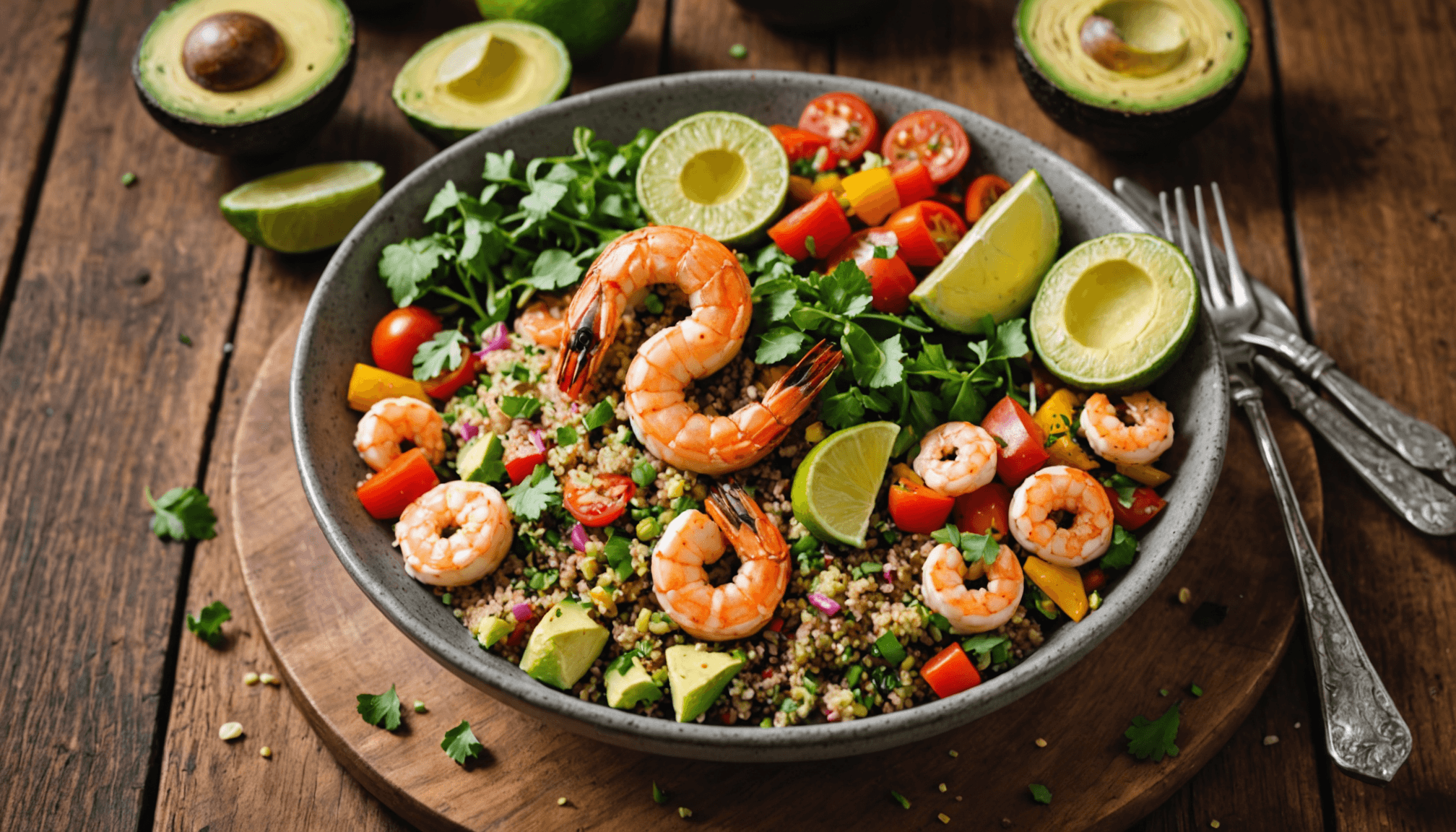
When it comes to crafting vibrant, nutrient-rich seafood bowls, selecting the right ingredients can significantly enhance both the flavor and health benefits of your meals. Start with a base that provides complex carbohydrates, such as quinoa, brown rice, or farro. These options not only deliver energy but also a wealth of vitamins and minerals to support an active lifestyle. If you’re aiming for a gluten-free option, consider using cauliflower rice or spiralized zucchini as a tasty alternative.
Next, focus on adding fresh, colorful vegetables. Think beyond the usual suspects and include a variety of options like:
- Leafy Greens: Spinach, kale, or arugula not only add nutrients but also a delightful crunch.
- Cruciferous Veggies: Broccoli, Brussels sprouts, or cauliflower can add a hearty texture and a boost of antioxidants.
- Colorful Bell Peppers: These provide sweetness and a high dose of vitamin C, enhancing both taste and nutrition.
- Roasted or Grilled Veggies: Sweet potatoes, zucchini, and asparagus add a wonderful depth of flavor and are packed with fiber.
For those leaning towards plant-based meals, be sure to incorporate protein sources like chickpeas, edamame, or tofu. These ingredients are not only budget-friendly but also versatile enough to absorb the flavors of the sauces and seasoning you choose.
Seafood Selection: If you’re adding seafood, opt for fresh or sustainably sourced options, as mentioned earlier. Shrimp, scallops, or grilled fish like salmon and tuna are perfect for mixing into your bowls. Remember to consider your family’s preferences and dietary needs. For instance, if you have young children or picky eaters, milder flavored fish like cod or sole may be more appealing.
To build a nutritious bowl, it’s essential to complement your base and toppings with healthy fats. Avocados are a fantastic choice, offering creaminess and a dose of omega-3s. You could also sprinkle nuts or seeds, such as hemp seeds or slivered almonds, to add a satisfying crunch and extra nutrients.
Don’t forget flavor enhancers! Fresh herbs like cilantro, basil, and parsley can brighten your bowls, while zesting with lemon or lime adds a refreshing tang.
If you’re on a budget, look for seasonal produce and ingredients on sale at your local grocery store. Many stores also have weekly ads that highlight discounted items, which can guide your shopping list. Using frozen vegetables is another economical option that still provides great taste and nutritional benefits—simply steam them and toss them in right before serving!
Whether you’re grocery shopping online or in-store, prioritize organic choices where you can, particularly for the Dirty Dozen—those fruits and vegetables that typically have higher pesticide residues. But always check for sales, as buying organic doesn’t always mean breaking the bank. Setting a budget and planning your meals can help maintain a healthy eating routine without overspending.
While shopping online, choose reputable websites and scrutinize their product reviews, especially for fresh or frozen items. Ensure they have a solid return policy, particularly for perishables, to safeguard your investments in wholesome foods. This will not only enhance your meal preparation process but also bring peace of mind regarding quality.
Step-by-Step Bowl Assembly
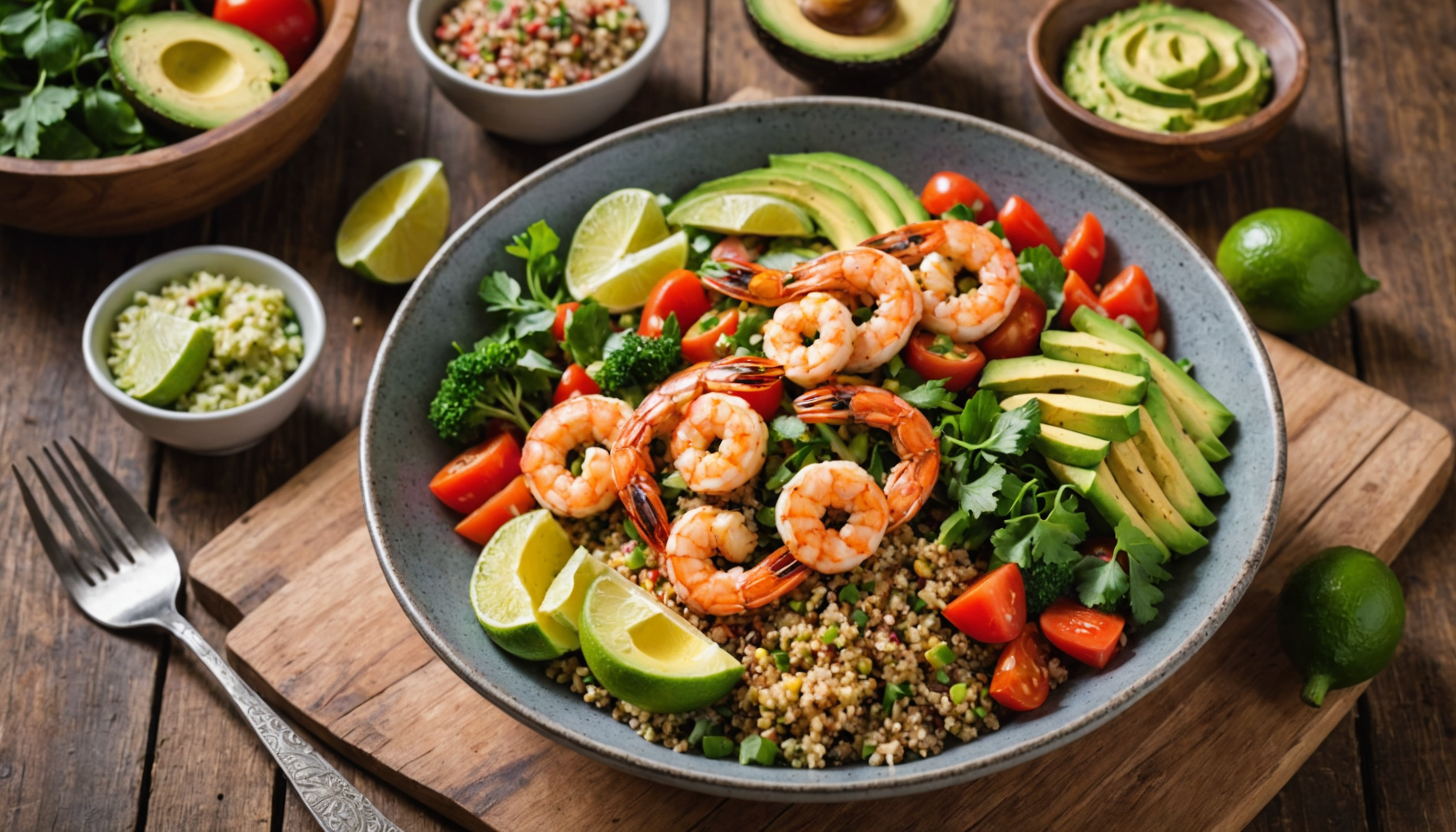
To assemble a delicious and visually appealing seafood bowl, start by gathering all your selected ingredients in one place. This will streamline the process and help you execute your vision effectively. Begin with a sturdy bowl, as it will hold all the elements together without spilling.
First, lay down the base layer. If you opted for quinoa, brown rice, or farro, carefully spoon a generous portion into the center of your bowl. Taking care to keep this base separate from the toppings will create a visually striking presentation. If you’re using a gluten-free option like cauliflower rice, ensure it is lightly fluffed to encourage a light texture.
Next, it’s time to incorporate your colorful vegetables. Create a pattern of fresh greens on one side, perhaps a handful of arugula or spinach. Following this, arrange your choice of roasted or grilled vegetables, like sweet potatoes or zucchini, along the edges for a splash of color and added warmth. The contrast will not only be appealing to the eyes but also to the palate.
When it comes to protein, place your selected seafood, such as grilled shrimp or seared salmon, in the center of the bowl. Keep an eye on the configuration as you want it to be inviting yet organized; consider cutting the seafood into bite-sized pieces if necessary. If you’re adding plant-based proteins like chickpeas or edamame for variety, sprinkle them around the seafood for a balanced look.
To enhance the nutrition profile of your seafood bowls, it’s key to introduce some healthy fats. Add slices of ripe avocado or a sprinkle of hemp seeds atop the seafood or vegetables. This will add both creaminess and a satisfying crunch while delivering a beneficial boost of omega-3s.
Now, take a moment to include your flavor enhancers. Fresh herbs are invaluable here—consider chopping cilantro, basil, or parsley, and scattering them over the top. A zesting of lemon or lime will also elevate the dish, adding acidity to brighten the flavors. Consider drizzling your favorite sauce or dressing in a circular motion over the entire bowl, ensuring every ingredient is tantalizingly coated.
As you finish assembling your seafood bowl, look back at the balance of colors, textures, and flavors. Make adjustments where necessary; perhaps red bell peppers can be slid under the seafood for a pop of color, or an extra squeeze of citrus for added zest. The key to a successful bowl is ensuring each ingredient used contributes to both the aesthetics and the healthy dinners you aim to create.
Incorporating all these elements will lead you to a nourishing, vibrant, and satisfying seafood bowl, a perfect way to enjoy every bite while reaping the full benefits of your selected ingredients.
“Eating well is a form of self-respect.” – Unknown
Flavorful Sauce and Dressing Options
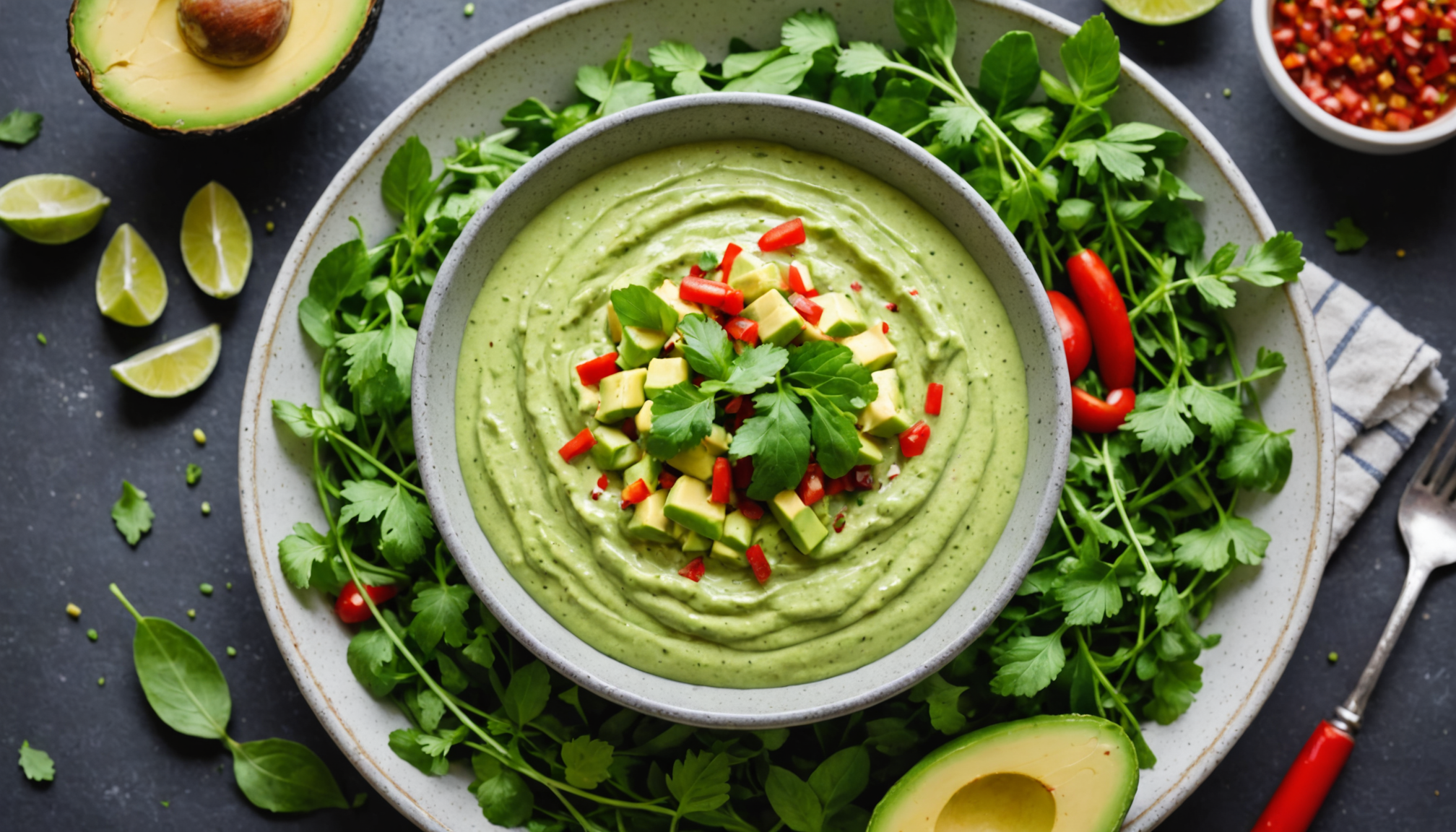 Creating your seafood bowls isn’t just about the main ingredients; the sauces and dressings serve as the flavorful hearts of these dishes, enhancing the taste profile and nutritional value. A well-crafted sauce can elevate a simple bowl to an extraordinary dining experience, inviting diverse tastes that keep you returning for more. Start with the basics; you can craft a deliciously tangy vinaigrette or a robust tahini dressing to add depth and interest to your meal.
For a classic citrus vinaigrette, combine fresh lemon or lime juice with extra virgin olive oil, a pinch of sea salt, and a dash of pepper. This simple blend not only brightens your bowl but also provides a dose of healthy fats essential for nutrient absorption. Alternatively, consider making a creamy avocado dressing by blending ripe avocado with Greek yogurt, garlic, lime juice, and a splash of water for consistency. This dressing adds a luscious touch that complements grilled fish beautifully while offering creamy nutrition without the guilt.
Herbs and spices can play a vital role in enhancing your sauce choices as well. Fresh herbs like dill or cilantro can introduce a vibrant freshness, while spices such as smoked paprika or chili flakes can layer in intrigue and warmth. A drizzle of a zesty pesto made from basil, nuts, and olive oil can also transform your seafood into a gourmet meal with minimal effort. Don’t hesitate to experiment with different combinations, tailoring them to your preferences and the seafood involved.
Thinking beyond traditional sauces, you can also explore various marinades to infuse your proteins with added flavor before cooking. A simple mixture of soy sauce, ginger, and garlic works wonders with salmon or shrimp, giving them an umami kick. If you’re looking for a plant-based option, marinating tofu in miso paste can create a deliciously bold flavor that’s perfect for pairing with grains and vegetables.
While shopping for ingredients, keep an eye out for organic options, particularly in dressings and sauces. Many brands offer organic versions that avoid synthetic preservatives and harmful additives, ensuring your meals are as wholesome as possible. Furthermore, making your sauces allows you to control the ingredients, ensuring they align with your dietary needs and health goals.
Engaging in the creation of your sauces and dressings enables you not only to personalize your seafood bowls but also to inspire a deeper connection with your meals. As you explore various flavor profiles and techniques, consider how each element contributes to a more wholesome dining experience. With the right sauces, the possibilities are endless!
- What are some healthy sauces for seafood bowls?
- Healthy sauces include citrus vinaigrettes, avocado dressings, and yogurt-based sauces. These dressings not only enhance flavor but also add necessary nutrients.
- Can I make sauces ahead of time?
- Yes, many sauces can be prepared in advance and stored in the refrigerator for up to a week. This can save you time during meal preparation.
- How do I ensure my homemade sauces are healthy?
- Focus on using fresh, whole ingredients and organic options whenever possible. Avoid processed ingredients and added sugars for a healthier option.
- What are good plant-based sauce alternatives?
- Try making dressings from nuts, seeds, or avocados blended with herbs and spices. For example, tahini can be a creamy base for dressings without dairy.
- How can I add flavor without adding calories?
- Incorporate fresh herbs, citrus zests, and spices. These can add significant flavor without contributing excessive calories.
- What is the best way to store homemade sauces?
- Store homemade sauces in airtight containers in the refrigerator. Most dressings can last about five to seven days, depending on their ingredients.
- Can sauces be frozen for later use?
- Yes, some sauces can be frozen, especially those without dairy. Make sure to use freezer-safe containers and label them with dates for reference.
Tips for Meal Prep and Storage
Meal prep and storage are integral to enjoying healthy, delicious seafood bowls without the headache of last-minute cooking. With proper planning, you can maximize freshness and reduce waste while saving time during busy days. Here are practical tips to help streamline your meal preparation process and ensure your foods remain safe and flavorful.
Plan Ahead: Start by outlining your weekly menu. Select recipes that incorporate similar ingredients to make shopping more efficient and avoid leftovers going bad. For seafood bowls, think about combining different types of proteins and veggies across various meals to keep things exciting yet simple.
Batch Cooking: Prepare larger portions of your base – whether it’s quinoa, brown rice, or a vegetable alternative – at once. These can be refrigerated for up to a week or frozen in airtight containers for longer storage. When you need a quick meal, simply thaw out your grains. Similarly, pre-chop vegetables and store them in clear, labeled containers. This makes it easy to toss them together when it’s time to assemble your bowls.
Portion Control: To avoid overindulging, consider prepping individual portions in mason jars or meal prep containers. Stack your seafood and toppings neatly over the base. Layering ensures your greens stay fresh until you’re ready to eat. This approach is not only visually appealing but also helps in managing your serving sizes, making it easier to stay mindful about your meals.
Safe Storage: Proper storage is key to maintaining the quality and safety of your seafood. Fresh seafood should ideally be cooked within 1-2 days of purchasing. If you’re not able to cook it right away, freeze it in its original packaging or wrap it tightly in plastic wrap, then place it in a zip-top freezer bag. For cooked seafood, make sure it is cooled before refrigerating, and consume it within three days for optimal freshness.
Online Grocery Shopping Tips: For those who prefer online shopping, safety and freshness should be top priorities. Choose reputable sites that specialize in quality seafood and understand their shipping protocols. Look for companies that offer tracking for delivery, ensuring your seafood arrives at the correct temperature. Furthermore, inspect reviews regarding freshness and customer service to make informed decisions. If an online vendor offers a return policy, verify what it covers because understanding this can help you avoid potential loss if the product doesn’t meet expectations.
Utilize the Freezer: Freezing is a great way to extend the life of your seafood and vegetables while preserving nutrients. Consider pre-cooking certain components of your bowls, like grilled shrimp or veggies; these can be easily reheated. Just be sure to reheat them properly to prevent foodborne illnesses. A general rule is to reheat seafood to an internal temperature of 145°F (63°C). This ensures you enjoy safely cooked meals focused on healthy dinners, even on the busiest nights.
Lastly, always label and date your containers to easily track the freshness of your food. This simple step can save you from consuming any expired ingredients and promote a waste-free kitchen. Embrace these meal prep and storage strategies to not only elevate your seafood bowls but also enhance your culinary experience every day!
New Customers Offer!
Free Gift for the new customer
$24 Value, When You Subscrib Visit Thrive Market