- Benefits of Seafood Bowls
- Choosing Organic Ingredients
- Flavorful Seafood Options
- Building a Balanced Bowl
- Easy Recipes to Try
- Tips for Meal Prep
When embarking on your grocery shopping journey, consider the benefits of incorporating seafood bowls into your family’s meal rotation. These nutrient-rich meals not only delight your taste buds but also provide a variety of health advantages, making them a smart choice for anyone seeking to eat healthier.
To maximize the benefits of your seafood bowls, start by sourcing your ingredients wisely. If you’re shopping locally, visit farmers’ markets where you can find fresh, organic produce that’s bursting with flavor. Look for vendors who also offer locally caught seafood; this not only supports your community but also ensures the freshness of your meal components.
For those opting for online shopping, be sure to choose reputable websites that prioritize food safety. Read reviews, check for certifications (like the USDA Organic seal), and look for detailed product descriptions. When purchasing seafood, pay attention to sustainability ratings; options like wild-caught salmon or sustainable shrimp are your best bets for both health and earth-friendly practices.
Don’t forget to include a variety of healthy foods in your bowls. Choose whole grains like quinoa or brown rice as your base, complementing them with a rainbow of organic vegetables such as kale, bell peppers, and broccoli. These add not just nutrients but also vibrant color to your meals, making them more appealing for the whole family.
If you’re on a budget, consider frozen seafood options. They are often just as nutritious as fresh varieties and can be less expensive. Just be sure to check the packaging for any added preservatives or sodium. Additionally, many grocery stores offer bulk bins for grains and nuts; this can be a cost-effective way to buy healthy ingredients.
For vegan or vegetarian versions of seafood bowls, explore plant-based proteins like tofu or tempeh, which can be marinated to create flavorful components in your dishes. Incorporating legumes like chickpeas or black beans will enhance the protein content while maintaining the essence of a seafood bowl.
Lastly, prioritize ingredient safety. Always check expiration dates and choose items that are stored properly. When shopping online, ensure your seafood is shipped with adequate ice packs to keep it at safe temperatures during transit.
With these practical tips in mind, you’ll be well-equipped to create delightful, nutritious seafood bowls that fit your lifestyle and promote healthy eating habits for you and your family.
Choosing Organic Ingredients
To ensure that your seafood bowls are not only delicious but also nutritionally beneficial, choosing organic ingredients is crucial. Organic produce is grown without the use of synthetic pesticides, herbicides, and fertilizers, which can have harmful effects on both health and the environment. By opting for organic, you are supporting sustainable farming practices that promote soil health and reduce pollution in water systems.
When selecting organic ingredients for your bowls, consider the following:
1. Fruits and Vegetables: Opt for seasonal organic fruits and vegetables. These tend to be fresher, more flavorful, and often contain higher nutrient levels due to fewer preservatives. Key choices include avocados, leafy greens, and a medley of colorful vegetables that can create a visually appealing dish.
2. Grains: Whole grains such as quinoa, brown rice, and farro are excellent bases for seafood bowls. When selecting grains, look for certified organic products to avoid genetically modified organisms (GMOs) and other additives that can detract from their health benefits.
3. Seafood Selection: Choosing organic seafood can be more complicated, as not all seafood can be labeled organic due to the challenges in certifying aquatic environments. However, you can look for sustainably sourced seafood that follows organic practices, such as wild-caught fish or seafood from certified aquaculture systems. These options ensure healthier options for your meals while also supporting responsible fishing practices.
Here is a comparison table highlighting the differences between conventional and organic seafood and produce:
| Type | Conventional | Organic |
|---|---|---|
| Produce | May contain synthetic pesticides and fertilizers | Grown without harmful chemicals |
| Seafood | Farmed with possible antibiotics or growth hormones | Sustainably sourced, no additives |
| Environmental Impact | Higher pollution from chemical runoff | Promotes biodiversity and healthier ecosystems |
| Nutritional Value | Potential lower nutrient content | Higher levels of antioxidants and vitamins |
For your seafood bowls, don’t forget the importance of using other organic ingredients for toppings and dressings. A homemade vinaigrette made from organic olive oil and vinegar, for example, can elevate the flavor of your dish while keeping it healthy. Herbs like cilantro, basil, or parsley can add freshness and a burst of flavor without additional calories or preservatives.
By prioritizing organic ingredients, you are not just making a personal health choice; you are also making a positive impact on the planet and supporting sustainable agriculture. This conscious selection contributes to the greater benefits of seafood bowls, helping you create wholesome, healthy dinners that your family will love.
Flavorful Seafood Options
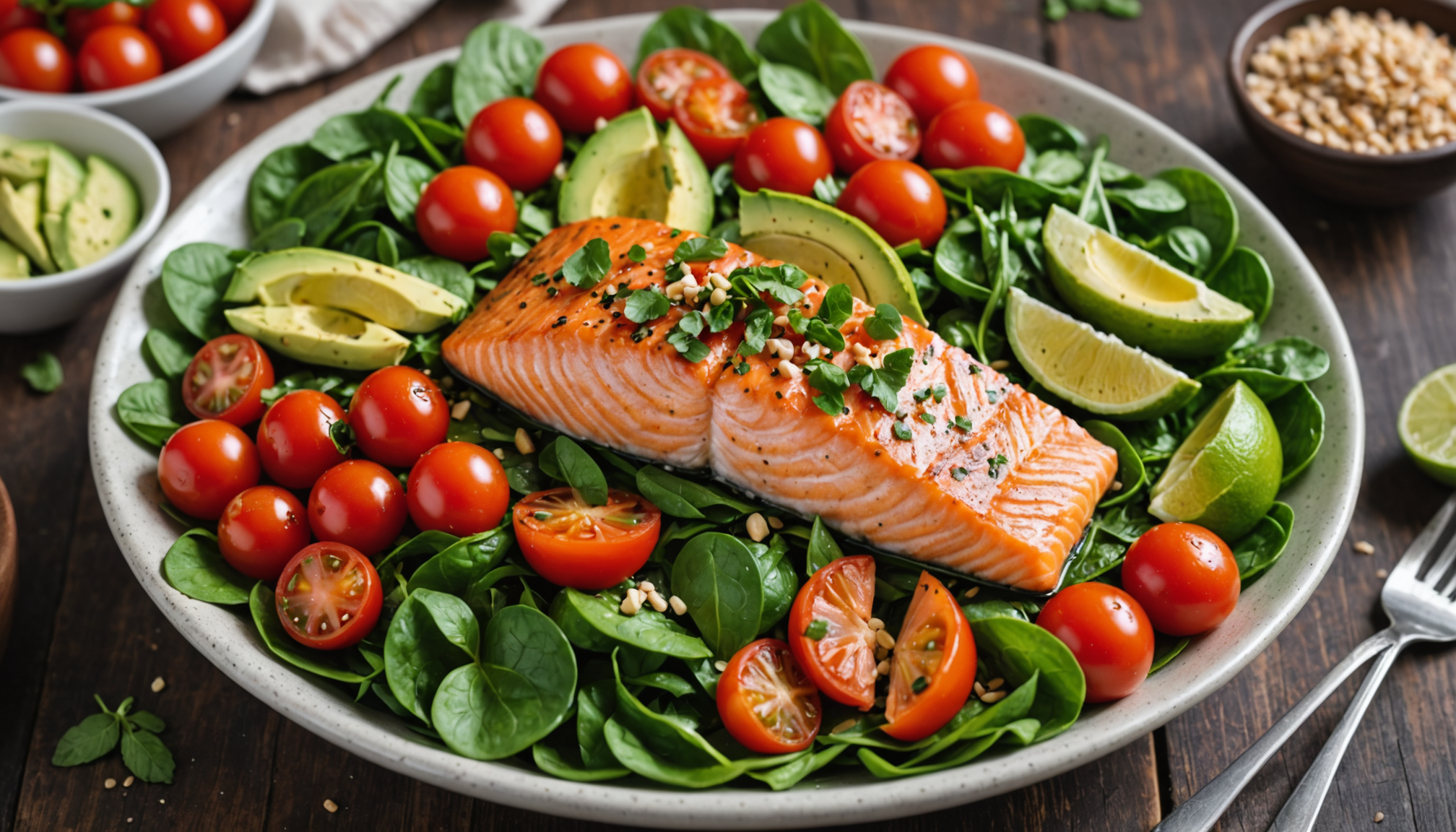
When it comes to filling your seafood bowls with flavor, the choices you make at the grocery store can have a significant impact on your meals. Start with fresh, high-quality seafood, which is the star ingredient in any seafood bowl. If you’re shopping locally, head to your nearest fish market or trusted grocery store with a reputation for fresh seafood. Look for fish and shellfish that are sparkling and firm, with a clean ocean smell—a good sign of freshness. A few delightful options to consider include:
- Salmon: Rich in omega-3 fatty acids, wild-caught salmon is a nutritious and flavorful choice.
- Scallops: Sweet and tender, scallops cook up quickly, making them a great option for a speedy dinner.
- Cod: This flaky white fish is versatile and perfect for soaking up flavors from sauces and spices.
- Shrimp: Quick-cooking and protein-packed, shrimp can be added to your bowls with minimal fuss.
For those who prefer online grocery shopping, choose websites that specialize in seafood to ensure quality and freshness. Look for options with a “Fresh Catch” or “Daily Caught” label, and verify that they can deliver your seafood on ice. It’s wise to check reviews and ask about their sourcing methods. Be mindful of delivery times and ensure your seafood won’t be left out at room temperature for too long.
In addition to seafood, consider adding a variety of flavorful toppings that complement the main ingredient. Fresh herbs can brighten up your bowl. Cilantro, dill, or parsley are all excellent choices. For a kick of flavor, include sliced scallions or roasted garlic. Think about incorporating crunchy textures too—nutty toppings such as sesame seeds or toasted pumpkin seeds can provide a nice contrast. And let’s not forget about sauces! A homemade cilantro-lime dressing or a spicy sriracha aioli can elevate the flavor profile of your seafood bowls immensely.
When selecting vegetables, always strive for a colorful array as they not only look appealing but also provide diverse nutrients. Consider adding:
- Spinach or kale: Both are nutrient-dense leafy greens that can serve as a base.
- Bell peppers: These vibrant veggies add crunch and sweetness.
- Cherry tomatoes: Their juiciness and acidity pair perfectly with seafood.
- Avocado: Creamy and rich, this fruit is excellent for adding healthy fats.
Don’t shy away from experimenting with seasonings. Spices such as cumin, smoked paprika, or lemon zest can transform your ingredients, making your seafood bowls unique each time you prepare them. For those following vegan or vegetarian dietary choices, consider incorporating an array of roasted veggies or plant-based proteins like jackfruit, which can mimic the texture of seafood when seasoned appropriately.
Remember to prioritize food safety. Always inspect packaging for damage and check expiration dates when buying seafood and fresh produce. Pay close attention to the way items are stored—seafood should be kept on ice, while refrigerated items should be chilled at proper temperatures. If shopping online, ensure that food arrives well-packaged and maintains cold temperatures, to keep everything fresh and safe to eat.
Building a Balanced Bowl
Building a balanced seafood bowl requires a thoughtful approach to ensure that each component works in harmony, providing not only incredible taste but also essential nutrients. Start by selecting a wholesome base for your bowl, which can be a grain, leafy green, or a blend of both. Quinoa, for example, is a fantastic choice, as it offers protein, fiber, and a nutty flavor. Brown rice also works wonderfully, creating a heartier texture that complements various toppings.
Next, incorporate a colorful selection of organic vegetables. Aim for a mix of textures and flavors—crunchy bell peppers, earthy roasted sweet potatoes, and vibrant cherry tomatoes can all add distinct characteristics to your meal. Dark leafy greens like kale or spinach can serve as a nutrient-dense foundation, bringing richness and essential vitamins to your dish. Don’t hesitate to experiment with different seasonal veggies as well; they can elevate your seafood bowls and keep your meals exciting.
Protein is key to making a seafood bowl satisfying. Choose from a variety of seafood options that provide healthy fats and essential omega-3 fatty acids. Shrimp, salmon, and scallops are all excellent choices. When preparing seafood, consider the cooking method; grilling or steaming can enhance the natural flavors while keeping your meal light and healthy. A touch of lemon or fresh herbs as a finishing touch can tie the whole dish together.
To enhance the nutritional profile, integrate elements that contribute healthy fats and additional flavor. Avocados provide creaminess and are packed with heart-healthy monounsaturated fats. Nuts and seeds, such as walnuts or pumpkin seeds, can add a satisfying crunch and extra protein, turning your seafood bowls into well-rounded meals. If you’re looking for tangy or spicy notes, consider adding a dollop of tahini, a yogurt-based sauce, or a homemade vinaigrette featuring organic ingredients.
When assembling your bowl, focus on a balanced ratio of ingredients. Aim for at least half your bowl to be filled with vegetables, a quarter with your chosen protein, and the rest with grains or healthy fats. This balance of nutrients will keep you full and satisfied while providing a delicious blend of flavors and textures.
Incorporating diverse seasonings can elevate your seafood bowls significantly. Try various spices such as paprika, garlic powder, or fresh herbs like cilantro and parsley to enhance flavor profiles. A squeeze of lime or a splash of apple cider vinegar can add a refreshing brightness that perfectly complements your ingredients.
As you build your bowls, remember the importance of presentation. Layering ingredients by color and texture not only makes your dish visually appealing but can also transform a simple meal into a feast, encouraging healthy dinners that are both nutritious and satisfying.
“Let food be thy medicine, and medicine be thy food.” — Hippocrates
Easy Recipes to Try
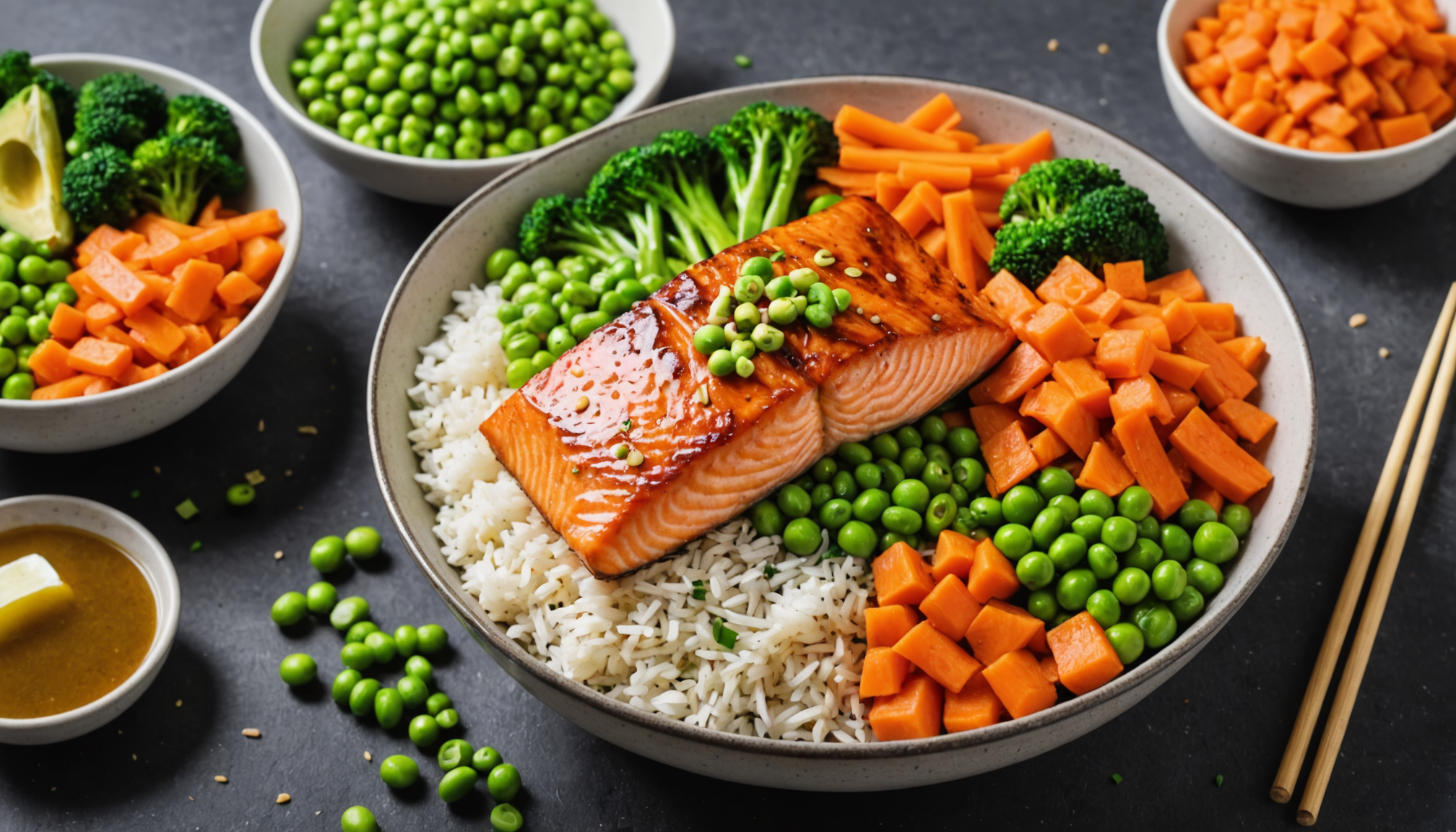 When it comes to whipping up quick and easy seafood bowls, creativity and simplicity are key. Here are a few recipes you can try that highlight the vibrant flavors and nutritious ingredients found in organic seafood bowls. Each recipe demonstrates the ease of preparing healthy dinners that are enjoyable without requiring excessive preparation time.
Teriyaki Salmon Bowl
Start with a base of jasmine rice or quinoa, and top it with pan-seared wild-caught salmon fillets. Drizzle homemade teriyaki sauce—crafted from low-sodium soy sauce, honey, garlic, and ginger—over the salmon. Fill your bowl with steamed broccoli florets, edamame, and shredded carrots for a colorful, crunchy addition. Garnish with sesame seeds and sliced green onions to provide that authentic flavor profile that perfectly complements the fish.
Spicy Shrimp and Avocado Bowl
For a zesty kick, season your shrimp with lime juice, smoked paprika, and a hint of cayenne, and sauté them until perfectly cooked. Build your bowl with a bed of arugula and brown rice, then layer the shrimp on top. Add slices of creamy avocado, diced tomatoes, and a sprinkle of scallions. Finish off with a drizzle of sriracha or a spicy cilantro-lime dressing to spice things up.
Mediterranean Tuna Bowl
Utilize canned wild-caught tuna to save time while maintaining nutritional value. Mix the tuna with diced cucumbers, cherry tomatoes, red onion, and parsley. Create a base of farro or bulgur wheat in your bowl, then place the tuna mixture on top. Drizzle with a lemon-olive oil dressing and enjoy this vibrant dish that’s bursting with flavor.
Coconut Curry Scallop Bowl
Sear sea scallops in a mixture of coconut oil and garlic until golden brown. In another pan, create a quick coconut curry sauce with organic coconut milk, curry powder, and spinach. Serve the scallops on a bed of brown rice, and pour the coconut curry over the top. Garnish with fresh basil and a squeeze of lime for a delightful twist that transports your taste buds to a tropical paradise.
These recipes not only highlight the diversity of vibrant ingredients but also serve as a reminder of the countless organic recipes that can be created with a little imagination. Embrace these nourishing meals, and don’t hesitate to explore new combinations that fit your taste preferences while keeping your commitment to healthy eating.
- What are the best types of seafood to use in a seafood bowl?
- Popular seafood options include salmon, shrimp, scallops, and cod. They are versatile, cook quickly, and offer a range of flavors that pair well with various ingredients.
- Can I make seafood bowls without using seafood?
- Absolutely! You can substitute seafood with plant-based proteins like tofu, tempeh, or legumes such as chickpeas and black beans, allowing for a completely vegan or vegetarian bowl.
- What are some essential ingredients for building a balanced seafood bowl?
- A balanced seafood bowl typically includes a base of whole grains, a variety of colorful vegetables, a protein source (seafood or plant-based), healthy fats, and flavorful toppings or sauces.
- How do I ensure my seafood is fresh?
- Look for seafood that appears firm and moist, with a clean ocean scent. If shopping online, choose retailers that guarantee freshness and proper shipping methods.
- Are frozen seafood options as healthy as fresh?
- Yes, frozen seafood can be just as nutritious as fresh. Many fish are flash-frozen shortly after being caught, preserving their nutrients and flavor. Just be sure to check for additives or preservatives.
- How can I store leftovers from seafood bowls safely?
- Store leftovers in airtight containers in the refrigerator and consume them within 2-3 days. Reheat gently to maintain the texture and flavor of the ingredients.
- What are some common mistakes to avoid when making seafood bowls?
- Avoid overcooking seafood, as it can become tough and chewy. Also, ensure you’re seasoning throughout the cooking process rather than just at the end to enhance flavors effectively.
Tips for Meal Prep
When it comes to meal prep, efficient grocery shopping is your best ally. Start by making a detailed list before you head out, ensuring you grab everything you need for your seafood bowls without missing essential ingredients. This practice not only saves time but also minimizes impulse purchases, which can lead to unhealthy decisions.
When shopping for ingredients, think about your protein sources carefully. For seafood bowls, fresh fish is ideal, but if you’re pressed for time, consider frozen options. They are often harvested and frozen at their peak freshness, retaining most of their nutrients. If you’re indulging in frozen seafood, check the packaging for additives or preservatives and opt for brands that focus on sustainability, such as those certified by the Marine Stewardship Council (MSC).
As you make your way through the aisles, don’t overlook the produce section. Aim for organic fruits and vegetables when possible. They can be pricier, but remember that buying seasonal produce can cut costs while enhancing the flavor of your meals. Visit local farmers’ markets if available; they often offer organic options at competitive prices.
For those who prefer online grocery shopping, research suggests prioritizing websites that cater specifically to your food preferences. Look for grocery services that provide detailed sourcing information about their seafood options. On shopping platforms, ensure that there are clear return and refund policies in case the quality doesn’t meet expectations. Additionally, always check for secure payment options to protect against potential fraud.
As you choose grains for your bowls, think outside the box. Whole grains like quinoa, farro, or even brown rice should be staples in your pantry. Consider buying in bulk; this can significantly reduce costs and ensure that you always have healthy bases ready for your meals. Utilize clear, labeled storage containers to keep grains fresh and easily accessible.
Don’t forget healthy fats! Avocados, nuts, and seeds are fantastic additions to your bowls. Buy these items in bulk if possible—they last a while and add both flavor and nutritional value. For those incorporating vegan options, bulk chickpeas, lentils, and other legumes can provide excellent sources of plant-based protein.
Always check the perishability of your ingredients, especially seafood and fresh vegetables. Use FIFO (First In, First Out) storage methods, using older items first to avoid waste. Preparing ingredients in advance can streamline your meal prep process. For example, pre-chop vegetables when you get home; they will be ready to toss into your seafood bowls whenever you need them.
Engage your family in the shopping and prep process. Make it a fun outing where everyone selects their favorite ingredients. This not only fosters teamwork but also encourages more balanced, healthier eating habits as they get to be part of creating their meals. By cultivating shopping knowledge and skills, you and your family can enjoy healthy dinners packed with flavor.
New Customers Offer!
Free Gift for the new customer
$24 Value, When You Subscrib Visit Thrive Market