- Healthy Dinner Options
- Ingredients for Quick Meals
- Cooking Techniques for Busy Nights
- Meal Prep Tips for Organic Eating
- Balancing Nutrition and Flavor
- Inspiring Recipe Ideas
Navigating the grocery store or online shopping platforms can be overwhelming, but with a few strategies, you can make the process more enjoyable and efficient. Start by preparing a structured grocery list based on the healthy dinner options you plan to create. This will not only save you time but also help you avoid impulse purchases that often lead to unhealthy choices.
When shopping for organic food, prioritize the “Dirty Dozen,” a list published by the EWG (Environmental Working Group) that identifies produce most affected by pesticides. Opt for organic varieties of these items to minimize your exposure to harmful chemicals. Some of the items frequently included in this list are strawberries, spinach, and kale. Likewise, explore local farmers’ markets, where you can find fresh, seasonal produce that is often organic and generally lower in cost compared to supermarket prices.
For families looking for budget-friendly options, stock up on items like whole grains (quinoa, brown rice), legumes (lentils, chickpeas), and frozen fruits and vegetables. These ingredients are not only versatile and nutritious but also have a long shelf life, making them perfect for quick meal prep.
If you are vegan or looking to incorporate more plant-based meals, consider stocking up on sources of protein such as beans, tofu, tempeh, and seitan. Incorporating these proteins into your meals can create hearty dishes that satisfy without compromising on health. Don’t forget to check for fortified products, especially non-dairy milks, which can provide essential nutrients like calcium and vitamin D.
While shopping online, ensure you’re buying from reputable sources. Look for labels signifying fair trade or locally sourced, as these often guarantee a higher ethical and quality standard. Reading customer reviews can also give insight into the product quality and service. Be cautious of bulk purchases; while buying in bulk can save money, ensure that it doesn’t lead to wastage due to spoilage. Stick to perishables that you are confident you will consume before their expiration.
Lastly, don’t underestimate the value of meal kits that focus on healthy cooking. They can introduce you to new ingredients and easy recipes, making the transition to more wholesome meals both fun and educational. Review the ingredient lists to avoid kits with high sodium levels or heavily processed components.
With these tips in hand, you can transform grocery shopping into a streamlined, enjoyable experience that equips you with the essentials for preparing quick and nutritious meals that the whole family will appreciate.
Ingredients for Quick Meals
To create quick meals, it’s essential to have a well-planned selection of ingredients that are both nutritious and versatile. Stocking your pantry, fridge, and freezer with the right organic food items allows for easy recipes that can be assembled in no time.
One crucial aspect of meal preparation is to keep a variety of fresh and frozen produce on hand. Fresh fruits and vegetables not only enhance the flavor of your dishes but also pack essential vitamins and minerals. Consider including the following staples:
| Produce | Nutritional Benefits | Usage |
|---|---|---|
| Spinach | Rich in iron and antioxidants | Salads, smoothies, stir-fries |
| Bell Peppers | High in vitamin C | Salsas, fajitas, raw snacks |
| Broccoli | Good source of fiber and vitamins K and C | Roasted, steamed, or in casseroles |
| Carrots | High in beta-carotene | Soups, salads, roasted dishes |
In addition to fresh produce, incorporating pantry staples such as whole grains and legumes will further enhance your meal preparation. Grains like quinoa, brown rice, and whole grain pasta are not only filling but also provide essential energy for the body. Pair them with canned or dried beans, lentils, or chickpeas to add protein and bulk to your meals.
Frozen vegetables and fruits offer a convenient alternative, maintaining their nutritional value and allowing for quick additions to any dish. When fresh options are unavailable or out of season, frozen varieties can serve as a reliable substitute.
Another significant aspect of quick meals is the use of healthy fats and spices. Good quality olive oil, avocado, and nuts can provide flavor and essential fatty acids without complicating the cooking process. Incorporate a variety of herbs and spices to elevate even the simplest dishes. Consider keeping these on hand for easy flavor boosts:
| Spice/Herb | Benefits | Usage |
|---|---|---|
| Garlic | Anti-inflammatory properties | Flavor base for nearly any dish |
| Basil | Rich in antioxidants | Fresh salads, pasta sauces |
| Cumin | Aids digestion | Chili, vegetarian dishes, tacos |
| Turmeric | Anti-inflammatory and antioxidant | Curry, rice dishes, smoothies |
Finally, protein sources should play an integral role in your meal planning. Including options such as organic chicken, fish, tofu, or plant-based alternatives ensures that you maintain a balanced diet. These proteins can be quickly grilled, baked, or sautéed for optimal use in easy recipes.
By thoughtfully curating a selection of these ingredients, you’ll find yourself more equipped to whip up satisfying meals in no time, allowing for a seamless incorporation of healthy cooking into your busy lifestyle.
Cooking Techniques for Busy Nights
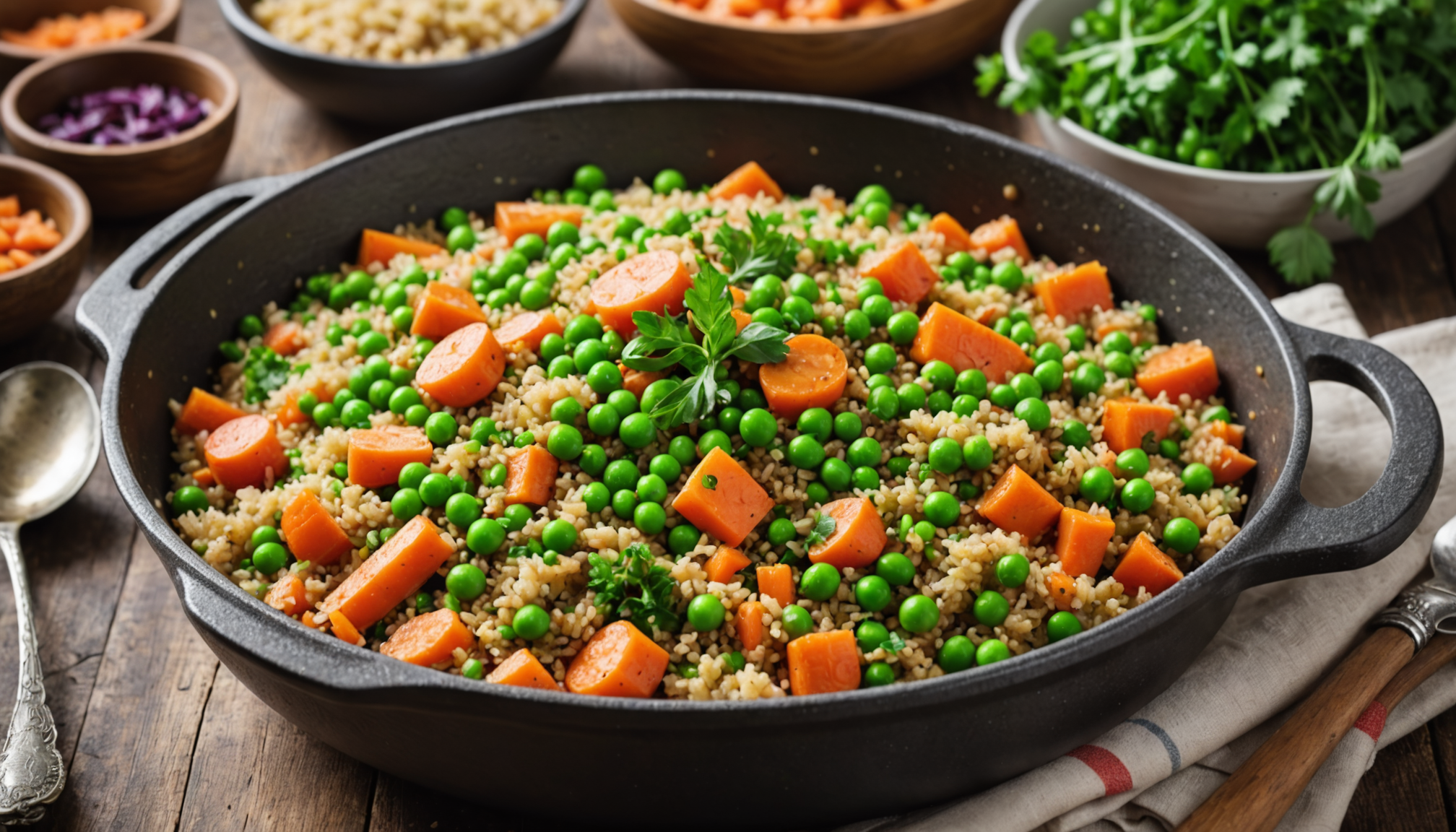
When you’re juggling a busy schedule, mastering efficient cooking techniques can help you whip up delicious dinners without the stress. Start by embracing the method of one-pot meals. These recipes not only minimize cleanup but also allow flavors to meld beautifully. Think about dishes like a hearty quinoa and vegetable stew or a creamy coconut curry with chickpeas, where you can toss in grains, proteins, and vegetables all in one pot.
An effective technique to save time during the week is to utilize batch cooking. Dedicate a few hours on a weekend to prepare ingredients that can be used in multiple meals. For example, roast a batch of seasonal vegetables, cook a big pot of whole grains, and prepare a protein source like baked tofu or grilled chicken. When dinner time rolls around, you can mix and match these prepped items for quick assembly into varied dishes. Throw together a veggie grain bowl or a stir-fry on busy nights without the hassle of starting from scratch.
Moreover, try incorporating the sheet pan method into your routine. It’s as simple as tossing your chosen ingredients onto a baking sheet, seasoning them, and letting the oven do the work. This is perfect for a mix of non-starchy vegetables—like Brussels sprouts and carrots—paired with chicken or a plant-based protein. The result is a balanced meal that’s easy to clean up after and packed with nutrients.
If you’re aiming for healthy cooking, remember that tools can make all the difference. Investing in a good-quality blender can expand your repertoire significantly, allowing you to create smoothies, soups, and sauces in mere minutes. Meanwhile, a programmable slow cooker is ideal for tossing in your ingredients in the morning and returning home to a fully cooked meal. A pressure cooker, like an Instant Pot, offers a remarkably fast way to prepare beans or grains that typically take much longer on the stove.
In addition, don’t forget that preparation doesn’t always have to happen on the stove. Embrace no-cook meals by keeping a variety of fresh greens, quality canned legumes, and nutritious toppings on hand. Salads can become the star of your meal without spending any time cooking. Add canned tuna, avocado, nuts, or seeds for a protein boost, along with a drizzle of homemade vinaigrette for flavor.
Finally, enhance your meals with quick sauces and dressings made from pantry staples. Blend olive oil, lemon juice, and your favorite herbs together for a zesty dressing or mix tahini with garlic, lemon, and water for a creamy sauce that can elevate any dish. These can be prepared in advance and stored in the fridge, ready for drizzling over your salads or grain bowls.
With these cooking techniques in your arsenal, you can ensure that preparing healthy, organic meals doesn’t have to be a daunting task. Instead, it can be a fun and creative way to nourish yourself and your family even on the busiest days.
Meal Prep Tips for Organic Eating
Planning for meal prep not only simplifies your weekly cooking routine but also enhances your commitment to organic eating. To start, dedicate a designated time each week for meal planning. This involves deciding what meals you’ll prepare and which ingredients you’ll need, allowing you to efficiently utilize the organic food you’ve purchased. A well-thought-out plan reduces the chances of food waste and ensures you’re using seasonal ingredients that are often more affordable.
When preparing your meals, consider the portion sizes that will suit your needs for the week. Opt for clear containers to store your prepped meals, which can help you visualize what you have available. Clear containers also make it easier to grab a meal on the go, supporting your busy lifestyle. Labeling each container with the date and contents can keep you organized and allow for quick access.
Incorporating variety into your meal prep is crucial. Create a rotating schedule for your meals so that you’re not stuck eating the same thing every day. For instance, prepare a base of grains—like brown rice or quinoa—and use it as a foundation for different dishes throughout the week. On one night, pair it with a stir-fry of seasonal vegetables and tofu; on another, transform it into a delicious grain bowl topped with a zingy yogurt sauce and roasted chickpeas.
When it comes to condiments and sauces, making some from scratch can greatly elevate your organic meals while saving time. A homemade pesto or a zesty salsa can be whipped up in no time and added to various dishes, enhancing flavor without the need for extensive cooking. Keep these easy recipes on hand, as they can turn any basic meal into something special.
An effective strategy for busy nights is adopting the concept of “cook once, eat twice.” If you’re preparing a full meal like a casserole or a soup, consider making double batches. Enjoy one portion fresh, then store the other for later in the week. This not only saves time but also ensures you have healthy options readily available those evenings when you feel short on time.
Utilizing kitchen gadgets like a slow cooker or an Instant Pot can also streamline your organic meal prep. These tools allow for minimal hands-on time, letting you throw in ingredients and returning later to fully cooked meals. Furthermore, you can prepare a batch of organic beans or lentils in advance, which are perfect for adding to salads, wraps, and grain dishes.
Finally, always keep your pantry stocked with must-have organic staples, such as canned tomatoes, broths, and various spices. These items can transform your meals and create a multitude of possibilities. With a little foresight and organization, meal prep can become a fulfilling part of your week, encouraging a healthy cooking lifestyle that aligns seamlessly with your goals for wholesome, organic eating.
“The preparation of healthy organic meals can be simple and enjoyable if organized correctly.” – Chef Jasper
Balancing Nutrition and Flavor
Striking the perfect balance between nutrition and flavor is essential for anyone striving to maintain a healthy diet while enjoying delicious meals. The foundation of this balance lies in choosing high-quality organic ingredients that offer a spectrum of flavors and nutrients. Experimentation with various cooking methods and flavor profiles can lead to meals that are as wholesome as they are satisfying.
One strategy to boost flavor without compromising nutritional value is to incorporate umami-rich ingredients such as mushrooms, tomatoes, and nutritional yeast. These ingredients not only enhance dishes with depth and richness but also are low in calories, making them perfect for healthy cooking. Consider adding sautéed mushrooms to grain bowls or a sprinkle of nutritional yeast over salads for a cheesy flavor without the dairy.
Using fresh herbs and spices can elevate meals in a delightful way. Fresh herbs like cilantro, parsley, and basil not only add freshness but are packed with antioxidants and anti-inflammatory properties. Spices such as cumin, smoked paprika, and turmeric can give your dishes a warm and inviting essence. Use a combination of these herbs and spices liberally; they’ll help you reduce the need for salt and oil, keeping your meals heart-healthy and flavorful.
Another crucial aspect is to focus on balanced meals that include healthy fats, lean proteins, and a variety of vegetables. For example, a plate filled with roasted sweet potatoes, sautéed kale, and grilled salmon provides a rich array of nutrients while also being aesthetically pleasing and delicious. Drizzling a homemade herb vinaigrette over the top can bring everything together with a burst of flavor, making each bite enjoyable.
It’s equally important to recognize that texture plays a vital role in how satisfying a meal feels. Combining different textures, such as crunchy, creamy, and chewy elements, can create an enticing dining experience. Try topping creamy soups with a sprinkle of roasted seeds or adding crispy kale chips to a salad. These small touches not only enhance flavor but also make your meals more interesting and satisfying.
Furthermore, think about the seasonal aspect of your ingredients. Utilizing in-season produce not only supports local farmers but also ensures that you’re getting the freshest and most flavorful options available. Seasonal fruits and vegetables tend to be more nutrient-dense and full of flavor, encouraging creativity in the kitchen as you explore new recipes you may not typically consider during other times of the year.
Embracing these principles will lead you down a path of culinary adventure where healthy meals are synonymous with indulgence. Each dish becomes an opportunity to nourish your body and delight your senses, creating a sustainable habit that encompasses both nutrition and flavor. The journey doesn’t stop here—there’s always more to learn, explore, and experiment with as you refine your approach to nutritious cooking.
- What are some quick healthy organic dinner ideas?
- Consider meals like quinoa bowls topped with roasted vegetables, grilled chicken with a fresh herb salad, or stir-fried tofu with colorful bell peppers. These dishes can be prepared in less than 30 minutes and are packed with nutrients.
- How can I ensure my meals are flavorful without adding too much salt?
- Focus on using fresh herbs, spices, and umami-rich ingredients to enhance flavor. Techniques such as roasting or grilling can also caramelize the natural sugars in your ingredients, providing a delicious depth of flavor.
- What are the best sources of plant-based protein?
- Great options include lentils, chickpeas, quinoa, tofu, and edamame. Incorporating a variety of these into your meals can help ensure you’re meeting your protein needs while enjoying diverse flavors.
- How can I incorporate more vegetables into my dinners?
- Try adding finely chopped vegetables to grains, blending greens into sauces, or roasting a mix of your favorites as a bed for proteins. Think about incorporating them into every component of the meal.
- What cooking methods are best for retaining nutrients in organic food?
- Steaming, roasting, and sautéing with minimal oil are effective methods for cooking that retain nutrients. Quick cooking techniques can help preserve the vitamins and minerals in your ingredients.
- Can meal prep really save me time during the week?
- Absolutely! Preparing ingredients or whole meals in advance can significantly cut down on daily cooking time. You’ll have healthy options ready to go when you need them, helping you maintain your healthy eating habits.
- How can I make my meals more visually appealing?
- Focus on color variety by using diverse vegetables and garnishes. Adding fresh herbs, drizzling sauces, or incorporating different textures will make your meals not only nutritious but also Instagram-worthy.
Inspiring Recipe Ideas
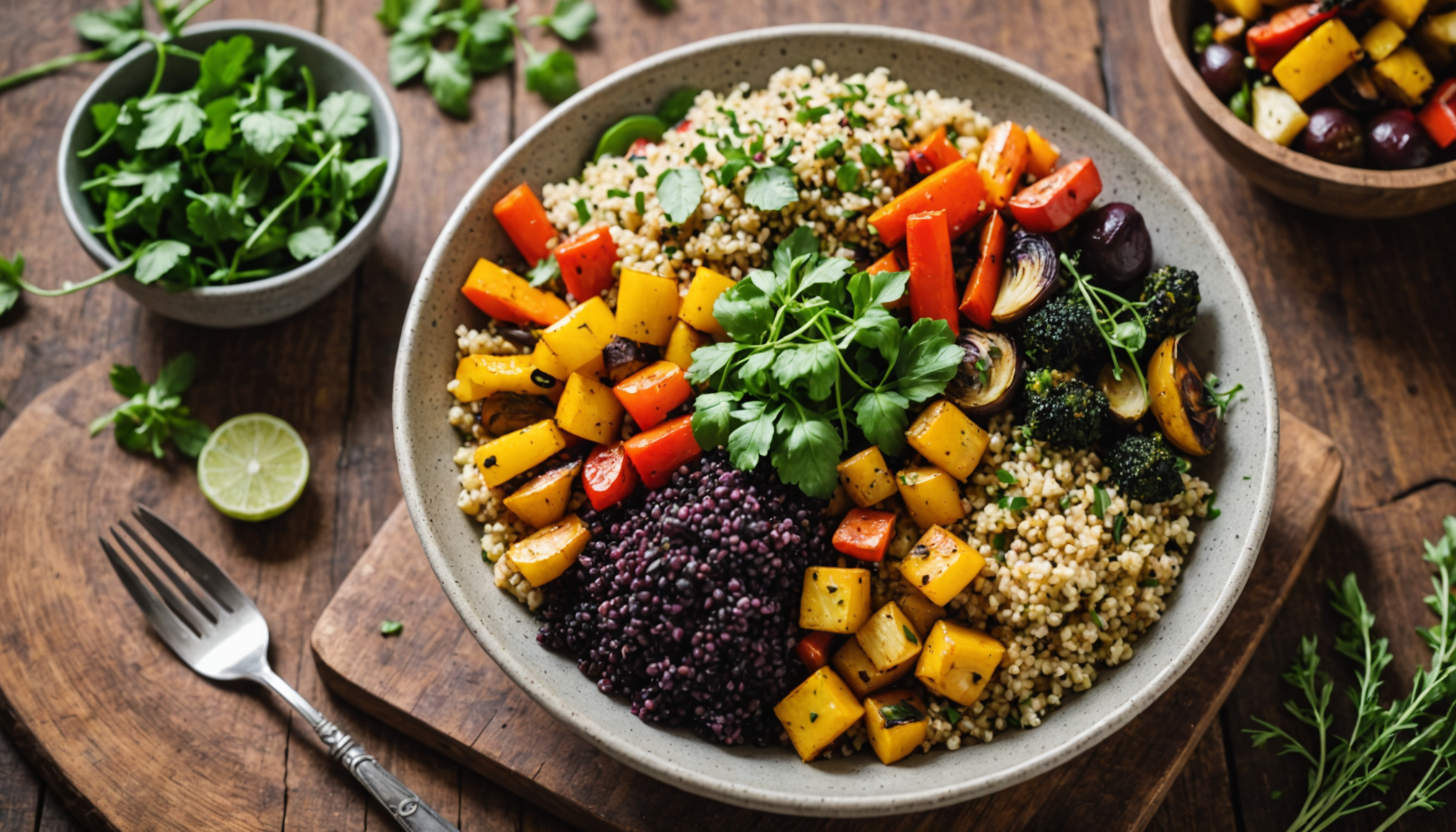
When it comes to creating inspiring recipes that align with your healthy eating goals, the potential is limitless. Start with easy recipes that can be tailored to incorporate seasonal organic food, allowing you to experiment with flavors while prioritizing nutrition. For instance, consider a roasted vegetable quinoa bowl, where you can mix and match your favorite veggies such as zucchini, bell peppers, and sweet potatoes, all drizzled with a simple dressing of olive oil, lemon, and fresh herbs.
Another delightful way to amp up your meals is by making use of homemade sauces and dips. A tahini dressing made with tahini, garlic, lemon juice, and a touch of water can complement many dishes from grain bowls to salads. Alternatively, an easy-to-make salsa verde can breathe new life into tacos or grilled meats—perfect for adding bold flavor without excessive calories.
When aiming to balance multiple dietary preferences in your household, consider recipes like stuffed bell peppers. Start with halved peppers, filled with a mixture of quinoa, black beans, corn, spices, and your favorite seasonings. Bake them until tender, and you have a colorful, nutritious meal that can satisfy vegans and omnivores alike. Pair it with a dollop of avocado or a sprinkle of cheese on top to cater to different tastes.
For those busy weeknights, explore the magic of sheet pan dinners. Toss protein options like organic chicken thighs or chickpeas alongside an array of chopped veggies. Season with herbs and spices, and let the oven work its magic. This not only makes for easy preparation but also delivers a delicious meal with minimal cleanup afterward.
Don’t forget the power of soup—vegetable lentil soup, for example, can be a comforting and nourishing option. Begin with sautéing onions, garlic, and carrots, then add lentils, diced tomatoes, and your choice of broth. Simmer until everything is cooked through, and you’ve got a filling, hearty dish packed with protein and fiber.
Involve the whole family in meal prep and planning. Encourage children to get creative with toppings, such as homemade granola for yogurt or fresh herbs to sprinkle on salads. This not only makes the cooking experience more interactive but also gets everyone excited about eating healthy. The key is to build a repertoire of go-to recipes that require minimal time while maximizing flavor and nutrition, ensuring that healthy cooking remains enjoyable and sustainable.
New Customers Offer!
Free Gift for the new customer
$24 Value, When You Subscrib Visit Thrive Market
 Striking the perfect balance between nutrition and flavor is essential for anyone striving to maintain a healthy diet while enjoying delicious meals. The foundation of this balance lies in choosing high-quality organic ingredients that offer a spectrum of flavors and nutrients. Experimentation with various cooking methods and flavor profiles can lead to meals that are as wholesome as they are satisfying.