- Healthy Dinner Basics
- Essential Ingredients for Organic Cooking
- Quick Meal Prep Tips
- Five Delicious Organic Recipes
- Seasonal Vegetable Guide
- Storing and Reheating Leftovers
When it comes to grocery shopping for a busy lifestyle while prioritizing health, a few strategic approaches can go a long way. Begin by making a list of essential items that support your commitment to organic food, healthy eating, and pocket-friendly choices.
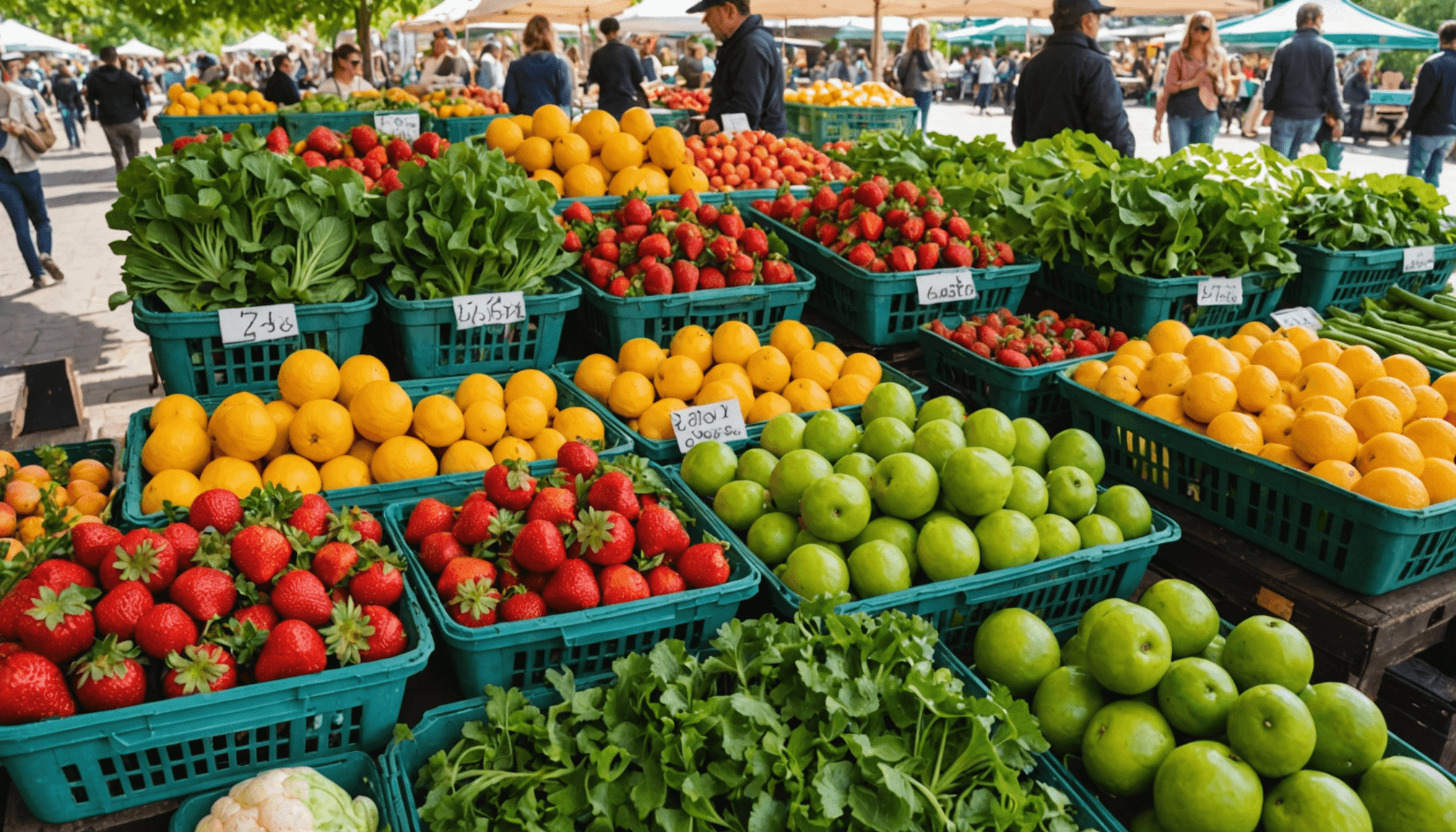
Consider shopping at local farmers’ markets, where you can find fresh, seasonal produce at reasonable prices. This not only helps support local farmers but also ensures the ingredients you choose are at their peak in terms of flavor and nutrients. Look for items like leafy greens, tomatoes, and zucchini, which are not only versatile but also pack a nutritional punch.
For those looking to maintain a vegan diet, include staple ingredients such as beans, lentils, and whole grains. They’re affordable sources of protein and can easily be incorporated into easy recipes for healthy dinners. Consider checking the bulk section of your grocery store for these items; this option often results in significant savings.
Online shopping can also save time and be convenient, especially for busy professionals. When shopping online, always verify the source of your organic products. Look for certifications from reputable organizations like the USDA to ensure you are purchasing legitimate organic food. Additionally, read the reviews on products you are unfamiliar with to understand their quality better.
Don’t forget to check for preservatives and additives in packaged goods. Whenever possible, opt for items with the shortest ingredient lists, as they tend to be healthier. For instance, when selecting sauces or dressings, choose those that use natural ingredients without added sugar or artificial flavors.
Lastly, keep an eye on seasonal produce to enhance both flavor and freshness in your cooking. For example, in spring, radishes and asparagus are great additions to salads and stir-fries, while in fall, root vegetables like sweet potatoes and carrots can be roasted for a wholesome meal. This not only diversifies your meals but also keeps your budget in check, as seasonal items are usually more affordable.
With these smart shopping tips in mind, you’ll be equipped to fill your cart with nutritious, organic foods that will support your healthy cooking endeavors while fitting seamlessly into your busy schedule.
Essential Ingredients for Organic Cooking
To create delicious and nutritious organic meals, focusing on key ingredients is essential. Organic cooking not only emphasizes the use of fresh produce, but it also prioritizes high-quality proteins, grains, and essential fats that contribute to a balanced diet. When choosing organic products, it is crucial to understand the benefits that each category brings to your meals.
Incorporating a variety of organic vegetables is fundamental. Items like bell peppers, carrots, and kale not only add vibrant color to your dishes but are also rich in vitamins, minerals, and antioxidants. These vegetables can be used in numerous easy recipes, from stir-fries to salads. It’s advisable to stock up on staples such as onions and garlic, which serve as flavor bases for many meals while enhancing their health benefits.
For proteins, consider incorporating organic grass-fed meats, free-range poultry, or wild-caught seafood. Plant-based protein sources such as organic chickpeas, lentils, and tofu are excellent alternatives for those adhering to a vegetarian or vegan lifestyle. These options are typically richer in nutrients compared to their conventional counterparts.
Whole grains should not be overlooked either; organic quinoa, brown rice, and farro provide necessary fiber and energy while supporting healthy digestion. Quinoa, in particular, is a complete protein, making it a fantastic component in both warm and cold dishes, such as salads or grain bowls.
Nuts and seeds are vital as they furnish healthy fats and additional protein. Almonds, walnuts, chia seeds, and flaxseeds are all great choices that can easily be incorporated into smoothies, oatmeal, or as toppings for salads. They also offer Omega-3 fatty acids, which are beneficial for heart health.
Use of organic dairy products, such as Greek yogurt or cottage cheese, can further enhance your dishes with probiotics, which are key for gut health. If dairy is not in your diet, many non-dairy alternatives made from almonds, coconuts, or oats are available, and some fortified options even add vitamin D and calcium.
To visualize the key organic ingredients for healthy cooking, refer to the table below which categorizes these essentials:
| Category | Examples | Benefits |
|---|---|---|
| Vegetables | Spinach, Carrots, Bell Peppers | Rich in vitamins, minerals, and antioxidants |
| Proteins | Organic Chicken, Chickpeas, Tofu | Supports muscle growth and repair |
| Whole Grains | Quinoa, Brown Rice, Barley | Provides fiber and sustained energy |
| Nuts & Seeds | Almonds, Chia Seeds, Flaxseeds | Healthy fats, Omega-3s, and protein |
| Dairy & Alternatives | Greek Yogurt, Almond Milk | Probiotics and calcium; also includes fortified options |
Choosing these ingredients not only contributes to your health but also makes preparing meals enjoyable and satisfying. With a focused approach on these organic essentials, you’ll be well on your way to creating nourishing, easy recipes that can be tailored to fit any occasion or dietary preference.
Quick Meal Prep Tips
Efficient meal prep starts long before you even step into the kitchen; it begins at the grocery store or while browsing online. To maximize your time and effort, consider these practical tips that fit seamlessly into your busy lifestyle while emphasizing healthy cooking.
First and foremost, take inventory of your pantry and refrigerator before creating your shopping list. This will help minimize unnecessary purchases and reduce food waste, ensuring you’re only buying what you truly need. Next, categorize your shopping list into sections: produce, proteins, grains, and pantry staples. This organization keeps your shopping focused and efficient, ensuring you won’t forget key elements for your next easy recipes.
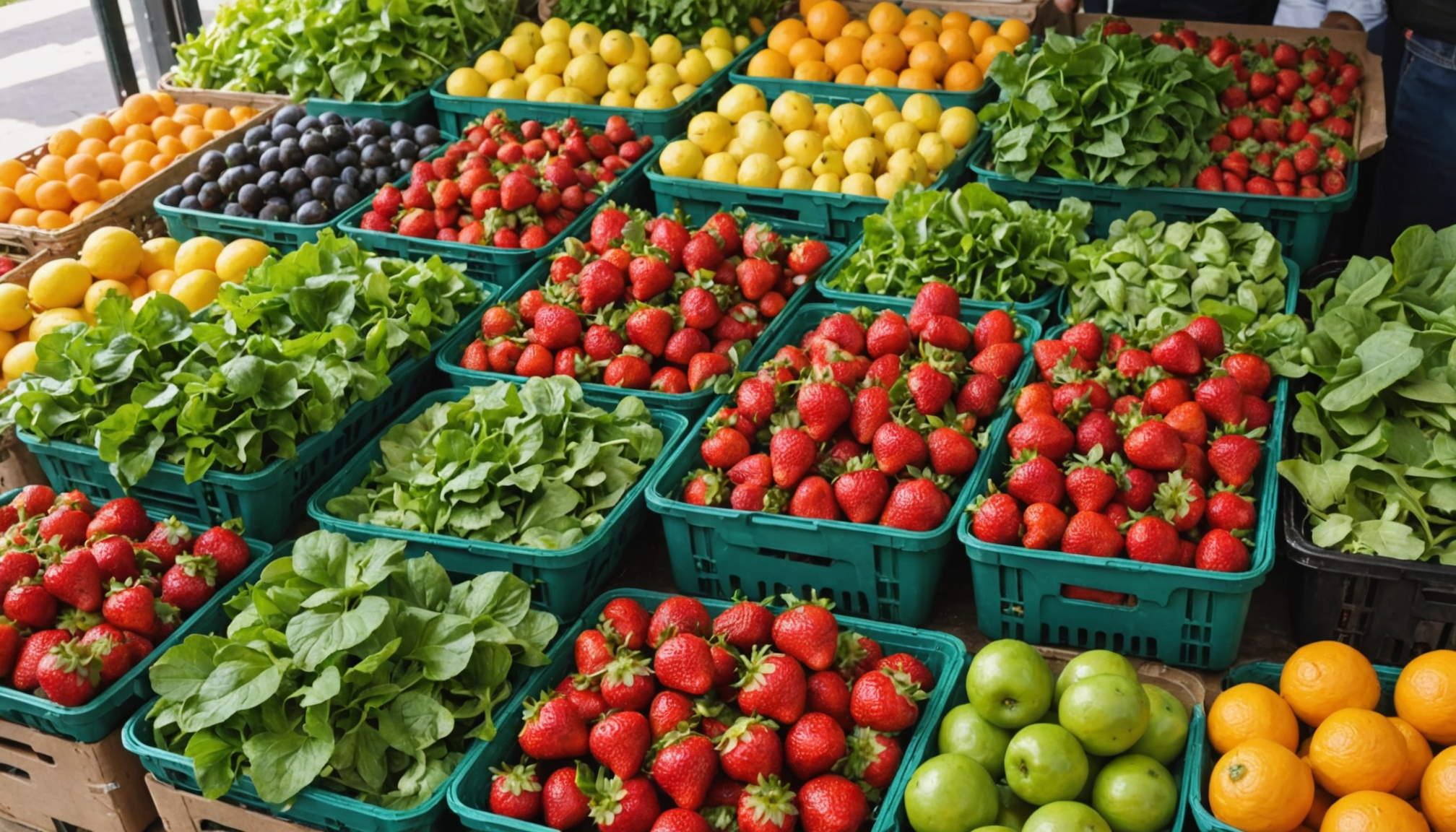
When selecting fruits and vegetables, remember that vibrant colors often indicate high nutritional value. Opt for organic options where possible, especially for items on the Dirty Dozen list (like strawberries and spinach), as these tend to retain pesticide residues more than other produce. You can reference resources like the Environmental Working Group for updated lists of produce that are safer to purchase conventional. For those budgeting or seeking local options, consider picking up seasonal produce from a farmer’s market; not only is it fresher, but it often offers better flavor and nutrition.
For proteins, whether you’re opting for lean meat, fish, or plant-based alternatives, select sources that are free from antibiotics and hormones. If you’re exploring vegan options, think about stocking up on legumes, lentils, and tempeh, providing affordable, nutrient-dense bases for your meals. Buying these items in bulk not only saves money but also reduces the number of trips to the grocery store. You may also want to check out local co-ops or online bulk suppliers.
When it comes to grains, choose whole grains like quinoa or brown rice. They offer greater nutritional benefits compared to their refined counterparts and are excellent for meal prepping since they can be made in batches and stored. Consider using a rice cooker or Instant Pot to simplify the cooking process! This minimizes the mess and time spent cooking throughout the week.
While shopping for pantry staples, it is crucial to read labels carefully. Look for products with the fewest ingredients, and steer clear of those containing artificial additives or preservatives. For example, when picking sauces or dressings, choose options without high fructose corn syrup and other processed sugars, opting for brands that focus on natural ingredients instead.
Online grocery shopping can be a fantastic way to save time. But it’s important to be cautious. Always verify that the retailer is reputable and look for customer reviews to gauge product quality. Additionally, ensure that any organic items you consider are certified. Many online marketplaces provide a wide range of organic food options, often at competitive prices, allowing you to explore choices not available at your local store.
Lastly, don’t be afraid to explore new healthy ingredients. Whether it’s quinoa flour, coconut aminos, or nutritional yeast, trying new foods can transform your meal prep routine while keeping things fresh and exciting. Stick to ingredients you enjoy but also challenge yourself with something new each week to keep your meals vibrant.
By employing these tips, you can streamline your grocery shopping experience, ensuring you fill your cart with the best organic foods that elevate your cooking and support a healthy, balanced lifestyle.
Five Delicious Organic Recipes
Start your culinary journey with a light and refreshing quinoa salad that serves as a perfect main or a side. Combine cooked organic quinoa with fresh cucumber, cherry tomatoes, and diced bell peppers. Toss in some chopped parsley and a squeeze of lemon for a burst of flavor. Drizzle with a simple dressing made from extra virgin olive oil, salt, and pepper. This dish is not only colorful but also rich in protein and fiber, making it an ideal choice for anyone looking for easy recipes that don’t skimp on nutrition.
Next, prepare a hearty stir-fry featuring seasonal vegetables. Sauté organic broccoli, snap peas, and carrots in a bit of sesame oil. Add cubed tofu or organic chicken for protein and toss in soy sauce or tamari as a savory glaze. Serve this vibrant meal over brown rice or quinoa for a filling dinner that can be made in under 30 minutes. This quick recipe is a great example of healthy cooking that maximizes flavor while keeping preparation time minimal.
For a comforting option, try a warming lentil soup. Start with a base of sautéed onions, garlic, and diced carrots in your favorite pot. Add rinsed organic lentils, vegetable broth, and a blend of herbs like thyme and bay leaves. Let it simmer until the lentils are tender, then blend a portion for a creamy texture if desired. This nourishing soup can be made ahead of time and freezes beautifully, making it a practical choice for meal prepping.
Experience a twist on classic tacos by using organic corn tortillas filled with seasoned black beans, avocado, and a mix of grated carrots and cabbage for crunch. Top with fresh cilantro and a squeeze of lime to elevate the flavors. These tacos are not only quick to assemble but also customizable based on what organic ingredients you have on hand, making them perfect for a weeknight dinner.
Lastly, indulge in a simple yet delectable baked salmon dish. Season a fillet of wild-caught salmon with salt, pepper, and a sprinkle of garlic powder, then bake at 400°F for about 15 minutes. Pair it with roasted asparagus and sweet potatoes tossed with olive oil and herbs for a complete meal that highlights the natural flavors of organic food. This recipe is both easy and elegant, showcasing how healthy cooking can be both satisfying and effortless.
Each of these recipes illustrates that making organic, healthy dinners at home can be simple, fresh, and full of flavor. Embracing quick and easy meals allows you to maintain a busy lifestyle while enjoying the benefits of nutritious ingredients.
Seasonal Vegetable Guide
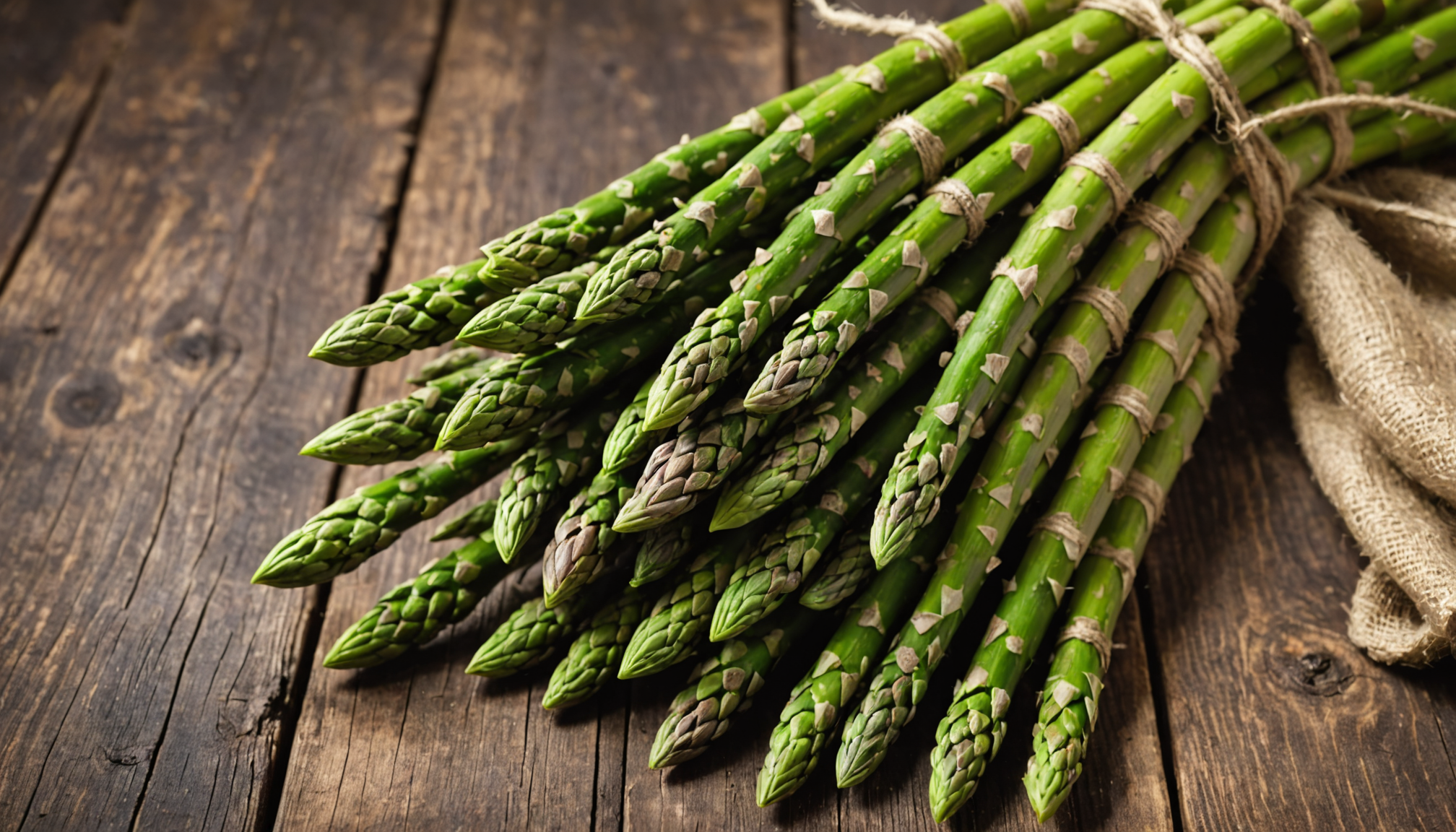 Understanding the best seasonal vegetables to incorporate into your meals can elevate your cooking experience while enhancing the nutritional quality of your dishes. Each season brings its bounty, ensuring a diverse palette of colors, flavors, and textures to enrich your meals. By consuming seasonal produce, you not only enjoy ingredients at their peak freshness and taste but also support local farmers and reduce your carbon footprint.
During spring, you’ll find vibrant asparagus and spinach, both packed with vitamins A and C. Asparagus can be grilled, sautéed, or roasted, making it a versatile choice for any dish. Spinach is perfect for salads or as a base for smoothies, lending a nutrient-dense boost to your meals. Transitioning into summer, tomatoes, zucchini, and bell peppers dominate the scene. These vegetables are great for salads, sandwiches, or even as roasted sides, providing refreshing and hydrating components to lighter summer dishes.
As the leaves start to turn in autumn, root vegetables such as sweet potatoes, carrots, and beets come into play. These ingredients are not only hearty and satisfying but are also rich in fiber and antioxidants, ideal for warming stews and casseroles. They can easily be roasted for enhanced flavor or pureed into comforting soups. Finally, as winter approaches, look for hearty greens like kale and collard greens. These vegetables are excellent for hearty braises and can withstand longer cooking times without losing their nutritional value.
Incorporating seasonal vegetables into your meals doesn’t just elevate taste but also fosters a deeper connection to the earth and the environmental cycles that contribute to our food systems. Consider how your dietary choices can harmonize with nature’s rhythm, inspiring curiosity about local produce, cooking methods, and inventive ways to utilize these ingredients in your meal preparations.
- What are the benefits of eating seasonal vegetables?
- Seasonal vegetables are fresher, more flavorful, and often more nutritious than out-of-season produce. They are also typically more affordable, as they are abundant and locally sourced.
- How can I find out what vegetables are in season?
- Many local farms, farmers’ markets, and agricultural departments provide seasonal guides that outline what’s available throughout the year. Online resources and apps are also great tools for discovering seasonal produce in your area.
- Can I still purchase organic vegetables that are not in season?
- Yes, organic vegetables can be found year-round, but it’s important to check where they come from. Out-of-season produce is often imported, which can impact freshness and sustainability.
- How do I store seasonal vegetables to maximize their freshness?
- Store vegetables in a cool, dry place or in the refrigerator, depending on the type. Use breathable bags or containers to avoid moisture build-up, which can lead to spoilage.
- Are frozen seasonal vegetables as healthy as fresh ones?
- Yes, frozen seasonal vegetables are often flash-frozen at their peak ripeness, preserving nutrients effectively. They can be a convenient and nutritious alternative when fresh options aren’t available.
- What are some easy recipes that incorporate seasonal vegetables?
- Seasonal vegetables can be easily included in stir-fries, salads, stews, and roasted dishes. Consider recipes like a quinoa salad with summer vegetables or a warming autumn vegetable soup.
- Can eating seasonal vegetables help support local agriculture?
- Absolutely! By purchasing seasonal produce from local markets or farms, you support local farmers and contribute to sustainable agricultural practices in your community.
Storing and Reheating Leftovers
Storing leftovers properly is key to enjoying your meals without waste and ensuring that food maintains its quality. To keep your organic dishes as fresh as possible, utilize airtight containers that are glass or BPA-free plastic. These containers prevent air and moisture from spoiling your leftovers, making them safer and tastier when you’re ready to reheat them.
When placing food into containers, it’s best to allow any dishes to cool completely before sealing them. Hot food can create condensation, leading to moisture buildup, which can affect the texture and quality of your food. For optimal storage, consider using portion-sized containers, which not only make it easier to grab a quick meal but also help in controlling portion sizes for those who are mindful of their dietary intake.
Labeling containers with the date of storage is another handy tip. Keeping track of how long your food has been stored will help you avoid eating anything that may have outlasted its freshness. Aim to consume refrigerated leftovers within 3-4 days to reduce the risk of foodborne illnesses. If you want to extend the life of your meals, freezing leftovers is an excellent option. Most cooked dishes freeze well, especially soups, stews, and casseroles. Just be sure to leave some space in the container as food expands when frozen.
When it’s time to reheat your leftovers, do so safely to retain quality and safety. Microwave reheating should be done using a covered microwave-safe container to maintain moisture. Stirring the food halfway through heating ensures even warmth and prevents cold spots—especially important in meat dishes, as they need to reach the right internal temperature to eliminate any potential bacteria. A food thermometer can aid in verifying that leftovers are heated to at least 165°F (74°C).
If you’re using the oven, consider reheating at a lower temperature, around 350°F (175°C), for a more uniform heat and crispiness. Cover your dish with foil to keep it from drying out, and track reheating time, as it will vary based on the size and type of food. Roasted vegetables, for example, may take about 15-20 minutes, while casseroles often need 30 minutes or more.
Another fun and engaging way to utilize leftovers creatively is to reinvent them into new meals. Stir-frying leftover vegetables with a protein source such as tofu or chicken can create a quick, nutritious meal. Alternatively, blending leftover roasted veggies into a creamy soup or incorporating them into a frittata is a great way to minimize waste while exploring new flavors. This not only saves time but also adds variety to your weeknight dinners.
For those who prefer online shopping, consider looking for meal kits that emphasize leftovers on their menus. Some services offer plans specifically designed to ensure you can cook in bulk and have ready-made portions for the week, helping you manage time and food waste effectively. Always check the reviews and credentials of these services, ensuring they prioritize organic food sources to align with your healthy cooking goals.
New Customers Offer!
Free Gift for the new customer
$24 Value, When You Subscrib Visit Thrive Market