- Healthy Organic Ingredients to Stock Your Pantry
- Simple Dinner Recipes for Busy Weeknights
- Tips for Quick Meal Prep and Planning
- Balancing Nutrition in Quick Meals
- Creative Ways to Use Leftovers
- Easy Side Dishes to Complement Your Dinner
When it comes to grocery shopping for healthy organic ingredients, having a well-stocked pantry is essential for anyone aiming to whip up quick meals. Start with organic food staples that can serve as the foundation for countless dishes. Consider investing in quality dried legumes such as lentils, chickpeas, and various beans. They are not only budget-friendly but also packed with protein and fiber. Remember to check for certification labels on packaging to ensure they meet organic standards.
Whole grains should also take prominence on your shopping list. Options like quinoa, brown rice, and farro are versatile and offer superb nutritional value, providing energy for busy days. They can be prepped in batches and served as a base for salads, side dishes, or bowls. You can easily find these items at your local grocery store or online, but always compare prices, as bulk buying can lead to significant savings.
Don’t overlook the power of canned organic vegetables and fruits. They offer convenience without compromising nutrition, as they are typically picked and processed at peak freshness. Look for options packed in water or their juice instead of syrup or sauces, limiting added sugars and preservatives. For instance, canned tomatoes are fabulous for quick sauces and soups, while canned pumpkin or beans can elevate your recipes effortlessly.
Healthy cooking is also about flavor, so herbs and spices play a crucial role. Stock your pantry with a variety of dried herbs such as oregano, basil, and thyme, as well as spices like cumin, paprika, and turmeric. Not only do they enhance the taste of your dishes, but they also come with numerous health benefits. Fresh herbs can also be potent; consider buying them from local farmers’ markets for a fresher taste while supporting your community.
For those following a vegan lifestyle, nut butters and plant-based milk are non-negotiable items. Almond milk, soy milk, or oat milk can be used in smoothies, cereals, and cooking, while peanut or almond butter serves as a great addition to snacks or easy recipes. Opt for brands that contain minimal ingredients, ideally just the nut and a pinch of salt.
When shopping for produce, prioritize seasonal and local vegetables and fruits. Not only does this support local farmers, but seasonal produce is often more affordable and flavorsome. Incorporate items such as kale, sweet potatoes, and apples, which can easily be turned into nutrient-rich meals or snacks. If you’re unsure about what’s in season, check online resources or ask at your local grocery store.
Lastly, if you choose to shop online, ensure you’re using reputable sites that prioritize food safety and quality. Look for customer reviews and check their return policy on fresh items. When receiving your delivery, inspect all perishables to confirm they are in good condition before putting them away. Remember, prioritizing safety and quality will help you maintain a healthy, budget-friendly kitchen.
Simple Dinner Recipes for Busy Weeknights
Using pantry staples to create quick dinners is achievable with a few simple recipes that you can throw together in no time. Here are some easy recipes that incorporate healthy organic ingredients for satisfying and nutritious meals.
One popular option is a Chickpea Stir-Fry. Start by heating olive oil in a skillet. Add chopped onions, bell peppers, and zucchini. Sauté until they just begin to soften. Next, toss in a can of drained organic chickpeas and season with garlic powder, cumin, and a splash of lemon juice. Serve it over cooked quinoa for a hearty meal.
Another effortless dish is Veggie-Packed Quesadillas. Fill whole wheat tortillas with a mixture of sautéed spinach, mushrooms, and cheese—preferably from grass-fed cows for a healthier choice. Cook on a skillet until the tortillas are golden and crispy. Serve these with a side of fresh salsa made from chopped organic tomatoes, onions, and cilantro for a burst of flavor.
If you’re in the mood for something warming, consider making Lentil Soup. Combine dried green or brown lentils with chopped carrots, celery, and onions in a pot. Add vegetable broth and season with bay leaves, thyme, and pepper. Let it simmer until the lentils are tender. This dish not only offers comfort but is also rich in protein and fiber.
For those who love pasta, try a Whole Wheat Pasta Salad. Cook your pasta of choice, such as whole wheat penne, then mix it with diced cucumbers, cherry tomatoes, and some olives. Drizzle with a vinaigrette made from balsamic vinegar and olive oil. This is a quick dish that can be served warm or cold, perfect for leftovers.
To illustrate the versatility of these easy recipes, here’s a comparison table featuring the key ingredients and preparation times:
| Recipe | Main Ingredients | Preparation Time | Nutritional Benefits |
|---|---|---|---|
| Chickpea Stir-Fry | Chickpeas, bell peppers, quinoa | 15 minutes | High in protein and fiber |
| Veggie-Packed Quesadillas | Whole wheat tortillas, spinach, cheese | 10 minutes | Rich in vitamins and healthy fats |
| Lentil Soup | Lentils, carrots, celery | 30 minutes | Excellent source of protein and iron |
| Whole Wheat Pasta Salad | Whole wheat pasta, cucumbers, olives | 20 minutes | High in fiber and antioxidants |
Each of these recipes exemplifies healthy cooking using organic food, efficiently prepared to fit into a hectic weeknight schedule. They not only provide nourishment but also cater to different tastes and dietary needs, ensuring that you can make quick, wholesome meals without the stress.
Tips for Quick Meal Prep and Planning
When it comes to meal prep and planning, having a well-thought-out grocery shopping strategy can save you time and ensure you have nutritious options at your fingertips. Start by creating a weekly meal plan that outlines your breakfast, lunch, and dinner, all centered around quick and easy recipes. This not only helps in managing your time but also reduces impulse purchases at the store.
Before heading out to shop, make a detailed grocery list that corresponds with your meal plan. This list should include organic foods like fresh vegetables, fruits, grains, and proteins. Try to categorize items by sections of the store — produce, dairy, canned goods, etc. This will streamline your shopping experience and prevent you from forgetting essential ingredients.
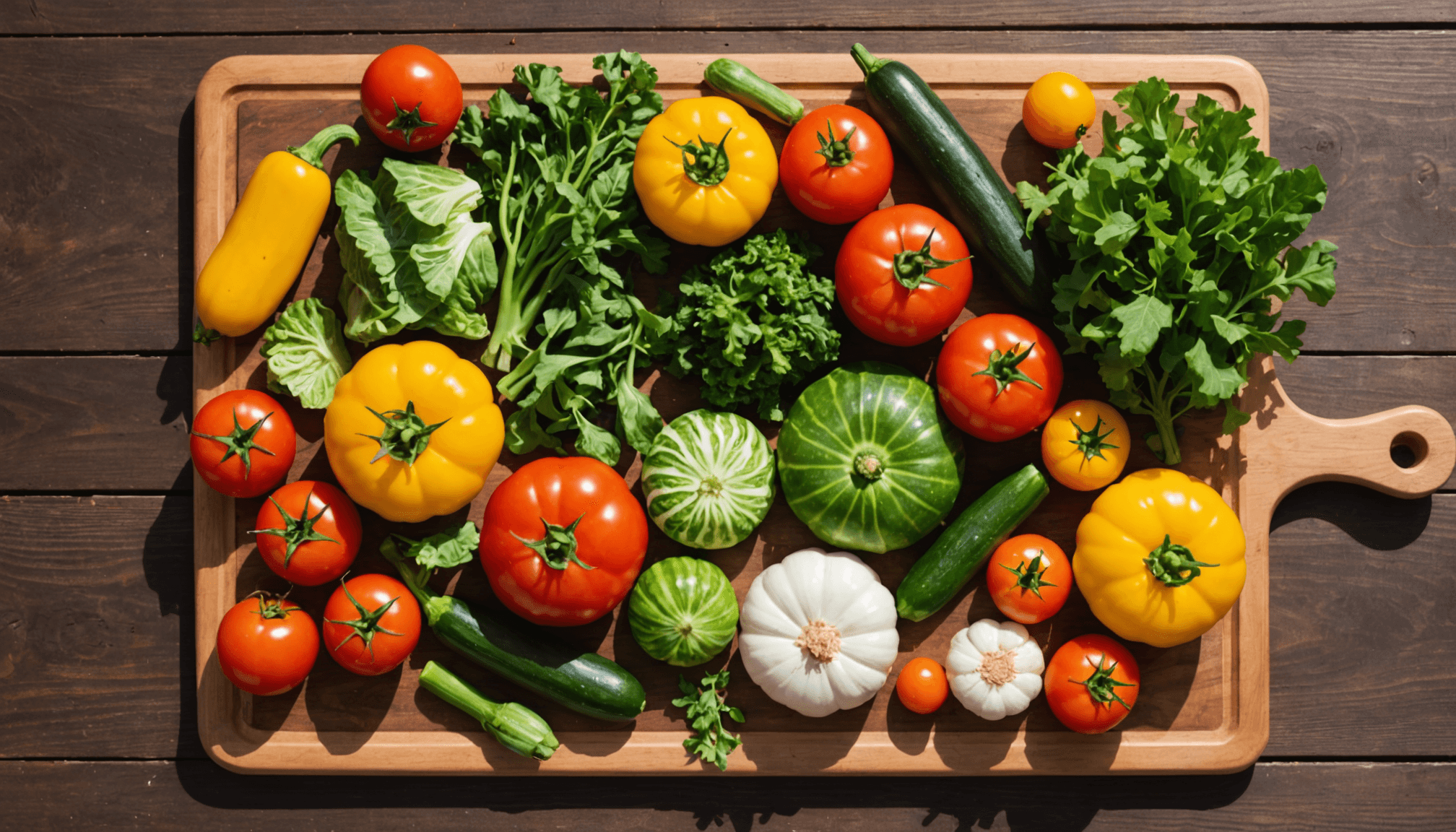
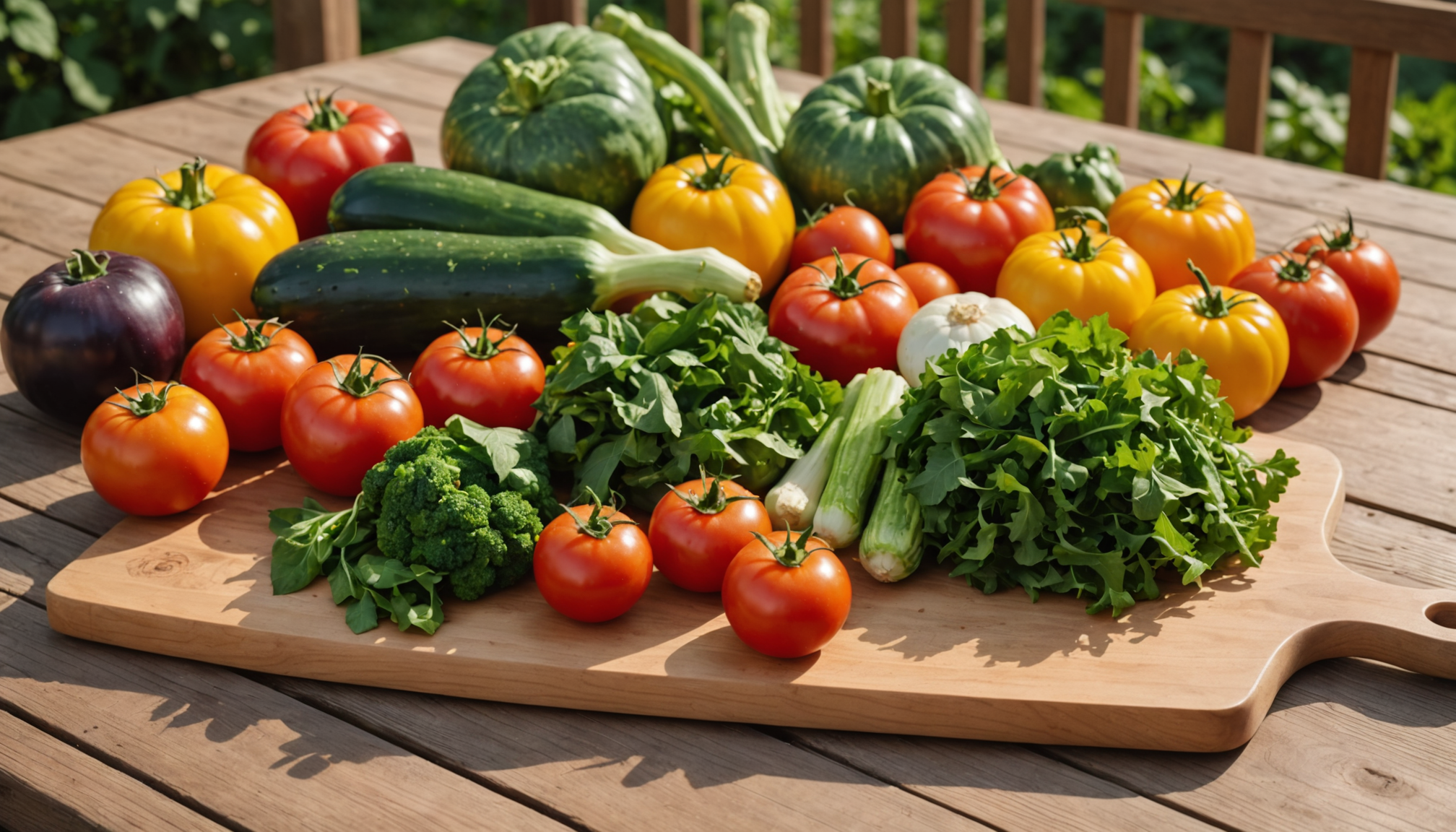
When shopping for fresh produce, aim for seasonal vegetables to maximize flavor and affordability. Examples include tomatoes in the summer, squash in the fall, and root vegetables in winter. Seasonal shopping not only benefits your wallet but also ensures that you’re consuming foods at their nutritional peak.
Don’t forget to check out your local farmers’ market for organic options. Produce found here is often fresher and may even be less expensive than in mainstream grocery stores. Plus, buying local supports your community and can provide you with insights into farming practices.
As for proteins, consider stocking up on plant-based options like tofu, tempeh, and legumes. They are typically more affordable compared to meat and are excellent sources of protein for vegans and those looking to incorporate more plant-based meals into their diet. Quick-cooking lentils and canned beans also make for practical choices that can be added to various dishes without much hassle. Aim for brands that offer organic varieties to ensure you’re consuming foods free from harmful pesticides.
For those utilizing online grocery shopping, it’s crucial to focus on quality and safety. Always select a reputable store and read reviews to gauge customer satisfaction. Place your order when you have sufficient time to make substitutions if something isn’t available, as this can help ensure you’re still acquiring excellent organic products. Upon delivery, thoroughly check that all items are fresh, particularly perishable ones like dairy and greens. According to the USDA, safety should be a priority when handling and storing foods to avoid issues arising from spoilage.
Furthermore, always be mindful of the expiration dates when picking out items. This is especially important for items such as nut butters or packaged grains which may have lengthy shelf lives but can still spoil at times if not stored correctly. Aim for products that have a longer shelf life and make a habit of rotating through your pantry to utilize older items first.
Incorporating a mix of easy recipes into your meal planning can also help maintain your enthusiasm for cooking. Experiment with batch cooking techniques or make-ahead salads that you can prepare in advance, providing you with convenient meal options throughout the week. Rather than feeling stressed about cooking every day, you can focus on enjoying the process with meals that are nutritious, delicious, and ready to go!
With a little organization and consideration for quality ingredients, grocery shopping can be a smooth and efficient process. Whether shopping in-store or online, being prepared will empower you to create healthy meals effortlessly!
Balancing Nutrition in Quick Meals
Maintaining a balanced diet while preparing quick meals is vital for ensuring you get the nutrients your body needs, even on the busiest of days. When aiming for nutritious meals, consider the following strategies to help you enhance your dishes effortlessly.
Incorporating a variety of food groups into your quick meals is key. Strive to include proteins, healthy fats, carbohydrates, and plenty of vegetables. For instance, if you’re making a stir-fry, combine a source of protein like tofu or chicken with an abundance of colorful vegetables such as bell peppers, carrots, and broccoli. This not only adds flavor and texture but also ensures that you’re consuming a wide range of vitamins and minerals that support overall health.
Next, consider the importance of portion control and balance. When assembling your plates, aim for a good ratio of vegetables to protein and carbohydrates. A general guideline is to fill half your plate with vegetables, a quarter with lean protein, and a quarter with whole grains. This visual method simplifies meal assembly and can help you avoid overeating, making sure you get the nutrition you need while still enjoying your meals.
Using healthy cooking methods can also significantly affect the nutrient content of your meals. Opt for steaming, sautéing, or grilling rather than frying, as these methods preserve more nutrients and reduce unnecessary fats. If you’re preparing something like quinoa, consider cooking it in a vegetable broth instead of water for an added flavor boost and additional nutrients.
Incorporating healthy fats can aid in the absorption of fat-soluble vitamins (A, D, E, K). Add a drizzle of olive oil to your salads or include avocado in your sandwiches. Nuts and seeds are excellent toppings for yogurt or oatmeal and provide a satisfying crunch along with protein and healthy fats.
Look for superfoods to incorporate into your meals as well. Ingredients like kale, quinoa, chia seeds, and berries are packed with antioxidants and nutrients. These foods can easily be integrated into salads, smoothies, or grain bowls. For instance, a simple smoothie made from blended greens, banana, and a scoop of chia seeds can serve as a great way to start your day packed with nutrients.
Meal prepping is another straightforward approach to ensuring your meals are nutritious. Dedicate a few hours each week to prepare and portion your meals, making it easier to grab something healthy on the go. Batch-cooking whole grains and proteins can save time, and you can mix and match ingredients throughout the week, keeping your meals interesting and varied.
Additionally, if you’re feeling inspired, try experimenting with herbs and spices, which can elevate the flavor of your dishes without the need for excess cooking oils or sodium. Fresh basil, cilantro, or spices like turmeric and cumin not only enhance taste but also provide additional health benefits.
“Healthy cooking is about flavor, nutrition, and convenience. When you combine these elements, you’ll find cooking at home is not only rewarding but also easier than ever.”
Finally, don’t forget to listen to your body’s hunger cues. Eating mindfully—savoring each bite and acknowledging when you’re satisfied—can lead to better food choices and a healthier relationship with food. With these strategies in play, preparing balanced and nutritious meals can become a simple and enjoyable part of your weekly routine, empowering you to eat healthily without the stress.
Creative Ways to Use Leftovers
 Using leftovers creatively is a fantastic way to minimize waste and enrich your meals. Embracing the concept of “circular cooking,” or repurposing leftovers, can stimulate your culinary imagination and allow you to discover innovative flavor combinations. When you think of the meals you’ve made during the week, consider how each component can blend into new dishes. For instance, the grilled chicken from last night’s dinner can easily be transformed into a savory chicken salad with mixed greens, nuts, and a zesty vinaigrette, or tossed into a wrap with fresh veggies and a spread of hummus.
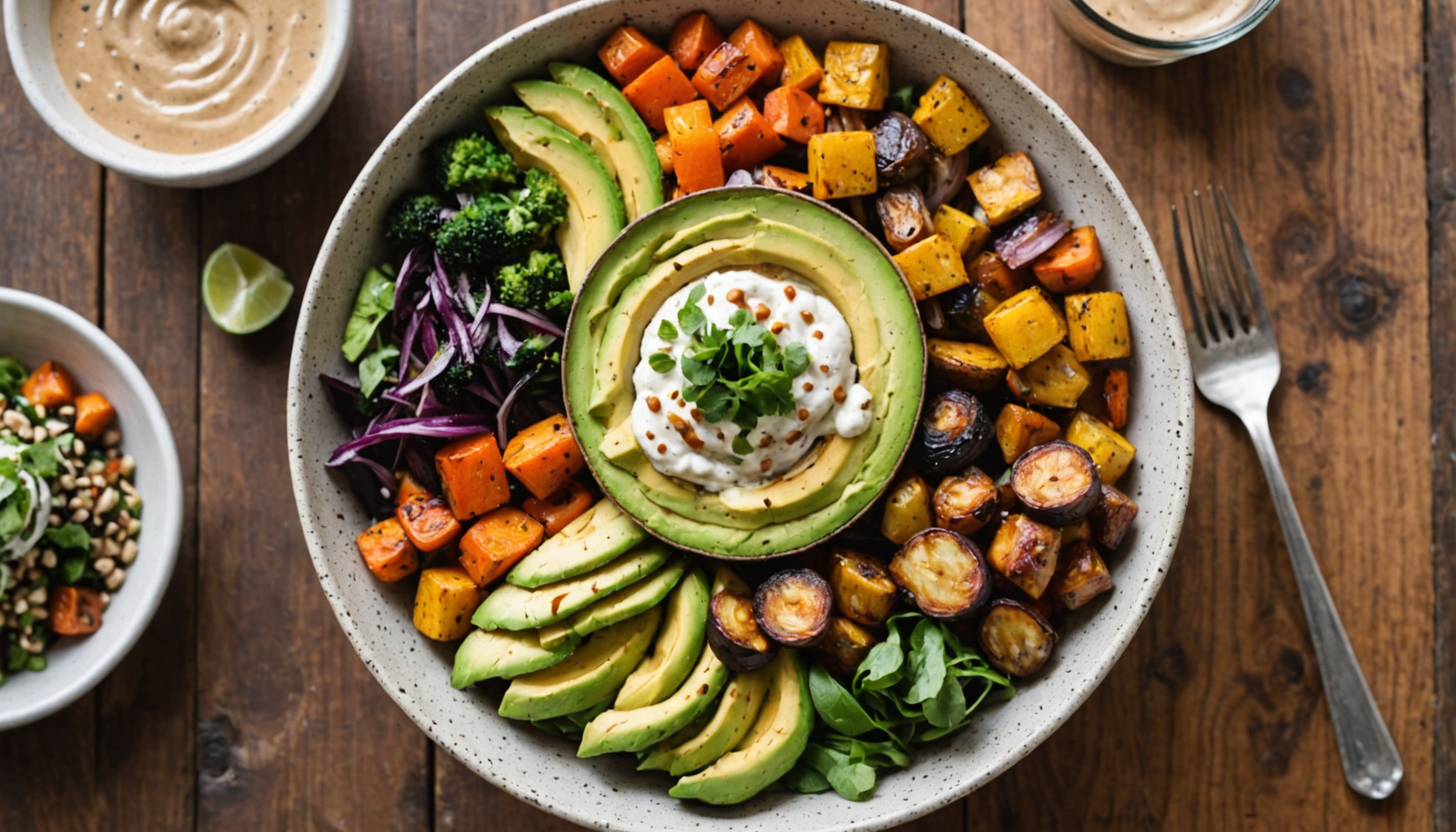
A convenient approach is to categorize your leftovers by type: grains, proteins, and vegetables. For grains such as quinoa, rice, or pasta, think about making a hearty grain bowl topped with roasted vegetables and a drizzle of tahini or a tangy lemon dressing. If you have leftover veggies—whether roasted, steamed, or sautéed—they serve as perfect additions to omelets or frittatas, providing both nutrition and taste. Imagine waking up to a colorful vegetable-packed breakfast that uses up what you have instead of preparing a whole new meal!
Moreover, soups are a fantastic vehicle for utilizing leftover ingredients. Any combination of proteins, vegetables, and grains can find its place in a soothing broth. A simple vegetable soup can begin with sautéing onions and garlic, adding the leftover vegetables, and pouring in vegetable stock to bring it all together. Seasoning it with herbs like thyme or rosemary can elevate the flavors and create a new comforting dish from what would otherwise go uneaten.
Don’t forget about stir-fries as well; they offer versatility and speed. You can throw together a mix of slices from leftover proteins and a colorful array of vegetables into a hot pan with sesame oil and soy sauce, making for a quick and nutritious dish. Serve it over fresh rice or noodles for a delightful new meal.
Incorporating sauces and dressings can also work wonders when reinventing leftovers. A spoonful of pesto can turn bland grains into a vibrant dish, while leftover tomato sauce can give new life to veggies and proteins alike, whether in a casserole or as a dip. Experimenting with spices or adding a new sauce can also completely alter the previous dish’s profile, allowing for culinary creativity.
Taking a mindful approach to your leftovers not only enhances your cooking experience but also helps you become more sustainable in your kitchen. The next time you find yourself with remnants from previous meals, don’t discard them; instead, envision how they can shape another exciting and nutritious dish. The possibilities are vast, limited only by your creativity and willingness to explore new flavors.
- How can I store leftovers properly?
- To maintain the freshness of leftovers, store them in airtight containers in the refrigerator. Ensure that they cool down to room temperature before sealing to prevent condensation, which can lead to spoilage.
- What are some quick ways to reheat leftovers?
- Microwaving is the quickest way to reheat leftovers, while stovetops and ovens can help preserve texture better. Add a splash of water or broth when reheating to maintain moisture and flavor.
- Can I freeze leftovers?
- Yes, many leftovers can be frozen for later use. Ensure they are stored in freezer-safe containers or bags, and label them with the date. Most leftovers maintain quality for 2-3 months in the freezer.
- What can I do with leftover vegetables?
- Leftover vegetables can be used in soups, stir-fries, or frittatas. Additionally, they can also be blended into smoothies or salads, bringing a nutritious boost to your meals.
- Are there any restrictions on using leftovers with proteins?
- Be cautious with leftover proteins; they should typically be consumed within 3-4 days when stored in the refrigerator. Always ensure they are reheated to at least 165°F to avoid foodborne illnesses.
- How often should I create meals from leftovers?
- Making meals from leftovers can become a weekly routine, especially after bigger dinners. Establishing a “leftover night” can encourage creativity and food waste reduction.
- Can I mix different types of leftovers together?
- Absolutely! Combining different leftovers can lead to delightful new dishes, such as casseroles or grain bowls, enhancing flavor and making use of various ingredients.
Easy Side Dishes to Complement Your Dinner
When it comes to complementing your healthy dinners, incorporating easy side dishes can be a game-changer. These accompaniments not only elevate the flavor of your meals but also add vital nutrients, ensuring your dining experience is wholesome and satisfying. Whether you’re looking for budget-friendly options, healthy organic ingredients, or creative twists to utilize leftovers, there are countless ways to create delightful sides that pair perfectly with any entrée.
To start, explore the world of roasted vegetables. Simply toss seasonal vegetables like carrots, Brussels sprouts, or sweet potatoes with olive oil, salt, and pepper, then roast them at 400°F for about 25-30 minutes. Not only does this method intensify their flavors, but roasting also caramelizes the natural sugars, making them taste irresistible. Roasted vegetables can be made in large batches, making them a convenient option for meal prepping. For added variety, consider sprinkling different herbs such as rosemary or thyme for enhanced flavor profiles.
For a refreshing addition, consider preparing a quinoa salad. Quinoa is not only a wholesome grain but also provides a rich source of protein and fiber. Cook a batch of quinoa, then mix it with diced cucumbers, cherry tomatoes, finely chopped red onions, and a handful of fresh parsley. Drizzle with a vinaigrette made from lemon juice, olive oil, and a hint of Dijon mustard. This salad is not only quick to prepare but also tastes even better after marinating for a few hours. Plus, it can be served warm or cold, making it versatile for any meal.
Another crowd-pleaser is the classic garlic sautéed greens. Think of kale, spinach, or Swiss chard, which are often found in organic produce sections. Sauté these greens in a bit of olive oil, adding minced garlic until fragrant. Season with a dash of salt, pepper, and a squeeze of lemon juice. This simple preparation maximizes their nutrients while also bringing out a rich flavor that pairs well with almost any protein. For those pressed for time, pre-washed and chopped greens can save significant prep work.
If you’re looking to satisfy your carb cravings, a fluffy side of brown rice or farro complements heartier dishes beautifully. Cook them in vegetable broth instead of water to introduce an extra layer of flavor. You can also stir in some sautéed onions and garlic for more depth. As these grains are full of fiber and nutrients, they serve as a great foundation that keeps you energized throughout your busy day.
As a fun twist on traditional sides, consider vegetable-based dips like hummus or tzatziki. Hummus can be made easily using canned chickpeas, tahini, olive oil, lemon juice, and garlic blended until smooth. Serve it alongside whole-grain pita chips, carrot sticks, or cucumber slices for a healthy, crunchy side. Tzatziki, a yogurt-based dip with shredded cucumber and dill, is another great option that pairs well with grilled meats or as a spread in wraps.
Don’t hesitate to get creative with your ingredients! Utilizing leftovers can inspire innovative sides that keep your meals exciting. For example, leftover roasted vegetables can be turned into a warm grain bowl topped with a poached egg or crumbled feta cheese. Or, you can repurpose yesterday’s quinoa salad by adding canned tuna or chickpeas for extra protein, creating a completely new dish that saves both time and waste.
When shopping for side dishes, consider purchasing organic foods whenever possible, as they tend to have higher levels of nutrients and fewer harmful chemicals. Farmers’ markets and local grocery stores often provide fresh organic options. Also, remember to check for seasonal produce to save money and ensure the best flavors in your dishes.
Lastly, if you shop online, selecting high-quality ingredients is crucial. Opt for well-known brands and check product reviews, especially for fresh items. Make sure to inspect the delivery carefully to confirm freshness—your health is worth it! Following safety guidelines while shopping can significantly enhance your grocery experience.
Incorporating these tips and recipes into your meal rotation not only enhances the overall dining experience but also ensures your sides are just as nutritious and satisfying as your main courses. With a little creativity, you can easily whip up friendly and delicious sides that cater to your family’s dietary preferences, keeping mealtime joyful and healthy!
New Customers Offer!
Free Gift for the new customer
$24 Value, When You Subscrib Visit Thrive Market