- Benefits of Organic Ingredients
- Choosing the Right Meat
- Selecting Fresh Vegetables
- Flavorful Marinades and Dressings
- Customizing Your Bowl
- Storage and Meal Prep Tips
When it comes to grocery shopping for your healthy meals, especially when creating delicious meat bowls, knowing how to choose organic ingredients effectively can not only enhance the flavor of your meals but also contribute to your overall well-being. Start by looking for products that are certified organic; these items are grown without synthetic pesticides, fungicides, or fertilizers, making them better for both your health and the environment. Be sure to check the packaging labels closely to verify the organic status, as some products may carry misleading labels.
Incorporating organic foods into your pantry can improve the quality of your healthy dinners. Opt for organic grains, legumes, and dairy products. If you’re unsure about which items to prioritize, consider the Environmental Working Group’s list of the “Dirty Dozen” and “Clean Fifteen,” which identifies fruits and vegetables that are best to buy organic due to high pesticide levels.
When selecting organic meat for your bowls, prioritize grass-fed or pasture-raised options, as these tend to have higher levels of omega-3 fatty acids and are generally more humane. Don’t overlook the impact of local farmers and markets; purchasing from them not only supports small businesses but often provides you with fresher produce and meat options. Check out local CSAs (Community Supported Agriculture) for seasonal organic produce delivered straight to your doorstep, making meal preparation easier and more sustainable.
If budgeting is a concern, focus on buying organic foods that are in bulk or on sale, and consider implementing a seasonal shopping strategy to maximize freshness while saving money. Additionally, frozen organic fruits and vegetables can be a cost-effective alternative that retains nutritional value and reduces waste. This means you can always have a healthy option on hand for those busy weeknights.
Online grocery shopping can save you time, but it’s essential to be aware of safety and quality. Always choose reputable retailers known for their fresh produce and organic offerings. Look at customer reviews to gauge the quality of the products, and don’t hesitate to ask questions about sourcing and handling to ensure you receive the best ingredients for your organic recipes.
Whether you’re shopping in-store or online, keeping these strategies in mind will greatly enhance your experience and enable you to create the most flavorful, healthy, and satisfying meals for you and your family.
Choosing the Right Meat
The choice of meat is crucial in crafting a balanced and flavorful meal, particularly when it comes to preparing meat bowls. Selecting the right type of meat not only influences the taste but also the nutritional value of your dish. When considering meat for your bowls, it’s essential to look for options that are organic, grass-fed, or pasture-raised, as these tend to contain fewer harmful chemicals and more nutrients.
Grass-fed beef, for instance, is rich in omega-3 fatty acids and conjugated linoleic acid (CLA), compounds linked to numerous health benefits, including reduced inflammation and improved heart health. Pasture-raised chicken and pork also offer significant advantages over conventionally raised meats, as these animals are often healthier and less stressed, leading to better quality meat.
To help make the process of selecting the right meat more straightforward, consider the following table comparing different types of meat:
| Type of Meat | Benefits | Flavor Profile | Best Cooking Methods |
|---|---|---|---|
| Grass-Fed Beef | Higher omega-3 fatty acids, lower saturated fats | Rich, beefy flavor | Grilling, slow cooking, roasting |
| Pasture-Raised Chicken | More vitamins, better animal welfare conditions | Juicy, robust flavor | Roasting, baking, sautéing |
| Heritage Pork | Better marbling, more flavorful | Rich, savory flavor with a hint of sweetness | Grilling, braising, roasting |
| Organic Turkey | Lean protein, lower fat content | Subtle, mild flavor | Roasting, grilling, sautéing |
When purchasing meat, always check for certifications that indicate organic practices, as these ensure adherence to strict guidelines for animal feed, living conditions, and antibiotic or hormone usage. Seeking out local farms or butchers can yield fresher options, allowing you to build relationships with your food sources and ask questions directly about their farming practices.
Another critical aspect to consider is the impact of meat on the environment. Animal agriculture can contribute significantly to greenhouse gas emissions; thus, opting for sustainable and humane farming practices can be a responsible choice for those concerned about ecological impact.
Finally, don’t forget to experiment with various cuts of meat, as each offers unique textures and flavors that can elevate your healthy dinners to the next level. Using different meats not only enhances taste but can also keep your meals exciting and diverse. By making informed meat choices, you can create delicious organic recipes that are not only wholesome but satisfying for everyone at the table.
Selecting Fresh Vegetables
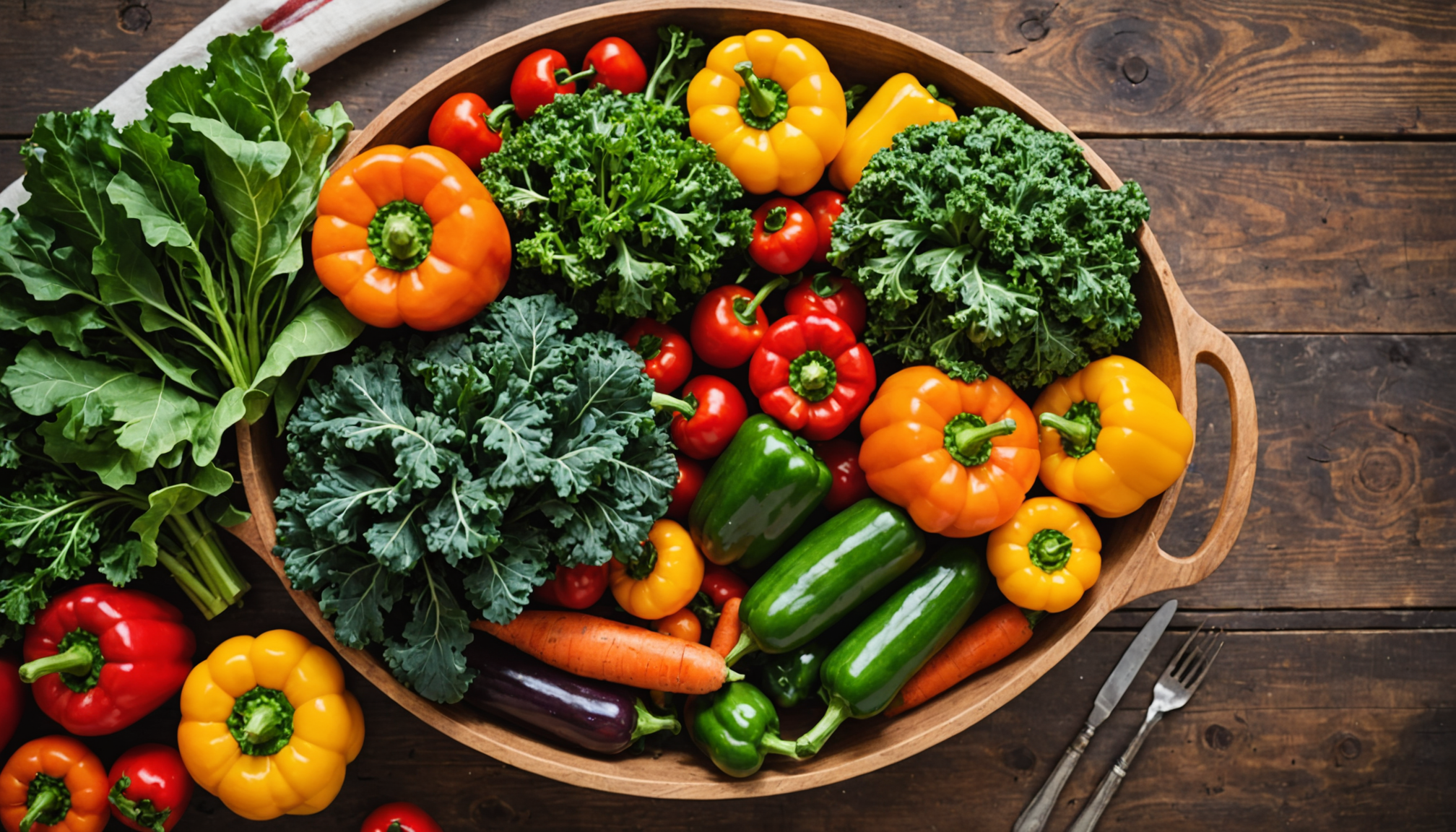
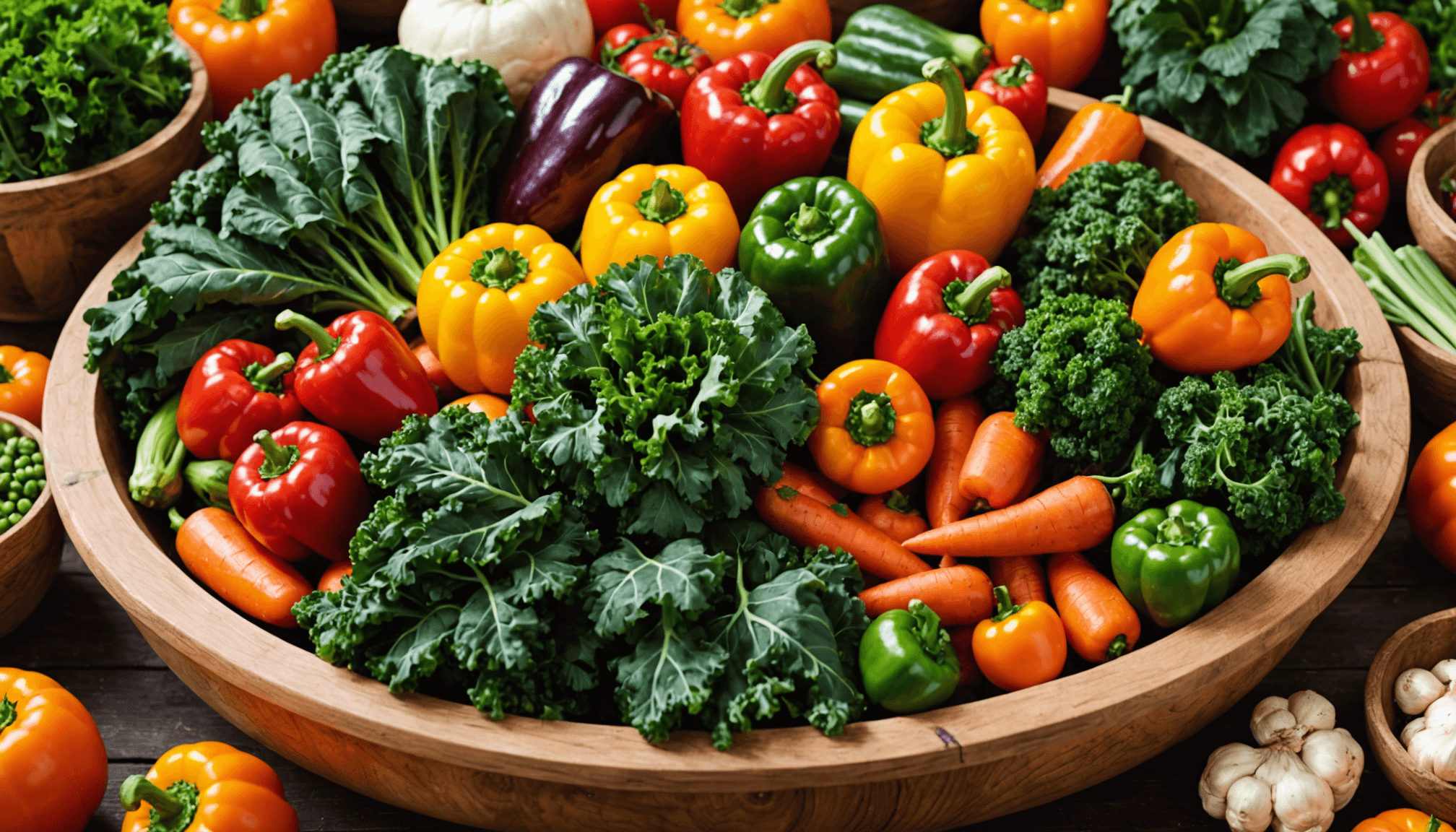
When selecting fresh vegetables for your meat bowls, the key is to ensure you’re getting the highest quality options available. Fresh vegetables not only contribute vibrant colors and textures to your dishes but also pack a punch of essential nutrients that support a healthy lifestyle. Start by visiting your local farmers’ market or choosing organic options from your grocery store to ensure you are getting produce that is free from harmful pesticides and chemicals. When shopping, keep an eye out for seasonal vegetables as they are typically fresher, tastier, and more affordable.
Here are some tips for choosing the freshest vegetables:
- Look for vivid colors: Often, the more colorful the vegetable, the richer it is in vitamins and antioxidants. Think bright greens, deep reds, and vibrant oranges.
- Check for firmness: Fresh vegetables should feel firm and heavy for their size. Avoid those that are soft or have blemishes.
- Smell the product: Fresh vegetables usually have a pleasant earthy smell. If it smells off or has no fragrance, it might not be fresh.
- Interview your farmers: If you buy from farmers’ markets, don’t hesitate to ask how the vegetables were grown. Knowing where your food comes from can provide peace of mind and enhance your connection to your meals.
For a truly nutritious base for your meat bowls, consider incorporating a variety of vegetables such as kale, spinach, bell peppers, carrots, and broccoli. These choices not only balance the protein but also provide a great source of dietary fiber, promoting a healthy digestive system. Additionally, if you’re targeting a vegan lifestyle or aiming for more plant-based meals, loading up on vegetables provides essential nutrients and ensures your meat bowls remain satisfying.
Besides local and organic produce, be mindful of food safety as well. Wash all vegetables thoroughly to remove any residual pesticides and dirt. For leafy greens, consider using a salad spinner to dry them properly after washing, as this can help your dishes stay crisp and prevent any sogginess in your salads or bowls.
Online grocery shopping for fresh vegetables can be convenient, but there are precautions to ensure you receive optimal quality. Select reputable grocery delivery services known for their fresh produce. Utilizing customer ratings can help you gauge quality. Always opt for delivery options that guarantee a fresh product and prompt replacements for items that don’t meet expectations.
To save money while enjoying fresh vegetables, consider buying in bulk, particularly for staple items such as onions, carrots, and potatoes. These have a longer shelf life and can be used across various meals. Freezing vegetables is another great way to prevent waste; blanch them quickly in boiling water before freezing to retain their nutrients and color.
Remember that fresh vegetables can also serve as the base for creative toppings in your meat bowls. Sauté, roast, or grill them for varied flavors and textures. Nothing elevates a healthy dinner quite like the combination of fresh, seasonal vegetables alongside your choice of meat, transforming your meals into delicious, nutritious celebrations of flavor.
Flavorful Marinades and Dressings
Marinades and dressings can transform your meat bowls from simple to sensational, infusing them with layers of flavor while accentuating the natural taste of the ingredients. The key to a great marinade is balancing acidity, sweetness, and savoriness. Acidic components, such as vinegar, citrus juice, or yogurt, help to tenderize the protein and add brightness to the dish. Sweetness can come from honey, maple syrup, or even fruit purees, offering a delightful contrast to the savory elements like soy sauce, garlic, herbs, or spices.
When preparing your marinade, start with a base of oil, which not only adds richness but also helps the other ingredients adhere well to the protein. A typical marinade ratio is one part acid, two parts oil, and additional flavorings to taste. For instance, a vibrant citrus marinade works beautifully with chicken or fish, while a rich balsamic vinegar reduction is perfect for lamb or beef.
Experimenting with different herbs and spices can yield unique profiles for your meat bowls. Fresh herbs such as rosemary, thyme, or cilantro can brighten up the dish, while spices like cumin, paprika, or chili powder can add warmth and depth. To create a marinade that resonates with your personal taste, consider the following simple yet effective recipe as a starting point:
“Good food is all the sweeter when shared with good friends.” – Unknown
For a versatile garlic and herb marinade, combine ¼ cup olive oil, the juice of one lemon, minced garlic (two to three cloves), a tablespoon of Dijon mustard, and ¼ cup of freshly chopped herbs like parsley or basil. Allow your choice of protein—be it chicken, beef, or tofu—to marinate for at least 30 minutes, though longer marination (up to 24 hours) can deepen the flavors.
Dressings, too, play a vital role in rounding out the flavors of your meat bowls. A well-crafted dressing can serve as an additional layer of taste that ties everything together. A classic vinaigrette made from a blend of vinegar (like apple cider or red wine) and oil, whisked together with mustard and a touch of honey, ensures that your bowls remain lively and fresh. Consider incorporating pureed fruits or avocados into your dressings for added creaminess and a touch of sweetness without the need for dairy.
Don’t shy away from toppings when constructing your meat bowls. A sprinkle of feta cheese, a drizzle of tahini, or a handful of toasted nuts can elevate the profile significantly, adding crunch and an extra dimension of flavor that complements the organic ingredients you’ve chosen.
Incorporating these flavorful marinades and dressings into your cooking routine not only enhances the taste of your meals but also encourages creativity in your kitchen. As you explore different flavor combinations, your healthy dinners will evolve, making mealtime not just nourishing but also an exciting culinary adventure.
Customizing Your Bowl
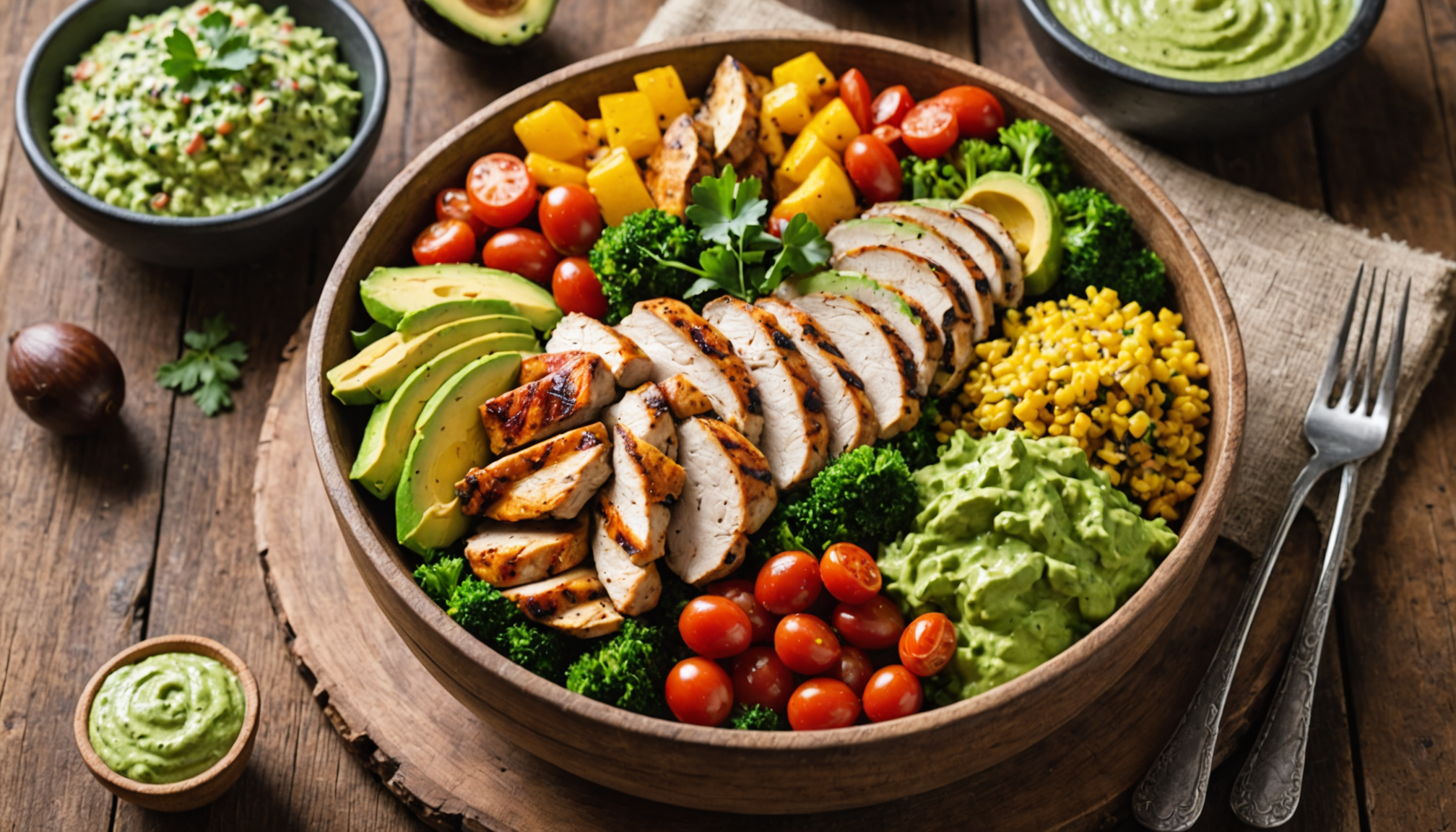 When creating your ideal meat bowls, personalization is key. The customization process allows you to tailor each bowl to your dietary needs, flavor preferences, and even seasonal availability. The options are practically limitless; whether you prefer a hearty and filling meal or a lighter, more refreshing bowl, the ingredients you select can be mixed and matched to create your perfect dish.
Start by considering your base—a flavorful and nutritious foundation is essential. Quinoa, brown rice, or even cauliflower rice can serve as the perfect backdrop for your meat and vegetables. These options provide complex carbohydrates that help maintain energy levels, making your meal satisfying without weighing you down. Think about mixing grains, too; combining farro and barley can create a unique texture and a delightful nutty taste, enhancing the overall experience of your bowl.
Next, focus on your protein source. Whether it’s grilled chicken, pan-seared salmon, or roasted chickpeas for a plant-based option, the meat you choose should not only appeal to your taste buds but also contribute to your nutritional goals. Consider varying the cuts or selecting different proteins each week, as this not only adds diversity to your meals but also allows you to discover new flavors that you may fall in love with.
Incorporating a range of seasonal vegetables is another significant aspect of customization. This not only keeps your meals vibrant and visually appealing but also enhances nutritional value with an array of vitamins and minerals. Take advantage of farmer’s markets or your garden to find fresh produce that can be incorporated in unique ways—roasted, sautéed, or even raw can offer distinct tastes and textures.
Don’t overlook the potential of sauces and toppings, which can add a burst of flavor and a touch of creativity to your meat bowls. A zesty chimichurri, creamy avocado dressing, or spicy sriracha can elevate your dish from ordinary to extraordinary. Additionally, toppings such as seeds, nuts, or microgreens provide not just flavor but also extra health benefits and crunch. The act of sprinkling these can be a moment of joy that ties your dish together.
Creating your own combinations invites experimentation and fosters a deeper connection with your meals. Engage your curiosity about various cuisines and try drawing inspiration from different cultures. Asian-inspired meat bowls can feature sesame seeds, pickled vegetables, and a soy-based sauce, while Mediterranean versions may include olives, tzatziki, and grilled pita.
Ultimately, making your meat bowls distinctive allows for a personalized cooking experience that reflects your tastes and health requirements, leading to healthy dinners that you’ll genuinely look forward to enjoying. Discovering unique pairings and flavors can inspire you to venture outside of your comfort zone, enabling you to learn more about diverse ingredients and culinary techniques. Now, ask yourself what flavors resonate with you most and how you can turn your next meal into a delightful exploration.
- What are some base options for organic meat bowls?
- Popular base options include quinoa, brown rice, farro, and cauliflower rice. These choices provide essential nutrients while complementing the flavors of your toppings and proteins.
- How can I ensure my vegetables are fresh?
- Visit local farmers’ markets, look for vibrant colors, and choose produce that feels firm and heavy. Don’t hesitate to ask farmers about their growing practices for added assurance.
- Can I customize my meat bowl with plant-based proteins?
- Absolutely! Options like chickpeas, lentils, tofu, and tempeh not only provide protein but can be seasoned and cooked to fit seamlessly into your meat bowl.
- What are some flavorful dressings I can use?
- Try a simple vinaigrette made with olive oil, vinegar, mustard, and honey, or a creamy avocado dressing for added richness. Experimenting with fresh herbs can also enhance flavors.
- Are there any tips for meal prepping my meat bowls?
- Cook larger batches of grains and proteins at the beginning of the week. Store them in portioned containers with separate compartments for veggies and sauces to keep everything fresh and ready to go.
- How can I make my meal more exciting?
- Don’t shy away from trying unique toppings like roasted nuts, seeds, or pickled vegetables that can introduce new textures and flavors into your meat bowls.
- Is it important to balance flavors in my meat bowl?
- Yes, balancing flavors is crucial. Aim to include a mix of savory, sweet, bitter, and acidic components to create a harmonious dish that pleases the palate.
Storage and Meal Prep Tips
Proper storage and meal prep can elevate your cooking game, making it easier to create those delicious meat bowls your family loves without spending all day in the kitchen. Preparing ahead can maximize the freshness of your ingredients and ensure you’re equipped to create healthy dinners on busy weeknights.
Start by investing in high-quality storage containers. Look for glass containers with airtight seals to keep your ingredients fresh while also being microwave and dishwasher safe, making cleanup a breeze. Using clear containers can help you see what you have at a glance, reducing the likelihood of food waste.
When it comes to storing fresh vegetables, several tips can help you maintain their crispness:
- Keep produce dry: Moisture can lead to rotting; ensure your vegetables are dry before placing them in storage.
- Utilize perforated bags: For vegetables that require ventilation, like green beans or broccoli, store them in perforated produce bags to keep air circulation intact.
- Store herbs properly: Fresh herbs can be treated like flowers. Place them in a glass of water with a plastic bag loosely covering the tops to extend their lifespan.
Consider batch-prepping your proteins at the start of the week. Marinate and grill several chicken breasts or roast a large tray of veggies that you can quickly toss together with your grains throughout the week. This not only simplifies the cooking process but also adds variety to your meals. For example, grilled chicken can be used in Mediterranean meat bowls one night and as a protein for a stir-fry the next.
When it comes to grains, cook a large batch of quinoa, brown rice, or farro and store it in the fridge in portioned containers. These can serve as the base for your meat bowls, saving time when you’re ready to eat. Simply reheat and add your choice of proteins and veggies!
For those on a budget, consider the practice of meal prepping with frozen foods. Buy frozen organic vegetables and fruits, which can be just as nutritious as fresh options and last longer. This allows you to pack your bowls with a variety of colors and nutrients without the pressure of using them immediately. Just ensure you blanch veggies before freezing to retain their flavor and color.
If you’re using leftovers, keep food safety in mind. Refrigerate any meals within two hours of cooking, and aim to consume leftovers within three to four days to prevent foodborne illnesses. When reheating, ensure food reaches an internal temperature of 165°F (74°C) to kill any harmful bacteria.
As for online shopping, be cautious. Opt for grocery delivery services that provide quality guarantees and prompt replacements for produce that arrives wilted or subpar. Always verify the expiration dates and freshness prior to accepting deliveries. Plan your online shopping trips around bulk orders when possible, especially for meats and perishables, to ensure you always have healthy options available without unnecessary trips to the store.
By organizing your storage, prepping in advance, and utilizing smart shopping strategies—both online and at local markets—you’ll find that creating flavorful and nourishing meat bowls is not only feasible but enjoyable. It can transform your meals into quick dining experiences that make healthy eating a sustainable part of your family lifestyle.
New Customers Offer!
Free Gift for the new customer
$24 Value, When You Subscrib Visit Thrive Market