- Health Benefits of Organic Ingredients
- Choosing the Right Meats
- Selecting Fresh Vegetables
- Bowl Assembly Techniques
- Flavor Enhancements and Seasonings
- Nutritional Information and Serving Suggestions
Shopping for organic ingredients can elevate your meal prep while boosting your health. When exploring your local grocery store or perusing online shops, look for products that align with your family’s dietary needs and lifestyle. Whether you’re on the hunt for organic recipes or searching for healthy dinners, here’s how to make the most of your grocery shopping experience.
1. Prioritize Organic Produce: Start with the “Dirty Dozen,” a list published annually that highlights fruits and vegetables most contaminated with pesticides. Items like strawberries, spinach, and kale often top this list, making organic versions especially important. Aim to buy these locally if possible, as local produce is typically fresher and can be more flavorful.
2. Understand Labels: Not all certifications are equal. Look for labels such as USDA Organic, which indicates that the product is free from synthetic fertilizers and pesticides. Be wary of items labeled “natural,” as they may not meet the same rigorous standards. If shopping online, ensure that the retailer has a solid background in sourcing quality ingredients.
3. Explore Bulk Options: If your budget is tight, consider purchasing organic items in bulk. Stores like Costco or online retailers like Thrive Market offer discounts on bulk purchases, enabling you to stock up on essentials like grains, nuts, and seeds that can be used in healthy meals throughout the week. For example, quinoa or brown rice makes a perfect base for your meat bowls.
4. Seasonal Shopping: Shop seasonally to enjoy the best quality and price on your ingredients. Joining a community-supported agriculture (CSA) program can help you discover local offerings while supporting your local farmers. Imagine diving into fresh, organic zucchini in summer, which you can incorporate into numerous recipes.
5. Read Reviews and Check Ratings: When buying online, don’t forget to check product reviews and ratings. This can help you gauge the quality of organic products. Look for options with high ratings for freshness and flavor, particularly if you’re trying a new brand.
6. Beware of Cross-Contamination: Safety is essential, especially when purchasing meats. If you’re opting for organic meats, always check for proper handling and storage practices by the vendor. Avoid purchasing meat that shows signs of mishandling, such as off odor or discoloration.
7. Plan Your Meals: Before you hit the store, make a meal plan that allows you to utilize your organic ingredients efficiently. This practice minimizes food waste and encourages you to create healthy dinners that everyone will enjoy. Create a list based on recipes you want to try to avoid impulse buys—this will help you stick to your budget and essentials.
Implementing these shopping strategies can significantly enhance your grocery experience, allowing you to indulge in the benefits of organic ingredients while preparing wholesome and hearty meals for your family. Enjoy shopping smart!
Choosing the Right Meats
Choosing the right meats is critical to crafting satisfying and nutritious meat bowls. Organic meats not only support ethical farming practices but also ensure a healthier option for you and your family. When selecting meats for your dishes, there are several factors to consider.
First and foremost, prioritize pasture-raised or grass-fed options whenever possible. These meats come from animals that were raised in their natural habitats, providing them with a more balanced diet and promoting healthier animal welfare standards. Grass-fed beef, for instance, is known for being higher in omega-3 fatty acids and vitamins compared to conventionally raised beef. When making decisions about meats, pay attention to the following aspects:
| Meat Type | Grass-Fed Benefits | Conventional Benefits |
|---|---|---|
| Beef | Higher omega-3s, vitamins A & E | Tender texture, lower price point |
| Pork | Less fat, better overall flavor | Easier availability, often more affordable |
| Chicken | Higher in omega-3s, no antibiotics | Juicier, cost-effective |
| Turkey | Lower fat content, rich in protein | Widely available, usually more affordable |
When purchasing organic meats, ensure they carry the USDA Organic label. This certification guarantees that the animals were raised without the use of antibiotics or growth hormones and were fed organic feed. In contrast, conventional meats might contain residues of such substances, which can be a concern for health-conscious consumers. It is advisable to source your organic meats from local farms or trusted marketplaces that prioritize ethical practices and quality over mass production.
Consider also the type of cuts that are best suited for meat bowls. Thighs and drumsticks, for example, are often more flavorful and retain moisture better than breast meat, making them ideal for hearty preparations. Likewise, a mix of different meats can add variety and bring out unique flavors in your dishes. For instance, combining ground turkey with diced chicken can create a delightful protein blend that enhances the overall taste profile of your meat bowls.
In terms of preparation, marinating your meats prior to cooking can greatly enhance flavor while keeping them tender. Opt for organic marinades or create your own using ingredients like olive oil, citrus juices, and herbs. This not only infuses your meat with rich flavors but also adds nutrients to your final dish.
Lastly, always prioritize freshness. Inspect the meats for vibrant color and firm texture. Avoid any packaging that appears damaged or compromised. By being diligent and selective, you can ensure that the meats in your healthy dinners not only taste great but are also packed with nutrients and free from harmful additives, ultimately contributing to your family’s well-being.
Selecting Fresh Vegetables
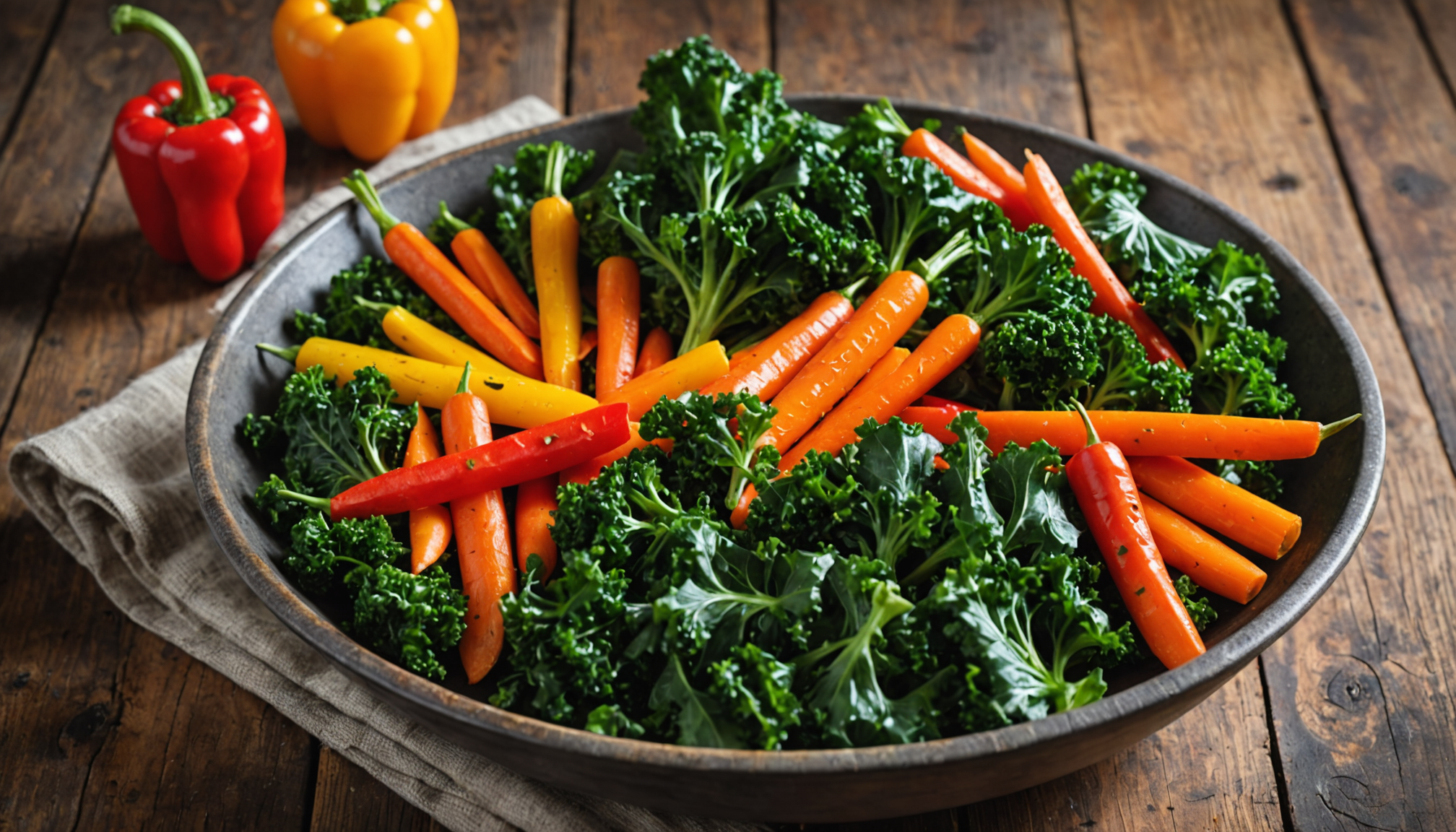
When selecting fresh vegetables, it’s essential to make informed choices that will elevate your meals and be beneficial for your health. Understanding where to shop, what to buy, and how to select the best produce can significantly impact not only the quality of your dishes but also your family’s overall nutrition.
1. Visit Local Farmers’ Markets: Farmers’ markets are gold mines for fresh, seasonal produce. Shopping locally allows you to engage directly with farmers, understand their growing practices, and often taste-test before purchasing. Look for vibrant colors and firm textures—these are indicators of freshness and flavor. Buying in-season vegetables can also save you money, as they are often cheaper due to increased availability.
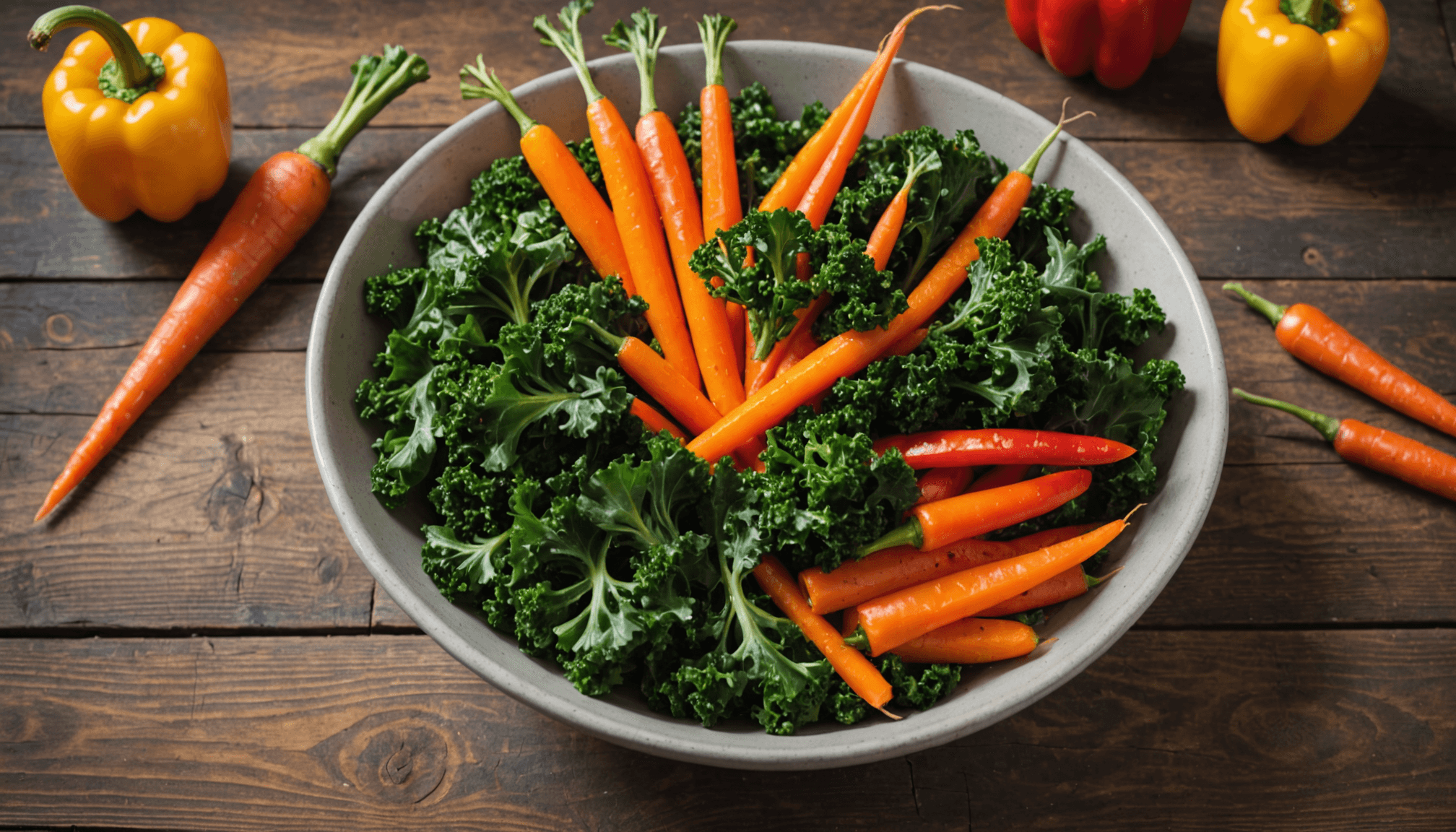
2. Know Your Colors: When it comes to vegetables, color is a huge indicator of nutritional value. The more colorful your bowl, the broader the range of nutrients you’re likely to incorporate into your meals. Aim for a variety of colors: deep greens for iron and calcium, reds and oranges for vitamin A, and whites and purples for antioxidants. This strategy not only nourishes your body but also makes your meat bowls visually appealing.
3. Organic vs. Conventional: If you’re focused on sustainability and health, choosing organic vegetables is ideal. Organic produce is grown without synthetic pesticides or fertilizers, making them a safer option for your family. Keep an eye out for the “Clean Fifteen,” a list that highlights produce typically low in pesticides. Items like avocados, sweet corn, and pineapples can often be found at lower prices in non-organic varieties.
4. Storage and Longevity: Proper storage of your vegetables can extend their lifespan and maintain freshness. Leafy greens should be stored in a breathable container in the fridge, while root vegetables thrive in a cool, dark place. For online grocery shopping, consider ordering vegetables that are known to have a longer shelf life, like carrots and potatoes, which can be stored easily and used in various dishes throughout the week.
5. Pre-Washed and Prepared Options: For busy families or fitness enthusiasts, pre-washed and cut vegetables can be a lifesaver, reducing prep time significantly. However, ensure they are sourced from reputable suppliers to avoid pre-packaged products laden with preservatives. A quick sauté of pre-washed kale or a salad mix can enhance your meal prep efficiency and keep you on track with healthy dinners.
6. Always Check for Quality: While selecting fresh vegetables, inspect for any signs of decay, like soft spots or browning. Wanting freshness is crucial; if you’re purchasing online, select retailers that specialize in selling high-quality vegetables, offering guarantees on freshness or return policies if the product falls short.
7. Plan for Variety: Before shopping, create a list of vegetables that complement your protein sources. For instance, sweet potatoes can be an excellent side for chicken, while steamed broccoli pairs well with fish. Drawing on various textures and flavors can keep your meals exciting and ensure that every bowl is packed with nutrients.
By adopting these strategies for selecting fresh vegetables, you can greatly enhance not only the quality of your meat bowls but also the healthfulness of your meals. Shopping wisely can inspire creativity in the kitchen and lead to more enjoyable, nutritious family dinners.
Bowl Assembly Techniques
When assembling your bowls, the arrangement and layering of ingredients can greatly enhance both the presentation and taste profile of your dish. Start by choosing a base that complements the flavors of your ingredients. Options like quinoa, brown rice, or even leafy greens can serve as the foundation for your meat bowls. This base not only offers a nutritious element but also absorbs the flavors of the other components, tying the dish together.
A thoughtful layer of protein is crucial. Once your base is established, generously place your prepared organic meats atop the foundation. Depending on your preference, you might use grilled chicken, slow-cooked beef, or a mix of proteins to introduce contrasting flavors and textures. For a visual appeal and an exciting bite, consider using a variety of cuts within your meat bowls, such as tender chunks paired with crispy edges, which can elevate the overall experience.
The next step involves adding a rainbow of fresh vegetables. Select seasonal options that not only brighten your bowl but also provide essential nutrients. Sautéed spinach, roasted bell peppers, or raw cucumbers thrown in for crunch can create a delightful contrast to your hearty base and protein. Layering vegetables in a visually pleasing manner can transform your dish from mundane to gourmet.
Don’t forget about the small additions that can make a big impact. Ingredients like nuts, seeds, or cheese can add texture and richness. Toasted almonds sprinkle nicely over a warm bowl, while crumbled feta can bring an additional layer of flavor. Additionally, garnishing with fresh herbs, such as cilantro or basil, can introduce aromatic complexity to your meal.
As you assemble your bowl, pay attention to portions and balance. Ensure your bowls are not overly heavy in one category—such as protein—while skimping on others like vegetables. A well-balanced bowl will ensure that every bite carries a variety of flavors, making healthy dinners more enjoyable.
Finally, consider the importance of sauces and dressings. A thoughtfully crafted dressing can tie all the elements of your meat bowls together. Homemade vinaigrettes or yogurt-based sauces can provide a refreshing touch, while adding just the right moisture.
“Cooking is about creating a plate that is beautiful and tasty, but it’s also about maintaining balance and health.”
Experiment with different seasonings and dressings to find combinations that appeal to your palate.
By following these assembly techniques, you’re not just creating a meal; you’re crafting a colorful and nourishing experience that celebrates the fresh, organic ingredients you’ve chosen. Each bowl can become a reflection of your culinary creativity while supporting a healthier lifestyle.
Flavor Enhancements and Seasonings
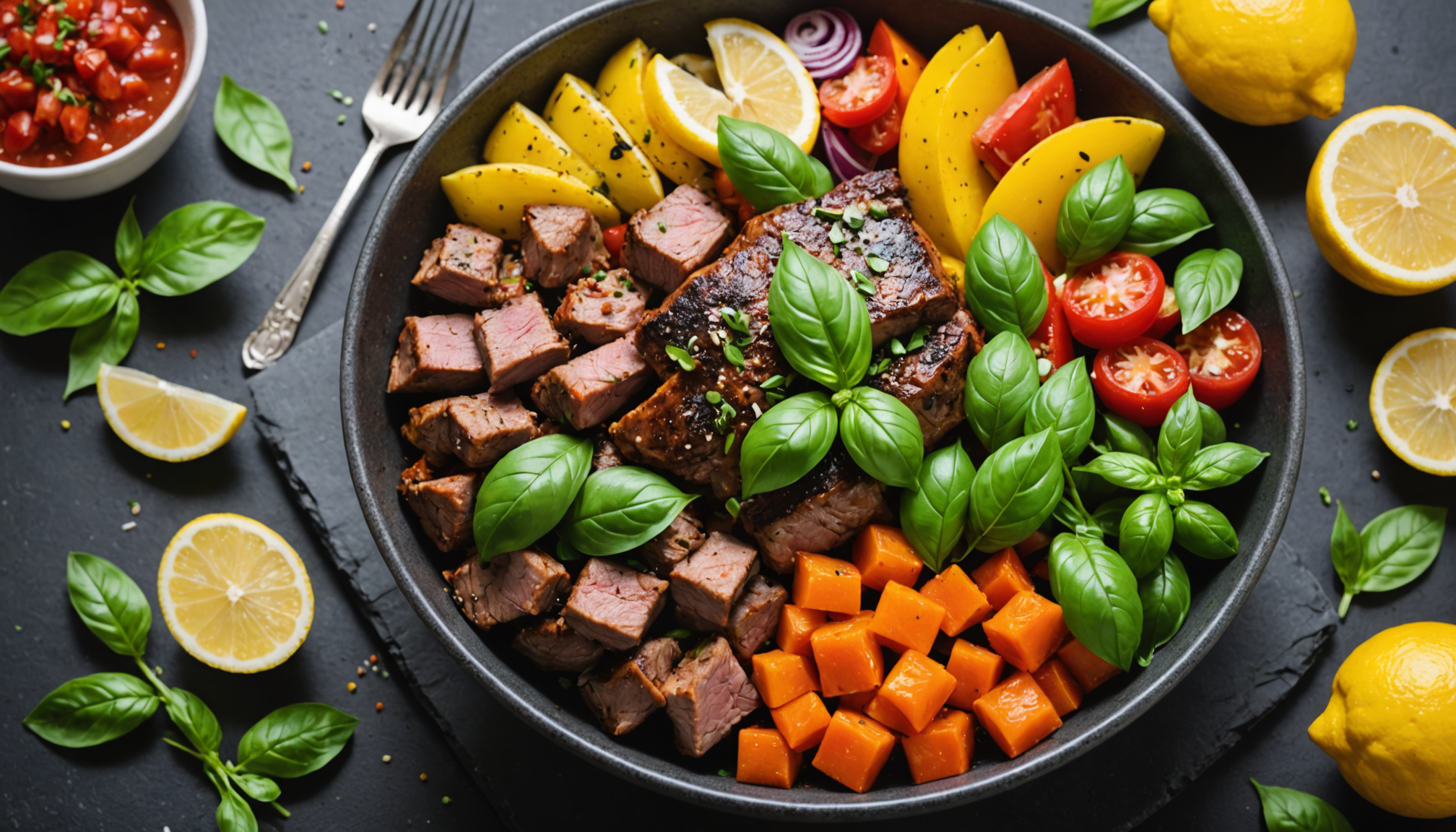 Flavoring your meat bowls can elevate them from simply nutritious to extraordinarily delicious. The balance and interplay of flavors are what will keep you and your family coming back for more. By thoughtfully incorporating a range of flavor enhancements and seasonings, you can create a satisfying meal that nurtures both body and soul.
Consider the impact of fresh herbs. Ingredients like basil, cilantro, thyme, and parsley can bring brightness and depth to your dishes, transforming even the simplest meat bowls into gourmet experiences. Fresh herbs can be used both in-seasoning your proteins while cooking and as a garnish in your final assembly. The aromatic profiles enhance the taste without adding unnecessary calories.
Acidic components like citrus juices or vinegars also play a vital role in flavor enhancement. A squeeze of lemon or a drizzle of balsamic vinegar can cut through the richness of meats and add a refreshing zing. The brightness from citrus can enhance the overall flavor palate, making each bite flavorful and exciting. Experimenting with different vinegar-based dressings can also introduce a new layer of complexity to your meat bowls.
Don’t overlook spice blends, which can be a game-changer. Freshly ground spices can be transformative; for instance, a blend of cumin, coriander, and smoked paprika can add warmth and earthiness to your meats, while chili powder or cayenne pepper can introduce heat if desired. Experimenting with homemade spice blends allows you to customize the flavor profile to suit your family’s preferences while embracing the world of organic recipes.
In addition, the use of umami-rich ingredients like mushrooms, soy sauce, or miso paste can significantly enhance the depth of flavor in your dishes. These ingredients can enrich your sauces, marinades, or even sautéed vegetables. It offers complexity and satisfaction, inviting you to think critically about how various ingredients interact to create the overall taste.
Don’t forget about texture—crunchy toppings like walnuts or pumpkin seeds can enrich the eating experience. Adding these elements not only enhances flavors but allows the dish to be more texturally interesting. Combining your favorite toppings with the main components of the meal can lead to surprising and delightful culinary discoveries.
A harmonious blend of flavors, colors, and textures encourages exploration. By taking the time to play with your ingredients and adjust seasonings, you create a meal that inspires a deeper connection to food. There’s always more to learn and discover in the world of cooking, especially when it comes to building nutritious meat bowls for healthy dinners.
- What are the benefits of using organic herbs and spices?
- Organic herbs and spices are free from synthetic pesticides and chemicals, making them a safer choice for flavoring your dishes. They often possess more vibrant flavors and aromas, enhancing the overall taste of your meals.
- How can I make my meat bowls more flavorful?
- Incorporate a variety of seasonings, fresh herbs, and spices to create layers of flavor. Marinades and dressings can also help infuse your proteins with exciting tastes, while toppings can add crunch and texture.
- Are there any specific flavors that work well with organic meats?
- Citrus, garlic, and herbaceous flavors often complement organic meats beautifully. For a deeper flavor profile, consider using umami-rich ingredients like soy sauce or miso.
- What types of sauces pair well with meat bowls?
- Yogurt-based sauces, vinaigrettes, and creamy dressings can add richness and balance. Homemade sauces allow for customization and can elevate the whole dish.
- How do I choose the right seasonings for my meals?
- Think about the main ingredients in your dish. Bold flavors like cumin or smoked paprika can pair well with meats, while lighter herbs like dill or parsley work nicely with vegetables.
- Can I prepare my seasoning blends in advance?
- Absolutely! Preparing seasoning blends in advance saves time and ensures you have your favorite flavors readily available. Just store them in an airtight container in a cool, dark place.
- How do I know if my herbs and spices are still good to use?
- Check for potency by crushing the herbs or spices in your hand. If the aroma is weak, or they lack flavor, it might be time to replace them. Most dried herbs and spices have a shelf life of about one to three years.
Nutritional Information and Serving Suggestions
Understanding the nutritional value of the ingredients you use in your bowls is crucial for crafting both delicious and healthy dinners. It’s essential to consider not only the aesthetics of your meal but also the balance of nutrients required to fuel your family’s active lifestyle. Here are some tips on how to evaluate the nutritional information of your ingredients and serve them effectively.
1. Know Your Macros: Start by familiarizing yourself with the macronutrients—proteins, fats, and carbohydrates—in your ingredients. For instance, lean proteins like chicken or tofu serve as excellent bases for meat bowls, while grains such as quinoa provide healthy carbohydrates and fiber. To make informed choices, use nutrition labels and apps to check the serving sizes and nutritional content of your frequently used items.
2. Portion Control: When assembling your bowls, consider the balance of each food group. A great rule of thumb is to fill half your bowl with vegetables, a quarter with protein, and a quarter with whole grains. This approach not only ensures adequate nutrient intake but also keeps your meal visually appealing. For example, a bean- and veggie-rich vegan bowl topped with avocado can create a well-rounded nutrient profile while being full of flavor.
3. Incorporate Superfoods: To elevate the health quotient of your meals, include superfoods in your bowls. Leafy greens like kale and spinach are packed with vitamins, while seeds such as chia or flaxseed offer omega-3 fatty acids. You can sprinkle these ingredients over your bowls or blend them into sauces for an added boost. For example, making a dressing with tahini and nutritional yeast can enrich your meal with essential nutrients while complementing the overall flavor.
4. Pairing Ingredients: Understanding which foods work harmoniously can enhance the bioavailability of nutrients. For instance, pairing iron-rich spinach with a source of vitamin C—like bell peppers—can help improve iron absorption. Likewise, combining healthy fats—such as avocado or olive oil—with vegetables may aid in the absorption of fat-soluble vitamins A, D, E, and K. Employing these pairing strategies can significantly optimize the health benefits of your meat bowls.
5. Serving Suggestions: How you present your meal can influence not only visual appeal but also the enjoyment of your family. Serve your bowls in vibrant dishes to add a pop of color, and consider garnishing with fresh herbs or a sprinkle of seeds. If you’re preparing meals in bulk, encourage creativity by allowing family members to customize their bowls, choosing from a variety of meats, grains, and toppings based on personal preferences.
6. Timing Matters: Aim to serve your meat bowls fresh, as the nutritional value of ingredients can diminish over time. If you’re meal-prepping for the week, store certain components separately—keep grains and proteins in the fridge while vegetables can be prepped and ready to add on the day of serving. This approach not only ensures maximum freshness but also allows for the flavors to meld beautifully without overcooking the veggies.
7. Be Mindful of Allergies: When preparing meals for families, it’s crucial to consider potential allergens. By clearly labeling ingredients, especially when hosting guests, you can create an inclusive dining atmosphere. Opt for gluten-free grains or dairy-free alternatives when necessary, ensuring everyone can enjoy your delicious creations without worry.
By keeping an eye on nutritional values and making thoughtful choices, you can create organic recipes that are just as appealing as they are healthful. Elevate your bowl assembly by understanding the nutritional benefits of your ingredients, making each meal not only a treat for the taste buds but also a boon for your health.
New Customers Offer!
Free Gift for the new customer
$24 Value, When You Subscrib Visit Thrive Market