- Organic Ingredients: The Benefits of Choosing Fresh
- Bowl Assembly: Building Your Perfect Meal
- Flavor Profiles: Enhancing Taste with Seasonings
- Nutritional Values: Understanding the Health Benefits
- Meal Prep: Tips for Convenience and Freshness
- Recipe Variations: Creative Ideas for Every Palate
When it comes to grocery shopping, selecting the right ingredients can significantly impact your meal’s flavor, nutrition, and overall enjoyment. Opting for organic produce not only helps support local farmers and sustainable practices but also enhances the taste profile of your dishes. Here are some essential tips for shopping smart, ensuring that you pick the freshest and healthiest organic ingredients for your meat bowls or veggie-centric dishes.
Start your grocery trip by making a list that prioritizes organic items. Look for seasonal fruits and vegetables as they are not only fresher but also often cheaper. Items like kale, spinach, and sweet potatoes offer fantastic nutritional benefits and can easily be incorporated into various healthy dinners. Don’t hesitate to explore local farmers’ markets, where you can find fresh, organic produce at affordable prices while also supporting your community.
For those who follow a vegan lifestyle, focusing on organic legumes, grains, and plant-based proteins is essential. Items such as quinoa, chickpeas, and lentils form a nutritious base for any bowl. When shopping, check for organic certifications to ensure that the products you choose are free from harmful pesticides. Be particularly vigilant with items like strawberries and spinach, which tend to have higher pesticide residues when conventionally grown.
Online grocery shopping is a convenient option, but it’s crucial to stay informed about the brands you choose. Research suppliers for their organic certification and ratings, and read customer reviews for insights on the quality of their products. Always opt for companies that provide transparent information about their sourcing and production processes. This not only helps ensure your purchases are safe but also supports responsible farming practices.
Buying in bulk can also be an effective way to save money while stocking up on healthy foods. Look for bulk bins at your local grocery store, where you can find organic nuts, seeds, and dried fruits at lower prices. This is a great way to create your own trail mix or add a crunchy element to your meat bowls.
Don’t forget about the importance of ingredient safety. When handling fresh produce, always wash fruits and vegetables thoroughly before consumption to reduce the risk of foodborne illnesses. Store your organic ingredients properly to maintain freshness—most fruits and vegetables do best in cool, dark environments, while grains should be kept in airtight containers to prevent deterioration.
Lastly, consider integrating flexibility into your shopping routine. Explore different grains or proteins each week to keep your meals exciting. For instance, experiment with farro one week and switch to black rice the next, or try different beans to vary the texture and flavor of your meat bowls. In doing so, you’ll not only improve your health but also discover new combinations that keep meal prep fun and engaging.
Bowl Assembly: Building Your Perfect Meal
Creating a delicious and balanced bowl requires thoughtful assembly, ensuring that each component complements the others while providing a range of flavors, textures, and nutrients. The foundation of any successful meat or veggie bowl lies in selecting the right base, proteins, vegetables, and toppings, each of which plays a crucial role in both taste and nutrition.
Start with the base, which can range from grains to leafy greens or even legumes. Popular choices for meat bowls include quinoa, brown rice, and farro, all of which contribute heartiness and a nutty flavor. For a lighter option, consider a bed of mixed greens or spiralized vegetables, which will not only provide a crisp texture but also increase the overall nutrient density of the meal. It’s essential to choose a base that not only satisfies your hunger but also pairs well with your protein choice.
Next, the protein will take center stage. Organic options like grilled chicken, beef, or tempeh offer robust flavors and significant health benefits. For a healthy dinner, ensure your protein is cooked using methods that enhance flavor without adding unnecessary fats, such as grilling or roasting. This is particularly important when incorporating spices and marinades for flavor boosts. Below is a comparison of different protein sources that can be used in meat bowls:
| Protein Source | Type | Health Benefits | Flavor Profile |
|---|---|---|---|
| Grilled Chicken | Meat | High in lean protein, low in fat | Mild, versatile |
| Beef | Meat | Rich in iron, complete protein | Rich, savory |
| Salmon | Fish | High in omega-3 fatty acids | Fatty, exquisite |
| Tempeh | Plant-based | High in protein and probiotics | Nuts, earthy |
| Chickpeas | Plant-based | High in fiber and protein | Nuts, creamy |
Once your components are established, layers of colorful and seasonal vegetables can be added. Opt for a variety of textures and colors, such as crunchy bell peppers, roasted sweet potatoes, and vibrant broccoli. These not only add visual appeal but also contribute essential vitamins and minerals. Incorporating raw, roasted, or grilled vegetables adds diversity to each bite and enhances the nutrient composition of the bowl.
Lastly, toppings and sauces can elevate the dish to new heights. Fresh herbs, nuts, seeds, and homemade dressings or salsas will round out the flavors and make your meal exciting. For example, a sprinkle of sesame seeds adds nuttiness, while a drizzle of tahini or olive oil can enhance creaminess. Don’t overlook the role of acidity; a squeeze of lemon or a dash of vinegar can brighten the entire bowl.
As you assemble your meat bowls or veggie-centric creations, experiment with different combinations to discover your favorites. The beauty of bowl assembly lies in its customization, allowing you to adapt meals to your preferences or dietary needs while enjoying a wide variety of organic recipes that keep everything fresh and interesting.
Flavor Profiles: Enhancing Taste with Seasonings
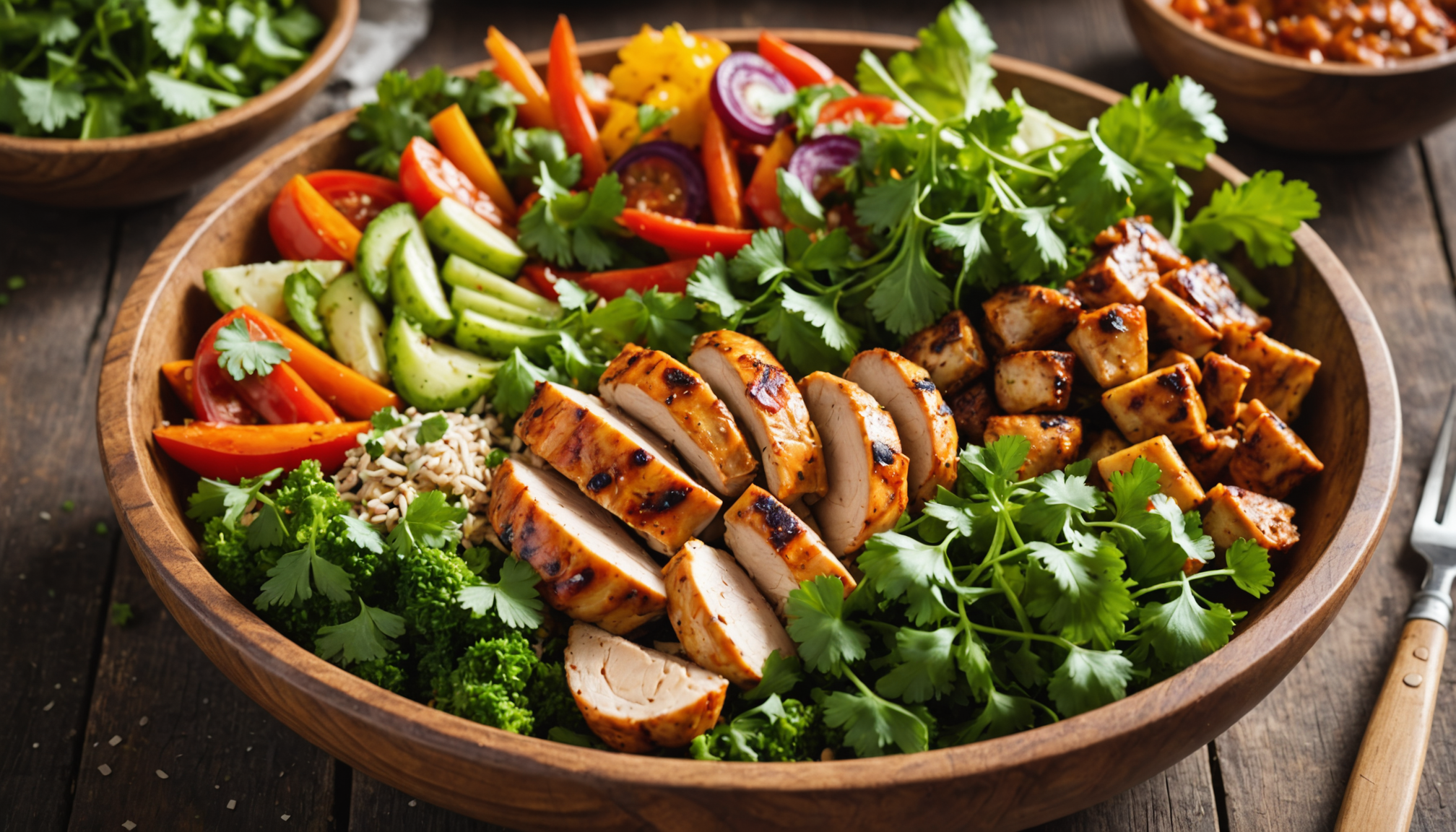
When it comes to enhancing the flavor profiles of your meat bowls or vibrant veggie creations, seasonings play a crucial role. The right spices and herbs can transform a simple dish into a gourmet experience, elevating your healthy dinners with minimal effort. Understanding how to best pair these flavors with your ingredients is essential for any foodie looking to impress their family or simply enjoy a delightful meal.
Begin by stocking your pantry with a diverse range of herbs and spices. Opt for organic versions whenever possible to avoid unwanted additives and ensure you’re getting the best possible flavor. Some essential seasonings to consider include:
- Garlic Powder: A great option for adding depth, it can enhance everything from proteins to veggies.
- Ground Cumin: Ideal for adding a warm, earthy flavor, especially to dishes featuring beans and grains.
- Italian Herbs: A blend of dried basil, oregano, and thyme can bring a Mediterranean flair to your bowls.
- Smoked Paprika: This adds a rich, smoky flavor and a beautiful color, perfect for grilled items.
- Chili Flakes: For those who enjoy a bit of heat, a sprinkle can liven up any dish.
Herbs should not be overlooked either; fresh herbs such as cilantro, parsley, and basil can make an enormous difference. To get the most flavor from fresh herbs, add them at the end of cooking or as a garnish. Consider growing your own herb garden, even a small windowsill setup can provide you with fresh herbs while saving money on store-bought options.
When preparing your meat bowls, marinating proteins is an effective way to infuse flavor. A simple marinade can consist of olive oil, lemon juice, and a selection of your favorite herbs and spices. Allow your meat or plant-based protein to marinate for at least 30 minutes—your taste buds will thank you!
For those interested in the vegan route, exploring new flavor profiles can be a fun culinary adventure. Ingredients like nutritional yeast add a cheesy flavor without the dairy, while miso paste can impart a rich umami essence. Coconut aminos, a soy sauce alternative, can offer a savory depth while keeping it gluten-free. Don’t hesitate to experiment with international flavors such as Thai, Indian, or Mexican spices to jazz up your bowls.
Don’t forget the importance of experimenting with acid to balance and brighten your dish. A splash of vinegar or a squeeze of citrus can elevate the flavors by adding a vibrant contrast. Consider serving your bowls with a side of pickled vegetables or a tangy homemade dressing for that extra kick.
From herbs to spices, the possibilities are endless when it comes to flavoring your meat bowls or healthy dinners. The key is to engage your senses and have fun with the process. Gradually discover what combinations excite your palate and don’t shy away from trying something new. With each culinary adventure, you’ll enhance not only your meals but also your cooking skills, empowering you to create delicious organic recipes that delight at every turn.
Nutritional Values: Understanding the Health Benefits
Understanding the nutritional values of your meals is essential for maintaining a balanced diet and supporting overall health. When you choose organic meat and veggie bowls, you not only invest in flavor but also reap numerous health benefits that come from consuming high-quality ingredients. Organic foods are often higher in essential nutrients, making them a fantastic choice for anyone looking to enhance their well-being.
One of the most significant advantages of organic ingredients is their higher antioxidant content. Antioxidants are compounds that combat free radicals in the body, potentially reducing the risk of chronic diseases such as heart disease, diabetes, and certain cancers. Organic fruits and vegetables are typically grown in healthier soil without harmful pesticides, allowing them to develop more potent antioxidants compared to their conventional counterparts. For example, organic berries, which are vital components in many meat bowls, are known to be exceptionally rich in anthocyanins, providing both vibrant color and health benefits.
Additionally, the consumption of organic meat has been linked to better overall health outcomes. Organic livestock are raised without the routine use of antibiotics and growth hormones, leading to leaner meat with fewer chemical residues. This can support heart health and reduce the risk of antibiotic resistance, which is a growing concern in today’s food supply. Grass-fed organic beef, for instance, is not only higher in omega-3 fatty acids but also provides a greater concentration of conjugated linoleic acid (CLA), a fatty acid associated with a range of health benefits, including improved metabolism and body composition.
Incorporating organic vegetables into your meals can enhance your intake of vital vitamins and minerals. Leafy greens such as kale and spinach, often featured in veggie bowls, offer abundant vitamins A, C, and K, along with important minerals like iron and calcium. When consumed regularly, these nutrients contribute to improved immune function, stronger bones, and better skin health.
Moreover, the fiber content in organic grains and legumes cannot be neglected. Foods such as quinoa, chickpeas, and brown rice not only provide energy but also aid in digestion and help regulate blood sugar levels. This makes them ideal components for any healthy dinner, offering sustained energy throughout the day while helping to maintain a healthy gut microbiome.
In a world filled with processed foods, choosing organic ingredients paves the way for greater nutritional awareness and healthier eating habits. By prioritizing these high-quality foods in your meat bowls or veggie-centered dishes, you’re setting the stage for vibrant health, improved well-being, and a sustainable food environment.
“Eating organic is not just a trend; it’s a healthy lifestyle choice that nourishes both the body and the planet.”
When you combine organic ingredients with mindful meal preparation, you’re not only enjoying the best flavors but also fueling your body with the nutrients it needs to thrive. The careful selection of organic produce, proteins, and grains will empower you to create delicious and nutritious meals that support your health goals and inspire a deep appreciation for wholesome eating.
Meal Prep: Tips for Convenience and Freshness
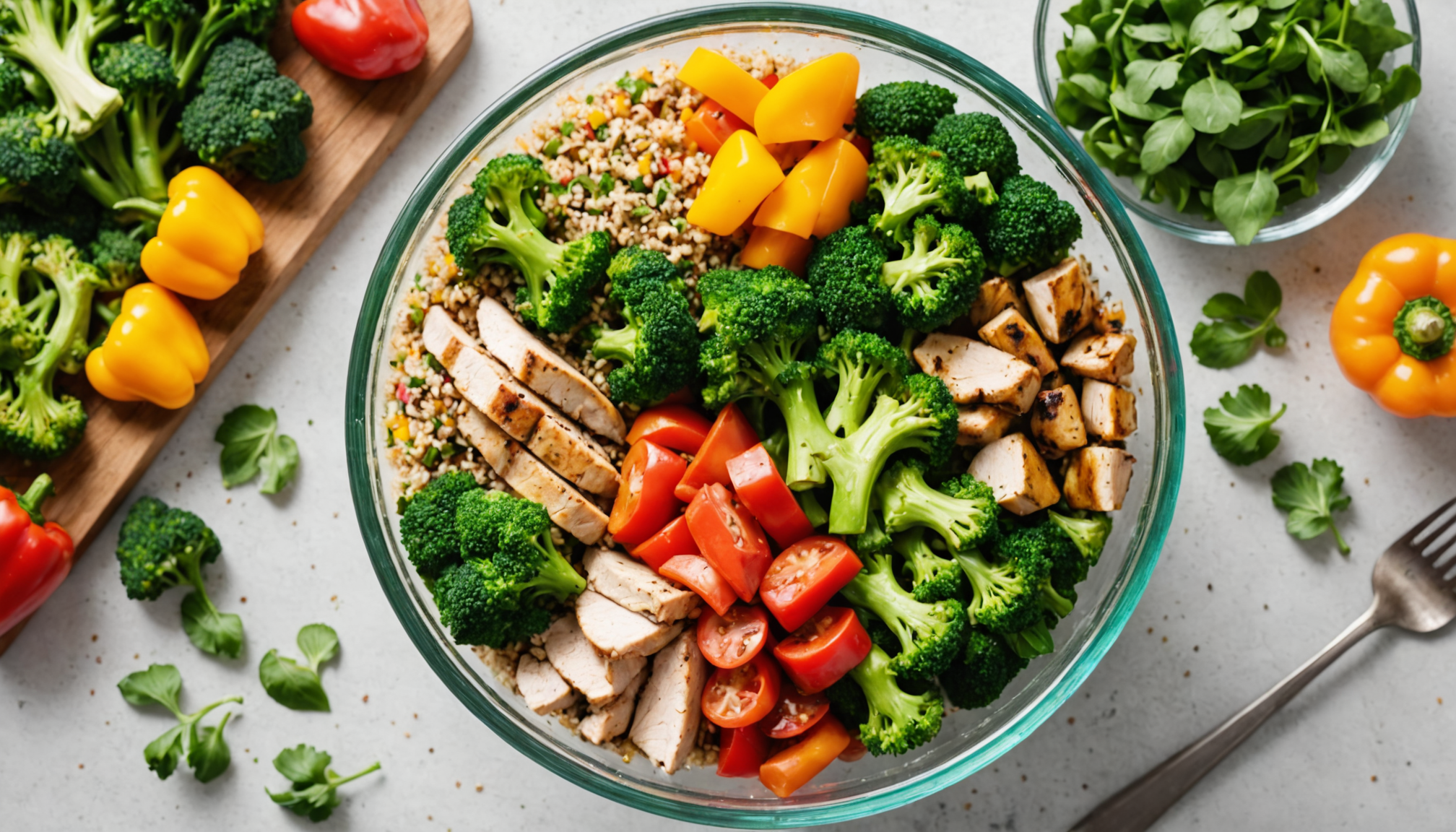
Efficiency in meal prep can be a game-changer in maintaining a healthy eating routine, especially when it comes to preparing vibrant meat bowls or wholesome veggie combinations. With a few strategic steps, you can streamline your cooking process and keep your meals fresh throughout the week. The key lies in planning, organizing, and knowing how to store your ingredients effectively.
First, consider dedicating a specific day each week for meal prep. This can be as simple as a couple of hours on a Sunday afternoon. During this time, you can wash, chop, and store vegetables in airtight containers for easy use during the week. Not only does this save time, but it also prevents spoilage and makes assembling your meals effortless—a crucial factor when you’re busy during the week.
Batch cooking is another invaluable strategy. Cook larger quantities of grains, such as quinoa, brown rice, or farro, at once. You can store these in the fridge for up to five days, making it easy to grab a quick base for your meat bowls. Similarly, consider roasting or grilling a selection of seasonal vegetables that can be used diversely in various meals. This adds convenience while introducing a variety of flavors to your diet.
For proteins, marinating and cooking in bulk can reduce your cooking time significantly. Preparing grilled chicken, tofu, or tempeh in larger portions allows you to incorporate these proteins into your dinners throughout the week. Just ensure you store them properly in sealed containers to maintain freshness and flavor. Building a repertoire of marinades can also keep these proteins exciting; try using combinations of olive oil, herbs, and citrus juices that can be tailored to any dish.
Freezing is another effective preservation method. If you have leftovers or cooked grains that may not get eaten in time, freeze them in individual portions. This not only helps reduce food waste but also offers ready-to-eat options on busy nights when cooking from scratch could be challenging. Just be sure to label your containers with dates to keep track of their freshness.
Integrating variety into your meals can also enhance the joy of eating. Switch up your ingredients each week, opting for different vegetables, grains, and proteins. This not only introduces new flavors and textures but also ensures that you’re consuming a wide range of nutrients. Play with themes too—perhaps one week could be Mediterranean-inspired, while the next features Asian flavors. Maintaining flexibility in your meal prep will keep it engaging and enjoyable.
Lastly, stay organized with your meal prep by utilizing clear storage containers, which can help you better visualize everything you have on hand. Incorporating a meal planning app or even a simple notepad can assist in jotting down ideas, ensuring you make the most out of what you purchase and prep.
- How long can I store prepared meal bowls in the fridge?
- Prepared meal bowls can typically be stored in the fridge for up to 4-5 days. However, it’s best to keep the components separate until you’re ready to eat to maintain freshness and prevent sogginess.
- What are the best vegetables for meal prep?
- Vegetables like bell peppers, broccoli, zucchini, and carrots are great for meal prep as they hold up well when cooked or raw. Leafy greens can also be prepped ahead but are best added fresh to maintain texture.
- Should I wash and chop vegetables before storing them?
- Yes, washing and chopping vegetables before storing can save time during the week. Just ensure they’re fully dried to avoid extra moisture, which can lead to spoilage.
- Can I freeze cooked meat and veggies?
- Absolutely! Cooked meats and veggies can be frozen for later use. Just make sure to cool them completely before placing them in airtight containers or freezer bags to prevent freezer burn.
- How do I reheat frozen meal prep bowls?
- The best way to reheat frozen meal prep bowls is to thaw them overnight in the fridge, then reheat in the microwave or on the stove until heated through. You can also use an oven for even heating.
- What type of containers are best for meal prep?
- Opt for BPA-free plastic or glass containers with tight-fitting lids. Glass containers are particularly good for microwaving and help maintain the quality of food over time.
- Can meal prep help in maintaining a balanced diet?
- Yes, meal prep can significantly aid in maintaining a balanced diet as it encourages planning and portion control, allowing you to make healthier choices more conveniently throughout the week.
Recipe Variations: Creative Ideas for Every Palate
When it comes to creating exciting and diverse meat bowls or veggie-centric meals, recipe variations are key to keeping your plates vibrant and your taste buds engaged. The beauty of a bowl lies in its flexibility; you can mix and match numerous ingredients, experimenting with flavors and textures to cater to every palate in your family. Here are some creative ideas to transform your healthy dinners into culinary adventures.
Consider starting with a base of grains or leafy greens. While quinoa and brown rice are staples, don’t shy away from experimenting with unexpected options like millet or farro. For a refreshing twist, try using a base of zoodles (zucchini noodles) or a hearty bed of kale massaged with olive oil and lemon juice. Each choice offers distinct textures and flavors that can drastically change the personality of your dish.
- Mediterranean Bowl: Start with quinoa as your base, then layer in grilled chicken or roasted chickpeas. Add diced cucumbers, cherry tomatoes, red onions, and top it off with feta cheese and a drizzle of tahini dressing.
- Asian-Inspired Bowl: Use brown rice or cauliflower rice as the foundation. Incorporate teriyaki-glazed tofu or salmon, along with steamed broccoli, snap peas, and shredded carrots. Finish with sesame seeds and a sprinkle of green onions for added crunch.
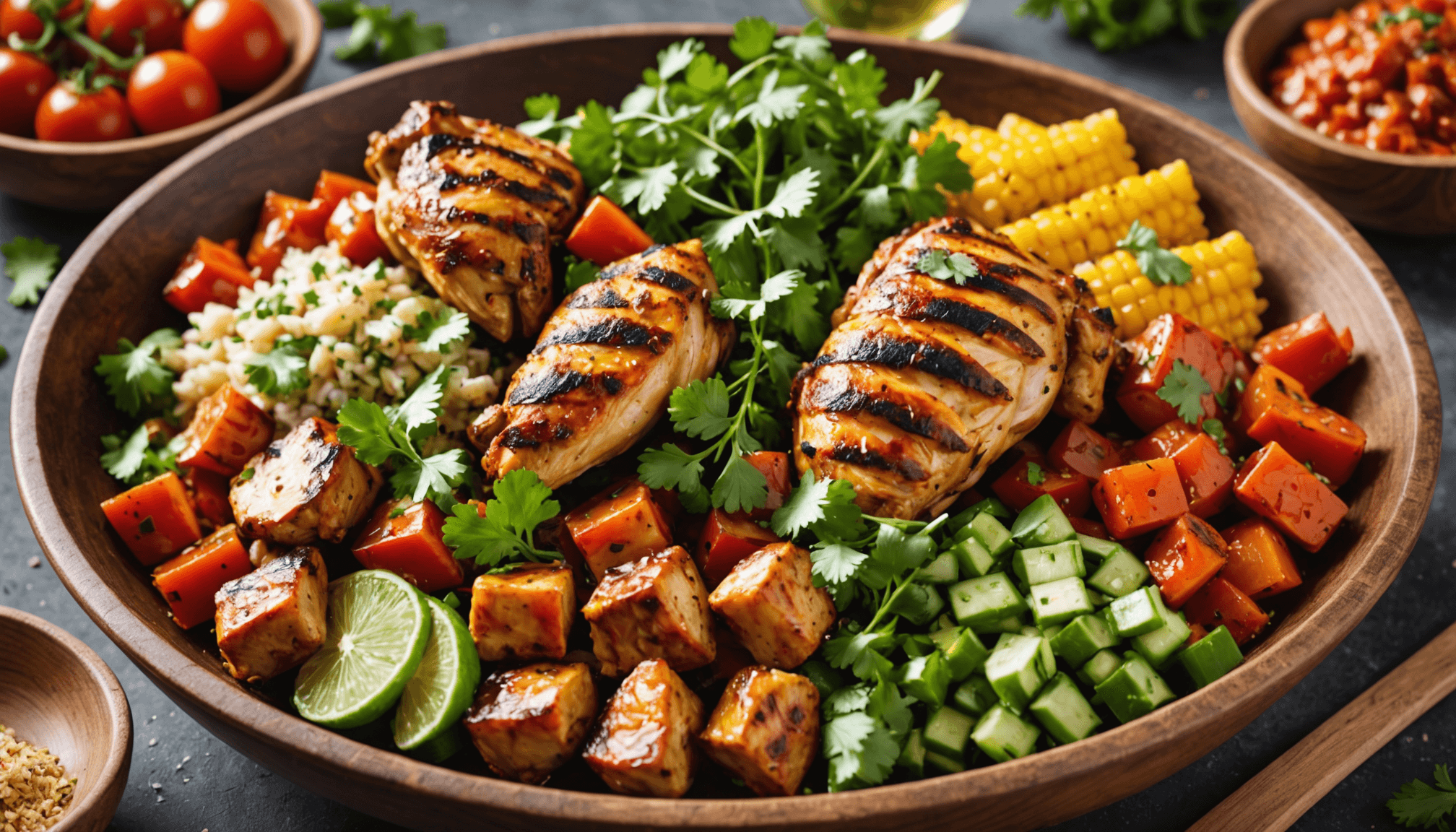
- Southwestern Bowl: Opt for a base of black beans or brown rice, pile on roasted sweet potatoes, corn, diced bell peppers, and avocado. A dollop of spicy salsa and a squeeze of lime juice can elevate the bold flavors.
- Vegan Buddha Bowl: Build a nourishing bowl with quinoa topped with sautéed kale, roasted beets, and creamy avocado slices. Add hemp seeds or walnuts for crunch and nutritional yeast for a cheesy flavor without dairy.
Next, don’t underestimate the power of sauces and dressings in adding complexity to your meals. A vibrant homemade dressing can be as simple as blending olive oil, vinegar, and a medley of herbs. For a zesty kick, try a chipotle-infused yogurt or a lemon-tahini dressing that enhances both flavor and nutrition. Keeping a few versatile dressings handy in your fridge can quickly transform your bowls from mundane to memorable.
Another consideration is seasonal ingredients. Embrace what’s fresh and in-season at your local farmers’ market. For instance, during summer, you might find fresh corn and juicy peaches that can be grilled and added to your meat bowls, while autumn welcomes roasted pumpkin and Brussels sprouts, perfect for cozy comfort meals. Tailoring your meal components around seasonal produce not only adds a dynamic contrast but can also be budget-friendly.
In an increasingly plant-based world, experimenting with alternative proteins can add a delightful twist. Try swapping out chicken for jackfruit for a pulled “pork” texture or using tempeh marinated in barbecue sauce for a smoky flavor. Using lentils or beans can also serve as hearty and protein-packed options that please both vegans and meat-eaters alike.
As you explore different variations, consider making it a family activity. Allow everyone to assemble their bowls, fostering creativity and encouraging children to engage with healthy ingredients. This could lead to new favorite combinations, making healthy dinners a fun and collaborative experience.
Emphasizing presentation can also enhance anticipation for your meals. Layer colorful ingredients and keep things visually appealing to stimulate appetites. Vibrancy on the plate often translates to freshness in taste and can elevate your overall dining experience.
With so many possibilities at your fingertips, the key to recipe variations lies in your willingness to mix and match ingredients. By curating organic recipes that incorporate diverse flavors and textures, you can reinforce your family’s commitment to healthy eating while satisfying an array of preferences—all while enjoying delicious meat bowls that are anything but boring!
New Customers Offer!
Free Gift for the new customer
$24 Value, When You Subscrib Visit Thrive Market