- Dairy-free cooking essentials
- Nutritious ingredients for organic dinners
- Hearty dairy-free dinner recipes
- Quick and easy meals for busy nights
- Meal planning for a dairy-free lifestyle
- Tips for enhancing flavor without dairy
When venturing into the world of dairy-free cooking, it’s crucial to equip your pantry with the right dairy-free meals essentials. Start by selecting a variety of plant-based milks, such as almond, coconut, soy, or oat milk. These alternatives not only provide the creaminess you may miss but are also rich in nutrients and can often be found organic. Look for fortified options that include calcium and vitamins D and B12, crucial for maintaining your overall health.
Another staple to consider is a selection of nuts and seeds. Almonds, cashews, sunflower seeds, and chia seeds are not only nutritious but versatile, offering excellent sources of protein and healthy fats. Use them in smoothies, as toppings for salads, or blended into sauces. Just ensure they’re raw or lightly toasted to retain their health benefits.
Don’t forget about legumes, especially for their protein-rich content. Beans (like black beans and chickpeas), lentils, and peas can be used to whip up filling dishes, such as stews and salads. They are perfect as fillers for your organic cooking and can be conveniently purchased canned (just be sure to look for those without added sodium) or dried.
In the realm of grains, opt for whole grains like quinoa, brown rice, and millet. These grains strike a balance of being budget-friendly and nutritious, ensuring your meals are wholesome without breaking the bank. They also make for excellent bases for your dairy-free dinners.
When shopping online or in-store, keep an eye out for organic produce. Fresh fruits and vegetables should take center stage in your shopping cart. Things like leafy greens, avocados, and seasonal veggies not only enhance your meals’ flavor but also provide essential vitamins and minerals. Visit local farmer’s markets, which often provide fresher selections and sometimes lower prices compared to supermarket chains. Supporting local farmers not only helps your community but often benefits you with fresher and more flavorful options.
For those shopping online, always check reviews and ratings for the products, and ensure you’re buying from reputable sources. Many online grocery platforms now offer image verification, ensuring that what you see is exactly what you get. Additionally, be wary of international sellers that may not meet the same food safety standards.
Finally, be mindful of ingredient labels when shopping for packaged items. Look for products that contain minimal additives and preservatives, steering clear of anything that includes high-fructose corn syrup or artificial flavorings. A good rule of thumb is to look for foods with fewer than ten ingredients, ideally ones you can pronounce.
By stocking up on these essentials and being mindful of where you shop, you’re setting yourself up for success in creating delicious, healthy eating experiences that are nourishing and enjoyable for the whole family.
Nutritious ingredients for organic dinners
A pivotal aspect of crafting nutritious, dairy-free organic dinners lies in selecting ingredients that not only enhance the flavor but also contribute to overall health. Various categories of food can be incorporated into meals, all of which can foster a wholesome approach to eating.
Fruits and vegetables should form the backbone of your organic dinners. They are naturally rich in essential vitamins, minerals, and antioxidants necessary for good health. Aim to include a rainbow of colors on your plate. For instance, dark leafy greens such as kale, spinach, and Swiss chard provide iron and calcium, while orange and yellow vegetables like sweet potatoes and bell peppers are excellent sources of beta-carotene, which supports eye health. Here is a comparison of some common fruits and vegetables, highlighting their nutritional benefits:
| Food Item | Nutritional Highlights | Use in Dairy-Free Meals |
|---|---|---|
| Spinach | Rich in iron, vitamins A and C | Use in salads, smoothies, or sautéed dishes |
| Sweet Potato | High in fiber and vitamin A | Great for mashes, baking, or as fries |
| Quinoa | Complete protein source, gluten-free | Excellent base for salads or grain bowls |
| Avocado | High in healthy fats, vitamin E | Add to salads, spreads, or smoothies |
| Frozen Berries | Rich in antioxidants and vitamin C | Perfect in smoothies or as toppings for oats |
Furthermore, exploring grains will provide both health benefits and texture to your meals. Brown rice, farro, and bulgur are packed with fiber and can be used in various dishes. Whole grains help keep your body full longer and promote healthy digestion, making them excellent choices for organic cooking. Be sure to explore different grains, both in terms of taste and nutritional composition, as this can elevate your healthy eating routines.
In addition to fruits, vegetables, and grains, don’t overlook the importance of healthy fats and proteins, both of which can help make your meals more satisfying. Olive oil, for instance, is a staple worth having on hand. It can be used in dressings, drizzled on roasted vegetables, or used for sautéing. Moreover, incorporating legumes, such as chickpeas, lentils, and black beans, can significantly boost your meal’s protein content, making it heartier without the need for dairy.
When focusing on organic ingredients, prioritize those that are seasonal, as they tend to be more flavorful and nutrient-dense. Checking local farmers’ markets or joining a community-supported agriculture (CSA) program could provide fresh selections while supporting your local economy.
Ultimately, the key to successful dairy-free organic dinners lies in the rich tapestry of ingredients available. By thoughtfully combining fruits, vegetables, grains, healthy fats, and proteins, you set the stage for nutritious and delicious meals that cater to a dairy-free lifestyle and promote overall well-being.
Hearty dairy-free dinner recipes

When it comes to putting together hearty dairy-free dinner recipes, there is an abundance of ingredients to choose from that will not only satisfy hunger but also serve your health goals. One of the best approaches is to think about combining flavors and textures that create a fulfilling and nutritious dish for the entire family.
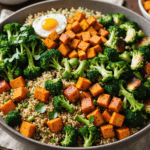
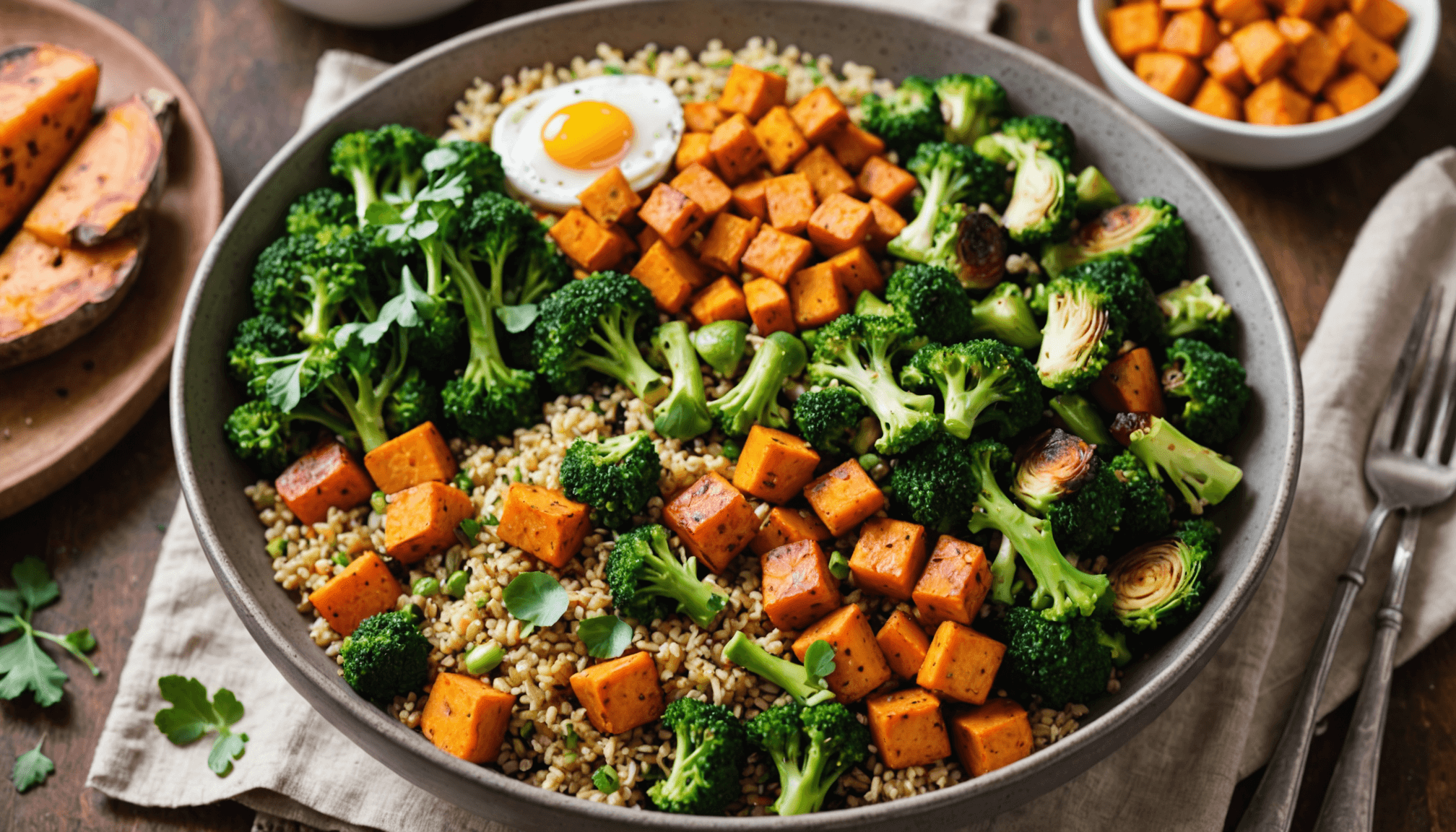
Start by considering a base for your dinner – grains and legumes are fantastic options here. Quinoa is particularly popular due to its complete protein content. Prepare a quinoa bowl topped with roasted vegetables such as sweet potatoes, Brussels sprouts, and broccoli. The sweetness of the sweet potatoes complements the slight bitterness of Brussels sprouts, creating a delightful harmony on your plate. Use spices like paprika and garlic powder to season them before roasting for an added flavor punch.
Chickpeas also deserve a shout-out in hearty dinner recipes. These versatile legumes can be transformed into a creamy chickpea curry. Simply sauté onions, garlic, and ginger, add spices such as cumin and coriander, and toss in canned tomatoes and drained chickpeas. Simmer for a while and finish with spinach for an extra nutrient boost. Serve this curry over brown rice or with whole-grain naan for a satisfying meal. By making use of canned chickpeas, you cut down on cooking time while still enjoying nutrient-dense food.
Vegetables should not be an afterthought either. Don’t hesitate to throw together a vibrant stir-fry brimming with colorful veggies. Carrots, bell peppers, and snap peas stir-fried in sesame oil and finished with a splash of soy sauce or tamari can make for a quick yet hearty dinner. Pair this with tofu for added protein, or if you’re seeking something more substantial, toss in some edamame or lentils for a filling dish.
To further enhance flavors without dairy, consider using nutritional yeast. This deactivated yeast has a cheesy flavor and can be sprinkled on popcorn or mixed into sauces for that umami kick. Mixing it with a little bit of avocado or cashew cream can replicate the creamy texture often sought in dairy meals, but with a dairy-free twist.
Don’t forget about the importance of herbs and spices. Fresh basil, cilantro, or parsley can elevate your dish and provide freshness. Spices such as turmeric or curry powder not only add warmth but also contribute anti-inflammatory properties, making your meals nourishing. A sprinkle of lemon juice can brighten up your dishes, making them feel more vibrant and enjoyable.
When compiling your grocery list for these recipes, focus on acquiring organic produce when possible. Not only do organic fruits and vegetables support healthy eating habits, but they also reduce exposure to harmful pesticides. Moreover, buying local or in-season vegetables often means they are fresher and packed with flavors, amplifying the taste of your dishes.
If you are shopping online for these ingredients, prioritize picking items from trusted brands with good reviews. Check for seals of quality on packaging to guarantee that you are getting the best products. Safety first! Always inspect food items for any signs of damage or spoilage when you receive them, as this can sometimes occur in transit.
By focusing on hearty ingredients, exploring different cooking methods, and being mindful of your purchases, crafting delicious dairy-free dinners becomes stress-free and enjoyable. With these tips, you’re well-equipped to create outstanding meals that won’t disappoint your taste buds or your health goals.
Quick and easy meals for busy nights
Quick and easy dinners can be a lifesaver during busy nights, providing the convenience we need without compromising on nutrition or flavor. One excellent option is a one-pan meal, which minimizes both prep time and cleanup. Start with a base of protein and colorful vegetables, tossing everything together with olive oil, salt, and your favorite herbs. A delicious combination could include sliced chicken breast or firm tofu, alongside bell peppers, zucchini, and asparagus. Roast it all in the oven for about 25 minutes at 400°F, and you’ll have a satisfying and nourishing dinner that practically cooks itself.
Another quick approach is using pre-cooked grains like quinoa or brown rice, which can be found in frozen or ready-to-eat packets. Simply microwave these grains as your base, and top with a quick sauté of veggies – think mushrooms, spinach, and garlic. Add canned black beans for protein, and finish with a drizzle of balsamic vinegar or a sprinkle of nutritional yeast for an umami flavor.
Stir-fries make for versatile and speedy meals. With just a bit of oil in the pan, you can quickly cook up whatever vegetables you have on hand, such as broccoli, carrots, and snap peas, and combine them with a source of protein like shrimp, tempeh, or even leftover roasted chicken. Season with soy sauce, ginger, or any other preferred spices, and serve over a bed of rice or quinoa for a complete, healthy meal in under 30 minutes.
For nights when you need something even more hands-off, consider prepping a large batch of a dairy-free soup or stew on the weekend. A hearty lentil soup with carrots, celery, and spices such as cumin and coriander can simmer gently on the stove. Package individual servings to heat up throughout the week, ensuring you have nutritious, comforting meals ready in mere minutes.
Additionally, wraps can also serve as a quick meal option. Use whole-grain tortillas filled with hummus, fresh vegetables, and protein sources like grilled chicken or chickpeas. These wraps are easy to assemble and can be enjoyed cold or warmed up, making them perfect for on-the-go dinners.
For those nights when cooking isn’t an option at all, having a stash of frozen meals is a wise choice. Many brands now offer organic, dairy-free meals that can be a lifesaver when time is tight. Just check the labels to ensure they align with your healthy eating goals, focusing on options with wholesome ingredients and minimal additives.
“Quick meals can still be packed with flavor and nutrition, providing you with the sustenance needed for a busy lifestyle.”
With these quick fixes, you can enjoy a variety of dairy-free meals that fit perfectly into your hectic schedule without sacrificing your dietary preferences or taste.
Meal planning for a dairy-free lifestyle
 Meal planning is an essential strategy for maintaining a sustained dairy-free lifestyle while ensuring that your meals are nutritious, flavorful, and satisfying. One of the first steps in effective meal planning is to set aside time each week to create a menu based on seasonal, organic ingredients that excite your palate. This not only helps in utilizing what you already have on hand but also encourages diversity in your meals, preventing monotony.
Start by assessing your dietary needs and preferences, then consider crafting a weekly meal plan that includes a variety of food groups: fruits, vegetables, whole grains, healthy fats, and protein sources. Create a balance between quick meals for busy weekdays and more elaborate dishes for leisurely weekends. Utilizing themes for each day can also add structure and creativity to your weekly planning. For instance, you might designate ‘Meatless Mondays’ or ‘Taco Tuesdays’ to streamline your grocery shopping and cooking process.
Make your shopping list based on your meal plan, focusing on purchasing fresh, organic produce that aligns with your recipes. Prioritize items that are on sale or in season to manage costs while maximizing taste. When grocery shopping, choose versatile ingredients that can serve multiple purposes throughout your week. For example, if you buy quinoa, it can be used in salads, bowls, or as a side dish, providing you with endless possibilities. Incorporate enough staple items such as canned legumes, frozen fruits, and vegetables that can easily be assembled regardless of your schedule.
Prepare as much as you can in advance. Pre-chop vegetables, batch cook grains, and even marinate proteins ahead of time. These small steps can greatly reduce cooking time throughout the week and help you stick to your meal plan. You can also designate a few hours during your weekend for meal prepping larger dishes like soups or curries, which can be portioned out and frozen for later.
Additionally, utilizing storage-friendly containers is key to maintaining your organized meal prep. Glass containers with individual compartments can easily separate components of your meals, making it simple to reheat and enjoy healthy dairy-free meals throughout the week. Label your containers with dates to keep track of freshness, ensuring you maximize the quality of your meals.
In an era where convenience is often prioritized, meal planning invites a proactive approach that enhances healthy eating habits. It urges you to make thoughtful choices in the kitchen while actively engaging with your dietary preferences. As you experiment with various recipes and materials, consider exploring new cultures’ dishes that can fit within your dairy-free lifestyle. This can lead to delightful culinary discoveries and an enriching dining experience for you and your family.
- What is the best way to start meal planning for a dairy-free lifestyle?
- Begin by assessing your dietary needs and preferences, then craft a weekly menu featuring a variety of food groups. Focus on including seasonal, organic ingredients and create a shopping list based on your planned meals.
- How can I make meal prep easier during busy weeks?
- Prepare as much as you can in advance by chopping vegetables, batch cooking grains, or marinating proteins ahead of time. Dedicate time during the weekend for significant meal prep, such as cooking large dishes that can be frozen for later use.
- Are there convenience options for dairy-free meals?
- Yes, there are various brands that offer convenient, pre-packaged organic dairy-free meals. However, always check the labels for unhealthy additives and ensure they align with your dietary goals.
- How can I shop cost-effectively for organic ingredients?
- Look for items that are on sale, buy seasonal produce, and purchase versatile ingredients that can be used in multiple recipes to minimize waste. Farmer’s markets might also offer better deals compared to grocery stores.
- Can meal planning help reduce food waste?
- Absolutely! By planning meals, you can better utilize ingredients, preventing unnecessary spoilage. It leads to a more organized cooking process and encourages you to use what you already have on hand.
- What are some easy dairy-free recipes to include in my meal plan?
- Consider incorporating quinoa bowls, chickpea curries, vegetable stir-fries, and hearty soups. These meals are not only nourishing but can be easily adjusted based on the ingredients available.
- How important is it to label food containers when meal prepping?
- Labeling food containers with dates is crucial for tracking freshness and ensuring you consume meals while they are still safe to eat. This helps manage your meals effectively and reduces food waste.
Tips for enhancing flavor without dairy
Enhancing flavor without dairy is an art form that requires a little creativity and a keen sense of taste. As you navigate the world of dairy-free cooking, it’s essential to explore various ingredients and flavor combinations that can transform your meals into delightful dishes. Start by stocking your spice rack with essentials such as garlic powder, onion powder, cumin, smoked paprika, turmeric, and chili powder. These spices add depth and warmth to your meals without the need for dairy, providing an aromatic base to your dishes.
Incorporating fresh herbs can make a significant difference in flavor. Herbs like basil, cilantro, dill, and parsley not only enhance the taste but also bring a vibrant, fresh appeal to your meals. Add them during cooking for a deeper flavor or use them as a garnish to finish off a dish. Black pepper and a squeeze of lemon or lime can also work wonders to elevate flavors, brightening rich mixtures and leaving your taste buds satisfied.
An essential ingredient to consider is nutritional yeast, a deactivated yeast that offers a cheesy flavor similar to Parmesan. Sprinkle it on popcorn, salads, or pasta, and you have a satisfying dairy-free umami boost. It’s also a great addition to sauces or dressings, where its creamy texture can replace dairy. If you’re making a creamy sauce, blending soaked cashews with water, nutritional yeast, garlic, and lemon juice can create a delicious cashew cream that enhances your dishes remarkably.
For those looking for a creamy texture, consider ingredients like avocados or silken tofu. Avocado mashes beautifully into dressings or spreads, giving richness without any dairy. Silken tofu can be blended into smoothies or soups for added creaminess without overpowering the flavor profile.
Don’t overlook the power of citrus; lemon, lime, or even orange zest can heighten the taste of your dishes. They help cut through richness and balance flavors, making a meal feel lighter and more flavorful. Experimenting with various vinegars—such as balsamic, apple cider, or rice vinegar—can also introduce a tangy kick that mimics the sharpness often provided by dairy products.
If you’re concocting sauces or dressings, blending a mix of tahini with garlic, lemon juice, and a little water can create a luscious and creamy consistency, perfect for drizzling over salads or grain bowls. Similarly, using almond butter or peanut butter in stir-fries or as a base for sauces can add both flavor and richness without using dairy.
When shopping, look for sauces like coconut aminos or tamari that can replace soy sauce and are typically gluten-free. These alternatives offer nuanced, savory flavors that enhance the overall taste of your meals.
Lastly, be adventurous with your ingredients; exploring global cuisines can provide unexpected flavor pairings that highlight the absence of dairy. Indian spices, Mediterranean herbs, and Southeast Asian flavors invite a world of taste to your dairy-free dishes, ensuring every bite is packed with complexity.
By embracing these strategies and continuously playing with flavors, you will discover that dairy-free cooking can be both flavorful and satisfying. This approach will aid in your journey toward healthier eating and organic cooking, transforming each dinner into a delightful experience for you and your family.
New Customers Offer!
Free Gift for the new customer
$24 Value, When You Subscrib Visit Thrive Market