- Nutritional Benefits of Dairy-Free Meals
- Choosing Organic Ingredients
- Quick and Easy Dinner Recipes
- Meal Prep Tips for Busy Weeknights
- Flavorful Dairy Alternatives
- Satisfying Side Dishes to Complete Your Meal
When stepping into the grocery store or perusing online, being mindful of your selections can transform your meals into nourishing experiences, especially when focusing on dairy-free meals. Start by making a list to avoid impulse buys, ensuring that every item you purchase is aligned with your healthy eating goals.
First, consider exploring the produce section. Fresh fruits and vegetables should be your primary focus. Aim for seasonal and local produce, which is often more flavorful and affordable. For instance, buy ripe avocados in the spring or juicy tomatoes in the summer, maximizing both taste and value. These can serve as bases for various dairy-free recipes, providing essential nutrients without the extra fat.
When in the grains aisle, opt for whole grains like quinoa, brown rice, and oats. Not only are these options filling and rich in fiber, but they also support sustainable farming practices when sourced from organic producers. Look for labels indicating organic cooking to ensure you are choosing grains that are free from harmful chemicals and pesticides.
If you’re inclined towards plant-based proteins, the legumes section is your go-to. Beans, lentils, and chickpeas are budget-friendly powerhouses, perfect for stirring into soups, salads, or making delightful burgers. Ensure that you check for BPA-free cans if you’re purchasing canned options, as this is crucial for your long-term health.
As you explore dairy alternatives, examine labels carefully. Products like almond milk, soy yogurt, and coconut cream are great substitutes, but pay attention to added sugars and preservatives that can sneak in. Opt for unsweetened varieties whenever possible. You can also find local brands that provide fresh, organic dairy alternatives to support your community while indulging in healthy eating.
Don’t forget about frozen fruits and vegetables; they are often picked at peak ripeness and flash-frozen, locking in nutrients. They offer convenience without sacrificing health, making meal preparation quicker, especially for those busy weeknights.
If you are shopping online, seek out reputable organic grocery suppliers that prioritize quality and safety. Look for companies that provide transparent sourcing information and have solid reviews regarding their practices. Always check return policies and understand shipping details to ensure fresh produce arrives at your door. Consider subscribing to local co-ops that can deliver seasonal baskets right to your home, giving you a taste of local flavors while saving you time and hassle.
Lastly, establish a good rapport with your local store employees; they can be a valuable resource for discovering new organic products, local offerings, and even recipes to try, making your grocery shopping not only a task but also an enjoyable experience. Embracing these strategies can enhance your journey in the world of dairy-free and healthy eating, ensuring that nutrition remains both delightful and accessible.
Choosing Organic Ingredients
Choosing organic ingredients is fundamental for anyone aiming to elevate their culinary experience, particularly when focusing on dairy-free meals. Opting for organic foods over conventionally grown options can make a significant difference in both health benefits and environmental impact.
Organic ingredients are cultivated without the use of synthetic fertilizers, pesticides, or genetically modified organisms (GMOs). This not only enhances the purity of what we consume but also supports sustainable farming practices that are kinder to the environment. The use of organic farming methods can lead to increased biodiversity, improved soil health, and a reduction in pollution, contributing to a planet that can support future generations.
When choosing organic ingredients, consider the Environmental Working Group’s annual list of the “Dirty Dozen” and “Clean Fifteen,” which highlights produce items with the highest and lowest pesticide residues, respectively. This information can help guide your shopping decisions by allowing you to prioritize which items should be organic for the best health outcomes.
| Dirty Dozen | Clean Fifteen |
|---|---|
| Strawberries | Avocados |
| Spinach | Sweet Corn |
| Kale | Pineapples |
| Nectarines | Onions |
| Apples | Asparagus |
| Grapes | Mangos |
Incorporating organic foods facilitates a more complex flavor profile in your dishes, which is particularly beneficial for those experimenting with dairy-free alternatives. Ingredients such as organic herbs and spices can dramatically enhance the taste of meals, enriching the overall dining experience. The preference for organic cooking also often leads to discovering unique, local ingredients that can transform standard recipes into something from the gourmet realm.
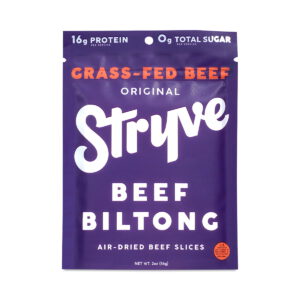
Additionally, selecting organic proteins—like grass-fed beef, free-range chicken, or sustainably sourced fish—ensures that you are consuming meats raised without antibiotics or growth hormones. Plant-based proteins, including organic legumes and tofu, provide essential nutrients vital to a balanced diet, specifically when pursuing healthy eating habits without dairy.
Monitoring the quality of oils and fats is just as crucial. Organic extra virgin olive oil, avocado oil, or even organic coconut oil can be great choices for cooking and dressings, contributing healthy fats that are beneficial for heart health. Avoid conventional oils that may contain hidden trans fats or are sourced from genetically modified crops.
Being conscientious about the selection of organic ingredients not only paves the way for healthier meals but also supports food systems that respect and preserve the environment. Ultimately, every organic item you choose contributes to your health and well-being, thereby enriching your journey in the world of dairy-free and healthy eating. Embrace the intricate flavors and nutritional benefits that organic ingredients bring to your dinner table, transforming each meal into a vibrant, healthful celebration.
Quick and Easy Dinner Recipes

When it comes to whipping up quick and easy dinner recipes, the best strategy starts with a well-stocked pantry and a bit of creativity. Focusing on dairy-free meals can be straightforward and fulfilling, especially when incorporating an array of colorful, nutrient-dense ingredients that will satisfy every member of the family.
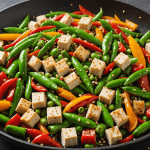
One of the quickest plans is to prepare a stir-fry with whatever fresh vegetables you have on hand. Fill your cart with seasonal favorites like bell peppers, zucchini, snap peas, and broccoli. Aim for produce with vibrant colors as these often indicate a higher nutrient content. Toss them in some avocado oil and sauté them quickly in a hot pan. Now, add your protein of choice—whether it’s tofu, tempeh, or chickpeas. Serve this dish over a bed of brown rice or quinoa for a complete meal that’s to be enjoyed in under 30 minutes.
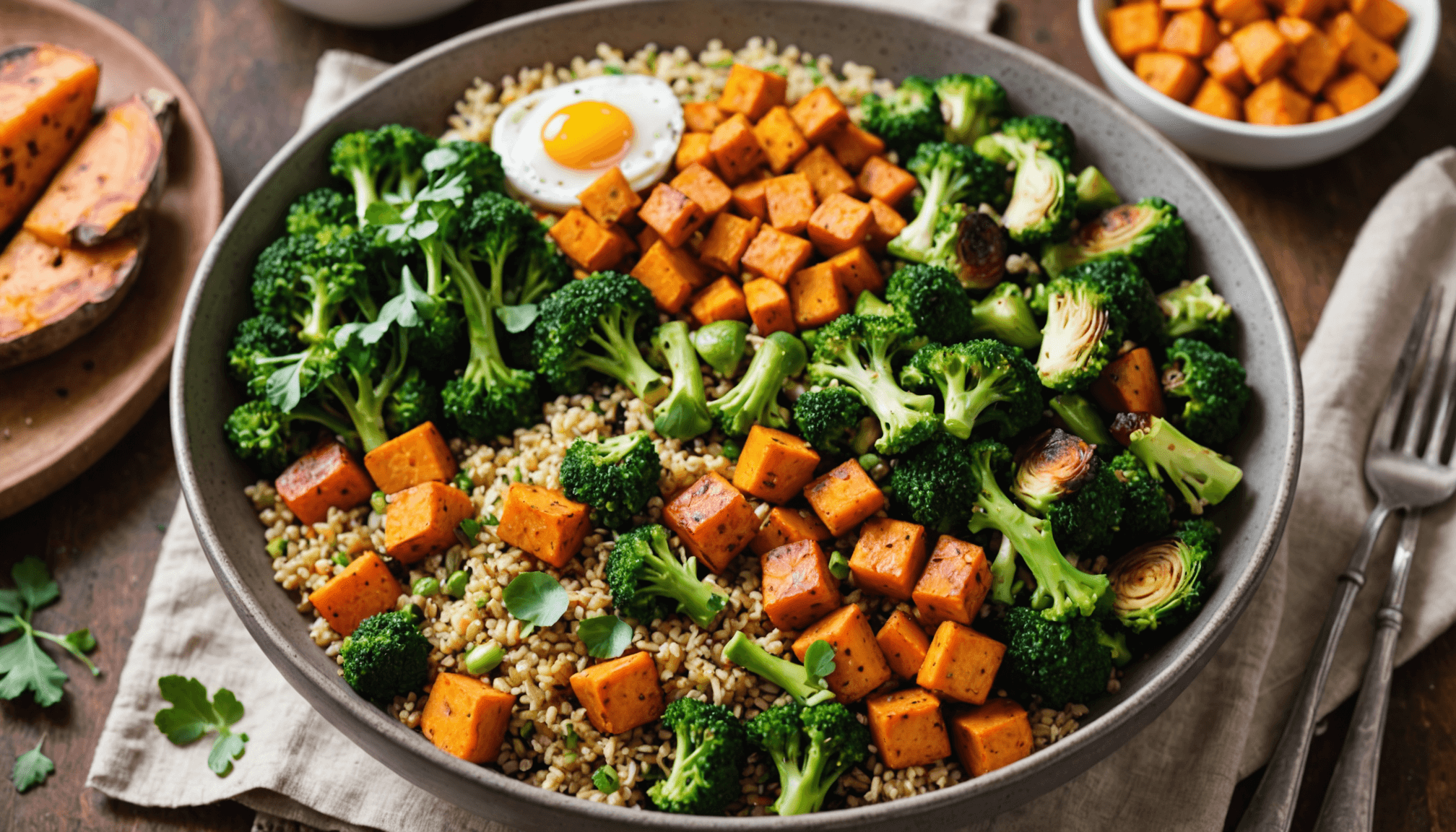
Another fantastic option is a grain bowl. Start with a base of cooked quinoa or farro, then layer in your favorite roasted veggies, which you can easily prepare when your schedule allows. Roasted sweet potatoes, brussels sprouts, or cauliflower mixed with a drizzle of tahini or lemon juice elevates this dish while keeping it simple. For those who seek a protein boost, a handful of black beans or edamame can contribute to a satisfying, hearty meal. Top it off with some chopped nuts or seeds for added crunch and healthy fats.
For nights when you crave something warm and comforting, a dairy-free chili is your go-to. Combine canned tomatoes, bell peppers, kidney beans, and corn with your favorite spices, such as cumin and paprika, and let it simmer to develop the flavors. This dish not only cooks in one pot but also allows for portioning and freezing leftovers, making it an excellent budget-friendly option.
Utilizing frozen fruits can also streamline your dessert prep—mix up a quick smoothie bowl by blending frozen bananas and berries with a splash of almond milk until smooth. Pour it into a bowl and top with granola, chia seeds, and a drizzle of nut butter for a healthful treat that feels indulgent.
Shopping for these ingredients requires a bit of strategy. When visiting your local grocery store, browse the bulk section for grains and spices—this can save money while allowing you to buy just the amounts you need. Online, be vigilant and select vendors that specialize in organic and vegan products, such as Thrive Market or Amazon Fresh. Check reviews, and make sure they have a reliable return policy if your produce doesn’t meet expectations.
For a wholesome approach, prioritize shopping at farmers’ markets or local co-ops where you can find fresh, organic produce at competitive prices. Not only do these options support local businesses, but they also tend to be harvested at peak ripeness, translating to better flavor and nutrition in your meals. Remember to take your reusable bags to reduce waste during your grocery runs!
By incorporating these ideas into your meal planning and shopping strategies, you can ensure that your family enjoys a variety of delicious, quick, and easy dairy-free dinners without compromising on health and flavor.
Meal Prep Tips for Busy Weeknights
Preparing meals during hectic weeknights doesn’t have to be overwhelming. With a bit of organization and some smart strategies, you can streamline your cooking process while ensuring your family enjoys delicious, nutritious dinners. Start by dedicating a specific time each week to meal prep; this allows you to batch-cook components of your meals, making it easier to assemble dinners on busy days.
Begin by cooking grains like quinoa or brown rice in larger batches. These can serve as the foundation for many dishes and keep well in the fridge for several days. Portion them into containers, making it easy to grab and mix with various proteins and vegetables throughout the week. When it comes to proteins, consider cooking a whole batch of chickpeas or lentils, which can be used in salads, grain bowls, or stir-fries. Keeping pre-cooked proteins on hand greatly reduces preparation time.
Another tip is to wash and chop your vegetables at the beginning of the week. Store them in airtight containers to maintain freshness. This not only saves time during cooking but also encourages healthy snacking throughout the week. When you’re ready to make dinner, all you have to do is grab your veggies, toss them in a pan, and add your pre-cooked grains and protein for a quick stir-fry or veggie sauté.
Slow cookers and pressure cookers can also be your best friends. Utilizing these appliances allows for effortless meal preparation; simply throw in your ingredients in the morning or at lunchtime, set the timer, and come home to a hot, ready meal. For example, a hearty dairy-free chili or stew can simmer all day, filling your home with delicious aromas while you go about your busy routine.
Don’t underestimate the power of leftovers. Cooking extra portions at dinner can provide a quick lunch option for the next day, reducing the need for cooking from scratch each evening. Embrace adaptable recipes that allow you to switch out ingredients based on what you have on hand, ensuring nothing goes to waste.
Additionally, investing in a good meal planning app or a simple calendar can help you visualize your week. By jotting down your meals ahead of time, you can strategically align grocery shopping with your cooking schedule, making it easier to stick to your health goals and keep your kitchen well-stocked with organic ingredients.
“Good planning is essential to success on busy nights!”
Make sure to have a designated cooking day or set aside time during weekends. Prepare larger recipes that can be portioned out for meals throughout the week. This not only saves time but also ensures you have healthy options ready without the temptation of quick, less nutritious alternatives. With these meal prep tips, you can bring the joy of healthy eating back to your weeknight dinners while enjoying the benefits of dairy-free meals.
Flavorful Dairy Alternatives
 Plant-based alternatives are incredibly versatile and have evolved significantly, providing an array of options for enhancing your meals. Nut-based milks such as almond, cashew, and macadamia offer creamy textures perfect for smoothies, soups, and even coffee. For those seeking a protein-packed punch, soy milk and pea protein beverages are excellent substitutes that can elevate your cooking without compromising your health goals.
In the realm of dairy-free cheeses, innovations abound. Brands are now producing nut-based cheeses that melt and spread just like traditional varieties. Look for options made from almond or cashew that include a range of herbs and spices. Nutritional yeast, often hailed in vegan cooking, can impart a cheesy flavor while providing additional B vitamins, making it perfect for sprinkling over pasta, salads, or popcorn.
When using dairy-free yogurt as an alternative for your baking needs, opt for varieties made from coconut or almond milk. These can beautifully replace. Greek yogurt in recipes, adding moisture and a subtle tang without the lactose. Whether in dressings, dips, or dessert, non-dairy yogurt easily adapts to various culinary applications.
Moreover, creams made from cashews, coconuts, or even silken tofu can serve as delightful substitutes in sauces, soups, and desserts that call for heavy cream. A simple blend of soaked cashews with some water can create an exquisite, creamy base to elevate your dishes, from pasta sauces to luscious dairy-free cheesecakes.
Using plant-based butter made from oils can also enhance your recipes while adhering to a dairy-free diet. Look for organic options that use real food ingredients to replace butter in baking or as a spread. With these flavorful alternatives, you can create healthy, satisfying meals that align with your dietary preferences while keeping your taste buds excited and engaged.
- What are some common dairy alternatives for cooking?
- Common dairy alternatives include almond milk, coconut yogurt, cashew cream, and nutritional yeast. These can replace traditional dairy products in most recipes while providing flavor and necessary textures.
- Are dairy-free alternatives healthier than regular dairy products?
- It depends on the product. Many dairy-free alternatives are lower in calories and fat, but some may contain additives or sugars. Always check labels to compare nutrition and choose options that align with your health goals.
- How do I ensure my dairy-free meals are nutritionally balanced?
- Focus on incorporating a variety of fruits, vegetables, whole grains, and protein sources like legumes and nuts. Also, consider including fortified dairy alternatives to ensure adequate intake of calcium and vitamin D.
- Can I substitute dairy options in baking?
- Yes, most dairy ingredients can be substituted. Use plant-based milks in place of milk, non-dairy yogurt for sour cream, and nut-based creams instead of heavy cream. Recipe adjustments may be necessary for optimal results.
- Are there any downsides to using dairy alternatives?
- Some dairy alternatives may be less nutrient-dense than their dairy counterparts, and certain varieties can have a higher sugar content. Be mindful of ingredient quality and focus on wholesome options that provide adequate nutrients.
- How can I make my own dairy-free alternatives at home?
- Making your own dairy-free alternatives is simple. For example, soak nuts overnight and blend them with water to create nut milk, or blend soaked cashews for creamy sauces and dressings. Recipes are widely available online.
- How do I store dairy alternatives for maximum freshness?
- Store opened dairy alternatives in airtight containers in the refrigerator and consume them before their expiration dates. Homemade alternatives should be kept in the fridge and typically last for around 3-5 days.
Satisfying Side Dishes to Complete Your Meal
Completing your dairy-free meals with satisfying side dishes can elevate your dining experience and ensure you’re hitting all nutritional marks. As you plan your grocery shopping, consider incorporating a variety of sides that not only complement your main dishes but also provide an extra boost of health benefits.
Start with wholesome grains. Quinoa, farro, or brown rice can serve as fantastic bases for your sides. They are not only filling but loaded with essential nutrients. Look for organic varieties, which can be found in bulk sections of your local grocery stores or online through suppliers like Thrive Market. Cooking a large batch can save time, making it easy to incorporate into various meals throughout the week.
Vegetables are another vital component of satisfying sides. Roasting or steaming a mix of seasonal vegetables is an effective way to enhance their flavors while maximizing nutrient retention. When shopping, prioritize colorful options such as carrots, beets, and Brussels sprouts, all of which can be locally sourced depending on the season. Toss them with olive oil and your choice of spices to create mouthwatering dishes that can accompany any main course.
Consider making a hearty salad as a side dish. Start with a base of leafy greens like kale—packed with vitamins and minerals—and add ingredients such as roasted nuts, seeds, and beans for protein. Not only does this blend provide a satisfying crunch, but it’s also budget-friendly, especially when you buy your greens from local farmers’ markets or consider organic co-ops. Give your salad a flavor boost by using homemade dressings, mixing olive oil with lemon juice or balsamic vinegar for a simple yet zesty kick.
Another fantastic option to consider is vegetable-based sides like mashed cauliflower or sweet potato wedges. These can be easily prepped ahead of time and can align perfectly with your details of healthy eating. When selecting potatoes or cauliflower, try to choose organic varieties to avoid potential pesticide residues that can linger in the soil. Not only are these dishes delicious, but they also boost your fiber intake, keeping you fuller for longer.
For those who are looking for quick and easy options, frozen vegetables can be your best friend. They are just as nutritious as fresh ones, and they require no prep time. Look for assortments like stir-fry mixes or medleys that can be swiftly cooked in just a few minutes. Make sure to check the packaging to ensure there are no added preservatives or sauces to keep them healthy.
If you’re shopping online, be cautious about your choices—look for reputable vendors that specialize in organic produce. Pay attention to shipping costs and return policies, especially if you’re interested in bulk buying. Many companies provide subscriptions for regular deliveries, which makes it a breeze to keep your pantry stocked without frequent trips to the grocery store.
As you create your sides, let your creativity shine! Add spices and herbs that resonate with your palate. Fresh herbs like cilantro, dill, or basil can change a simple side of roasted vegetables into a gourmet experience. Embrace the diverse options available in organic cooking to ensure that your meals are not only healthy and vibrant but also a delight to your taste buds.
New Customers Offer!
Free Gift for the new customer
$24 Value, When You Subscrib Visit Thrive Market