- Nutritional Benefits of Seafood
- Choosing Organic Ingredients
- Flavorful Bowl Combinations
- Cooking Methods for Seafood
- Seasonal Vegetable Pairings
- Essential Tips for Bowls
When grocery shopping for seafood, it’s important to consider not only the quality of the ingredients but also the nutritional benefits they provide. Seafood is renowned for being a rich source of omega-3 fatty acids, which support heart health, improve brain function, and may reduce inflammation in the body. Incorporating seafood into your routine can be as simple as exploring options like salmon, tuna, and sardines, all of which are packed with protein and essential nutrients.
For families and fitness enthusiasts, turning to local fish markets can not only guarantee freshness but also supports local economies. When shopping locally, inquire about sustainability practices to ensure that you are making environmentally friendly choices. Many markets provide organic options that can enhance the nutritional profile of your seafood bowls. Alternatively, when shopping online, look for reputable retailers that prioritize sourcing sustainable and organic seafood, such as Wild Alaskan Company or Sea to Table.
Budget-conscious consumers can still enjoy the benefits of seafood without breaking the bank. Frozen seafood is often a more affordable option and maintains its nutritional value. Always check for options labeled as wild-caught over farmed, as wild fish are typically considered healthier. Moreover, incorporating plant-based sources of omega-3s, such as chia seeds and walnuts, can supplement your diet without adding significant costs.
When selecting seafood, make sure to prioritize safety. Look for clear labeling regarding the origin of the fish and any certifications that indicate a commitment to health and sustainability. Avoid products with added preservatives or artificial ingredients. If shopping online, ensure that the website you are using has clear delivery policies and keep an eye out for customer reviews that affirm the quality and safety of the seafood.
Choosing seafood for your healthy dinners can be an easy and nutritious decision with the right shopping strategies. By focusing on local and organic choices, you can craft delicious seafood bowls that fulfill your dietary needs while supporting sustainable practices. Remember that exploring diverse seafood options can lead to discovering exciting flavors and beneficial nutrients for you and your family!
Choosing Organic Ingredients
To create vibrant and nutritious seafood bowls, selecting organic ingredients is crucial for maximizing flavor and health benefits. Organic produce is grown without synthetic fertilizers, pesticides, or genetically modified organisms (GMOs), offering a cleaner and more eco-friendly choice for your meals. When you pair organic vegetables with fresh seafood, you not only enhance the overall taste profile but also ensure that your meal is free from harmful chemicals often found in conventionally grown produce.
Here are some key considerations when choosing organic ingredients:
1. Nutritional Value: Organic fruits and vegetables often have higher antioxidant levels, potentially providing greater health benefits than their conventional counterparts. This is particularly important in seafood bowls, as these bowls serve as a great foundation for a healthy dinner. The combination of high-quality seafood with nutrient-dense organic vegetables can optimize your meal’s health benefits.
2. Flavor: Organic fruits and vegetables tend to have more intense flavors compared to those grown with chemicals. The freshness of organic produce enhances the palate of your seafood bowls, allowing the natural flavors of the fish to shine. Ingredients such as organic tomatoes, cucumbers, and leafy greens can elevate your meals from simple to superb.
3. Sustainability: Supporting local organic farms fosters sustainable agriculture, which contributes to better environmental practices. When you buy organic, especially locally, you are reducing your carbon footprint. Look for regional farms that practice organic farming methods to boost your community’s economy as well.
4. Seasonality: Incorporating seasonal organic produce results in the freshest ingredients appearing in your seafood bowls. Seasonal vegetables not only taste better but also tend to be more affordable. For example, spring brings asparagus and peas, while fall provides squash and root vegetables. Always consult local guides or farmers’ markets to find what’s in season.
Here’s a comparison table showcasing the differences between organic and conventional produce:
| Aspect | Organic Produce | Conventional Produce |
|---|---|---|
| Pesticides | Grown without synthetic pesticides or fertilizers | May contain synthetic pesticides and fertilizers |
| Nutrient Density | Higher levels of certain nutrients and antioxidants | Lower levels compared to organic |
| Taste | More intense flavor due to better soil health | Can be less flavorful |
| Environmental Impact | Better for soil health and biodiversity | Often linked to soil degradation and biodiversity loss |
In preparation for your seafood bowls, focus on using organic grains such as quinoa or brown rice as a base, complemented by a colorful array of organic vegetables. Consider incorporating organic herbs and spices to enhance flavors without adding unhealthy elements. The intention is to craft wholesome, delicious meals that are not just good for your palate but also for your health and the environment. With the right organic components, crafting exciting, healthy dinners becomes an enjoyable culinary adventure that benefits your entire family.
Flavorful Bowl Combinations
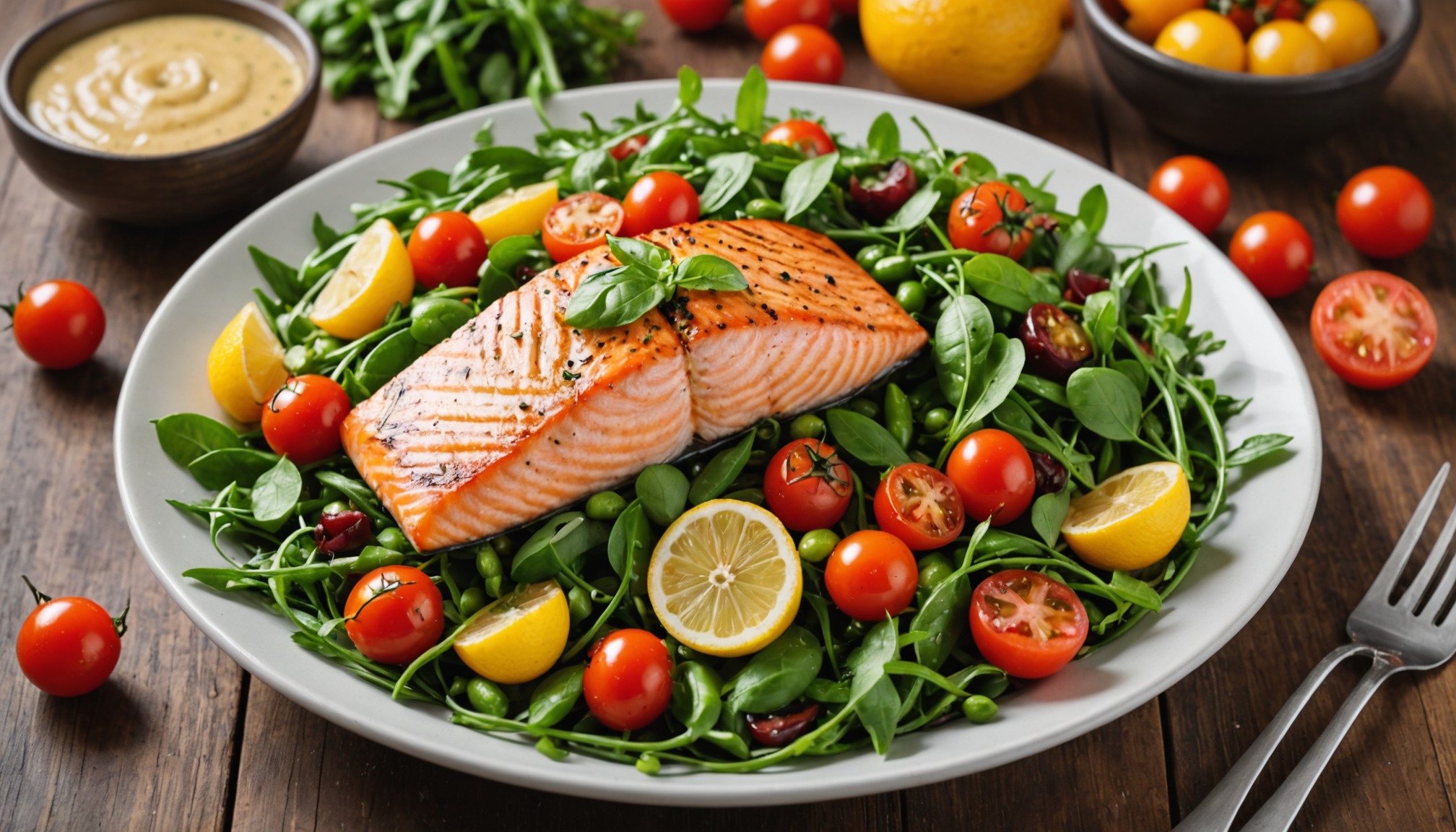
Creating flavorful seafood bowls can take your meals to the next level, making them both nutritious and delicious. When combining various ingredients, focus on balancing flavors, textures, and colors to craft bowls that are not only pleasing to the eye but also packed with nutrients.
Start with a solid base. Whole grains such as quinoa, brown rice, or even farro serve as excellent foundations for your seafood bowls. They provide essential fiber and nutrients, helping you feel fuller for longer while enhancing the overall texture. If you prefer lighter options, consider a bed of fresh greens like spinach, kale, or arugula to create a refreshing base.
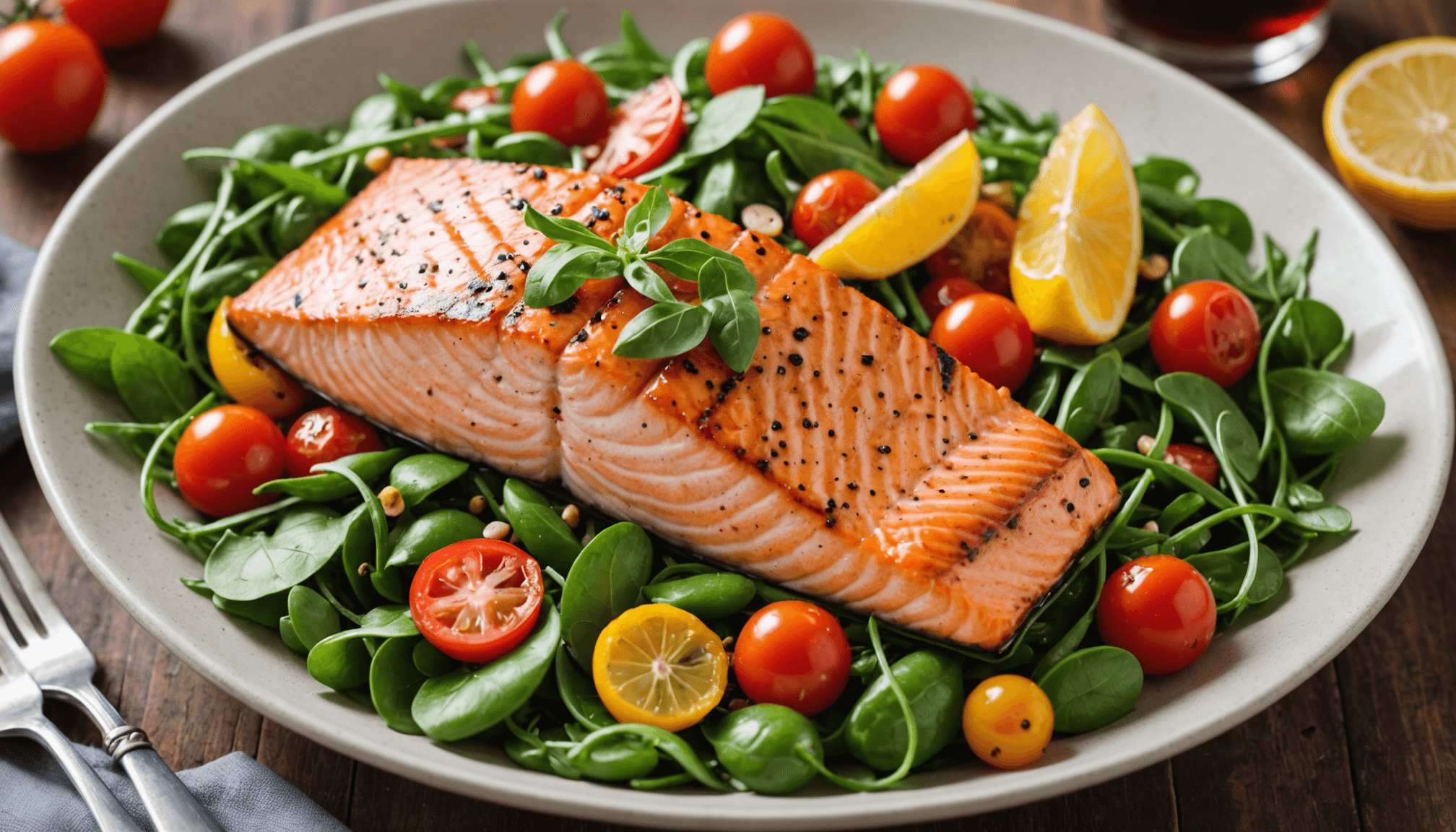
Next, select your seafood. Fish like salmon, trout, or shrimp are not only delicious but also provide an abundance of omega-3 fatty acids that promote heart health. Plant-based seafood alternatives, such as those made from algae or tofu, are viable options for vegans and can introduce unique flavors and textures to your bowls. Whatever your choice, make sure to prepare your seafood using healthy methods, such as grilling or baking, to preserve its nutritional value.
Enhance the flavor profile of your seafood bowls with a medley of vegetables. Seasonal produce offers the best options; for instance:
- Spring: Asparagus, snap peas, radishes
- Summer: Corn, tomatoes, zucchini
- Fall: Pumpkin, sweet potatoes, Brussels sprouts
- Winter: Root vegetables such as carrots, beets, and parsnips
Incorporating vibrant vegetables not only adds color but also packs your bowls with essential vitamins and minerals. Stir-fry or sauté veggies lightly to retain their crunch and nutrients, or enjoy them fresh, drizzled with a squeeze of lemon or a splash of your favorite dressing.
For added flavor, fresh herbs and spices can elevate your seafood bowls significantly. Try adding basil, cilantro, or parsley for freshness, and feel free to experiment with spices like cumin, smoked paprika, or even a dash of cayenne pepper for a bit of heat.
To further refine your gourmet seafood bowls, consider toppings that contribute texture and richness. Crunchy elements like toasted nuts or seeds will add depth, while a drizzle of tahini, cashew cream, or savory vinaigrettes will enhance the flavor without overpowering the natural ingredients.
Don’t be afraid to experiment! Seafood bowls are versatile and can accommodate various dietary preferences. Whether you’re preparing a vegan bowl or a protein-packed dinner, using seasonal ingredients and a mix of textures will ensure a satisfying meal. Trust your palate and have fun while creating these nourishing and colorful dishes—they’re not just good for you; they’re a feast for the senses!
Cooking Methods for Seafood
Cooking seafood can be approached in various ways, each method imparting unique flavors and textures to your dishes. Understanding these techniques allows for tailored preparation, enhancing both the taste and health benefits of your seafood bowls.
One of the simplest and most popular methods is grilling. Grilling seafood not only adds a smoky flavor but also helps retain moisture, preventing overcooking. Fish like salmon or tilapia can be marinated beforehand to soak in flavors, and then grilled over medium heat for just the right amount of char and tenderness. Pair grilled seafood with fresh herbs and a squeeze of lemon to brighten each bite.
Sautéing is another preferred technique, perfect for preparing shrimp or scallops. Begin by heating a small amount of oil in a skillet, adding garlic or shallots for an aromatic base. As the seafood cooks quickly, be attentive to timing to keep it succulent. This method enables you to incorporate seasonal vegetables, creating a complete and colorful seafood bowl that highlights both the main protein and the accompanying produce.
Baking is ideal for those looking for a hands-off approach. By placing seasoned fish fillets in a baking dish and surrounding them with vegetables, you create a one-pan meal that’s easy to prepare. This method locks in flavors and allows the seafood to steam gently in its juices, resulting in a flaky and moist texture. Consider topping baked seafood with organic breadcrumbs or a herb crust for added crunch.
Poaching offers a gentle cooking method, which is great for delicate fish like cod or sole. Poaching involves simmering the seafood in a flavorful liquid such as broth, wine, or a lemon-infused water. This preparation retains the nutrients while allowing the fish to remain tender. You can enhance poached seafood with sauces made from fresh herbs or a dash of olive oil for serving.
Lastly, steaming is an excellent technique, particularly for those who prioritize health. This method uses hot steam to cook the seafood, preserving its nutrients and moisture without the need for added oils or fats. Steamed fish combined with a variety of colorful vegetables makes for an appealing and nutritious seafood bowl.
“Cooking seafood at the right temperature and method can elevate its natural flavors, transforming simple dishes into extraordinary experiences.”
Whichever cooking method you choose, be sure to incorporate fresh herbs and light sauces to complement the seafood. Each technique provides a distinctive taste profile and texture, allowing you to craft delicious, healthy dinners that focus on wholesome, organic ingredients. Experiment with your favorite methods and ingredients to create seafood bowls that not only satisfy your palate but also support your wellness journey.
Seasonal Vegetable Pairings
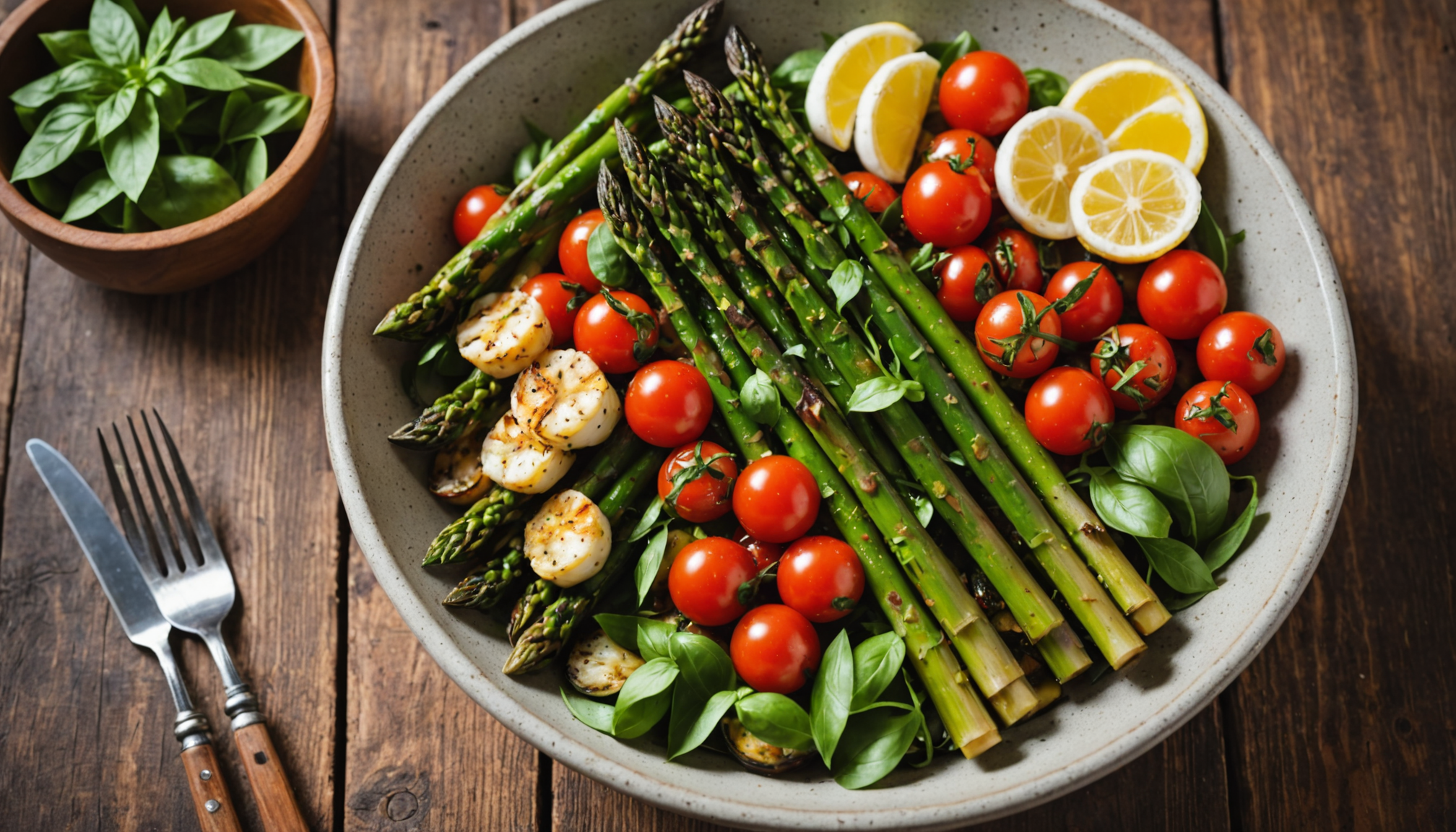 Seasonal vegetables are a vital component in crafting vibrant, nutritious seafood bowls that delight the senses. When you choose to cook with ingredients that are in season, you not only enjoy better flavors but also contribute to a more sustainable food system. Seasonal produce is generally fresher, more affordable, and supports local farmers, making it a win-win for your wallet and the environment.
Spring heralds a bounty of tender greens and flavorful root vegetables. Asparagus and snap peas make fantastic additions that providecrunch and nutrition, while radishes offer a peppery kick. Transitioning into summer, the palette brightens further with juicy tomatoes, fresh corn, and zucchini, which can add a refreshing touch to your bowls. These seasonal gems can be grilled or lightly sautéed, letting their natural sweetness shine.
As the leaves begin to change in fall, it’s time to embrace heartier fare. Squash varieties, sweet potatoes, and Brussels sprouts not only warm the soul but also bring vitamins A and C to your meals. Fall is the perfect time to experiment with roasting these vegetables, their caramelized edges creating a wonderful depth of flavor that pairs beautifully with seafood.
Winter does not halt your healthy dinner campaigns; instead, it invites you to explore nourishing root vegetables like carrots, beets, and parsnips. These robust options can be roasted, mashed, or used as a bed for your delicately cooked fish, providing both comfort and nutrition during the cooler months. Incorporating seasonal vegetables not only enriches the bowl but also allows your culinary creativity to shine as you pair contrasting textures and flavors.
By thoughtfully selecting seasonal ingredients, you create meals that are not only delicious but also imbued with the essence of the time of year. Each bite of your seafood bowl becomes a celebration of nature’s bounty, linking you to the rhythms of the seasons. So the next time you create your seafood bowls, consider what’s in season and let those choices guide your shopping and cooking, igniting a newfound appreciation for organic recipes and the freshness they can bring to your dining experience.
- What are the best vegetables to use in seafood bowls?
- Seasonal vegetables are ideal for seafood bowls, as they enhance flavor and freshness. Popular choices include asparagus, zucchini, sweet potatoes, and root vegetables, depending on the season.
- How do I choose seasonal vegetables?
- Visit local farmers’ markets or consult seasonal produce guides online to determine what vegetables are fresh at different times of the year. Look for items that are in peak condition and currently being harvested in your area.
- Can I use frozen vegetables in seafood bowls?
- Absolutely! Frozen vegetables can be a convenient and nutritious option. They are often flash-frozen at peak ripeness, preserving their nutrients and can be used to quickly create a balanced seafood bowl.
- What is the benefit of using organic vegetables?
- Organic vegetables are grown without synthetic pesticides or fertilizers, making them a cleaner choice for your family. They often boast higher nutrient levels and better flavors, which can enhance your overall meals.
- How do I prepare seasonal vegetables for my seafood bowls?
- Depending on the vegetable, you can sauté, steam, roast, or grill them. Aim to cook them just enough to retain their crunch and flavor, allowing them to complement the seafood without overpowering it.
- Are there specific herbs that pair well with seafood bowls?
- Yes, herbs like cilantro, basil, and parsley can elevate your seafood bowls. Adding fresh herbs just before serving brightens flavors and adds layers of complexity to your dish.
- How can I ensure my seafood bowls are healthy?
- Focus on using a variety of fresh, seasonal ingredients, including organic seafood and vegetables, whole grains, and healthy fats. Balancing these components will create a nutritious and delicious meal.
Essential Tips for Bowls
When crafting your seafood bowls, there are some essential tips to keep in mind to ensure that your meals are not only delicious but also healthy and satisfying for everyone involved. Grocery shopping can be an adventure if approached with the right mindset and strategies. Whether you’re browsing through your local market or navigating through online shopping sites, here are practical tips to elevate your grocery shopping experience.
- Know Your Sources: Whether shopping locally or online, always have a list of trusted sources for your seafood. Local fish markets often provide the freshest products, while reputable online retailers like Thrive Market and Ocean’s Halo ensure that their seafood is sustainably sourced. Take the time to research their sustainability practices to maintain a healthy relationship with our oceans.
- Opt for Organic Ingredients: When selecting vegetables and grains for your seafood bowls, strive to choose organic whenever possible. Organic produce not only avoids harmful pesticides but also often packs more nutrients. Look for local organic products at farmer’s markets, or trust online shops that offer fresh organic options delivered to your door.
- Consider Seasonal Produce: Purchasing vegetables that are in season not only enhances the flavors in your seafood bowls but also supports local farming. Seasonal ingredients tend to be fresher, more affordable, and environmentally friendly. Keep an eye on local harvest calendars to know what to look for at both online and physical markets. For instance, summer tomatoes can elevate your bowl dramatically compared to those shipped from far away.
- Budget-friendly Choices: If you’re keeping an eye on your spending, remember that frozen seafood and vegetables can be a convenient and cost-effective alternative. They are picked and frozen at their peak freshness, preserving their nutrients and flavor. Just ensure that they are wild-caught or certified sustainable when browsing frozen options.
- Read Labels: Whether shopping in-store or online, make a habit of reading product labels carefully. Look for signs like “wild-caught” for seafood, organic certifications for vegetables, and avoid items with artificial additives or preservatives. Awareness of what goes into your food is vital for preparing healthy dinners.
- Plan Your Meals: Take time to plan your seafood bowls in advance. By knowing what ingredients you need, you can effectively manage your budget, reduce waste, and ensure your meals are balanced. This approach is particularly beneficial for busy professionals and families striving to eat healthily while juggling various responsibilities.
- Shop Online Safely: If opting for online shopping, ensure the website provides secure payment options and clear return policies. Check customer reviews and ratings to assess the quality of the products before finalizing your order. Choose retailers who specialize in perishable goods for the freshest selections.
- Experiment with Textures: Don’t shy away from adding a variety of textures to your seafood bowls. Consider toppings such as toasted nuts or seeds for a delightful crunch or creamy avocado slices that enhance richness. These additional elements can take your healthy dinners to another level of satisfaction.
From understanding seasonal availability to focusing on organic and local ingredients, implementing these strategies can make grocery shopping a rewarding experience. Simplifying your meal prep and shopping routine with these tips not only contributes to a healthier lifestyle but also brings joyous creativity into your kitchen as you explore the world of seafood bowls and organic recipes.
New Customers Offer!
Free Gift for the new customer
$24 Value, When You Subscrib Visit Thrive Market