- Understanding Organic Ingredients
- Benefits of Meatless Meals
- Creative Plant-Based Protein Sources
- Delicious Dinner Recipes
- Meal Prep Tips for Busy Weeks
- Nutritional Considerations for a Balanced Diet
When embarking on your grocery shopping journey, understanding the nuances of organic ingredients can transform your culinary experience, especially when preparing nutritious meals for your family. Here’s some practical advice to help you navigate both online and offline grocery avenues effectively.
First, prioritize your local farmers’ markets. These venues often offer fresh, organic produce at competitive prices, and shopping here supports your community while minimizing transportation impacts on the environment. When selecting fruits and vegetables, aim for seasonal options, as they tend to be fresher and more affordable.
For those pressed for time, online grocery shopping can be a lifesaver. Websites geared toward organic produce often have subscription services that deliver seasonal boxes straight to your doorstep. However, ensure your online shopping is secure by checking for site certificates and reading customer reviews to avoid scams. Stick to reputable sources, such as well-known health food brands or local co-ops, and always double-check the expiration dates when your order arrives.
Budget-friendly shopping doesn’t mean compromising on nutrition. Look for sales on organic staples like beans, lentils, and quinoa, which provide excellent protein sources for your meatless dinners. These ingredients not only contribute to diverse and wholesome healthy meals but also store well for future meals.
Don’t shy away from frozen fruits and vegetables; they retain most of their nutrients and are often less expensive than their fresh counterparts. Check the ingredient list to ensure there are no added preservatives or sugar. Likewise, canned legumes are a convenient option, just remember to rinse them to reduce sodium levels.
As you browse the aisles, familiarize yourself with the symbols and labeling on organic products to ensure authenticity. USDA Organic labels guarantee that the food is grown without synthetic fertilizers and pesticides, making them a healthier choice for you and your family. Simply looking for organic certification can save you from potential adverse health issues associated with non-organic farming practices.
Finally, include a shopping list to discreetly navigate the aisles without unnecessary distractions. Plan your meals for the week ahead, drawing inspiration from organic recipes that highlight seasonal ingredients. This practice not only enhances your shopping efficiency but also ensures that you make thoughtful purchases tailored to your nutrition goals.
By applying these tips, you can confidently gather ingredients for robust, nutritious, and engaging meals that align with your family’s health needs and lifestyle while embracing the benefits of organic eating.
Benefits of Meatless Meals
Meatless meals provide numerous advantages, encompassing health, environmental impact, and culinary creativity. One of the most significant benefits of adopting a meatless lifestyle is its positive effect on overall health. Research has consistently shown that vegetarian and vegan diets can lower the risk of chronic diseases such as heart disease, diabetes, and certain cancers. These diets are typically rich in essential nutrients, fiber, vitamins, and minerals, while being lower in saturated fats. This nutritional profile supports a healthy weight, promotes better digestion, and helps to maintain stable blood sugar levels.
In addition to personal health benefits, choosing meatless meals has a profound impact on the environment. The meat industry is a significant contributor to greenhouse gas emissions, deforestation, and water consumption. By reducing meat intake, individuals can lower their carbon footprint and contribute to a more sustainable planet. According to the U.N. Food and Agriculture Organization, livestock production accounts for approximately 14.5% of global greenhouse gas emissions. Shifting towards a plant-based diet can play a crucial role in mitigating climate change.
Another compelling reason to embrace meatless dinners is the opportunity for culinary exploration. Cooking without meat encourages creativity in the kitchen and introduces individuals to a diverse range of ingredients and cooking methods. Legumes, whole grains, vegetables, and nuts are not only nutritious but also versatile. They can serve as the foundation for a variety of flavorful dishes that satisfy cravings and nourish the body.
The following table highlights some of the nutritional benefits of common plant-based ingredients compared to their meat counterparts:
| Ingredient | Protein (per 100g) | Fiber (per 100g) | Vitamins & Minerals | Calories (per 100g) |
|---|---|---|---|---|
| Quinoa | 4g | 2.8g | Magnesium, Iron, B Vitamins | 120 |
| Chickpeas | 9g | 7.6g | Folate, Iron, Phosphorus | 164 |
| Tofu | 8g | 0.3g | Calcium, Iron, Magnesium | 76 |
| Chicken Breast | 32g | 0g | Niacin, Phosphorus, Selenium | 165 |
| Salmon | 20g | 0g | Vitamin D, Omega-3 fatty acids | 206 |
Incorporating a variety of plant-based proteins can lead to delicious and environmentally friendly meals. The lower calorie count of many plant-based foods can also aid in weight management, making meatless dinners an appealing option for those looking to maintain a healthy lifestyle without feeling deprived.
In summary, the myriad benefits of meatless meals extend beyond just personal health; they encompass environmental sustainability and culinary innovation. By embracing the vibrancy of plant-based ingredients, individuals are empowered to make choices that align with both their health goals and their values. Adopting meatless dinners opens up a world of flavor, nutrition, and sustainability that is sure to inspire and energize your cooking endeavors.
Creative Plant-Based Protein Sources

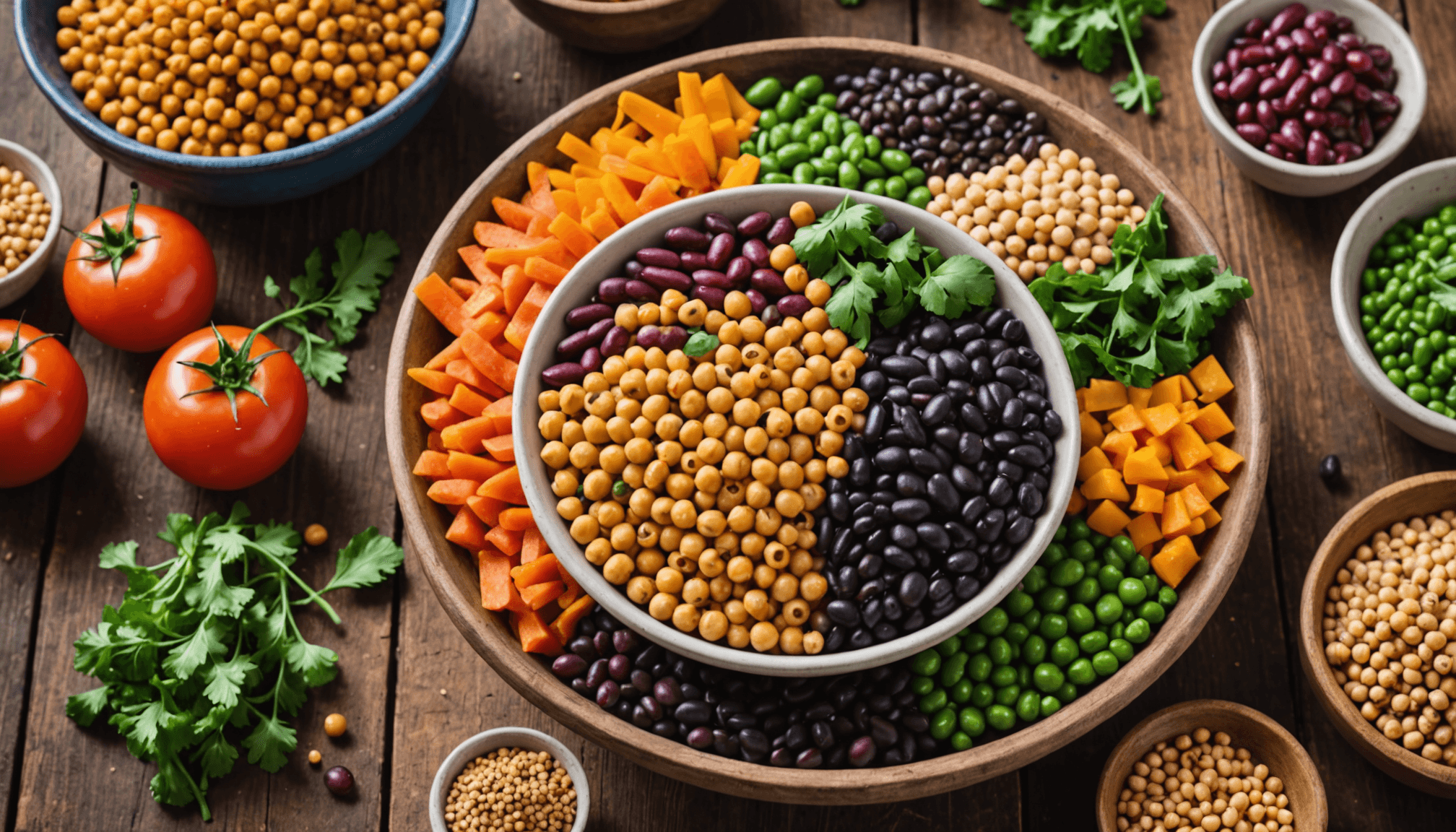
When it comes to sourcing plant-based protein, creativity is your best friend. You can explore various options that not only fulfill your protein needs but also keep your meals exciting. Some of the most versatile protein sources are legumes, whole grains, nuts, and seeds, all of which can be purchased organic. For instance, black beans, lentils, and chickpeas are powerhouse ingredients that can form the basis of numerous nutritious dishes. Consider making a hearty bean chili or a flavor-packed lentil salad that packs a protein punch.
Shopping for these ingredients can be both fun and budget-friendly. Visit your local grocery store’s bulk section where you can often find organic beans and grains at lower prices. If you’re shopping online, look for reputable retailers that offer bulk discounts on legumes and grains. Just ensure you’re buying from trustworthy sources, as not all online sellers provide the same quality. When browsing, pay close attention to customer ratings and product origins to avoid any potential issues with quality or freshness.
Nuts and seeds are another fantastic addition to your meals, offering not only healthy fats but also additional protein. Almonds, walnuts, chia seeds, and hemp seeds can be easily incorporated into salads, smoothies, or even as a snack on their own. When shopping, opt for raw or lightly roasted varieties without added sugars or salts. Many local health food stores have great selections of organic nuts and seeds, and purchasing in bulk can save you money in the long run.
Don’t forget about tofu and tempeh, both of which are excellent protein sources that can be used in a myriad of dishes. Tofu can absorb flavors, making it a versatile ingredient for stews, stir-fries, or even grilled. When purchasing, look for brands that use organic non-GMO soybeans. Online platforms often provide a variety of options, but always review the packaging details to ensure you’re getting high-quality products.
For a delightful protein boost, consider using seitan, made from wheat gluten. This meat substitute works well for individuals seeking a chewy texture in their meals. While it’s not suitable for those with gluten sensitivities, it can be a satisfying component of meatless dinners for others. Ensure to check ingredient labels if you’re managing dietary restrictions and seek organic options when available.
When planning your grocery list, incorporate seasonal vegetables rich in protein such as spinach, broccoli, and Brussels sprouts. These greens not only provide fiber and essential vitamins but also add a delightful crunch to any dish. Think of preparing an organic stir-fry with tempeh and assorted veggies tossed in a zesty sauce for a protein-rich meal that’s nutritious and delicious.
Lastly, while shopping, keep safety in mind. If you opt for online shopping for your organic ingredients, make sure the website has an SSL certificate (look for “https”) to safeguard your information. Reading reviews can also give you a clue about the experiences of other customers, ensuring the reliability of the seller.
With a bit of creativity and a focus on sourcing quality ingredients, you can easily prepare healthy meals that not only nourish your body but also excite your taste buds. Explore the world of plant-based proteins, and you’ll find endless possibilities for satisfying your meat-free culinary adventures.
Delicious Dinner Recipes
Embrace the flavors of the season with these delicious dinner recipes that highlight the beauty of meatless meals. These dishes are designed to be both nourishing and satisfying, ensuring that everyone at the table will enjoy their plant-based experience.
One versatile dish you can prepare is a butternut squash and black bean enchilada casserole. Begin by roasting cubes of butternut squash with olive oil, salt, and a sprinkle of cumin until tender. In a baking dish, layer corn tortillas with a mixture of black beans, sautéed onions, and the roasted squash. Pour enchilada sauce generously over the top, then sprinkle with cheese or a vegan alternative. Bake until golden and bubbly. This casserole is not only colorful but also loaded with fiber and essential nutrients, making it an ideal candidate for a hearty dinner.
For a lighter option, consider whipping up a quinoa salad with roasted vegetables. Cook quinoa according to package directions and, while it’s simmering, toss your favorite seasonal vegetables, such as bell peppers, zucchini, and carrots, with olive oil and herbs. Roast them in the oven until caramelized. Combine the cooked quinoa with the veggies, a squeeze of lemon juice, and a sprinkle of feta cheese or nutritional yeast for a hint of umami. This salad can be served warm or chilled, making it perfect for meal prep or a side dish alongside a protein-rich dish.
Another fantastic recipe to try is a creamy coconut chickpea curry. Sauté onions and garlic in a pan, add ginger, spices like turmeric and cumin, followed by canned tomatoes and coconut milk. Stir in chickpeas and let the mixture simmer until thickened. Serve this aromatic curry over brown rice or with whole-grain naan for a filling meal that brings a taste of India to your kitchen. The combination of chickpeas and coconut milk provides healthy fats and protein, solidifying it as a wholesome choice for meatless dinners.
Don’t overlook the allure of homemade vegetable stir-fry. Use a rainbow of fresh vegetables such as snap peas, bell peppers, and broccoli, tossing them in a hot skillet with a splash of soy sauce and sesame oil. For added protein, throw in tofu or tempeh—both absorb flavor beautifully. Serve over whole grains like brown rice or quinoa. This dish is quick to prepare and can be customized with whatever vegetables you have on hand, paving the way for endless possibilities in your weekly meal plan.
Lastly, for a comforting option, whip up a batch of lentil soup. In a large pot, sauté onions, carrots, and celery, then add vegetable broth, diced tomatoes, and lentils. Season with thyme and bay leaves, letting it simmer until the lentils are tender. This soup is hearty, full of protein and fiber, and perfect for batch cooking during a busy week. Pair it with crusty whole-grain bread for a complete meal that will leave you feeling nourished and satisfied.
“Let food be thy medicine, and medicine be thy food.” — Hippocrates
These dinner recipes not only promote healthy eating but also showcase the potential of organic ingredients to create delightful meatless dinners. By focusing on fresh, seasonal produce and whole grains, you can develop a repertoire of meals that are both nutritious and delicious, inspiring everyone to savor the essence of plant-based cooking.
Meal Prep Tips for Busy Weeks
 Meal prep can be a game-changer, especially for those busy weeks when time seems limited but the desire for nutritious, home-cooked meals remains strong. Preparing meals in advance allows you to maintain healthy eating habits, avoid the temptation of fast food, and ensure that you and your family enjoy a variety of flavors throughout the week. The key to effective meal prep lies in planning, organization, and utilizing the right techniques to maximize your time in the kitchen.
Start by dedicating a specific day each week to meal prep. Take some time to plan out your dinners, selecting recipes that incorporate seasonal organic ingredients. This not only helps you stay aligned with budget-friendly shopping practices but also ensures freshness in your meals. A well-structured shopping list can streamline your grocery store experience, making it easier to find everything you need without buying unnecessary items.
Batch cooking can significantly reduce the time spent in the kitchen on weekdays. Choose one or two base ingredients, like quinoa or brown rice, and prepare them in large quantities to use throughout the week. These can be combined with various toppings or sauces to create different dishes, keeping each meal exciting and varied. You might concoct a hearty quinoa bowl one day topped with roasted veggies and tahini, then use the same base for a stir-fry another day with some sautéed tofu and a spicy sauce.
Investing in quality storage containers can also enhance your meal prep efficiency. Choose airtight containers that are microwave and dishwasher safe to make reheating and cleaning a breeze. Labeling your meals can save time during the week as you quickly identify what’s ready to go. Consider organizing your containers by day or meal type, ensuring that you grab what you need when hunger strikes.
Don’t forget about incorporating versatility into your meal prep. Prepare versatile sauces or dressings in advance that can be used to liven up different dishes. For example, a homemade tahini dressing can elevate a simple salad, while the same dressing can serve as a dipping sauce for veggies or a flavorful topping for grains.
Finally, remember that not every meal has to be a grand affair. Quick and simple meals can be just as nourishing. A robust soup or a chunky veggie chili can be prepared in one pot, allowing for easy cleanup. These types of meals often taste even better the next day, making them perfect for lunch or a quick dinner.
With dedication to meal prep and a focus on variety and quality ingredients, your week can be filled with delightful and nutritious meatless dinners. Embrace the opportunity to experiment with new organic recipes while ensuring that your meals are both satisfying and tailored to your health goals.
- What is meal prep, and why is it beneficial?
- Meal prep involves preparing and cooking meals ahead of time, which can save you time throughout the week. It helps maintain healthy eating habits, avoid the temptation of fast food, and ensure your meals are nutritious and satisfying.
- How can I get started with meal prepping?
- Begin by planning your meals for the week, creating a shopping list, and designating a specific day for meal prep. Choose versatile and seasonal ingredients that can be used in multiple dishes to maximize your time and resources.
- Can I freeze meals prepared during meal prep?
- Yes, many meals can be frozen, including soups, stews, and cooked grains. Just make sure to use airtight containers and label them with the date, so you can enjoy your nutritious meals later without waste.
- How do I keep my meal prep interesting?
- Incorporate a variety of spices, herbs, and sauces to add different flavors to your meals. Rotate your ingredients weekly to discover new recipes and combinations while focusing on seasonal produce.
- What types of containers are best for meal prep?
- Look for airtight containers that are microwave and dishwasher safe for easy reheating and cleaning. Glass containers are a great option as they are durable and free from harmful chemicals.
- Is meal prepping only for dinner, or can I do it for other meals as well?
- Meal prepping can be done for any meal, including breakfast, lunch, and snacks. Preparing these meals in advance ensures you have nutritious options ready to grab at any time.
- Can I meal prep for a family, and what are some tips for doing so?
- Absolutely! When meal prepping for a family, try batch cooking large portions and store them in family-sized servings for ease. Also, involve family members in the planning process to ensure everyone enjoys the meals prepared.
Nutritional Considerations for a Balanced Diet
When it comes to assembling the building blocks of a balanced diet, grocery shopping can feel overwhelming, but it doesn’t have to be. Whether you’re browsing the aisles of a local store or navigating an online marketplace, a few key strategies can enhance your shopping experience while ensuring you’re stocked up on healthy meals and ingredients necessary for nutritious, meatless dinners.
First, focus on whole foods. Whole foods, such as fruits, vegetables, whole grains, legumes, nuts, and seeds, should form the foundation of your grocery list. Organic options are often available for these items, so don’t hesitate to seek them out. Not only do they provide better nutrition, but choosing organic can also mean fewer pesticides and chemicals in your diet.
Consider starting your shopping journey at a local farmers’ market or food co-op. These venues often feature seasonal organic produce, which is not only fresher but more affordable. It’s a fantastic way to support local farmers and reduce the environmental impact associated with transporting food long distances. Moreover, consider asking vendors about sustainable farming practices to ensure the quality of the produce you’re purchasing.
- Tip: Bring your own reusable bags to reduce plastic use and promote sustainability.
- Tip: Engage with the vendors—asking about their growing methods can give you insight into the nutritional quality of the food.
When shopping online, be sure to choose reputable retailers specializing in organic foods. Look for seals of authenticity, such as USDA Organic labels, to guarantee that the products meet organic standards. While browsing, check for customer reviews and ratings to avoid any unwanted surprises about quality or delivery issues. Always make sure the website has secure checkout features to protect your personal information.
It pays to plan your meals ahead of time. Create a weekly menu that includes a mix of hearty plant-based proteins, seasonal vegetables, and whole grains. Using a meal-planning app or an old-fashioned notebook can help you map out your grocery list based on recipes you plan to try. For instance, if you’re making a chickpea curry one night, you’ll want to ensure that you have all the spices, tomatoes, and coconut milk on hand.
- Tip: Invest in pantry staples like brown rice, quinoa, dried legumes, and oats. These ingredients are not only budget-friendly, but they also keep for extended periods, making them perfect for meal prep.
- Tip: Purchasing bulk can often save money—look for “bulk bins” at your local grocery store.
As you explore the grocery aisles, pay attention to labels, especially with canned and frozen foods. Canned beans are a fantastic source of protein and can be included in salads, soups, or tres leches-style tacos, but ensure there are no added sugars or preservatives. Frozen vegetables and fruits can be great time-savers, providing a ready supply of nutrients that won’t spoil quickly.
Be mindful of safety when grocery shopping. If something looks off—such as improper labeling or packaging—it’s best to err on the side of caution. When shopping for bulk items, always check for the “best by” date to ensure freshness. If purchasing through an online market, review the return policy and customer service options, just in case you receive a product that does not meet your standards.
By adopting these strategies, you’ll not only make your grocery shopping more efficient, but you’ll also ensure that you’re equipped with the essentials needed to create wholesome, meatless dinners that your whole family will enjoy. Take the time to appreciate the process of selecting ingredients—each choice brings you closer to nourishing meals that are both delicious and aligned with your healthy eating goals.
New Customers Offer!
Free Gift for the new customer
$24 Value, When You Subscrib Visit Thrive Market