- Budget-Friendly Organic Chicken Options
- Quick and Easy Recipes
- Meal Prep Tips for Organic Chicken
- Flavorful Marinades and Seasonings
- Side Dishes to Complement Your Chicken
- Storing and Reheating Leftovers
When navigating the grocery store or scrolling through your favorite online grocery delivery service, finding affordable meals that feature organic chicken can seem daunting. However, with a little knowledge and strategy up your sleeve, you can make your shopping experience both economical and healthy.
First and foremost, consider shopping at local farmers’ markets or community-supported agriculture (CSA) programs. These avenues often provide fresher, organic options at lower prices than traditional grocery stores. Not only will you support local farmers, but you might also discover unique chicken breeds that offer richer flavors and healthier meat, packed with essential nutrients.
In your regular grocery shopping trips, look for sales and special discounts on organic chicken products. Many stores offer weekly promotions, and signing up for store loyalty programs can lead to additional savings. If you’re open to online shopping, make sure to visit various sites to compare prices and look for bulk buying options. Purchasing meat in larger quantities can significantly reduce costs, provided you have the proper storage to freeze portions for later use.
When selecting organic chicken, check the packaging for important indicators of safety and quality. Look for certifications such as USDA Organic or Certified Humane, which ensure that the chickens were raised in environment-friendly conditions. Be vigilant about expiration dates to ensure freshness and prevent foodborne illnesses. When shopping online, make sure the retailer has good reviews regarding food safety and handling practices.
To create a well-rounded selection for your meals, pair your organic chicken with a variety of healthy side dishes like whole grains, seasonal vegetables, or legumes. Investing in plant-based proteins, such as beans and lentils, can complement your chicken dishes and contribute to a balanced diet without breaking the bank.
Don’t forget about the power of frozen organic options! Frozen vegetables and herbs are often picked at peak ripeness and can be a nutritious, cost-effective addition to your meals. Just be sure to check labels for any added preservatives or ingredients that might undermine their health benefits.
Lastly, consider making your own marinades and sauces at home. This can not only enhance the flavor of your chicken recipes but also save you money and help you avoid unnecessary preservatives found in store-bought options. Simple ingredients like olive oil, vinegar, herbs, and spices can create delicious flavors that elevate your meals while keeping them budget-friendly.
Quick and Easy Recipes
Quick and easy chicken recipes can transform your weeknight dinners into delightful experiences without consuming too much time or money. With organic chicken as the star ingredient, you can create a variety of delicious and affordable meals that satisfy both your taste buds and your budget. Here are a few simple recipes that focus on quick preparation and easy cooking techniques.
One of the quickest options is a one-pan chicken and vegetable stir-fry. Start by slicing organic chicken breast into thin strips and sautéing them in olive oil over medium heat. Once the chicken is almost cooked through, add an assortment of pre-cut frozen vegetables such as bell peppers, broccoli, and snap peas. Season with soy sauce, garlic, and ginger for added flavor. This meal not only comes together in under 30 minutes but also packs in nutrients from both the protein and the vegetables.
Another great option is baked lemon herb chicken thighs. Marinate organic chicken thighs in a mixture of lemon juice, olive oil, garlic, and your choice of herbs like thyme or rosemary for just 15 minutes. Transfer them to a baking dish and bake at 400°F for about 30 minutes or until the internal temperature reaches 165°F. This method allows you to prepare a healthy meal effortlessly—just set it in the oven and prep other sides while it cooks.
For a heartier dish, consider creamy chicken and spinach pasta. Boil your favorite pasta while cooking diced organic chicken in a skillet. Once the chicken is golden, add fresh spinach and garlic, cooking until the spinach wilts. Stir in Greek yogurt or a splash of cream alongside your drained pasta, creating a rich yet healthy sauce that has a hearty flavor without the excess calories.
To provide a better overview of these easy options, here’s a comparison table highlighting preparation time, cooking method, and cost-effectiveness:
| Recipe | Preparation Time | Cooking Method | Estimated Cost |
|---|---|---|---|
| One-Pan Chicken and Vegetable Stir-Fry | 10 minutes | Stir-frying | Low |
| Baked Lemon Herb Chicken Thighs | 15 minutes | Baking | Medium |
| Creamy Chicken and Spinach Pasta | 20 minutes | Boiling / Sautéing | Medium |
Incorporating organic chicken into these quick recipes not only meets the needs of healthy eating but also ensures you maintain a well-balanced diet even during busy weeks. Utilizing simple and wholesome ingredients, as demonstrated in these recipes, empowers you to enjoy flavorful chicken dishes that don’t compromise on quality or health. With these quick recipes in your arsenal, you’ll find that preparing healthy and budget-friendly meals can be both enjoyable and convenient.
Meal Prep Tips for Organic Chicken
Meal prepping with organic chicken can be a game-changer for busy families and health-conscious individuals alike. By dedicating a little time each week to prepare your chicken, you can save money and ensure that you always have healthy, delicious options on hand when hunger strikes.
Start with a shopping list to keep your grocery trips efficient. Select organic chicken cuts that are versatile for various recipes, such as drumsticks, thighs, or whole chickens, which can often be more affordable than breasts. Pair your chicken with a variety of colorful vegetables, whole grains like quinoa or brown rice, and healthy fats, such as olive oil or avocados. These items not only round out your meals but also promote healthy eating throughout the week.
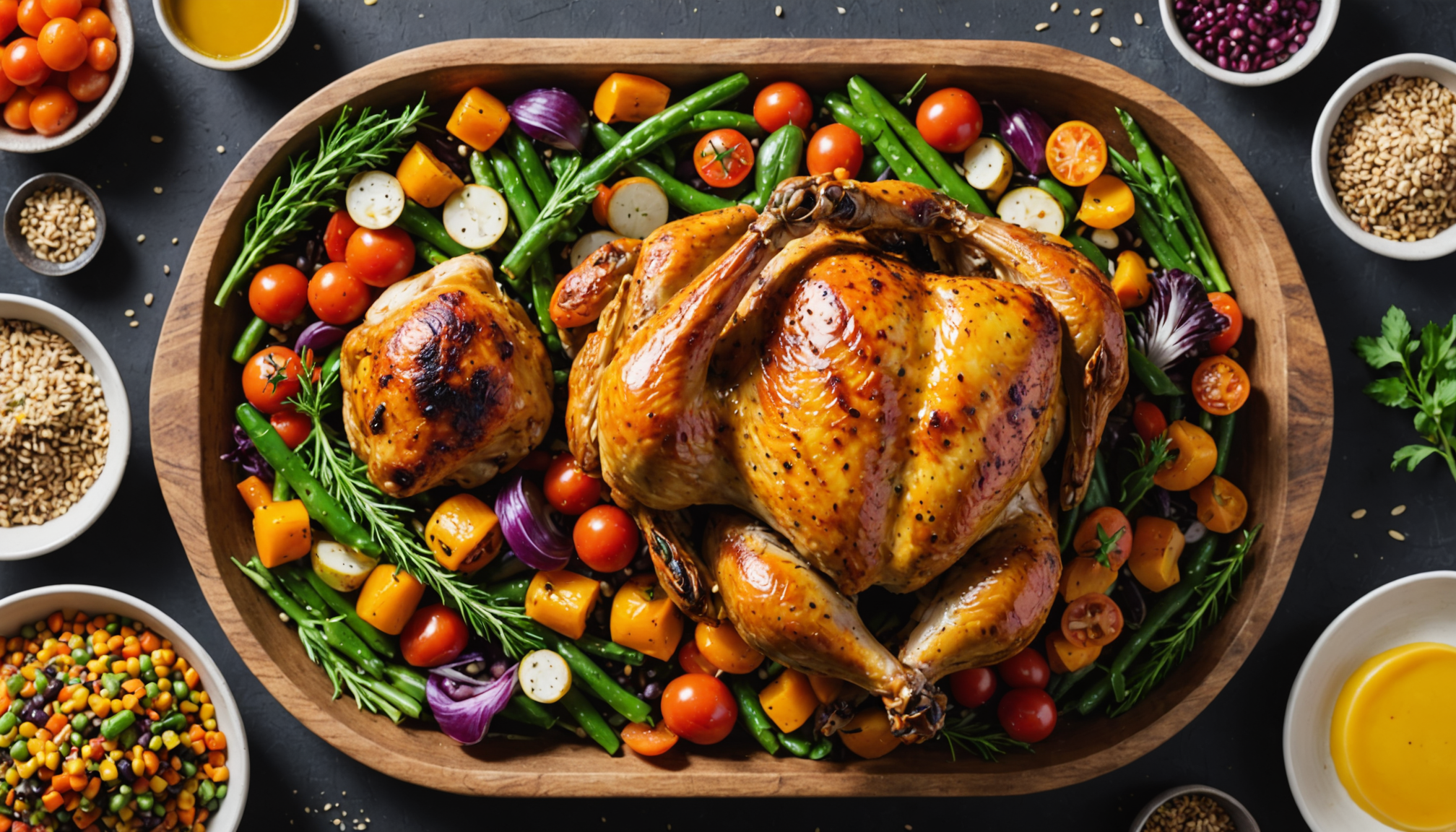
Consider setting aside time on weekends to batch-cook your chicken. You can season and roast a whole chicken, which provides several meals’ worth of meat. Once cooked, shred or chop the chicken for easy use throughout the week in wraps, salads, or grain bowls. If you’re in a hurry, marinate your chicken on the same day you purchase it; the longer it marinates, the more flavorful it becomes. Using ingredients like yogurt or citrus juice in your marinades ensures the chicken remains juicy and full of flavor.
For quick and healthy meals, pre-cook chicken and freeze in individual portions. When you’re crunched for time, thaw the chicken in the fridge overnight, and it will be ready to incorporate into your dishes the next day. Pair it with pre-prepped frozen vegetables for a fast stir-fry, or add it to soups or stews for a nutritious boost.
To keep your meal prep safe and efficient, focus on kitchen safety practices. Always wash your hands before handling food, especially raw chicken, to prevent cross-contamination. Use separate cutting boards for meats and vegetables, and make sure all cooking utensils are clean. When storing your prepared chicken, label containers with the date they were cooked to ensure freshness—generally, cooked chicken can be safely stored in the refrigerator for up to four days or in the freezer for up to six months.
If you prefer the convenience of online grocery shopping, look for organic chicken delivered right to your door, but ensure you’re purchasing from reputable sources. Check customer reviews concerning packaging and delivery practices to guarantee that your food arrives safely and at the right temperature. Look for stores that guarantee freshness or have a clear return policy.
Incorporating meal prep into your routine not only makes weekday cooking a breeze but also reinforces your commitment to healthy eating. With organic chicken as your canvas, the culinary possibilities are endless—prepare flavorful chicken recipes that your family will love, and watch as your grocery budget stretches further while providing wholesome nutrition.
Flavorful Marinades and Seasonings
Creating flavorful marinades and seasonings is essential for elevating your organic chicken dishes without straining your budget. Marinades not only inject flavor into your meals but can also introduce beneficial ingredients that enhance the nutritional profile of your chicken, making it perfect for healthy eating.
A great starting point for marinades involves a basic blend of acid, oil, and seasonings. An acid such as vinegar, citrus juice, or yogurt works to tenderize the chicken while infusing it with flavor. For oil, use options like olive oil, which adds healthy fats, and for seasonings, you can get creative with a mix of dried herbs, spices, or even sauces you might have at home.
For a Mediterranean-inspired marinade, combine the juice of two lemons, two tablespoons of olive oil, minced garlic, and a tablespoon each of dried oregano and thyme. This mixture pairs beautifully with chicken breasts or thighs and lets them marinate for a minimum of 30 minutes, though longer is always better for deeper flavor penetration. This marinade can also be adjusted based on your preferences—add a teaspoon of honey for sweetness, or a pinch of red pepper flakes for some heat.
Another simple yet flavorful option is a soy sauce-based marinade, which can be made by mixing half a cup of soy sauce with a quarter cup of honey, two tablespoons of sesame oil, and minced ginger and garlic. This one works particularly well for a stir-fry or grilling, creating that savory taste that complements a wide range of vegetables. As an added benefit, the natural sugars from the honey caramelize beautifully when cooked, giving your chicken a nice glaze.
For those looking to mix it up further, a vibrant chimichurri sauce can make a great marinade or finish. Blend fresh parsley, garlic, red wine vinegar, olive oil, and a squeeze of lemon juice for an herby delight. This blend refreshes your chicken dishes and adds a zesty kick ideal for summer grilling or roasting.
When marinating, keep in mind the principles of food safety: always marinate your chicken in the refrigerator rather than at room temperature to prevent bacterial growth. After marinating, you can utilize the same mixture as a sauce by bringing it to a boil to eliminate any harmful bacteria.
Using spices and seasonings to enhance flavor can be just as rewarding. A dry rub made from a mixture of paprika, cumin, salt, pepper, and garlic powder can add depth to your chicken without any liquid required. Simply massage the rub into the chicken before cooking; it creates a flavorful crust and allows your chicken to remain juicy inside.
Experimenting with different marinades not only provides variety but also helps to create affordable meals that excite the palate. That’s the key to making organic chicken the centerpiece of your dinner plates—versatile, flavorful, and nourishing.
“The best ingredient you can use in your food is time, and the best way to add it is with great marinades.”
As you develop your collection of marinades and seasonings, you’ll discover that preparing healthy, budget-friendly chicken recipes can be a simple yet delightful experience, allowing you to savor flavor-filled meals throughout the week.
Side Dishes to Complement Your Chicken
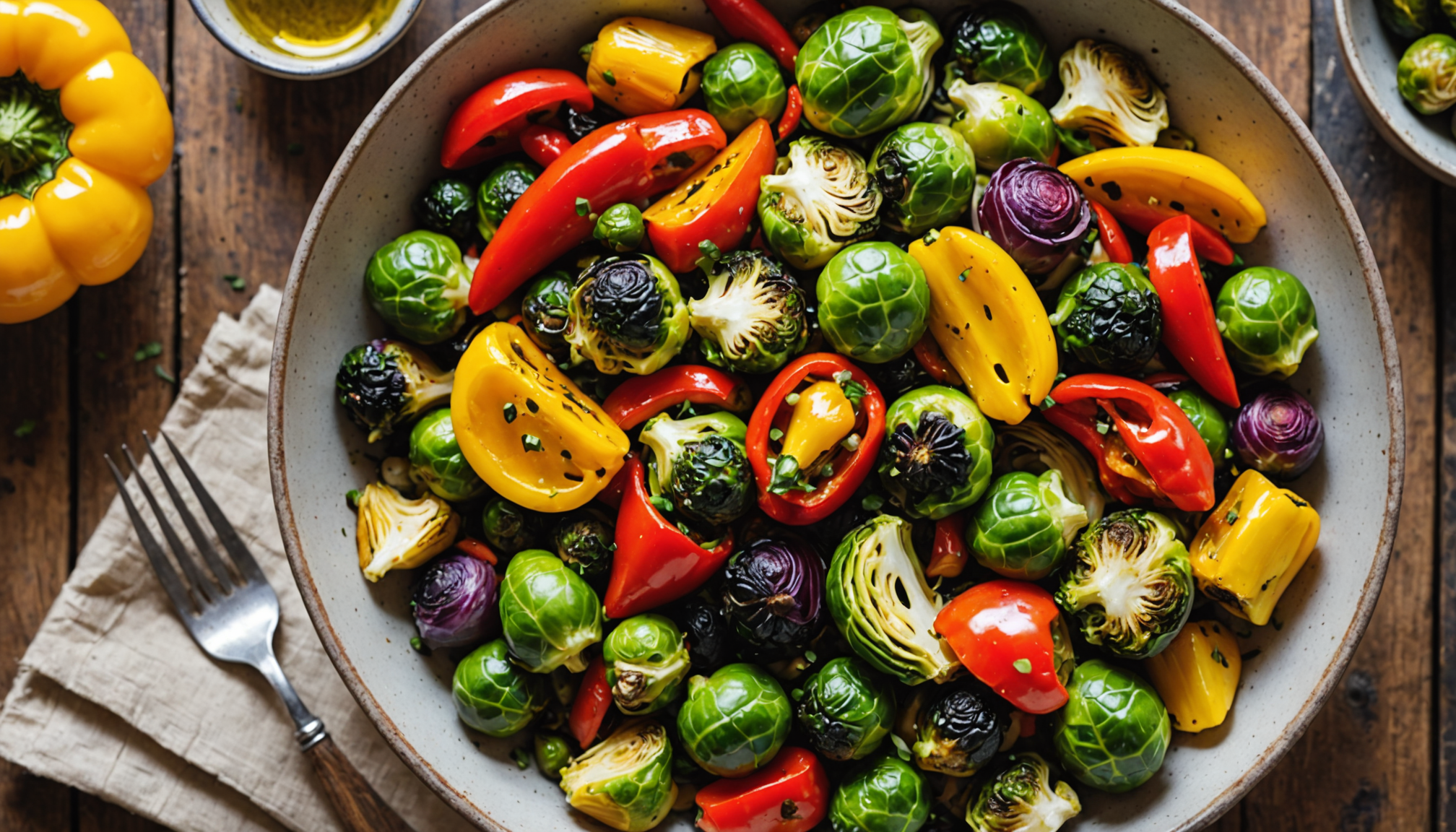 When planning your chicken dinners, it’s essential to consider what side dishes will accompany your organic chicken to create a well-rounded, nutritious meal. The right sides can elevate your chicken recipes, contributing both flavor and essential nutrients. Start with whole grains like quinoa, brown rice, or farro, which not only add texture but also provide fiber and protein. A simple pilaf with sautéed onions and seasonal vegetables makes a delightful pairing that enhances the nutritional profile of your meal.
Vegetables can play a pivotal role in any chicken dinner. Roasting seasonal vegetables such as carrots, Brussels sprouts, or even a medley of peppers can bring out their natural sweetness and charred flavors. Toss them in a little olive oil, salt, and pepper before roasting to contribute that lovely crispy texture that complements your chicken brilliantly. Alternatively, consider steaming or sautéing greens like spinach, kale, or Swiss chard, which not only cook quickly but also infuse your plate with vibrant color and a wealth of vitamins.
Legumes are another fantastic option that not only complements but also adds a hearty element to your dinners. Chickpeas or black beans, seasoned with spices like cumin or coriander, can serve as a protein-rich side that makes your meal even more filling and nutritious. Making a bean salad with diced tomatoes, onion, and a zesty dressing can also be a refreshing counterpoint to rich chicken dishes.
For those looking for quick and simple options, opt for frozen vegetables. They can be just as nutritious as fresh, and available year-round, adding convenience to your meals. Steam or sauté these veggies in just a few minutes, allowing them to retain their color and natural flavors, making them a practical addition to your chicken dinners.
Don’t overlook the power of condiments, either! A homemade tzatziki sauce or a simple yogurt-based dressing can bring a creamy texture and refreshing taste that pairs perfectly with grilled chicken. Add some fresh herbs, like dill or mint, to elevate the flavor experience further.
By thoughtfully selecting your side dishes, you’ll transform your chicken meals into exciting and varied dinners that cater to both taste and health—a concept that truly embodies the essence of affordable meals. Keep your focus on seasonal, nutrient-dense ingredients to support your journey towards healthy eating while keeping your budget in check.
- What are the best side dishes to serve with organic chicken?
- Consider pairing organic chicken with whole grains like quinoa or brown rice, roasted seasonal vegetables, or legumes such as chickpeas or black beans. These options add flavor and nutrition, enhancing your meals significantly.
- Can I use frozen vegetables as side dishes?
- Absolutely! Frozen vegetables can be just as nutritious and often provide convenience and savings. Just be sure to check for any added preservatives and opt for those that are flash-frozen without any extras.
- How can I make my side dishes more flavorful?
- Incorporate herbs, spices, and healthy fats like olive oil to enhance flavor. Roasting vegetables with seasoning or creating a vinaigrette for salads can add depth and interest to your sides.
- What legumes work well as side dishes?
- Chickpeas, lentils, and black beans are excellent choices. They provide protein and fiber, making them a hearty complement to chicken dishes.
- How do I ensure my meal is balanced?
- Include a variety of food groups in your meal: a protein source (like organic chicken), whole grains for energy, plenty of vegetables for vitamins, and healthy fats for overall health. Balancing these elements will create a nutritious plate.
- Are sauces or dressings a good addition to my chicken dinners?
- Yes, homemade sauces and dressings can add remarkable flavor and creaminess to chicken dishes. Yogurt-based sauces or simple vinaigrettes can brighten up the meal while keeping it healthy.
- How can I save money on side dishes?
- Plan your meals around seasonal produce, purchase items in bulk, and utilize frozen vegetables or beans. Cooking with what’s on sale and making meals from scratch can also help minimize costs.
Storing and Reheating Leftovers
Storing and reheating leftovers is crucial for maximizing both the flavor and safety of your organic chicken dishes. To keep your meals healthy and waste-free, it’s essential to understand the best practices for properly handling and storing cooked chicken.
After cooking your organic chicken, allow it to cool down to room temperature, but make sure to keep it out for no longer than two hours to avoid any bacterial growth. Once cooled, transfer your leftovers into shallow airtight containers—this helps accelerate the cooling process and ensures the chicken stays fresh. Label each container with the date it was cooked to keep track of freshness. Stored properly in the refrigerator, cooked chicken can last for up to four days.
If you want to save some meals for later, consider freezing your chicken. Make sure to wrap it tightly in aluminum foil or freezer-safe bags to prevent freezer burn, which can compromise taste and texture. Frozen cooked chicken is best enjoyed within six months; however, it can remain safe to eat beyond that timeframe, although the quality may suffer.
When you’re ready to enjoy your leftovers, reheating safely is just as important. If you want to avoid dry chicken, consider reheating in the oven or stovetop instead of the microwave. Preheat your oven to 350°F and place the chicken in a baking dish, adding a splash of broth or water to keep it moist. Bake for about 20 minutes, or until the chicken reaches an internal temperature of 165°F, ensuring that harmful bacteria are eliminated.
When using a microwave, slice the chicken into smaller pieces for quicker heating, while covering it with a microwave-safe lid to trap moisture. Heat it in short bursts, checking frequently to ensure it doesn’t dry out. Remember, the microwave can sometimes lead to uneven heating, so be diligent and stir the chicken pieces if necessary.
For those who prefer meal prepping, it’s wise to plan your meals strategically. Cooked chicken can be added to salads, wraps, or grain bowls throughout the week, making it versatile for various healthy eating options. This not only saves you time but also minimizes food waste—one of the key pillars in embracing budget-friendly meal practices. You can create affordable meals that keep your nutritional goals on track while enjoying the convenience of pre-prepped ingredients.
Now, when it comes to online grocery shopping, if you’re ordering ingredients to accompany your chicken dishes, always ensure the retailer has a good reputation for fresh meat and quality service. Look for retailers that offer clear return policies on perishable items in case of any issues upon delivery. Reviews from previous customers can give you insight into the quality and safety standards of the products they provide, particularly for organic items.
Keep these tips in mind during your next grocery and meal prep journey, and you’ll find that storing and reheating leftovers not only enhances your culinary experience but also promotes sustainability and financial responsibility in your kitchen.
New Customers Offer!
Free Gift for the new customer
$24 Value, When You Subscrib Visit Thrive Market