- Benefits of Organic Ingredients
- Choosing the Right Meat
- Selecting Fresh Vegetables
- Cooking Techniques for Perfect Bowls
- Flavor Enhancements and Seasoning
- Creative Bowl Combinations
When shopping for ingredients to create delightful and nutritious meat bowls, opting for organic products can significantly enhance not only the flavor of your meals but also their health benefits. Focus on sourcing organic vegetables and meats that are free of synthetic fertilizers, pesticides, and antibiotics, making them a healthier choice for you and your family.
To start, check out your local farmers’ markets or neighborhood co-ops, as these often carry a wide variety of organic options while supporting your community. This not only promotes sustainability but can also lead to fresher ingredients. Look for seasonal produce; for example, during the summer months, you might find juicy tomatoes and vibrant peppers that can bring your salads and bowls to life.
Additionally, when shopping for organic ingredients online, ensure that you’re purchasing from reputable sources. Choose platforms that are certified organic and transparent about their farming practices. It’s also crucial to read customer reviews and check return policies in case the products don’t meet your expectations upon delivery.
For families or busy professionals seeking budget-friendly options, consider buying organic grains like quinoa, brown rice, or farro in bulk. They store well and can be used in various meals throughout the week, adding nutrition and heartiness to your meat bowls. Keep an eye out for promotions or discounts at your local grocery stores, where you can often find sales on organic items.
When picking organic meats, prioritize options that are labeled grass-fed or pasture-raised. These choices tend to have higher omega-3 fatty acids and a better flavor profile compared to their conventionally raised counterparts. Don’t shy away from frozen organic meats, as they can be just as nutritious and are typically more affordable, allowing you to stock up and save!
Lastly, don’t forget to incorporate pantry staples like organic legumes, nuts, and seeds, which can provide excellent sources of protein and healthy fats. These ingredients are not only essential for making healthy dinners but are also versatile enough to allow for creativity in your recipes.
By being mindful of your shopping practices and ingredient selection, you will set the stage for delicious, organic recipes that promote a healthy lifestyle while tantalizing your taste buds.
Choosing the Right Meat
When selecting meat for your organic meat bowls, several factors come into play that can influence both the flavor and nutritional content of your meals. The focus should primarily be on sourcing high-quality cuts from animals that have been raised in humane and sustainable conditions. Grass-fed and pasture-raised meats generally provide superior taste and nutritional benefits compared to conventionally raised meats. They are rich in essential nutrients such as omega-3 fatty acids, vitamins, and antioxidants.
One key aspect to consider is the type of protein you want to include in your bowls. Common choices include chicken, beef, pork, and lamb, each bringing unique flavors and textures to your dishes. Here’s a detailed comparison of these meat options based on their nutritional profiles and culinary applications:
| Meat Type | Flavor Profile | Nutritional Benefits | Culinary Uses |
|---|---|---|---|
| Chicken (Organic) | Light and versatile | High in protein, low in fat; rich in B vitamins | Grilled, roasted, sautéed; excellent in stir-fries or salads |
| Beef (Grass-Fed) | Rich and savory | Higher omega-3 content, good source of zinc and iron | Great for slow-cooked bowls, tacos, and stir-fries |
| Pork (Pasture-Raised) | Sweet and robust | Good source of protein, thiamine, and vitamin B6 | Ideal for roasting, grilling, or in BBQ bowls |
| Lamb (Organic) | Strong, gamey flavor | Rich in iron and vitamin B12; contains healthy fats | Perfect for Mediterranean-inspired bowls; can be grilled or stewed |
In addition to sourcing organic meats, be mindful of the cuts you choose. Lean cuts tend to provide a healthier option, while fattier cuts can add more flavor. Consider using chicken thighs or drumsticks, which are often more flavorful than breasts, or select shoulder cuts of beef, which become tender and flavorful when braised.
Being conscious of preparation methods also enhances the quality of your meat. Marinating your meat in organic herbs or citrus juices can infuse additional flavor while tenderizing the protein. Techniques such as slow cooking, grilling, or roasting not only improve taste but also preserve the nutrients in the meat.
Finally, don’t forget the importance of portion sizes. When building your meat bowls, aim for a balanced approach that incorporates a moderate amount of protein, complemented by an abundance of organic vegetables and grains. This variety will not only enhance the flavor profiles of your dishes but also contribute to a more satisfying and nutritious meal, setting the foundation for numerous healthy dinners ahead.
Selecting Fresh Vegetables

Choosing vibrant and fresh vegetables is a pivotal step in creating nutritious and delicious meat bowls. Whether you’re stocking up for healthy dinners or preparing vibrant salads, selecting the right produce can significantly enhance the overall eating experience. Here are some tips to help you navigate the produce aisle with confidence and creativity.
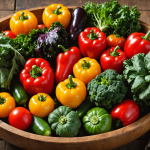
Begin by prioritizing seasonal vegetables. Local farmers often provide the freshest options, bursting with flavor and nutrients. Visit a nearby farmers’ market or a local co-op; you’ll find much more than just what’s in the grocery store. Seasonal vegetables tend to be less expensive and are often harvested at peak ripeness, making them a tasty addition to your organic recipes. For instance, consider using zucchini and bell peppers in the summer, and root vegetables like carrots and sweet potatoes in the fall.
When selecting fresh vegetables, look for signs of quality. Choose those that are firm, bright in color, and free of blemishes. Avoid pre-packaged produce whenever possible, as they often contain preservatives. Instead, pick items that are sold loose; this allows you to inspect them better and select the ripest options available. For leafy greens, opt for varieties like spinach, kale, or arugula, which not only add nutritional value but also provide a crisp texture to your meat bowls.
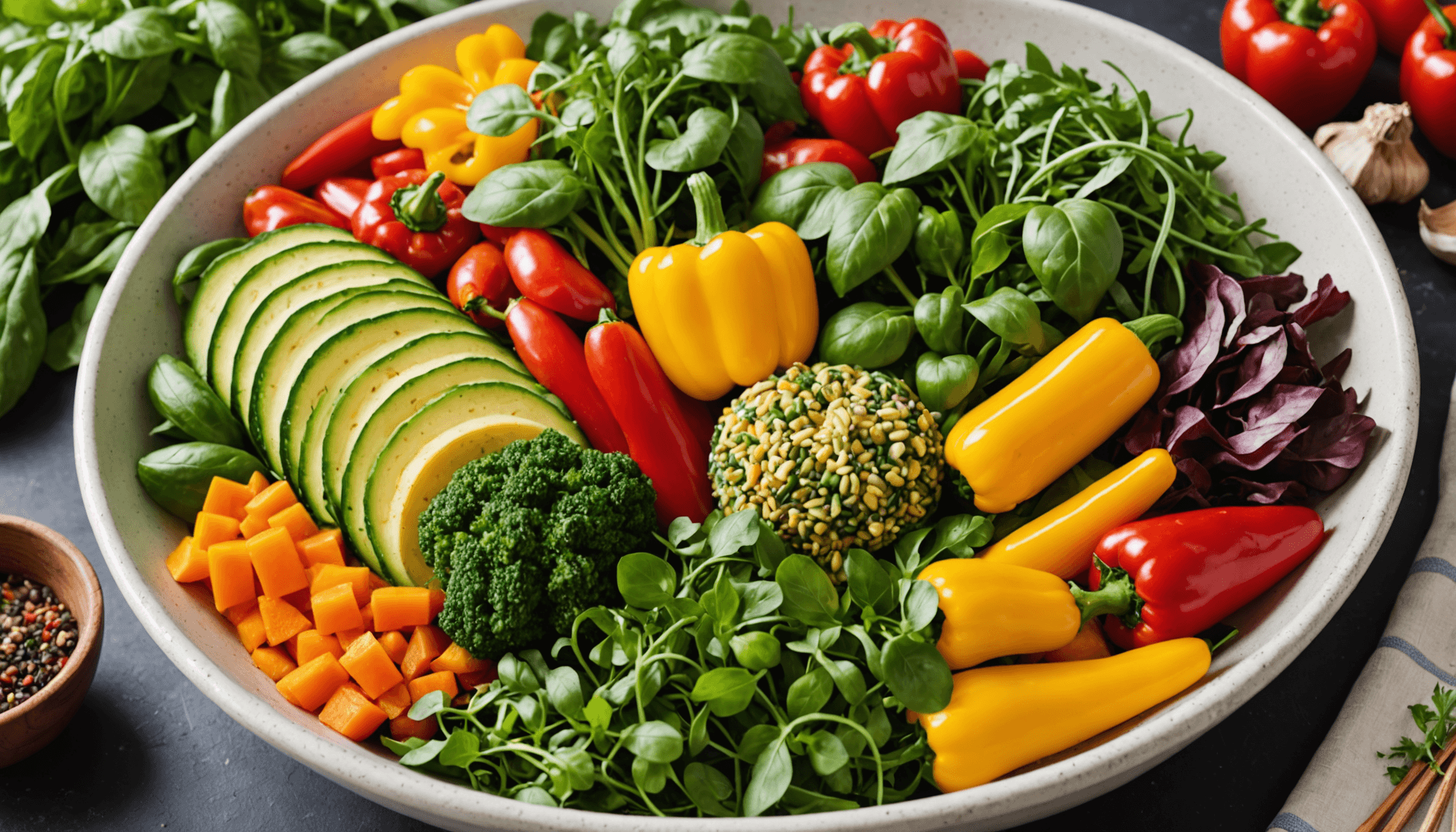
As you shop, consider incorporating a rainbow of vegetables for a visually appealing and nutritionally diverse bowl. Use dark leafy greens as a base, then layer on roasted veggies like sweet potatoes, broccoli, or beets. You might also add raw veggies such as bell peppers, carrots, or cucumbers for a refreshing crunch. Herbs like cilantro, parsley, or basil can elevate flavor profiles and provide additional health benefits.
For those focusing on budget-friendly options, buying frozen vegetables is a great strategy. They retain nutritional value and can be stored for longer periods, allowing you to reduce food waste. You might find organic frozen peas, green beans, or mixed vegetables suitable for stir-fries and bowls at reasonable prices. Just be cautious of added sauces or preservatives—always check the labels.
Online grocery shopping has become increasingly popular. When ordering vegetables online, ensure the retailer has a good reputation, and review the delivery options available. Fresh vegetables should arrive chilled; if they don’t, consider it a red flag. Also, opt for stores that allow you to customize your order to ensure the best quality and ripeness.
Another essential aspect to consider is ingredient safety. Wash all vegetables thoroughly under running water before consuming to remove any bacteria or pesticides. If you’re shopping for organic vegetables, ensure they carry the USDA Organic seal, which confirms they meet rigorous safety standards.
Incorporating these fresh, nutrient-rich vegetables into your meals will not only enhance your meat bowls but also promote a healthier lifestyle for you and your family. Remember, the more colorful and diverse your vegetable palette, the more you’re nourishing your body!
Cooking Techniques for Perfect Bowls
Cooking your meat bowls to perfection involves mastering several techniques that enhance flavor, texture, and nutritional value. One of the best methods to ensure your ingredients shine is through careful preparation and cooking. Here’s how to elevate your organic meat and veggie bowls.
Begin with marinating your proteins. Marinating meat not only infuses it with flavor but also helps tenderize tougher cuts. Opt for organic ingredients like olive oil, lemon juice, vinegar, or yogurt as the base of your marinade. You can add herbs and spices according to your preference, such as garlic, rosemary, thyme, or cumin, to create a unique flavor profile. Allow the meat to marinate for at least 30 minutes, or ideally, several hours to maximize flavor absorption.
When it comes to cooking methods, grilling is a fantastic choice for imparting a smoky depth while maintaining a juicy texture. Grill chicken, beef, or pork over medium-high heat until fully cooked but still tender. Ensure that you allow your meat to rest for several minutes post-cooking; this enables the juices to redistribute, resulting in a more succulent bite.
Searing is another effective technique, particularly for beef and pork cuts. By cooking meat at a high temperature initially, you create a flavorful crust. After searing, you can finish the cooking process in the oven, ensuring a tender, evenly cooked piece of meat throughout.
For those who prefer a healthier approach, steaming your vegetables alongside your protein can maintain its nutrients and bright color. You can steam broccoli, carrots, or asparagus quickly until just tender, preserving their vibrant taste and crisp texture. If you’re adding in grains like quinoa or farro, consider cooking them in vegetable or chicken broth to infuse additional flavor.
Roasting vegetables is also a great option. Toss your chosen vegetables in olive oil, season with salt and pepper, and spread them out on a baking sheet. Roast them at a high temperature, around 425°F, until they are caramelized and tender—typically about 20-30 minutes. This method enhances their natural sweetness and provides a delightful contrast to the savory flavors of the meat.
Incorporating various textures into your bowls elevates the overall experience. For example, pair your tender roasted vegetables with crisp fresh greens or nuts for a satisfying crunch. A sprinkle of seeds or crushed nuts like almonds or pumpkin seeds can add an inviting crunch and additional nutrition.
“Cooking is like love. It should be entered into with abandon or not at all.” – Harriet Van Horne
Lastly, don’t overlook finishing touches that can dramatically enhance the flavor of your bowls. Drizzle a little extra virgin olive oil or squeeze fresh lemon juice just before serving. Consider adding components that bring brightness, such as fresh herbs or a dollop of yogurt, which can elevate the dish from good to extraordinary.
With the right cooking techniques, you’ll create meat bowls that are not only visually appealing but also bursting with flavor and nutrition. This attention to detail in the kitchen fosters satisfying, healthy dinners that the whole family will enjoy!
Flavor Enhancements and Seasoning
 Exploring flavors and enhancing your meat bowls involves a delicate dance of spices, herbs, and creative seasonings that bring your ingredients to life. The right seasoning not only elevates the taste of your dishes but also creates layers of complexity that excite the palate. Start by investing in a variety of organic herbs and spices; these can transform even the simplest meal into a culinary delight.
Using fresh herbs like basil, cilantro, and parsley can completely alter the flavor profile of your meat bowls. For instance, sprinkling fresh herbs over your dish right before serving adds a vibrant touch that enhances both taste and presentation. Dried herbs can also be effective; consider using oregano, thyme, or rosemary during the cooking process to infuse deep flavors. The key is to balance the fresh and dried elements, allowing them to complement rather than compete with each other.
Incorporating spices into your cooking is another way to differentiate your meat bowls. Spices such as cumin, paprika, and coriander can introduce warmth and earthiness to your dishes. A spice blend, like garam masala or za’atar, can impart a regional character to your recipes, encouraging you to explore global flavors. Be mindful of the quantity you use; a little can go a long way in enhancing the overall profile, but too much can overwhelm your ingredients.
Acidity is another critical component to consider when seasoning your bowls. Adding a splash of vinegar or a squeeze of citrus can brighten your dish, cutting through the richness of fats and balancing flavors. For example, a drizzle of balsamic vinegar over grilled vegetables or a squeeze of lemon on your meat can elevate your meal to new heights. This touch of acidity enhances not only taste but also encourages the body’s absorption of nutrients.
Don’t forget the power of umami! Ingredients like nutritional yeast, parmesan cheese, or miso paste can add depth and a savory element to your organic recipes. Incorporating these umami-rich ingredients will draw together the flavors of your bowl, making each bite satisfying and well-rounded.
While experimenting with flavors, consider how your ingredients interact. Pair heartier proteins, such as grass-fed beef, with bold spices and rich seasonings. Meanwhile, lighter proteins, like organic chicken or fish, can benefit from bright citrus and fresh herbs. The juxtaposition of textures and flavors creates an inviting and balanced bowl that speaks to comfort and nutrition.
If you feel adventurous, try creating your own signature sauces or dressings to accompany your meat bowls. An easy tahini sauce, a homemade pesto, or a tangy yogurt dressing can take your meal from ordinary to extraordinary. Making sauces at home lets you control the ingredients and tailor flavors to your liking, aligning seamlessly with your commitment to organic and healthy dinners.
Engaging in flavor experimentation inspires creativity and can lead to new family favorites. Expand your culinary repertoire by learning about various flavor profiles and their origins—this exploration opens a world of delicious possibilities and keeps your meals exciting!
- What are some common flavor enhancers I can use in my meat bowls?
- Common flavor enhancers include fresh herbs such as basil or cilantro, spices like cumin or paprika, tangy elements like lemon juice or vinegar, and umami-rich ingredients like parmesan cheese or miso paste. Experimenting with these can greatly elevate the taste of your dishes.
- Can I use frozen vegetables for my meat bowls?
- Yes, frozen vegetables are a convenient and often nutritious option. They are typically frozen at peak ripeness, preserving flavor and nutrients, making them great for quick meals while reducing food waste.
- How do I know which spices to combine?
- Start by understanding the flavor profile of your main ingredients. Hearty meats pair well with bold spices, while lighter vegetables and proteins benefit from bright herbs and acids. Don’t be afraid to experiment, allowing your palate to guide your combinations.
- Is marinating meat really necessary?
- While not strictly necessary, marinating can significantly enhance flavor and tenderness. A good marinade infuses moisture and taste, making your meats more enjoyable and satisfying in your meat bowls.
- Can I make my own sauces for my meat bowls?
- Absolutely! Homemade sauces can be tailored to your taste preferences and dietary needs. Simple combinations of yogurt, herbs, and spices can result in delicious dressings that complement your bowls perfectly.
- How can I add crunch to my meat bowls?
- Add ingredients with contrasting textures such as nuts, seeds, or crispy vegetables. Ingredients like roasted chickpeas or toasted almonds can provide a delightful crunch and enhance the overall eating experience.
- What are the benefits of using organic spices and herbs?
- Organic spices and herbs are free from synthetic pesticides and fertilizers, making them a cleaner and safer option for you and the environment. They can also offer richer flavors, allowing for an elevated taste in your meat bowls.
Creative Bowl Combinations
Creating exciting bowl combinations allows you to experiment with flavors, textures, and colors, turning your healthy dinners into culinary masterpieces. Start by considering a protein base, such as marinated organic chicken or grass-fed beef, and layer it with vibrant vegetables and hearty grains for a satisfying experience. The beauty of bowl meals lies in the freedom to personalize them according to dietary preferences, seasonal ingredients, or whatever you have on hand.
For a Mediterranean-inspired bowl, you may begin with a base of quinoa or farro. Top it with grilled chicken marinated in lemon juice, garlic, and oregano. Then, add roasted eggplant, cherry tomatoes, and a handful of mixed greens. Finish it off with a drizzle of tahini sauce or a sprinkle of feta for that perfect creaminess. The combination of flavors and textures here is not only delicious but also offers a balanced mix of nutrients.
If you’re thinking about a plant-based option, consider a hearty vegan bowl using brown rice as a base. Add in roasted chickpeas seasoned with cumin and chili powder for protein, followed by a colorful array of steamed broccoli, shredded carrots, and bell peppers. Top this off with avocado slices for creaminess and a zesty lime vinaigrette that balances the flavors beautifully. This option is not only budget-friendly but also brimming with health benefits and flavor.
- Asian-inspired bowl: Start with a base of soba noodles or brown rice, add marinated tofu or chicken, stir-fried snap peas and bell peppers, and finish with a sesame ginger dressing for depth.
- Tex-Mex bowl: Use quinoa as the base, then layer with black beans, corn, diced avocado, grilled chicken or tempeh, and drizzle with lime cilantro dressing to pack a flavorful punch.
- Breakfast bowl: Combine scrambled eggs or scrambled tofu with sautéed spinach, cherry tomatoes, and whole-grain toast croutons for a filling breakfast that can double as a brunch or quick lunch option.
When brainstorming bowl combinations, don’t hesitate to look at what’s seasonal or what you have in your pantry. Mixing grains, proteins, and vegetables allows for infinite creativity, letting each meal showcase a delightful combination of tastes and appearances. Pairing contrasting textures—like crispy roasted broccoli with creamy hummus or crunchy seeds—enriches your dining experience, pushing your meals beyond the ordinary.
Keep in mind that adding sauces and toppings can elevate a basic bowl into something extraordinary. Homemade sauces are an excellent way to control ingredients while enhancing flavor. A dash of sriracha or homemade chimichurri can completely transform simple components, reflecting your personal taste and dietary goals. Remember, your meat bowls should be as much about enjoyment as they are about health—allow your creativity to flourish!
New Customers Offer!
Free Gift for the new customer
$24 Value, When You Subscrib Visit Thrive Market