- Choosing the Right Ingredients
- Preparing the Chicken
- Selecting Fresh Vegetables
- Cooking Techniques for Stir-Fry
- Flavor Enhancements and Sauces
- Serving Suggestions and Tips
When it comes to grocery shopping, making informed choices is key to ensuring that your meals are both nutritious and delicious. Start your journey by focusing on healthy cooking principles that incorporate fresh, high-quality ingredients. Here are some practical tips to elevate your grocery shopping experience:
- Prioritize Freshness: Always opt for fresh ingredients. For meats, choose organic chicken if possible; it’s not only healthier, but also supports sustainable farming practices. Check for clear expiration dates, and rely on reputable brands or local sources where you can verify the quality.
- Explore Local Markets: Visit farmers’ markets or local produce stands to discover seasonal vegetables and fruits. Not only do these foods taste better, but they also reduce your carbon footprint. Look for vibrant produce; the more colorful your plate, the more nutrients you’re likely getting!
- Vegan Options: For those following a plant-based diet, focus on whole grains, legumes, tofu, and a variety of vegetables to create a balanced stir-fry. Ingredients like chickpeas, quinoa, and seasonal vegetables can provide protein and fiber while enhancing your stir-fry recipes.
- Budget-Friendly Choices: Keep an eye out for sales on frozen organic vegetables. They are often flash-frozen at peak ripeness, preserving their nutrients and flavor while being more economical than fresh produce at times. Canned beans and lentils are also great staples that can add substance to your meals without breaking the bank.
- Safety First: When purchasing organic meats, always check for proper storage conditions—even in stores. For online shopping, ensure that your chosen retailer has a good reputation and clear return policies in case of issues with freshness. Avoid purchasing perishable items from sellers with low ratings or unclear sourcing practices.
- Research Ingredients: Familiarize yourself with essential ingredients that enhance flavor without added sodium or preservatives. For example, coconut aminos or low-sodium soy sauce can serve as healthier alternatives for flavoring your stir fries. Always read food labels to avoid hidden additives.
By implementing these strategies into your grocery shopping routine, you can create meals that align with your health goals while also supporting local vendors and minimizing your environmental impact. Happy shopping!
Preparing the Chicken
To prepare the chicken for your stir-fry, begin by selecting the right cut. Boneless, skinless chicken breast is a popular choice due to its lean nature and quick cooking time, making it ideal for high-heat stir-frying. However, thighs can add more flavor and moisture, so consider your personal preference when making your selection. Once you have the chicken, it’s crucial to properly clean and cut it to ensure even cooking and optimal texture.
Start by rinsing the chicken under cold water and patting it dry with paper towels to remove excess moisture. This step helps in getting a nice sear on the chicken once it hits the hot pan. Next, place the chicken on a clean cutting board. Using a sharp knife, slice the chicken into thin, uniform pieces. Aim for approximately ¼-inch thick slices, as this thickness allows for quicker cooking and better absorption of flavors during the stir-fry process.
After slicing, consider marinating the chicken to enhance its flavor profile. A simple marinade can be made with soy sauce, garlic, ginger, and a touch of sesame oil. Allow the chicken to marinate for at least 15-30 minutes—longer if time permits—to ensure the flavors infuse well. This not only improves taste but also helps tenderize the meat.
Below is a comparison of different chicken cuts suitable for stir-fry, which highlights their characteristics:
| Chicken Cut | Flavor | Texture | Cooking Time | Best Uses |
|---|---|---|---|---|
| Chicken Breast | Milder | Lean | Quick (3-5 mins) | Stir-fry, Grilling, Salads |
| Chicken Thigh | Richer | Juicier | Moderate (5-7 mins) | Stir-fry, Braising, Roasting |
| Chicken Tenders | Mild | Tender | Quick (3-5 mins) | Stir-fry, Frying, Wraps |
Once your chicken is marinated and your preferred cut is ready, make sure to eat safe practices by cooking the chicken thoroughly. When stir-frying, heat your wok or skillet over high heat before adding in your chicken. This technique creates a sear, locking in flavors and juices. Avoid overcrowding the pan, as this will lead to steaming rather than frying, compromising that desired crispness.
Lastly, while cooking, keep the chicken moving in the pan. Stir it frequently to ensure even cooking and prevent sticking. Aim for an internal temperature of 165°F to guarantee it’s fully cooked. With well-prepared chicken, your stir-fry recipes will shine, providing a delicious foundation for your organic meals that embrace the principles of healthy cooking.
Selecting Fresh Vegetables

- Focus on Seasonal Vegetables: When selecting vegetables for your stir-fry, prioritize those that are in season. Local, seasonal produce tends to be fresher and more flavorful. For example, in the spring, opt for asparagus and snap peas; in the summer, zucchini and bell peppers make excellent additions. This not only enhances the taste of your dish but also supports local farmers and reduces transportation emissions.
- Evaluate Freshness: Look for vibrant color and firmness when picking fresh vegetables. A good rule of thumb is to choose veggies that feel heavy for their size and have a crisp texture. Avoid any produce with signs of wilting or aging. For leafy greens, check that the leaves aren’t browning at the edges, and consider choosing organic varieties to avoid pesticide residues.
- Incorporate Nutrient-Rich Choices: To maximize the health benefits of your stir-fry, include a variety of colorful vegetables. Dark leafy greens like kale and spinach are nutrient powerhouses, while red bell peppers are high in vitamin C. Broccoli and carrots also add fiber and essential vitamins, so don’t shy away from mixing different types for a healthy cooking treat.
- Shop Smart: When grocery shopping, it’s wise to create a list based on your planned meals. This prevents impulse buys and allows you to focus on healthy, purposeful purchases. If you’re shopping online, check product reviews and ratings, especially for fresh produce. Look for sites that allow for local pick-up to ensure what you’re purchasing has the chance to be fresher than shipped items.
- Consider Frozen Vegetables: Frozen vegetables can be a great alternative when fresh options aren’t available. They are often picked at peak ripeness, quickly blanched, and frozen to maintain their nutrients. Keep a bag of mixed frozen stir-fry vegetables on hand for quick and effortless meal prep—just toss them directly into your wok without thawing!
- Mind Your Ingredients: For optimal freshness, choose vegetables that can be stored safely in your pantry or refrigerator. Root vegetables like carrots, sweet potatoes, and onions have a longer shelf life, while softer vegetables like tomatoes should be used within a few days of purchase. Always properly wash all produce before cooking to ensure they are free from dirt and potential pesticides.
Utilizing these approaches in your vegetable selection process will not only enhance your stir-fry recipes but also contribute to a more nutritious and enjoyable meal. Embrace the variety that fresh vegetables provide to create organic meals that energize and satisfy your family and guests alike.
Cooking Techniques for Stir-Fry
To achieve a successful stir-fry, mastering certain cooking techniques is essential. Start by selecting the right pan; a wok is ideal thanks to its unique shape, which allows for quick and even cooking. If a wok isn’t available, a large sauté pan will work just as well. Preheat your pan over high heat, allowing it to become hot enough that a drop of water sizzles upon contact. This initial step is crucial for achieving that coveted sear on your chicken and vegetables, which enhances the dish’s flavors and texture.
Once the pan is hot, add a small amount of oil with a high smoke point, such as canola, grapeseed, or peanut oil. These oils are ideal for stir-frying since they can withstand high temperatures without breaking down. Swirl the oil around to coat the base of the pan evenly, and then carefully add the marinated chicken. Avoid overcrowding the pan; you want to give each piece enough space to sear rather than steam. Cook the chicken for 3-5 minutes, stirring frequently to ensure even cooking. When the chicken is browned and cooked through, remove it from the pan and set it aside.
Next, it’s time to add the vegetables. If you’re using a mix of different vegetables, add them in stages based on their cooking times. For instance, start with denser vegetables like carrots and bell peppers, which require a bit more time to soften. Stir-fry them for a couple of minutes before adding quicker-cooking options like broccoli, snow peas, or leafy greens. The key to a great stir-fry is not just speed but also retaining the vibrant color, crunch, and nutrients of your vegetables.
Stir-frying is all about timing and temperature control. As you cook the vegetables, keep them moving in the pan. This ensures that they cook evenly without becoming soggy. The goal is to achieve a perfect balance of texture: tender yet still crisp. Use a spatula or wooden spoon to toss the ingredients continuously, and be ready to adjust the heat if necessary to avoid burning.
Another beneficial technique involves aromatics. After you’ve cooked your chicken and added your vegetables, create a space in the pan by pushing the veggies to the sides. This allows you to add garlic, ginger, or scallions directly into the middle, where they can sauté briefly. Adding these ingredients later in the process helps to release their flavors without burning, enhancing the overall taste of your stir-fry.
For those who enjoy depth of flavor, consider incorporating a splash of stock or water during the cooking process. This addition not only helps with steaming the vegetables but also creates a light sauce as it combines with the residual oils and seasonings in the pan.
Finally, it’s essential to finish the stir-fry with your choice of sauce or seasoning. Whether it’s soy sauce, teriyaki, or a homemade concoction, add it towards the end of cooking. This prevents the sugars in the sauce from burning while still allowing the flavors to penetrate the chicken and vegetables.
Using these cooking techniques for stir-fry will elevate your organic meals, ensuring that every component is cooked just right, resulting in a dish that’s not only pleasing to the palate but also packed with nutrients.
“Cooking is like love; it should be entered into with abandon or not at all.” – Harriet Van Horne
Flavor Enhancements and Sauces
 When it comes to enhancing the flavor of your stir-fry, the right sauces and seasoning can elevate your dish from ordinary to extraordinary. There’s a world of flavors to explore, each capable of bringing depth and richness to your organic meals. Think beyond classic soy sauce; consider experimenting with a variety of sauces that can add unique flavor profiles while keeping true to healthy cooking practices.
Start with the basics, like soy sauce or tamari, which provide that umami punch. For those looking for a gluten-free option, tamari is a great alternative. You can also use low-sodium versions to manage salt intake without sacrificing flavor. Another excellent candidate is coconut aminos, made from fermented coconut sap, offering a slightly sweeter flavor and a lower sodium content.
Don’t overlook the power of aromatics. Fresh garlic, ginger, and chilies can create a vibrant base for your sauce. Incorporating minced garlic and ginger into your stir-fry not only enhances the flavor but also adds numerous health benefits. Garlic is known for its immune-boosting properties, while ginger aids digestion and adds a zesty warmth. Meanwhile, fresh chilies can introduce heat if desired; just adjust the amount based on your tolerance for spice.
For those looking to add sweetness without extra sugar, consider using natural alternatives such as honey or maple syrup in moderation. A splash of rice vinegar can help to balance out sweetness with acidity, enriching the overall flavor. Likewise, sesame oil imparts a nutty aroma, lending complexity to your dish. A little goes a long way, so drizzle it in at the end for the most impact.
Creating a sauce doesn’t have to be complicated; sometimes, a simple mix of a few ingredients can yield remarkable results. For instance, a blend of soy sauce, sesame oil, and a small amount of honey creates a delightful sticky glaze that pairs beautifully with chicken and vegetables. You can even think about adding a bit of broth or water to thin it out if desired, ensuring it coats the ingredients perfectly without overpowering them.
When it comes to customizing sauces, don’t be afraid to get creative. Incorporating fresh herbs like cilantro or basil can provide a burst of freshness. Additionally, consider adding citrus zest or juice for a bright finish—think lemon, lime, or even orange, which can elevate the dish significantly.
As you experiment with different flavor enhancements and sauces, consider how they interact with the natural flavors of your chosen ingredients. This approach not only ensures a delicious meal but also encourages options that remain healthier and more wholesome. Challenge yourself to memorize a few core sauces and variations that resonate with your taste preference, as they can serve as the foundation for countless stir-fry recipes in the future.
- What is the best cooking oil for stir-frying?
- Oils with high smoke points, such as canola, peanut, or grapeseed oil, are ideal for stir-frying. These oils can withstand the high heat required for this cooking method without burning.
- How can I thicken my stir-fry sauce?
- To thicken your stir-fry sauce, you can mix a teaspoon of cornstarch with water to create a slurry and stir it in while cooking. Alternatively, letting the sauce simmer and reduce can also naturally thicken it.
- Can I make a stir-fry without soy sauce?
- Absolutely! You can use alternatives like coconut aminos or homemade sauces utilizing ingredients like broth, vinegar, and spices. This allows for a flavorful dish that caters to varied dietary needs.
- What vegetables are best for stir-frying?
- Quick-cooking vegetables like bell peppers, broccoli, snap peas, and carrots work well for stir-frying due to their ability to stay crisp. Including a mix of these adds color and nutrient variety to your meal.
- How do I store leftover stir-fry?
- Store leftovers in an airtight container in the refrigerator for up to 3-4 days. Reheat in a skillet or in the microwave, adding a splash of water or broth to maintain moisture.
- Can I freeze stir-fry?
- Yes, stir-fry can be frozen. Make sure it’s cooled completely, then portion it into freezer-safe containers. It can last in the freezer for about 3 months; just thaw and reheat when ready to eat.
- How do I prevent my stir-fry from becoming soggy?
- To prevent sogginess, ensure your vegetables are cut uniformly and cooked quickly over high heat to retain their crispness. Avoid overcrowding the pan during cooking, and dry your ingredients thoroughly before adding them.
Serving Suggestions and Tips
When it comes to serving your chicken stir-fry, the presentation and accompanying elements can significantly enhance the dining experience. A well-served dish not only looks appealing but also invites appetites. Here are some practical tips for serving your stir-fry that will delight your family and make mealtime a vibrant occasion:
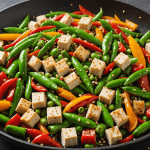
- Opt for Color: Make your stir-fry visually inviting by using a variety of colorful vegetables. Mix greens, reds, yellows, and purples to create a vibrant plate that is as nutritious as it is appetizing. For example, adding sliced red bell peppers, green broccoli, and purple cabbage can make the dish pop with color.
- Choose the Right Base: Serve your stir-fry over a healthy base to complement and absorb the flavors. Options include brown rice, quinoa, or whole wheat noodles. For a low-carb alternative, consider spiralized vegetables, such as zucchini noodles or cauliflower rice, which are also excellent for maintaining a lighter meal. This also aligns with healthy cooking practices to optimize your nutrition.
- Garnish Creatively: Adding a finishing touch can elevate your dish. Sprinkle sesame seeds, chopped green onions, or fresh herbs like cilantro or basil over the top just before serving. These garnishes not only enhance the flavor but also add a fresh aroma that boosts the overall enjoyment of your meal.
- Serving Size Matters: Be mindful of portion sizes. A healthy serving of stir-fry typically consists of a balanced portion of protein, vegetables, and your choice of carbohydrates. Aim for half your plate to be filled with vegetables to ensure a nutritious meal that adheres to modern dietary guidelines.
- Interactive Dining: Consider a family-style serving approach where you present the stir-fry in a large bowl and allow everyone to serve themselves. This not only encourages sharing but creates a more communal and engaging dining experience, which can enhance family bonding during meals.
- Include Accompaniments: Pair your stir-fry with complimentary side dishes, such as a light salad or steamed edamame, for added texture and flavor complexity. You can also offer dipping sauces on the side, encouraging everyone to customize their flavors and explore new combinations. A simple soy sauce or a spicy chili sauce can add that extra zing.
- Mindful Eating Practices: Encourage everyone at the table to slow down and savor each bite. Discussing the ingredients, their health benefits, and where they came from can elevate the mealtime experience further. Sharing thoughts about preparing the dish fosters an appreciation for your organic meals and healthy cooking efforts.
By incorporating these serving suggestions, you can transform your meal into an opportunity for connection and appreciation for wholesome eating. Take the time to enhance your experience, making each stir-fry not just a dish, but a delightful moment to share with loved ones.
New Customers Offer!
Free Gift for the new customer
$24 Value, When You Subscrib Visit Thrive Market