- Nutritional Benefits of Organic Ingredients
- Choosing the Right Meat for Your Bowl
- Selecting Fresh Vegetables
- Flavorful Sauces and Dressings
- Creative Bowl Combinations
- Tips for Meal Prep and Storage
When it comes to grocery shopping, one of the most effective ways to ensure you’re getting the best organic recipes is to focus on fresh, local products. Shopping at farmers’ markets or local farms not only supports your community but often yields fresher and more nutrient-dense ingredients than those found in conventional grocery stores. Look for vendors that offer organic certifications, as this guarantees that the products meet stringent standards. Moreover, many local producers often sell their products at better prices than you’d find in larger retailers.
When replacing conventional items with organic options, consider your priorities. If your goal is to avoid pesticides and other chemicals, prioritize buying organic for the “Dirty Dozen,” a list compiled annually by the EWG (Environmental Working Group) that identifies fruits and vegetables with the highest pesticide residues. These include strawberries, spinach, and kale, which can significantly enhance the nutritional value of your meat bowls and healthy dinners.
For fitness enthusiasts, fueling your body with the right nutrients is crucial. Lean organic proteins, such as chicken, turkey, or grass-fed beef, are excellent additions to your bowls, providing high-quality fuel for your workouts. In the grocery store, look for cuts that are labeled organic, and don’t be afraid to ask questions about the sources. Many butchers are passionate about their products and can share insights into the meat’s journey from farm to store. This not only helps you make informed decisions but can also enhance the stories behind your dishes.
While shopping online, ensure you check out the delivery options for grocery services that specialize in organic products. There are several reputable websites where you can find bulk organic items at reduced prices. Always read reviews and look for stores that offer money-back guarantees to ensure freshness upon arrival. You can also sign up for newsletters from your favorite organic brands to receive alerts about sales and discounts, which can help you budget while shopping for healthier options.
Incorporating diverse flavors into your meat bowls starts with exploring widely available organic spices and seasonings. Turmeric, cumin, and smoked paprika not only enhance flavor but come packed with health benefits. Ensure that these are non-GMO and certified organic when possible. Additionally, don’t overlook the importance of healthy fats. Avocado oil, extra virgin olive oil, and nut butters add creamy textures and flavor while providing essential nutrients. These should be staples in your pantry to elevate any meal, ensuring every bite is as nutritious as it is delicious.
Lastly, always keep an eye on product labels. Whether shopping in-store or online, look for items with clear recycling information and minimal packaging to not only reduce your carbon footprint but also to ensure you’re contributing positively towards the environment. Choose products with shorter ingredient lists that you can easily recognize. In doing so, you’ll create meals that are as wholesome as they are delightful.
Choosing the Right Meat for Your Bowl
Choosing the right meat for your bowl involves not only understanding your dietary needs but also considering the quality and source of the meat. Organic meat has become a popular choice among health-conscious consumers for its potential benefits over conventional options. When selecting meat for your organic recipes, focus on types that are nutrient-dense, free from harmful additives, and ethically sourced.
Organic meat is derived from animals that are raised without the use of synthetic hormones, antibiotics, or genetic modifications. This can lead to a healthier end product for both consumers and the environment. Grass-fed beef, pasture-raised poultry, and free-range pork not only offer superior taste but also contain higher levels of Omega-3 fatty acids, vitamins, and antioxidants compared to their grain-fed counterparts.
Here’s a comparison between conventional and organic meats in terms of nutritional content and environmental impact:
| Meat Type | Nutritional Benefits (per 100g) | Environmental Impact |
|---|---|---|
| Grass-Fed Beef | Higher Omega-3s, Vitamin E, and Antioxidants | Lower carbon footprint, promotes pasture rehabilitation |
| Conventional Beef | Lower Omega-3s, Higher Saturated Fats | Higher carbon footprint, often contributes to deforestation |
| Pasture-Raised Chicken | Higher Vitamin D, Better Fat Composition | Supports biodiversity, natural pest control |
| Conventional Chicken | Higher Fat Content, Less Nutrients | Higher antibiotic resistance, less humane conditions |
When considering what type of organic meat to choose for your meal, think about the flavor profile and how it complements the other ingredients in your meat bowls. Tender cuts such as chicken thighs or flank steak can absorb marinades well and become incredibly flavorful when grilled or roasted. On the other hand, lean options like turkey breast or tofu can add a unique texture and absorbing capability, making them excellent for bowls filled with a variety of sauces and toppings.
It is also important to think about portion sizes. Using organic meat doesn’t mean you have to overpower your meal with protein. Instead, consider balancing your dish with a variety of healthy vegetables and grains, allowing the meat to enhance the other flavors rather than dominate them. This approach not only makes for a well-rounded meal but also supports healthy dinners that are satisfying without being overly heavy.
Incorporating different cooking methods can improve the taste and texture of your chosen meat as well. For example, marinating chicken overnight in an organic citrus or yogurt marinade can not only infuse flavor but also tenderize the meat, creating a juicy addition to your bowls. Roasting vegetables alongside your selected meat can also meld the flavors, providing a deliciously harmonious blend for your meal.
Lastly, always pay attention to where you source your organic meat. Building relationships with local farmers or butchers who prioritize ethical and sustainable methods can enhance your knowledge about the meat you’re using and its journey. This can lead to better quality ingredients that not only taste amazing but are also better for your health and the planet. By choosing the right meat, you can elevate your organic recipes to new heights while ensuring your meals remain wholesome and nutrient-rich.
Selecting Fresh Vegetables
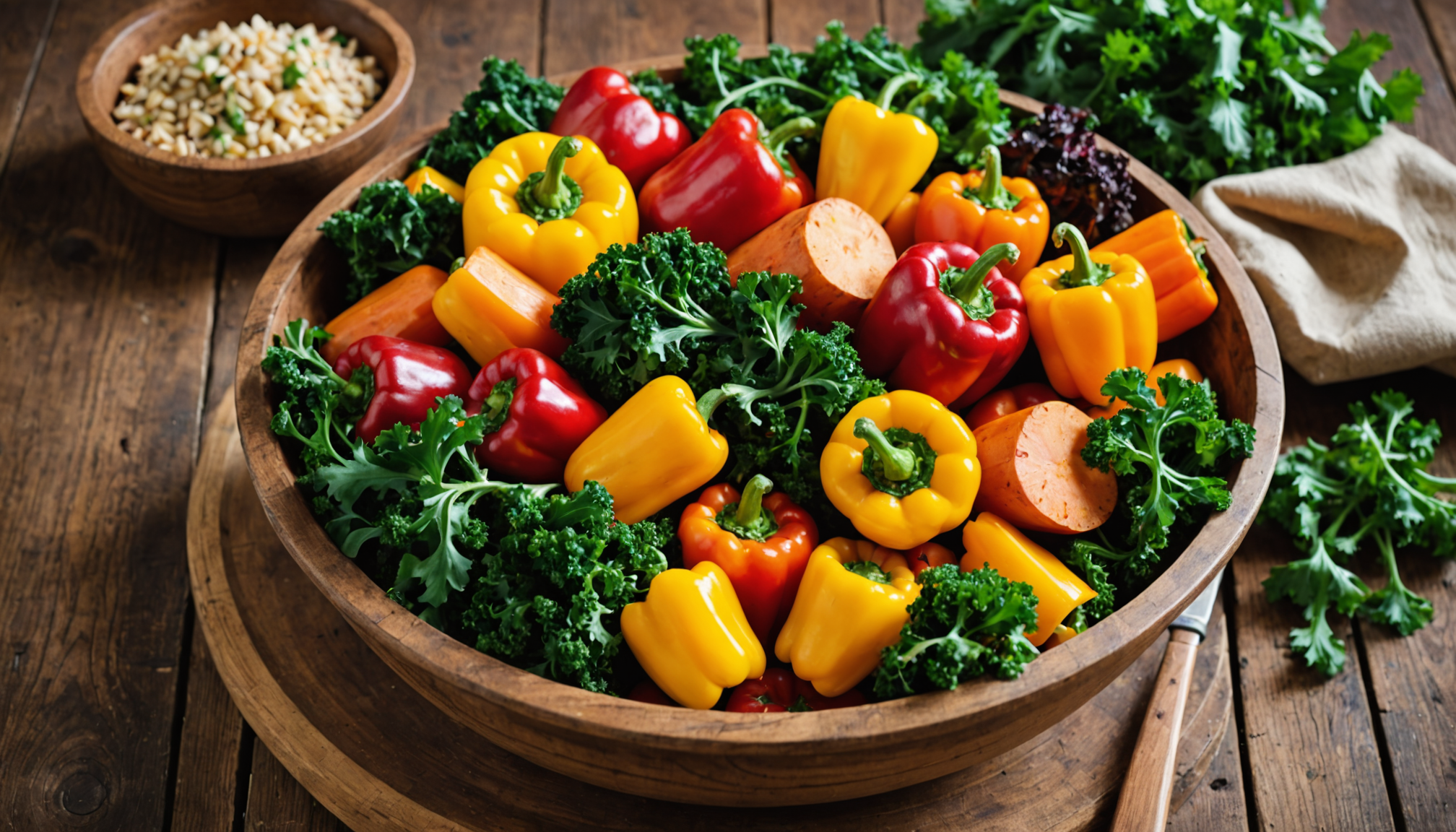
When it comes to selecting fresh vegetables for your meat bowls, there are several factors to keep in mind to ensure you’re getting the best quality and the healthiest options. Start by considering seasonality; purchasing vegetables that are in season not only supports local farmers but also ensures you’re getting produce at its peak flavor and nutrient density. Visit your local farmers’ market or look for seasonal charts specific to your area to guide your choices.
When shopping in-store or online, always focus on freshness. Look for vegetables with vibrant colors, firm textures, and unblemished skins. For leafy greens, choose those that are crisp rather than wilted. If you’re opting for packaged vegetables, examine the expiration date to ensure they’re recent. Additionally, consider organic varieties of the vegetables you frequently use, particularly those from the EWG’s Dirty Dozen list, which identifies produce with higher pesticide residues. Organic spinach, bell peppers, and strawberries are perfect choices to include in your healthy dinners.
For budget-conscious families: buying in bulk can save money. Purchase larger quantities of items like carrots, onions, and potatoes, which have a longer shelf life. Consider freezing any surplus vegetables for later use, thus minimizing waste and ensuring that you always have nutritious options on hand. Also, check for discounts on nearing-expiration items that can be used immediately in your dishes.
For vegan families or those simply looking to reduce animal products, explore options like zucchini noodles, cauliflower rice, or chickpea pasta as healthy, vegetable-rich alternatives in your bowls. These substitutions can enhance your nutrient intake while also providing exciting textures and flavors.
While shopping online, take advantage of delivery services that offer organic produce. Ensure you’re using reputable websites that offer guaranteed freshness upon delivery, and check customer reviews to avoid any disappointments with the quality. Sign up for loyalty programs that reward regular purchases or allow for bulk buying discounts, making your shopping both economical and health-conscious.
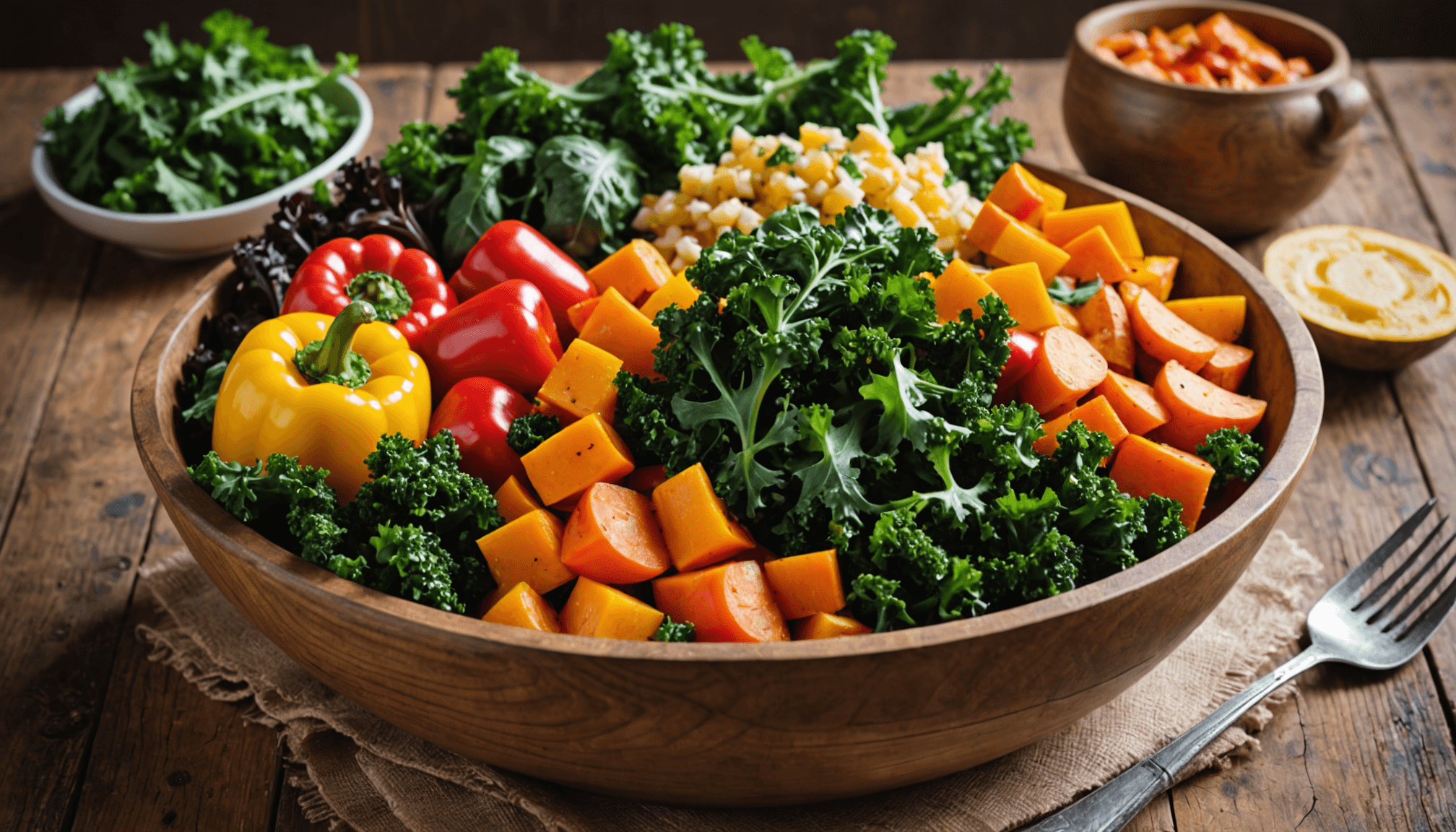
Don’t forget to experiment with a variety of colors and types of vegetables in your meat bowls. Incorporate items like sweet potatoes for their rich beta-carotene, kale for its antioxidant properties, and bell peppers for their vibrant flavors and crunch. A diverse array not only aids in boosting nutrition but also makes your meals visually appealing.
Lastly, familiarize yourself with safe handling practices. Wash all fresh produce thoroughly under running water to remove any dirt or potential pesticide residues, even if they are organic. Keep an eye on food safety guidelines, especially when buying online, such as checking for proper refrigeration during transit to ensure that your vegetables arrive fresh.
Flavorful Sauces and Dressings
Creating flavorful sauces and dressings is an essential part of bringing your meat bowls and healthy dinners to life. The right sauce can enhance the flavors of your ingredients, adding depth and excitement to every bite. When preparing your organic recipes, try to lean towards homemade options whenever possible, as this allows you to control the ingredients and avoid unwanted additives often found in store-bought varieties.
Start by considering a base for your sauces. Yogurt, tahini, and nut butters can serve as great foundations, offering creamy textures and added nutrition. For instance, a simple tahini dressing made with tahini, lemon juice, garlic, and a splash of water can bring a nutty flavor that complements roasted vegetables beautifully.
When it comes to herbal and spice blends, fresh herbs can be a game changer. Chopping up a handful of cilantro, basil, or parsley and mixing it into your dressings can provide a burst of freshness. Pair these herbs with citrus juices like lemon or lime, which not only brighten the flavor but also add valuable vitamins.
For those seeking a bit of heat, consider incorporating spices like chili flakes, smoked paprika, or ginger. A spicy peanut sauce or a zesty chimichurri made from parsley, garlic, vinegar, and olive oil can entirely transform the profile of your meat bowls, creating a memorable meal.
Texture is another crucial element in sauce creation. Adding nuts, seeds, or even avocados can make your sauces creamy and satisfying. You might consider blending avocado with lime juice, garlic, and a touch of salt for a delightful, healthy dressing perfect for drizzling over your wholesome bowls.
Don’t forget the importance of balancing flavors in your dressings. Striving for a mix of salty, sweet, sour, and umami elements can create a sauce that dances on your palate. For example, a soy-sauce-based dressing enhanced with maple syrup and rice vinegar delivers a wonderful mixture that can harmonize with all components of your meat bowls.
“The right sauce can elevate a simple dish into a masterpiece.”
Lastly, think about preparing larger batches of your favorite dressings to have on hand throughout the week. Store them in airtight containers in the refrigerator, where they can add convenience to your organic recipes and make meal prep easier. With the right sauces and dressings, your meat bowls will not only be nutritious but also bursting with flavors that make healthy eating enjoyable.
Creative Bowl Combinations
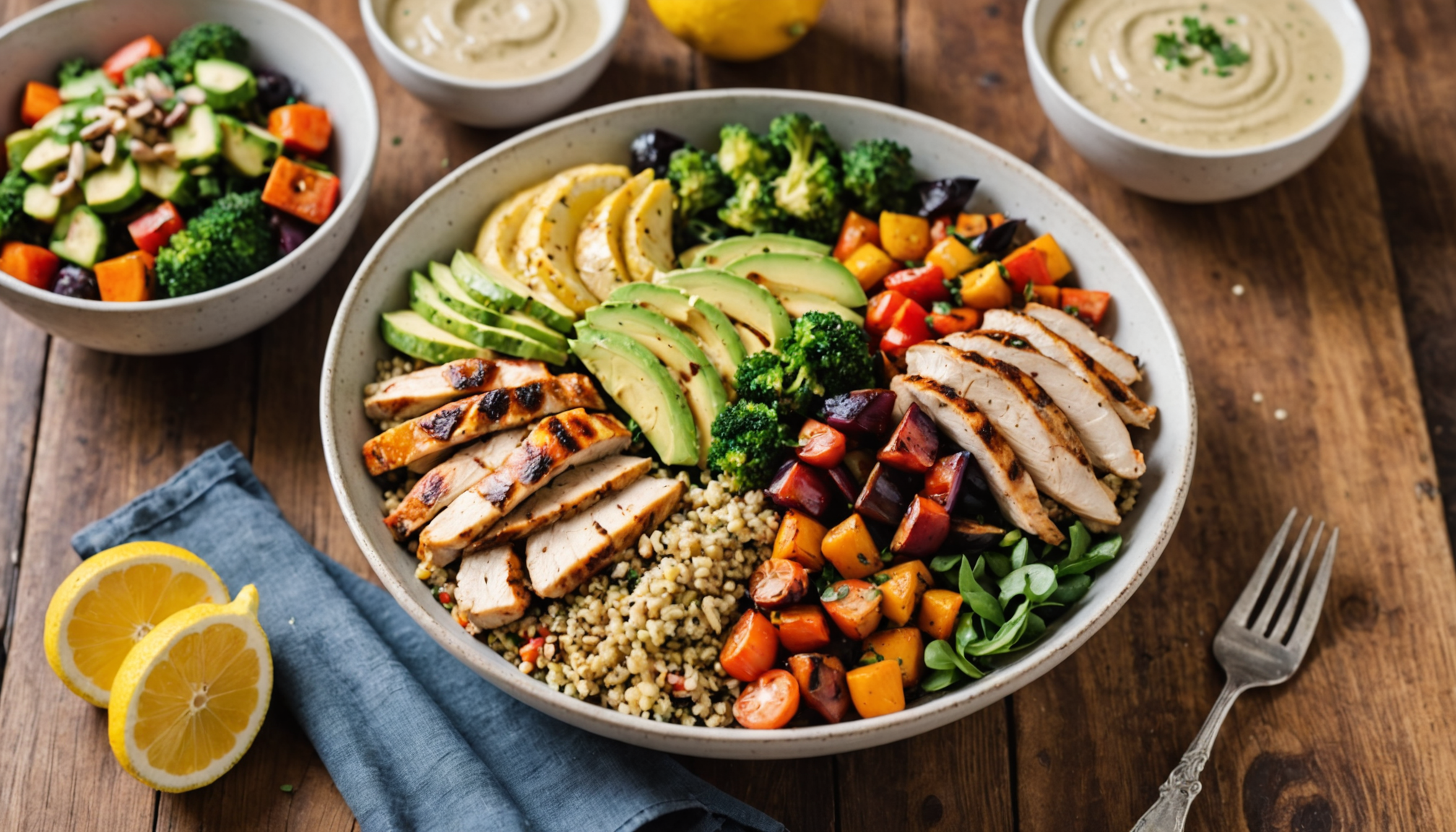 Creating unique and appealing combinations for your bowls allows you to explore a world of flavors and textures, ensuring that each meal is a delightful experience. Start with a foundation of grains like quinoa, brown rice, or farro; these not only provide a nutritious base but also absorb flavors from the ingredients above. Pair these grains with contrasting textures such as crunchy raw veggies, creamy avocado, or roasted root vegetables to create an engaging mouthfeel.
Experimenting with various proteins can also enhance your meat bowls. Try mixing grilled chicken with smoked tofu or combining shredded beef with chickpeas. This not only diversifies the nutrients in your meal but also creates exciting flavor profiles. Don’t shy away from using spices to season your proteins; a spice rub or marinade can add intense flavors that complement the other ingredients in your bowl.
Incorporating seasonal produce into your meat bowls can keep things fresh and interesting. For example, during summer months, combine vibrant tomatoes and cucumbers with roasted corn and cilantro, while in winter, opt for hearty roasted squash, Brussels sprouts, and a dollop of tahini dressing to warm up your meal. The inclusion of seasonal fruits and vegetables not only enhances the visual appeal but also provides a range of vitamins and minerals, making your dishes as nutritious as they are delicious.
Sauces play a crucial role in unifying the flavors within your bowls. A zesty lemon-tahini dressing could transform a simple combination of grilled veggies and quinoa into a standout dish, while a rich barbecue sauce could elevate a smoky meat and corn mixture. Consider the inherent flavors of each ingredient and how they complement one another to craft a harmonious blend.
Think outside the box by incorporating unexpected items such as fruits into your bowls. Grilled peaches or sliced apples can add a sweet contrast to savory ingredients, while nuts and seeds provide not only flavor but also added crunch and healthy fats. The result is a well-rounded, satisfying meal that bursts with personality in every bite.
In the realm of creativity, your imagination is the only limit. Challenge yourself to create “themed” bowls around international cuisines, whether it be a Mediterranean-inspired bowl with chickpeas, olives, and tzatziki, or a spicy Asian bowl with sesame chicken, edamame, and a drizzle of sriracha. This approach allows you to not only enjoy a variety of flavors but also learn about different culinary traditions.
By consistently trying out new combinations and flavors, you enrich your meal experiences and make healthy eating something to look forward to. Each bowl becomes a canvas for your culinary creativity, inviting you to explore new ingredients and flavors, ultimately leading to a more enriching dining experience.
- What are the benefits of using organic ingredients in my meat bowls?
- Organic ingredients are often fresher and free from harmful pesticides and synthetic fertilizers, making them a healthier choice. They are typically richer in flavor and nutrients, enhancing the overall quality of your meal.
- How can I ensure I’m choosing the right protein for my bowls?
- Look for organic, grass-fed, or pasture-raised options to ensure you’re selecting high-quality proteins. Consider trying a mix of meats and plant-based proteins for diverse flavors and textures.
- What are some good sources of healthy fats to include?
- Avocado, nuts, seeds, and oils like olive or avocado oil provide essential healthy fats. Incorporating these into your meat bowls not only boosts nutrition but also enhances flavor and texture.
- How do I select the best vegetables for my dishes?
- Choose seasonal vegetables that are fresh and vibrant in color. Organic options from local farmers’ markets often provide the best quality and flavor, making your meat bowls deliciously nutritious.
- What kinds of sauces complement meat bowls?
- Flavorful sauces such as tahini, yogurt-based dressings, and spicy peanut sauces can enhance the taste of your meat bowls. Homemade sauces allow you to control ingredients and avoid preservatives.
- Can I prepare my meat bowls in advance?
- Yes, meal prepping your ingredients in advance can save time during the week. Cook grains, chop vegetables, and marinate proteins ahead of time for quick assembly of healthy meals.
- How can I make my meat bowls visually appealing?
- Use a variety of colors and textures in your ingredients. Layering different components and garnishing with fresh herbs or nuts can create a visually stunning meal that is as enjoyable to look at as it is to eat.
Tips for Meal Prep and Storage
When it comes to meal prep and storage for your meat bowls, the key is organization and efficiency. By taking a little time to prepare, you can streamline your cooking process and enjoy healthy dinners throughout the week without feeling overwhelmed.
Begin by planning your meals ahead of time. Create a weekly menu that outlines what ingredients you’ll need for your meat bowls and other dishes. This step not only helps in making an organized shopping list but also reduces impulse buying at the grocery store. When planning, aim for variety, ensuring you incorporate different proteins, vegetables, and grains to keep your meals exciting.
Batch cooking is a game changer for busy families and professionals. Prepare larger quantities of grains like quinoa or brown rice and roast a variety of veggies in one go. By dedicating a few hours on the weekend or your day off to this process, your meals will be nearly assembled and ready to go during the busy workweek. Simply grab what you need, mix, and heat!
Invest in high-quality, airtight containers for your prepped ingredients. Clear containers help you see what you have at a glance, while glass containers are ideal for storing items safely without leaching chemicals. Label each container with the date and contents, ensuring you consume them while they’re still fresh. For instance, roasted vegetables often stay good for about 4-5 days in the fridge, so use a marker to note their prep date and keep rotation in mind.
For those who enjoy exploring vegan options, consider prepping plant-based proteins like lentils, beans, or chickpeas in advance. These can easily be stored in portioned containers and added to your meat bowls for a protein boost. They are also budget-friendly, making them an excellent choice for families looking to maintain a healthy diet without breaking the bank.
Don’t forget to store sauces and dressings separately to maintain the freshness of your ingredients. Homemade dressings can last up to a week in the fridge, so prepare small batches of your favorites on meal prep day. Try making a zesty lemon-tahini dressing or a tangy vinaigrette that can be drizzled on your bowls just before serving for a burst of flavor.
Freezing is another fantastic option for meal prep. If you have an abundance of fresh vegetables or pre-cooked grains, portion them into freezer-safe bags and store them for later use. Frozen vegetables retain their nutrients remarkably well, making them an excellent choice for simple stir-fries or quick additions to your meat bowls when you’re short on time.
Additionally, when it comes to safety, particularly with online grocery shopping, always opt for reputable retailers. Check reviews and ensure they have return policies for perishable goods. If you’re receiving grocery deliveries, pay close attention to how your items are packed, particularly items that need to remain refrigerated. If perishable items arrive warm, it’s important to voice your concerns and potentially avoid that service in the future.
Lastly, practice good food safety habits at home. Always store your meat and dairy products on the bottom shelf of the refrigerator to prevent cross-contamination, and be sure to wash your hands, utensils, and cutting boards thoroughly after handling raw proteins. These steps will help you create safe and delicious meat bowls that you can enjoy in a flash, all while knowing you’re maintaining a healthy and hygienic cooking environment.
New Customers Offer!
Free Gift for the new customer
$24 Value, When You Subscrib Visit Thrive Market