- Benefits of Organic Ingredients
- Selecting Quality Meat
- Choosing the Right Vegetables
- Flavorful Bowl Combinations
- Simple Preparation Techniques
- Nutritional Value of Organic Bowls
When it comes to grocery shopping for your next meal, the choice of ingredients can significantly impact both the taste and nutritional quality of your dishes. Opting for organic ingredients not only supports sustainable farming but also promotes your family’s health. When you are shopping, whether online or in-store, consider the following practical tips to boost your grocery experience and ensure you are picking the best items for your meat bowls and healthy dinners.
1. Know Your Labels: Understanding the difference between “organic,” “natural,” and “non-GMO” can save you time and ensure you’re buying the best quality food. Organic products, certified by the USDA, maintain strict standards in terms of pesticide use, animal welfare, and sustainability. In contrast, “natural” products can sometimes still contain unhealthy additives. Always look for the USDA Organic seal to ensure authenticity.
2. Shop Seasonal and Local: Seasonal produce tends to be fresher and more flavorful, plus shopping from local farmers is a fantastic way to cut costs and reduce your carbon footprint. Visit your local farmers’ markets or join a community-supported agriculture (CSA) program to enjoy organic and fresh items directly from the farm.
3. Prioritize Whole Foods: When it comes to filling your carts, focus on whole foods such as fruits, vegetables, nuts, seeds, and whole grains. These items are packed with the nutrients your body needs and should serve as the backbone of your organic recipes. For instance, quinoa, brown rice, or whole grain pasta can serve as excellent bases for your meat bowls.
4. Don’t Forget the Protein: For those of you including meat in your healthy dinners, opt for organic or grass-fed options whenever possible. Searching for local butcher shops that focus on sustainable practices can provide you with top-quality meats, ensuring no harmful antibiotics or hormones are included in your meals.
5. Vegan Options are Abundant: If you’re exploring plant-based meals, there is a plethora of organic options available. Look for legumes, tofu, and tempeh, which are not only nutrient-rich but also inexpensive. Brands like Beyond Meat and Impossible Foods also offer delicious alternatives, so your meat-eating family won’t miss out!
6. Budget Wisely: Organic items can be pricier, but shopping smart can help manage costs. Consider the following:
- Buy in bulk: Items like rice, beans, and nuts are often cheaper when purchased in larger quantities.
- Plan meals: Create a weekly meal plan using similar ingredients to minimize waste and save money.
- Store brands: Many supermarkets have store brands that offer organic options at a lower price point.
7. Online Shopping Safety: Shopping online can be convenient, but it comes with its own set of challenges. Be sure to order from reputable websites and check for customer reviews. Look for clear return policies and ensure they provide adequate descriptions regarding the sourcing and handling of their products. When purchasing perishables, confirm delivery methods that ensure items stay fresh and safe for consumption.
Equipped with these tips, you’re ready to ace your grocery shopping experience! With a little effort, you can find the best organic ingredients that make delicious, nutritious meals for your family, whether they be hearty meat bowls or vibrant, plant-based options.
Selecting Quality Meat
To create wholesome and delicious meat bowls, the quality of the meat selected plays a vital role. Engaging in the right purchasing practices can directly impact not only the flavor but also the nutritional benefits of your meals. Understanding various meat attributes is essential to make informed choices.
When selecting meat, consider the sourcing and types of meat available. Look for labels indicating organic, grass-fed, or pasture-raised options. These designations usually mean the animals were raised in more humane conditions, fed a natural diet, and were not treated with antibiotics or added hormones.
The benefits of choosing high-quality meats include:
– Nutritional Value: Organic and grass-fed meats typically contain higher levels of Omega-3 fatty acids and antioxidants. This is crucial for healthy dinners as these fatty acids contribute to heart health and overall wellness.
– Flavor: Grass-fed and organic meats often have a richer, more robust flavor profile, adding depth to your meat bowls. The animals’ natural diet allows the meat to develop a unique taste that enhances the overall dish.
– Environmental Impact: By choosing organic meat, you support sustainable farming practices that nurture the land and reduce environmental pollutants.
When shopping for meat, it’s also essential to consider the cuts you choose. Different cuts have different cooking requirements and flavor profiles. Here’s a quick comparison of some common cuts:
| Cut of Meat | Best Cooking Method | Flavor Profile | Fat Content |
|---|---|---|---|
| Chicken Breast | Grilling, Baking | Mild | Lean |
| Beef Brisket | Slow Cooking, Smoking | Rich, Savory | Moderate |
| Pork Tenderloin | Roasting, Grilling | Subtle, Slightly Sweet | Lean |
| Lamb Chop | Grilling, Roasting | Gamey, Robust | Higher |
Each type of meat brings its unique advantages, allowing you to experiment with different flavors in your organic recipes. It’s also useful to understand cuts that pair well with specific vegetables and grains in your bowls, enhancing texture and taste.
In summary, making informed decisions about the meat selected can significantly enhance the quality and flavor of your meat bowls, ensuring they are not only delicious but also nutritious. As you navigate your choices, remember the importance of supporting local farms and sustainable practices, contributing positively to both your plate and the planet.
Choosing the Right Vegetables
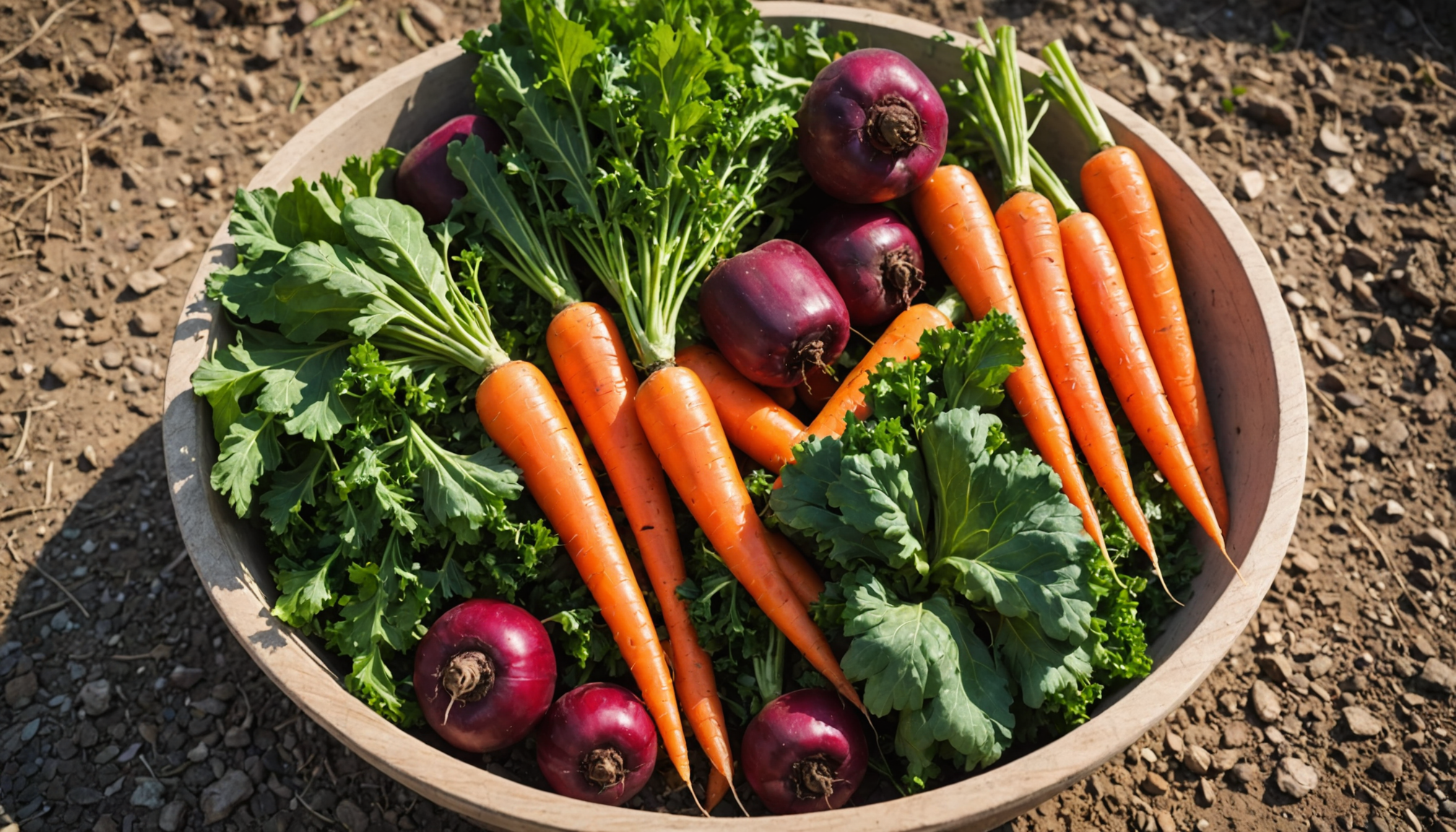
When it comes to crafting the perfect organic meat and veggie bowls, the selection of vegetables can elevate your meal from simply nutritious to absolutely delightful. Vegetables not only provide essential vitamins and minerals, but they also add vibrant colors and textures that make your dishes visually appealing and satisfying. Here’s how to make informed decisions while shopping for vegetables, both online and in-store, to ensure your healthy dinners shine.
1. Embrace Variety: Don’t limit yourself to the usual suspects when it comes to veggies. Experiment with a wide range of seasonal produce. Think beyond greens and include vibrant oranges, deep purples, and rich reds. Root vegetables like carrots and beets are great for roasting, while leafy greens like kale and spinach can be used raw or cooked. Create a rainbow in your bowl; the more colors you include, the more nutrients you’re likely to consume.
2. Opt for Organic When Possible: Choosing organic vegetables reduces your exposure to pesticides and supports sustainable farming practices. Prioritize purchasing organic for the “Dirty Dozen,” a list compiled by the EWG that highlights fruits and vegetables most contaminated with pesticides, including strawberries, spinach, and kale. When shopping for organic produce, certified labels are crucial; look for green seals that signify USDA certification.
3. Seasonal and Local Shopping: As mentioned previously, shopping for in-season and local vegetables not only enhances taste but is also a budget-friendly strategy. Utilize farmers’ markets for the freshest selections, which are often picked at peak ripeness. Participating in a community-supported agriculture (CSA) program can guarantee a regular supply of seasonal, organic veggies at a reasonable price, while also supporting your local economy.
4. Mind Your Storage: When purchasing fresh vegetables, think about how you will store them. Some veggies, such as tomatoes and avocados, should ripen at room temperature before being placed in the refrigerator. Others, like leafy greens and bell peppers, thrive when stored in moisture-retaining bags in the fridge. Proper storage not only prolongs life but also maintains flavor and nutritional value, ensuring your healthy dinners remain vibrant.
5. Explore Frozen Options: Fresh is fantastic, but frozen vegetables can be just as nutritious—sometimes even more so since they are often flash-frozen at peak ripeness. This can provide a convenient option for adding nutrients to your meat bowls without the hassle of cleaning and chopping. Look for brands that offer single-ingredient options without added sauces or preservatives to keep your recipes clean and healthy.
6. Always Wash Your Produce: Regardless of whether you select organic or conventional, washing your vegetables is critical to remove any residual dirt or potential contaminants. Use a mixture of water and vinegar or a vegetable wash to ensure cleanliness, particularly for those items where you plan to eat the skin, like cucumbers or bell peppers.
7. Check for Ripeness: When selecting fresh produce, look for vibrant colors and avoid items that show signs of bruising or wrinkling. Learning to assess ripeness can elevate the quality of your meals—a perfect avocado or tomato can make all the difference in your dishes.
8. Budget-Friendly Tips: To keep your vegetable purchases from breaking the bank, consider the following:
- Buy in bulk for staples like potatoes, onions, and carrots, which have a longer shelf life and can be used in various meals.
- Utilize loss leaders, or items on sale at your grocery store, to incorporate more organic produce into your diet.
- Grow your own! Even a small windowsill can host herbs or a few vegetable plants, offering fresh ingredients at little to no cost.
By integrating these strategies into your shopping routine, you can ensure that your veggie contributions to meat bowls are not only flavorful and colorful but also full of health benefits. The right vegetables can transform any meal into a nourishing feast for your family, enhancing your culinary experience and fostering a love for wholesome food.
Flavorful Bowl Combinations
Creating an enticing organic meat and veggie bowl requires a thoughtful blend of flavors and textures to keep every bite exciting. Begin with a solid base that complements your choices in meat and vegetables. Quinoa, brown rice, or even a creamy cauliflower mash can serve as the hearty foundation for your bowl, providing an excellent source of fiber and nutrients.
For a perfect match, consider pairing grilled chicken with seasonal vegetables like asparagus and bell peppers. Add some crumbled feta cheese and a drizzle of lemon-tahini dressing to tie the flavors together. Alternatively, slow-cooked beef brisket works wonderfully paired with roasted sweet potatoes and a mix of sautéed greens, such as kale or Swiss chard, topped with a zesty chimichurri sauce for an extra punch.
Vegetarian options can be just as satisfying. A bowl featuring quinoa, spiced chickpeas, and roasted zucchini and eggplant topped with a dollop of avocado cream marries earthy flavors with a refreshing twist. For a hearty yet light alternative, consider a base of brown rice garnished with sautéed mushrooms, spinach, cherry tomatoes, and a generous sprinkle of nutritional yeast for that cheesy flavor without the dairy.
Don’t overlook the balancing act of textures; crispy items can elevate your bowls dramatically. Roasted almonds or pumpkin seeds add a nice crunch. A handful of fresh herbs like cilantro or parsley can also invigorate the dish, contributing not only flavor but also brightness.
The beauty of building your meat and veggie bowls lies in experimentation. Combining different cuisines can lead to delightful surprises—try a Mediterranean-inspired bowl with lamb, roasted vegetables, tzatziki, and a side of tabbouleh. Or venture into an Asian flair by incorporating teriyaki chicken, mixed stir-fried veggies, and sesame seeds, serving it atop a bed of jasmine rice.
When crafting these combinations, remember that presentation plays a vital role as well. Arrange the ingredients in a visually appealing manner; using various colors and shapes not only makes for a stunning dish but also helps to entice even the pickiest of eaters.
“Eating well doesn’t have to be complicated. Simple foods can lead to vibrant, flavorful meals that nourish the body and soul.”
Through these imaginative combinations, organic meat and veggie bowls can truly become a centerpiece of healthy dinners for your family, providing both excitement and nutrition. The melding of flavors allows for endless creativity, ensuring that you can enjoy a nutritious, organic meal any night of the week.
Simple Preparation Techniques
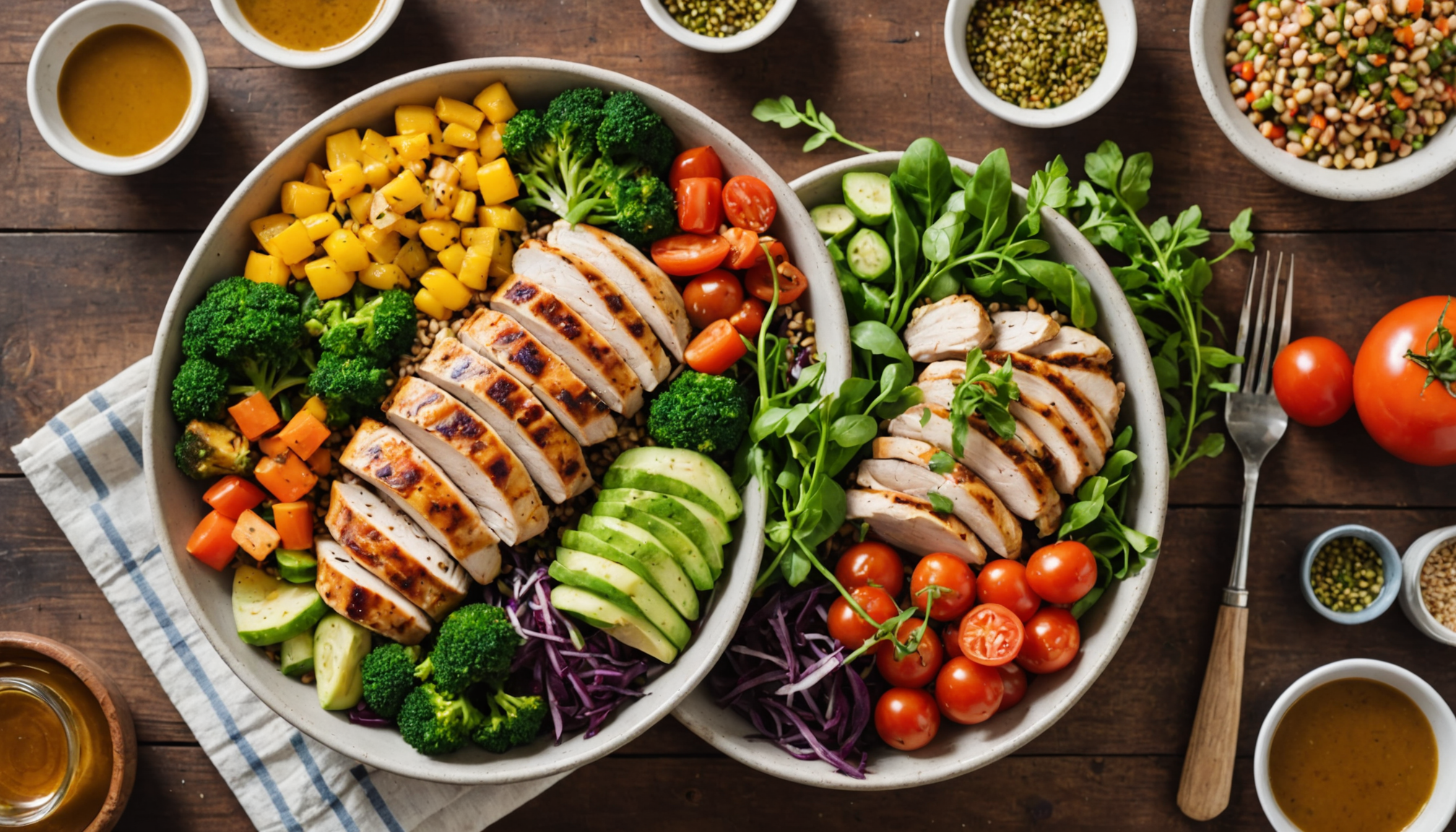 Preparing organic meat and veggie bowls can be a simple yet delightful process that bridges the gap between healthy eating and enjoyable cooking. To get started, familiarize yourself with the essential tools and techniques that can streamline your meal preparation, ensuring that the process is not overly time-consuming while still allowing for culinary creativity.
One effective technique is to batch cook your grains and proteins ahead of time. By preparing a large batch of quinoa or brown rice at the beginning of the week, you can save considerable time during busy nights when you wish to whip up a quick meal. Consider grilling or roasting a selection of proteins, such as chicken breasts or chickpeas, and storing them in the fridge. This strategy allows you to simply grab and assemble, making mealtime hassle-free and efficient.
Moreover, simplify your vegetable preparation by utilizing the power of pre-washed and pre-cut options available in many grocery stores. While fresh, whole vegetables are often superior, convenience options can save you significant time without dramatically sacrificing nutrition. For instance, selecting a bag of mixed stir-fry vegetables can allow you to achieve an array of colors and flavors with minimal prep work.
Incorporating quick-cooking methods can further reduce your kitchen time. Shallow frying or stir-frying vegetables in a hot pan can often take 10 minutes or less, preserving their nutrients and providing a perfect crunch. Experimenting with one-pan recipes can also yield impressive results without overwhelming your kitchen with dirty dishes. Tossing grains, proteins, and seasonal vegetables together for roasting creates a symphony of flavors, infusing your bowls with an inviting aroma and exciting taste profile.
Using flavorful sauces and dressings can enhance the taste of your meals while being simple to prepare. A quick vinaigrette made from olive oil, vinegar, and spices can add depth to your bowls. Alternatively, consider mixing plain Greek yogurt with herbs and seasonings for a creamy and tangy dressing. These quick additions not only elevate your meal but can also be made in batches and stored for future use.
Embrace the concept of assembly-line cooking: Lay out your ingredients and create an assembly station. This not only speeds up the process but allows everyone to customize their bowls, making mealtimes more interactive and fun. Set out a variety of toppings, such as seeds, nuts, or fresh herbs, encouraging creativity and personal flair in every meal while promoting engagement with healthy dinners.
Cooking organic meat and veggie bowls doesn’t need to be complex. With these straightforward preparation techniques, you’ll discover that nourishing meals can indeed be effortless and enjoyable. The key is to embrace simplicity and efficiency in your cooking process, giving you the freedom to explore more flavors, combinations, and ultimately, healthier eating practices.
- What are the benefits of making organic meat and veggie bowls?
- Organic meat and veggie bowls are packed with nutrients from fresh ingredients, supporting better health outcomes. They also allow for creative culinary expression while minimizing exposure to harmful chemicals often found in non-organic produce.
- How do I keep my organic ingredients fresh?
- Store fresh produce in moisture-retaining bags and keep them in the refrigerator. Consider using airtight containers for any prepped ingredients to extend their shelf life, ensuring that you always have fresh options at hand.
- Can I prepare these bowls in advance?
- Absolutely! You can batch cook grains and proteins, and chop vegetables ahead of time. Just assemble your bowls when you’re ready to eat, making for quick and healthy dinners.
- How do I choose the right sauce for my bowls?
- Select sauces that complement your ingredients without overpowering them. A simple vinaigrette or yogurt-based dressing can enhance flavors without adding too many calories or preservatives.
- Can I make these bowls vegetarian or vegan?
- Yes! You can prepare delicious vegetarian or vegan versions by omitting meat and incorporating plant-based proteins like beans, tofu, or tempeh, alongside a variety of colorful vegetables.
- What are some budget-friendly tips for making organic bowls?
- Buying in bulk, planning your meals around seasonal produce, and utilizing loss leaders at grocery stores can help keep costs down while maintaining organic options.
- Are frozen vegetables a good option for organic bowls?
- Yes! Frozen vegetables can be a nutritious alternative as they are often flash-frozen at peak ripeness. They can save prep time and be incorporated easily into your organic meat and veggie bowls.
Nutritional Value of Organic Bowls
The nutritional value of organic meat and veggie bowls is a cornerstone of creating meals that not only satisfy hunger but also bolster your family’s health. When carefully curated, these bowls can provide a wealth of vitamins, minerals, and other essential nutrients that contribute to overall well-being. To ensure you’re maximizing nutrition while grocery shopping, consider these expert tips that cater to families, fitness enthusiasts, vegans, and busy professionals alike.
1. Balance Your Macronutrients: Each of your bowls should provide a balanced source of macronutrients: proteins, carbohydrates, and fats. Organic proteins—like chicken, turkey, fish, beans, or legumes—are foundational for muscle repair and energy. Carbohydrates from whole grains, such as brown rice or quinoa, deliver sustained energy, while healthy fats sourced from avocado, nuts, or olive oil add flavor and absorption of fat-soluble vitamins, crucial for nutrient intake.
2. Pack in the Micronutrients: Aim for a variety of colorful vegetables in your bowls to ensure you’re hitting a wide range of vitamins and minerals. Dark leafy greens, vibrant bell peppers, and deep orange carrots are known to be nutrient powerhouses. For example, spinach is rich in iron, while bell peppers are high in vitamin C, which assists with iron absorption. The more colors you incorporate, the more nutritious your meals will be, enhancing the overall health benefits of your meat bowls.
3. Focus on Fiber: Incorporating fiber-rich ingredients is vital for digestive health. Opt for whole grains as your base, along with an array of fibrous veggies. Beans and legumes are fantastic additions, providing protein and fiber in one go. This not only keeps you full longer but also supports gut health, which is essential for overall well-being.
4. Choose Organic for Health: Prioritizing organic ingredients can significantly enhance the nutrient density of your meals. Studies have suggested that organic produce may contain higher levels of certain antioxidants and beneficial compounds compared to their conventional counterparts. By opting for organic fruits, vegetables, and meats, you minimize exposure to harmful pesticides and pollutants, thus promoting better health outcomes for your family.
5. Be Mindful of Portion Sizes: A common pitfall in meal preparation is not paying attention to portion sizes. Utilizing measuring cups or kitchen scales can help you understand proper serving sizes, especially regarding proteins and grains. This ensures you’re providing sufficient nourishment without overeating—an essential practice for maintaining a healthy lifestyle.
6. Explore Nutritional Add-Ons: Enhance the health factor of your bowls by adding nutritional superfoods. Seeds like chia, flax, or hemp can deliver additional omega-3 fatty acids, while nutritional yeast brings a cheesy flavor packed with B vitamins. Sprouts, like alfalfa or broccoli, are nutrient-dense and can be thrown into the mix for crunch and added vitamins.
7. Harness Flavor Without Guilt: Avoid relying on calorie-dense sauces for flavor. Instead, explore herbs, spices, and healthy dressings to elevate the taste of your bowls without compromising their health benefits. Fresh herbs like cilantro, basil, or parsley can provide invigorating flavors and additional health benefits. A simple olive oil and lemon juice dressing not only enhances taste but is also nourishing and satisfying.
By incorporating these tips into your grocery shopping routine, you’ll not only enhance the nutritional value of your organic recipes but also transform healthy dinners into a delightful experience for your family. With each bowl you create, you’re nourishing bodies, fostering healthy eating habits, and embracing a holistic approach to meals that matter.
New Customers Offer!
Free Gift for the new customer
$24 Value, When You Subscrib Visit Thrive Market