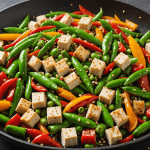
- Healthy organic beef stir-fry
- Benefits of organic beef
- Choosing the right cuts of beef
- Essential vegetables for stir-frying
- Preparing a flavorful marinade
- Cooking techniques for perfect stir-fry
- Serving suggestions and additional recipes
When it comes to grocery shopping for a healthy organic beef stir-fry, planning is key to ensuring you make the best choices both in-store and online. Start by making a list of ingredients you’ll need for your stir-fry, including high-quality cuts of beef, fresh vegetables, and flavorful sauces. This not only helps you stay focused while shopping, but it also minimizes impulse purchases that can derail your health goals.
For protein, focus on organic beef sourced from local farms whenever possible. Look for labels that clearly indicate it’s certified organic, as this guarantees no hormones or antibiotics were used, and that the cattle were raised on organic feed. If you’re shopping online, check websites that specialize in local farms, as they often deliver fresh meat directly to your door. Sites like Crowd Cow or ButcherBox offer various options and allow you to customize your orders based on your dietary preferences.
In addition to beef, incorporate a variety of colorful vegetables that not only enhance the dish’s flavor but also offer significant nutritional benefits. Consider bell peppers, broccoli, and snap peas, which are all great choices for stir-frying. When shopping in stores or farmers markets, opt for seasonal and local vegetables for maximum freshness and flavor. These often come at a lower price point as well, making them budget-friendly options.
For a quick and healthy stir-fry, it’s advisable to stock up on pantry staples such as low-sodium soy sauce, garlic, and ginger. These ingredients are crucial for building flavorful marinades and sauces without the need for added sugars or unhealthy fats. When buying sauces, read the labels to avoid hidden sugars and additives—focusing on brands that use simple, organic ingredients can make a big difference.
Don’t forget about those who may prefer plant-based options in your household. In addition to beef recipes, consider adding tofu or tempeh to your stir-fry for a vegan-friendly twist. These ingredients are rich in protein and will complement your vegetable choices beautifully, ensuring that everyone at the dinner table can enjoy the meal.
When it comes to online shopping, be aware of the safety of your purchases. Stick to reputable websites and check reviews before buying ingredients. Look for sites that provide clear descriptions and sourcing details for their products. Likewise, always ensure that any perishable items are clearly noted for freeze or refrigeration upon delivery.
Lastly, embrace bulk buying for non-perishable items like rice or quinoa to save money. These can serve as a base for numerous quick dinners throughout the week. Organizing your pantry efficiently with labeled containers can also make meal prep easier and more enjoyable, allowing you to grab ingredients swiftly when you’re ready to whip up that healthy organic beef stir-fry or any other wholesome dish.
Benefits of organic beef
Organic beef offers a multitude of benefits that contribute to overall health and well-being. One of the most significant advantages of opting for organic beef lies in the farming practices used to raise cattle. Organic beef comes from animals that are fed organic grains and forage, which means they are not exposed to synthetic pesticides, herbicides, or genetically modified organisms (GMOs). This adherence to natural agricultural practices results in meat that is free from harmful chemical residues, making it a safer choice for consumption.
Moreover, organic beef is typically produced without the use of antibiotics and growth hormones, which are common in conventionally raised livestock. The absence of these substances not only reflects a commitment to animal welfare but also leads to a healthier meat product. Antibiotic use in livestock can contribute to antibiotic resistance in humans; thus, choosing organic beef can help mitigate this public health concern.
Another vital factor to consider is the nutritional profile of organic beef. Studies suggest that organic beef may contain higher levels of omega-3 fatty acids, antioxidants, and vitamins due to the grass-based diets of organically raised cattle. These nutrients are beneficial for heart health, inflammation reduction, and overall dietary wellness. Below is a comparison of the nutritional aspects of organic versus conventional beef:
| Nutrition Aspect | Organic Beef | Conventional Beef |
|---|---|---|
| Omega-3 Fatty Acids | Higher content due to grass-fed diets | Lower content, grain-fed diets |
| Antioxidants (Vitamin E) | Higher levels | Lower levels |
| Fat Content | Typically leaner with less saturated fat | Can be higher in saturated fat |
| Hormones and Antibiotics | Free from synthetic hormones and antibiotics | May contain hormones and antibiotics |
It’s essential to consider the environmental impact of meat production as well. Organic farming practices promote sustainability by using methods that nourish the soil and reduce pollution. They often rely on crop rotation, cover crops, and reduced tillage, which help maintain soil health and biodiversity. This is crucial as the livestock sector contributes significantly to greenhouse gas emissions, and organic farming tends to have a lower carbon footprint.
Incorporating organic beef into your diet is not only beneficial for personal health but also supports local farmers and sustainable agriculture. When you choose organic, you contribute to a system that values ethical treatment of animals, healthy soil, and environmentally friendly farming practices. Therefore, including organic beef recipes in your weekly meal plan can enhance your diet while also making a positive impact on the planet.
In summary, opting for organic beef provides health benefits, including improved nutrition and reduced exposure to harmful substances, while simultaneously supporting sustainable agricultural practices. This holistic approach to food consumption fosters a healthier lifestyle and encourages the consumption of nutritious meals, making it a wise choice for those looking to prepare quick dinners and wholesome organic meals.
Choosing the right cuts of beef

When selecting cuts of beef for your stir-fry, consider not only the flavor and tenderness but also how these choices align with your dietary preferences and budget. Some ideal cuts for stir-frying include flank steak, sirloin, and top round. These cuts are leaner yet still packed with flavor, making them excellent choices for a healthy organic beef stir-fry. By opting for these selections, you’ll be able to keep your meal health-conscious without sacrificing taste.
While shopping, you can often find great deals on these cuts if you pay attention to sales or consider buying in bulk. If you do purchase in larger quantities, ensure you have proper storage techniques in place. Freeze any cuts you won’t use right away to maintain freshness and save food waste. When selecting beef, whether in-store or online, always look for meat with a bright red color and firm texture, which indicates its freshness. Avoid any meat that appears brownish or has an off odor, as this could signify spoilage.
Additionally, check if the beef is grass-fed; this can enhance the nutritional profile of your meals significantly. Grass-fed beef tends to have higher levels of omega-3 fatty acids and other nutrients compared to grain-fed counterparts. Some local farms offer subscriptions for regular deliveries of grass-fed meat, which can be an economical way to consistently procure high-quality ingredients for your organic meals.
When it comes to online shopping for beef, focus on reputable retailers that specialize in organic and sustainable meat products. Popular services often provide clear information regarding sourcing, ensuring that you know exactly where your meat comes from. Take advantage of customer reviews to gauge quality and service before making your purchases. Subscription services like ButcherBox not only provide convenience but often offer discounts on bulk orders, making them a cost-effective solution for busy families aiming for nutritious quick dinners.
Lastly, consider exploring niche markets such as local butcher shops or farmers’ markets in your area. These venues typically offer a range of cuts at competitive prices and provide the opportunity to build a rapport with the sellers, gaining insights on the best preparations and uses for each cut. Buying directly from farmers can also ensure you’re supporting sustainable practices and getting to know the source of your food, which can be rewarding for both your meals and your conscience.
Essential vegetables for stir-frying
Incorporating the right vegetables is crucial for creating a vibrant and nutritious stir-fry. Aim for a balance of colors and textures to make your dish visually appealing and healthful. Some essential vegetables to consider include bell peppers, sugar snap peas, broccoli, and carrots. These vegetables not only add a delightful crunch but also pack a nutritional punch.
Bell peppers come in various colors—red, yellow, and green—and are rich in vitamins A and C, providing antioxidants that support overall health. Sugar snap peas offer a sweet flavor and an enjoyable crispness, while also being a good source of dietary fiber and vitamins. Broccoli is another powerhouse vegetable, full of vitamin K, vitamin C, and numerous other beneficial nutrients. Meanwhile, carrots contribute a natural sweetness and are high in beta carotene, which is important for vision and immune function.
“Eating a colorful variety of vegetables is a key step towards a balanced diet.” – Nutritionist
To prepare your vegetables for stir-frying, wash and chop them into uniform pieces to ensure they cook evenly. Cut bell peppers into strips, slice carrots thinly for quicker cooking, and keep broccoli florets bite-sized. For added flair, consider incorporating mushrooms or zucchini. Both not only add unique flavors but also complement the beef well, soaking up the savory sauce used in the stir-fry.
When selecting vegetables, choose those that are in-season and locally sourced whenever possible to ensure freshness and flavor. These choices not only support local farmers but also tend to be more affordable. If you find yourself with an abundance of vegetables, consider using them in other quick dinners throughout the week; they can easily be added to salads, wraps, or even quesadillas.
For the perfect stir-fry, it’s also good practice to prepare a mix of vegetables that have a similar cooking time. This will help avoid overcooking or undercooking any one item, ensuring that each ingredient retains its taste and nutrient content. Larger, denser vegetables like carrots take longer to cook, while softer ones like bell peppers and snap peas should be added later in the cooking process to retain some crunch.
By thoughtfully selecting and preparing your vegetables, you lay the groundwork for a healthy organic beef stir-fry that is not only packed with flavor but also promotes wholesome eating habits suitable for any meal occasion.
Preparing a flavorful marinade
 To create a flavorful marinade that perfectly complements your healthy organic beef stir-fry, you’ll want to balance different flavor profiles while also considering health. A great marinade can enhance the taste of your beef, tenderize it, and infuse delicious aromatic notes. Start with a base of low-sodium soy sauce or tamari for a gluten-free option; this will provide the salty, umami foundation essential for any stir-fry. To elevate the flavors, incorporate minced garlic and freshly grated ginger, both of which add depth and a hint of spiciness to the dish.
Sweetness can be introduced with a splash of honey or maple syrup, which beautifully contrasts with the savory elements without overwhelming the dish. For acidity, consider adding rice vinegar or lime juice; these ingredients spark brightness and balance, cutting through the richness of the beef. Feel free to experiment with additional flavors—sesame oil provides a nutty aroma, while chili paste or flakes can introduce heat, perfect for those who enjoy a little spice in their meals.
When preparing your marinade, combine all ingredients in a mixing bowl and whisk them together until well blended. For added depth, let the marinade sit for about 10-15 minutes before adding your beef, allowing the flavors to meld. Once you add the beef to the marinade, make sure to cover it fully and let it marinate for at least 30 minutes, or ideally several hours or overnight in the refrigerator. This resting period allows the beef to absorb the flavors, leading to a more robust and satisfying dish.
As a tip, when marinating your beef, use a glass or stainless steel container rather than plastic, preventing any chemical interactions. After marinating, remember to pat the beef dry before cooking; this will ensure a nice sear when it’s stir-fried, resulting in a delicious texture. Think of how different marinade combinations allow you to create a wide variety of organic meals that can suit anyone’s taste, making your healthy organic beef stir-fry something you can enjoy through diverse preparations every time.
- What are the best cuts of beef for stir-fry?
- Ideal cuts for stir-frying include flank steak, sirloin, and top round. These cuts are generally lean, flavorful, and tender, making them perfect for quick cooking.
- How long should I marinate the beef?
- For optimal flavor, marinate the beef for at least 30 minutes, but longer marination of several hours or overnight in the refrigerator is recommended for better infusion of flavors.
- Can I use a store-bought marinade?
- Yes, you can use store-bought marinades for convenience, but be sure to check the ingredients for added sugars and preservatives. Making your own allows for healthier, customizable options.
- What vegetables work best in a stir-fry?
- Essential vegetables for stir-frying include bell peppers, broccoli, sugar snap peas, and carrots. Mixing a variety of colors and textures not only enhances flavor but also boosts nutritional value.
- Is it necessary to use organic beef?
- While not mandatory, using organic beef ensures you’re consuming meat free from antibiotics, hormones, and pesticides, contributing to healthier meals and supporting sustainable farming practices.
- What cooking techniques should I use for stir-fry?
- High-heat cooking techniques such as stir-frying in a wok or a large skillet are ideal. Ensure your pan is hot enough to sear the meat quickly and preserve its juiciness.
- Can I prepare the marinade in advance?
- Yes, you can prepare the marinade ahead of time and even store it in the refrigerator for several days. This can save time when you’re ready to cook, making weeknight meals quicker.
Cooking techniques for perfect stir-fry
Cooking techniques play a pivotal role in achieving the perfect stir-fry, allowing you to highlight the natural flavors of your organic beef and fresh vegetables while ensuring that each component retains its ideal texture and nutrients. The foundation of a successful stir-fry lies in the heat; using a high-temperature method is crucial. Woks are ideal for this purpose, as their shape allows for even heat distribution, creating a searing effect that locks in moisture and flavor. If you don’t have a wok, a large, heavy skillet will suffice. Ensure your cooking surface is preheated—this prevents sticking and allows the beef to brown beautifully.
When it comes to preparation, cut your beef against the grain into thin strips, as this not only makes for easier chewing but also tenderizes the meat during cooking. A tip for achieving better flavor is to pat the beef dry before adding it to the hot pan; this will promote a lovely caramelization effect. For the best results, cook in smaller batches if you have a lot of ingredients; overcrowding the pan can lead to steaming rather than searing, which can dampen the flavors and textures you aim to achieve.
Timing is key during the cooking process. Start with the beef, allowing it to sear for just a couple of minutes until it’s browned and nearly cooked through. Then, remove it from the pan to prevent overcooking. This interim step is essential because you’ll want to maintain the juicy texture of the beef. Next, add your vibrant veggies. Start with those that take longer to cook, such as carrots and broccoli. After a minute or so, toss in quicker-cooking vegetables like bell peppers and snap peas. Stir-fry these for only a few minutes to retain their crunch and vibrant color.
Don’t forget to stir continuously. This constant motion ensures even cooking and prevents burning. The beauty of stir-frying is how quickly everything comes together, so keep a close eye on your progress. As your meal nears completion, reintroduce the beef to the pan along with your prepared marinade, allowing everything to heat through and meld together for flavor harmony. A quick toss in the sauce just before serving will make the beef and vegetables shine.
As you experiment with your stir-fry creations, think about adding some unique twists. Consider using nuts or seeds as a crunchy topping, or a sprinkle of sesame seeds for added flavor. Fresh herbs like cilantro or green onions can bring a refreshing finish to the dish. Experimenting with different sauces can also lead to incredibly diverse beef recipes that cater to different tastes while keeping your meals exciting and satisfying. With these techniques under your belt, you’ll be well on your way to preparing quick dinners that delight your family while promoting a healthful lifestyle.
Serving suggestions and additional recipes
When it comes to serving your healthy organic beef stir-fry, creativity can transform a simple dish into an exciting feast. Pair your stir-fry with various sides that enhance the meal while catering to different dietary preferences. Brown rice, quinoa, or cauliflower rice are excellent base options that not only offer a satisfying texture but also provide additional nutrients. They also serve as a wonderful canvas for soaking up the delicious stir-fry sauce. For those who are gluten-free, opting for rice noodles can make a delightful and hearty alternative.
To add more freshness to your plate, serve your stir-fry with a side of light salad. A simple mix of leafy greens such as spinach, arugula, or mixed greens topped with a zesty vinaigrette can perfectly complement the richness of the stir-fry. Adding sliced cucumbers or radishes can provide an extra crunch, balancing the dish with a refreshing taste that’s particularly enjoyable during warmer months.
For families with different tastes, consider serving the stir-fry in a create-your-own style. Set out bowls with your cooked stir-fry, various bases, and toppings like chopped peanuts, green onions, or sesame seeds. This way, each family member can customize their meal, making it a fun and interactive dining experience while accommodating dietary restrictions.
Don’t forget that you can repurpose your healthy organic beef stir-fry for quick dinners throughout the week. Leftovers can be used in tacos, wraps, or even as a filling for a hearty soup. Simply mix in vegetable broth, a splash of soy sauce, and throw in additional vegetables, and you’ll have a nutritious meal ready in no time. The versatility of this dish allows it to shine in multiple formats, making meal prep easier and creating less food waste.
For those who enjoy a little extra culinary adventure, consider trying out different sauces and flavor profiles for additional beef recipes. A spicy Korean gochujang sauce or a tangy teriyaki glaze can reinvent the stir-fry experience entirely. You could also swap out the beef for plant-based proteins like tempeh or seitan, which absorb flavours beautifully and satisfy both meat-eaters and vegans alike. Exploring these variations will keep your organic meals exciting and diverse, ensuring that mealtime never becomes dull.
As you delve into the world of stir-fries, think about the fun ways to experiment with seasonal vegetables. Each season brings its bounty, and mixing in whatever is fresh at your local farmers’ market can inspire new flavor combinations while supporting your local economy. Doing this not only enhances your culinary creativity but also makes grocery shopping an adventure.
Lastly, if you love meal prepping, consider portioning out your stir-fry in meal containers. This makes grab-and-go options easy for busy weekdays, ensuring you stay on track with healthy eating, regardless of your time constraints. With all these ideas in mind, your serving suggestions can elevate the simple yet satisfying stir-fry into a versatile and enjoyable family meal.
New Customers Offer!
Free Gift for the new customer
$24 Value, When You Subscrib Visit Thrive Market